
7-Day Adventure Itinerary in Uganda: Explore the diverse landscapes, encounter majestic wildlife, and immerse yourself in vibrant culture on this unforgettable journey through the heart of Africa.
Explore Uganda Safaris: From Wildlife to Scenic Wonders
Uganda as a country was described by Winston Churchill as the “Pearl of Africa” because of its extraordinarily attractive scenery, landscape, and diverse plant and animal life. Its climate supports the ecosystem perfectly as a result of its location being near the equator. Uganda’s culture varies with different friendly and hospital tribes, over 30 tribes are found in Uganda.
The Tourism industry in Uganda has passed through hard-hitting times since its independence. The insurgence led by Joseph Kony in the Northern region of Uganda contributed a lot to a reduction in the number of tourists visiting certain parts of the country on a safari. Peace has been reinstated in the country and the tourism industry is booming with so many visitors choosing a safari in Uganda. Much as Uganda is a landlocked country, it is blessed with numerous national parks, mountains, lakes, and rivers which contain various kinds of birds, animals, and plants. Uganda has the largest number of endangered Mountain Gorillas in the world making her among the best travel and adventurous destinations. The population of Chimpanzees in Uganda is the largest in East Africa and visitors can easily view the big five (leopards, hippopotamus, lions, buffaloes, elephants) – Uganda is the best place to spot tree-climbing lions while on a wildlife safari.
The key activities while on a safari in Uganda are:
- Gorilla tracking tours in Bwindi Impenetrable Forest Park and Mgahinga Gorilla Park.
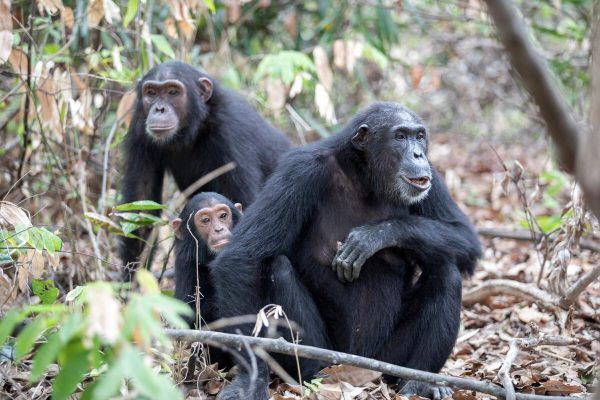
- chimpanzee tracking in Budongo forest, Kibale, and Mgahinga.
- Kampala City tour involving Cultural and religious tours to the Ndere center, Uganda Museum, Kasubi tombs, and the Uganda Martyrs shrine Namugongo. More information can be got from our one-day Kampala tour
- Nature walks and landscape viewing.
- Spotting the big five – Elephants, rhinoceros, leopards, lions,s and buffalo.
- Fishing in the great Lake Victoria, Lake Albert, Lake Edward, Lake Mburo, Lake Kyoga, Lake Kwania, Lake Bunyoyi, Lake Bisina, and the River Nile in Jinja. The main species of fish caught are Nile perch, Tilapia, mud, and lungfish.
- Bird watching – these include over 1035 bird species.
- Swimming and rafting in the various crater lakes, rivers, and beaches.
- Climbing Mountain Elgon and Hiking the Rwenzori mountains
- Quad Biking
- Bungee jumping over the Nile
- Cultural and heritage tours
These activities can be done in the following national parks, reserves, and spots:-
Uganda Wildlife Safaris – Places to visit while on an Uganda tour
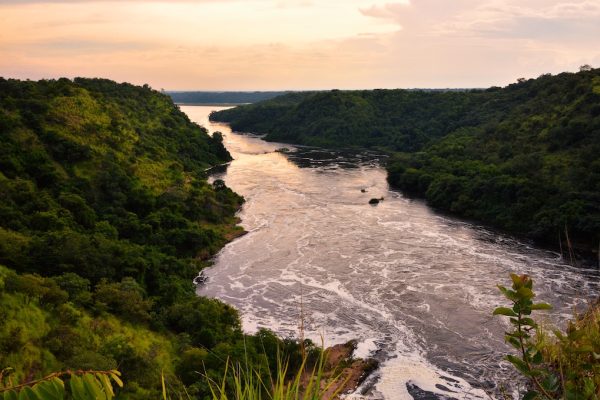
Murchison Falls National Park: Located in the Northwestern part of Uganda (Masindi District), Murchison falls national park is the largest conservation area in Uganda and this covers an area of over 3,800 square kilometers, it is baptized after one of its top tourist’s attractions – The Murchison Falls.
The Murchison Falls is formed at a point where the river Nile traverses through a thin valley before sloping down about 42 meters in a mighty roar. Due to the past insurgence in the country and the unrestrained poaching, the park is not as it used to be however due to the recent conservation efforts, the park has recovered.
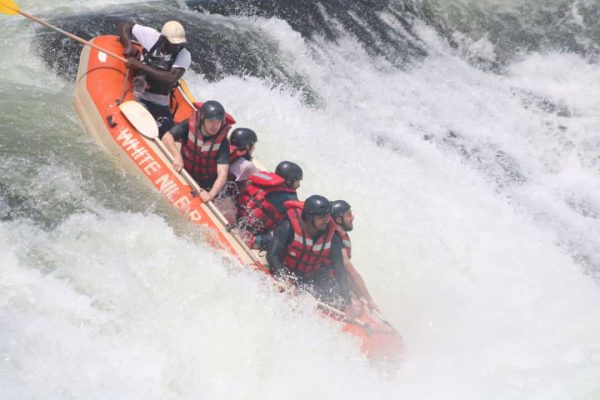
The waterfall may be a top attraction but the park is teeming with wildlife. The park has the largest inhabitants of the now endangered Rothschild Giraffes in East Africa – numbering over 1000. Visitors on Uganda Wildlife tour must presume an unforgettable cruise up and down the river Nile to see elephants, lions, giraffes, Nile crocodiles, hippos, buffaloes, antelopes, and birds feeding along the river banks. The Budongo forest in the park is famous for chimpanzee trekking as you can see in our 4 days Murchison Falls safari package. The park is largely recognized for white water rafting at the Karuma Falls – A collection of rapids just before the Murchison Falls.
Queen Elizabeth National Park:
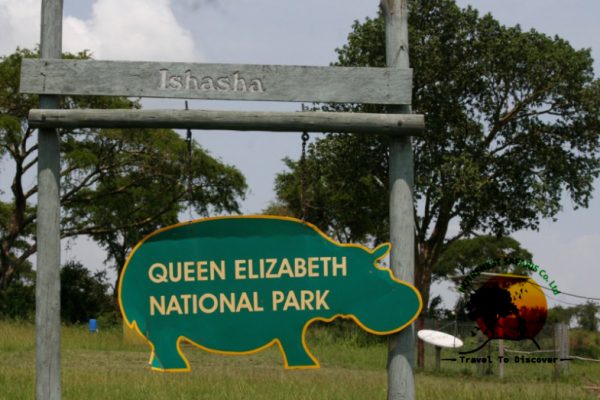
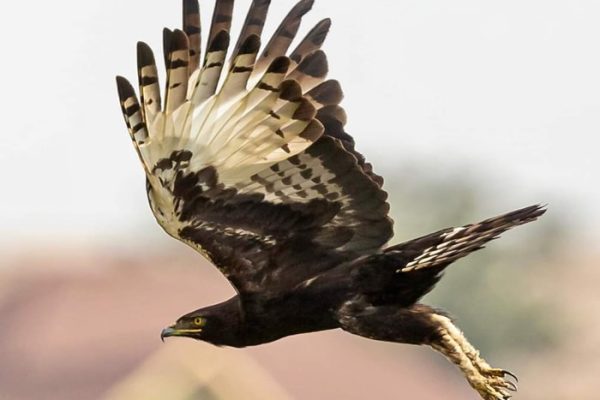
Situated near the border with DR Congo, Queen Elizabeth national park covers approximately 2,056 sq. km it’s the most visited park in Uganda and well-known for the tree-climbing lions in Ishasha and the Uganda Kob. The fine-looking, attractive green scenery, and an assortment of plant, animal, and bird species attract visitors on a Uganda wildlife safari to love the park. There are over 500 bird species in the park among which include the Kingfisher, flamingos, eagles, and storks. The endangered Shoebill Stork is also found in the park. The park encompasses diverse species of trees, craters, savanna grasslands, swamps, lakes, and other volcanic features. A 3 days safari to the Queen Elizabeth National Park provides the best opportunity to spot the big five while on a wildlife tour in Uganda. The park has buffaloes, hippos, baboons, elephants, and various species of antelope. Tourists can spot Nile crocodiles in Lake Edward and Lake George, birding and game watching at the Kazinga Channel, or track chimpanzees in the Maramagambo forest. If you intend to go on an Uganda tour, the dry season is the best time to visit Queen Elizabeth National Park.
Kidepo Valley National Park:
The astonishing Kidepo valley national park is located in the distant northeastern corner of Uganda and covers about 1,440 km2. Because of its isolated location, the park gets fewer visitors on Uganda tours. However, it is second to none for variety and sheer abundance of flora and fauna. It has been rated by CNN Travel as among the top three parks in Africa because of its hidden gem which in many ways is a great reflection of how Africa used to be before greater human intrusion. Kidepo Valley National Park in Uganda is a collection of magnificent mountains and unspoiled Savannah. Tourists can view wild dogs, lions, cheetahs, leopards, giraffes, oryx, buffalo, and hippopotamus while on a safari in Uganda. The northern part of the park acts as a habitat for bush babies, elephants, ostriches, baboons, and about 220 bird species. The Kananorok hot springs can as well be spotted at the park. These animals share space with nomadic pastoralists like the Karamajong and the Ik people living high up the Morungole Mountain. Visitors on the Uganda wildlife tour should expect an exceptional treat during their safari to Kidepo National Park.
Bwindi Impenetrable National Park:
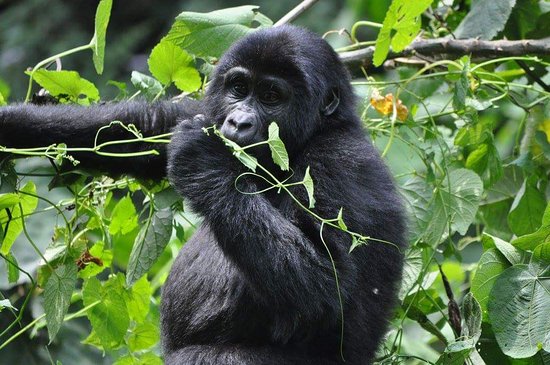
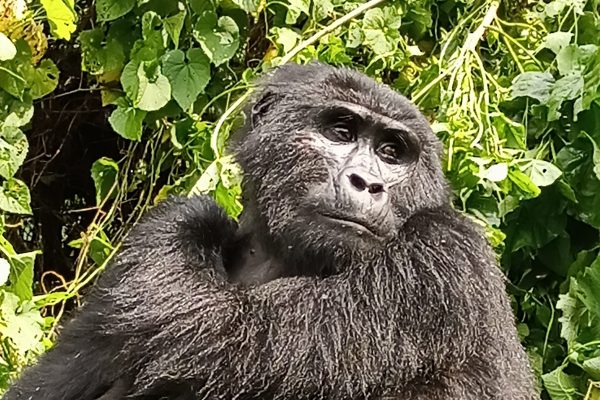
Bwindi Impenetrable Forest Park is found in the southwestern corner of Uganda and neighbors the DR Congo’s Virunga National Park. Bwindi is considered a World Heritage site by the UNESCO and has frequently been referred to as the Switzerland of Africa, this is because of its landscape and biological diversity. The awe-inspiring green and beautiful forests of Bwindi National Park contain half of the world’s remaining mountain gorillas. Among the top three activities is mountain gorilla tracking which is worth considering while visiting Africa and on a Uganda safari.
Gorilla trekking in Bwindi National Park to see the endangered mountain gorillas is a once-in-a-while superb experience and cannot be equated to anything else. Other than Gorilla trekking tours, Bwindi is a habitation for Colobus monkeys and is a birder’s ecstasy. Some of the bird species include bee-eaters, chap-ins flycatchers, black-billed turaco, and African green broadbills. During the wet season, all residents and migratory birds gather to feast on the abundant forest fruits and insects and this has been acknowledged as the rightful time for birding while on a Uganda tour.
Mgahinga Gorilla National Park:
situated in the southwestern part of Uganda, Mgahinga is largely known for gorilla trekking. Gorilla trekking in Mgahinga involves visiting the one habituated mountain gorilla family found in the park and the Golden monkeys which can only be found in Mgahinga. One would easily cross over to Rwanda to view more golden monkey groups. The park is not all about monkeys and gorillas. Jackals, woodland elephants, buffalo, leopards,s and a few antelope species roam the park. There are over three Volcanoes (Mount Sabinyo, Mt. Muhavura, and Mount Gahinga) found in Mgahinga Gorilla National Park where visitors on a Uganda safari can hike, and more so visitors can go for the Batwa trail and cave exploration. For tourists targeting the gorillas precisely, they may find the 3 days Mgahinga gorilla safari package exciting.
Kibale Forest National Park:
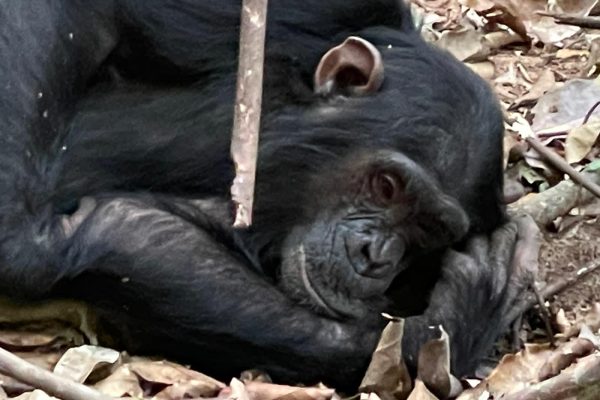
The Park is found near the Rwenzori Mountains and shares a border with Queen Elizabeth national park. The forest is famous for chimpanzee tracking – The best place to track chimpanzees in East Africa. Chimpanzees can be found in other parts of Uganda and Africa but the sheer numbers (1500) in Kibale forest assures you a close collaboration with them while on a Uganda safari. The Chimpanzee trekking in the Kibale forest can be combined with nature walks and a visit to the Bigodi swamp. Other than chimps, there are 13 other monkey species like the red colobus, L’Hoest’s, and grey-cheeked mangabeys in the park. Over 100 butterfly species, gigantic forest hogs, and antelopes are found in the park. Kibale National Park in Uganda has segments covered by swamps and grasslands and is a good locality for birding – Over 290 species.
Lake Mburo National Park:
It is the most accessible park from Kampala much as it is also the smallest park in Uganda. Lake Mburo is the leading water body among the 12 others found in the park. In Uganda, zebras are found in Lake Mburo National Park. The park is a birder’s paradise with over 300 species that congregate at the lake and its swampy shores. The enormous woodland benefits since there are no elephants in the park. The park’s Savannah grass teems with antelopes, buffaloes, leopards, jackals, and hyenas. The best time to spot animals while on a safari is during the dry season as the animals usually gather to drink water at Lake Mburo. You might be fascinated by our 3 Days Lake Mburo Wildlife Tour and Safari package.
Mount Elgon National Park:
Found in the Eastern part of the country called in Mbale district, the park lies on the border between Uganda and Kenya. Being a major attraction, Mount Elgon is an extinct volcano with a caldera traversing approximately 42 km2. The favorite among hikers is the Wagagai summit and the hot springs among other tourist sites that make Mount Elgon National Park so attractive and eye-catching. The park is also filled with different bird species and primates (Colobus Monkeys, blue monkeys, and vervet monkeys among others). The mountain slopes are scattered with natural forests, bushes, waterfalls, caves, gorges, and canyons. A tourist visit in Uganda should exceptionally include a visit to this park.
Ziwa Rhino Sanctuary:
This is a Rhino reserve along the way to the Murchison falls national Park. The major aim of the reservation is to protect the country’s rhinos which would result in the restocking of the larger parks. Because of poaching, so many Rhinos have succumbed to poachers because of their treasured and valued horns in most of Uganda’s parks. Therefore the reserve helps protect rhinos from poachers and human prying thus providing them a safe place to reproduce. The park has over 60 rangers and guards and visitors can see the Rhinos up close and interact with preservationists and ecologists to attain knowledge about the project and Rhinos. Most tour companies include a stop-over at the Ziwa Rhino Sanctuary when planning Uganda safaris to Murchison Falls national park.
Other than the Rhinos, wardens can help spot monkeys, antelopes, crocodiles, and hippos. The reservation is a great habitation for soothing, nature walks and canoeing while watching and identifying over 240 classes of birds.
Best Uganda Tour – Other Tourism Destinations
Lake Bunyoyi:
Lake Bunyonyi is extensively observed as the most beautiful lake in Uganda. With its 29 islands, it is situated near the border with Rwanda and close to the towns of Kabale and Kisoro. It has an absolute scenic beauty that sets it apart from others and makes it gorgeous not only to the visitors on an Uganda tour but also to the locals. It offers great romantic spots to relax and watch the day pass by as you plan your next activity while visiting Uganda on a safari. One can also go watch the traditional dances of the Batwa Pygmies or hop from one island to another spotting the different island villages, schools, and settlements by boat. Visitors usually enjoy stopping by on their way to track mountain gorillas since the lake is close to Bwindi’s Impenetrable forest. You can find out more from our 3 Days Lake Bunyonyi safari package.
The source of the Nile:
A trip safari in Uganda should be completed with a two-day visit to the source of the Nile in Jinja involving whitewater rafting. River Nile is one of the three longest lakes in the world and passes through several countries after leaving Uganda among which include Sudan, Ethiopia, and Egypt. Jinja is a small, quiet, relatively well-planned former industrial town with beautiful scenery. You can visit the Bujagali Falls or go boat riding along the river Nile as you spot several large crocodiles. The river Nile also provides spots for camping, fishing, rafting, kayaking, and the now-popular bungee jumping.
Ssese Islands:
The attractive Ssese Islands are an archipelago of 84 islands found in Lake Victoria. Locals and visitors on Uganda Wildlife tour love to take their vacation on the island’s quiet sandy beaches. It’s a 3 hours ride from Entebbe to the islands by ferry or 45 from Bukakata. The route through Entebbe by ferry will take you through the beautiful Lake Victoria and fishing villages. The main and largest island is Bugala in Kalangala town. The main economic activities on the islands are Fishing and tourism. This, therefore, gives the visitors opportunities to spot several bird species, monkeys, crocodiles, hippos, and a few antelope species on Ssese Islands tours. There are other islands worth visiting while on a safari in Uganda which include Bulago and Bukasa, all these have got brilliant white sand beaches.
Uganda Wildlife Education Centre:
The center is found in Entebbe and was established up by the Uganda government for education and wildlife conservation purposes. The center was recently refurbished and has grown significantly in recent years. The population and variety of animals, birds, and reptiles have increased. Those visiting Uganda for short workshops and conferences can find the Entebbe Zoo a perfect place to get a taste of what Uganda has to offer in terms of both flora and fauna.
The Rwenzori Mountains:
Uganda is endowed with numerous mountains but the Rwenzori Mountains are the most outstanding. Because it’s situated at the border between Uganda and DR Congo, tourists enjoy and love hiking to the top of the snow-capped Margherita Peak. The dense forests that are inhabited by primates, forest hogs, and several bird and butterfly species cover the mountain slopes. Nature lovers will have a splendid view with amazing scenery as they stop by these beautiful mountains while visiting Uganda on a safari.
Sipi Falls:
The Sipi Falls are one of the most spectacular waterfalls in Uganda. It is situated at the base of Mount Elgon, the Sipi Falls has got three levels with the top level being the most attractive and most visited waterfall in Uganda.
Embark on Gorilla Tracking Bwindi and Exclusive Uganda Wildlife Safaris with Nature Nest Safaris
Discover the wonders of the wild with Nature Nest Safaris, your gateway to unforgettable adventures in the heart of Africa. Embark on a journey of a lifetime with our exclusive Gorilla Tracking Bwindi experience, where you can witness these majestic creatures in their natural habitat. Our Uganda Safaris promise an immersive encounter with the diverse landscapes and rich biodiversity that define this East African gem. At Nature Nest Safaris, we specialize in crafting tailor-made Uganda Wildlife Safaris that offer an authentic and thrilling exploration of the country’s national parks and reserves.
Join us for an expedition that blends luxury with the untamed beauty of nature. Whether you seek the thrill of Gorilla Tracking Bwindi or the serenity of Uganda Wildlife Safaris, our expert guides ensure a seamless and enriching experience. Nature Nest Safaris invites you to delve into the heart of Uganda’s wilderness for an adventure that transcends expectations. Gorilla Tracking Bwindi, Uganda Safaris, Uganda Wildlife Safaris – experience the magic with Nature Nest Safaris.
Uganda Safaris & Wildlife Tours FAQs
Why is Uganda called the "Pearl of Africa" and what makes it special?
Uganda earned Winston Churchill’s “Pearl of Africa” designation due to extraordinarily attractive scenery, diverse landscapes, and rich plant and animal life. Located near the equator, Uganda’s climate perfectly supports diverse ecosystems. The country features over 30 friendly and hospitable tribes creating vibrant cultural variety. Uganda holds the world’s largest mountain gorilla population making it premier wildlife destination. The country boasts the largest chimpanzee population in East Africa with easy viewing opportunities. Uganda uniquely offers Big Five wildlife (leopards, hippopotamus, lions, buffaloes, elephants) with the rare distinction of tree-climbing lions. Despite being landlocked, Uganda features numerous national parks, mountains, lakes, and rivers hosting diverse birds, animals, and plants. Over 1,035 bird species call Uganda home. This combination of endangered primates, unique wildlife behaviors, dramatic landscapes, cultural richness, and recreational opportunities makes Uganda an unparalleled African adventure destination.
What are the main Uganda national parks and their key attractions?
Murchison Falls National Park (3,800+ sq km, largest in Uganda) features the spectacular Murchison Falls waterfall where the Nile drops 42 meters through a narrow valley. It hosts 1,000+ Rothschild Giraffes (East Africa’s largest population), abundant Nile River wildlife including elephants, lions, hippos, and crocodiles. Budongo Forest offers chimpanzee trekking. White water rafting occurs at Karuma Falls. Queen Elizabeth National Park features tree-climbing lions in Ishasha, the Uganda Kob, 500+ bird species including the endangered Shoebill Stork, and diverse habitats (craters, savannas, swamps). Kidepo Valley National Park in the northeastern corner is rated by CNN Travel as among Africa’s top three parks, offering pristine savanna, wild dogs, lions, cheetahs, leopards, and 220 bird species. Bwindi Impenetrable National Park (UNESCO World Heritage Site) hosts half the world’s remaining mountain gorillas plus Colobus monkeys and exceptional birding. Kibale Forest National Park hosts 1,500 chimpanzees—East Africa’s best chimpanzee tracking destination—plus 13 other monkey species and 290+ bird species.
What wildlife and primate experiences can I expect in Uganda?
Uganda offers extraordinary primate and wildlife encounters. Mountain gorillas in Bwindi and Mgahinga are among Earth’s most endangered species providing transformative trekking experiences. Chimpanzees (1,500 in Kibale Forest) offer the best East African tracking with intimate habitat encounters. Golden monkeys found only in Mgahinga and Rwanda border areas provide unique primate viewing. Other primates include Colobus monkeys, blue monkeys, vervet monkeys, and baboons across various parks. Big Five viewing includes lions (with rare tree-climbing behavior in Queen Elizabeth), elephants, leopards, buffaloes, and rhinoceros (Ziwa Rhino Sanctuary with 60+ rhinos). Additional wildlife includes giraffes, hippos, crocodiles, wild dogs, cheetahs, warthogs, and antelopes. Over 1,035 bird species throughout parks including kingfishers, flamingos, eagles, and storks. This comprehensive primate and wildlife diversity makes Uganda premier for intensive wildlife encounters across multiple ecosystems and species.
What is unique about Bwindi Impenetrable National Park?
Bwindi Impenetrable National Park, a UNESCO World Heritage Site in southwestern Uganda, contains half of Earth’s remaining mountain gorillas—approximately 400 individuals. The park spans vast forested landscape featuring extraordinary biological diversity. “Impenetrable” refers to dense forest vegetation making hiking challenging but rewarding. Bwindi offers the world’s most reliable mountain gorilla trekking encounters with habituated family groups enabling close observation of social structures, feeding behaviors, and family dynamics. Beyond gorillas, Bwindi hosts Colobus monkeys providing additional primate viewing. Over 350 bird species make it exceptional for birdwatching, particularly during wet seasons when resident and migratory birds feast on abundant forest fruits and insects. The park’s pristine forest ecosystem, dramatic landscape, and gorilla concentration make it among Africa’s most extraordinary conservation areas. Bwindi trekking represents once-in-a-lifetime transformative wildlife experiences connecting visitors profoundly with endangered species and wilderness conservation.
What can I expect from Kibale Forest National Park chimpanzee trekking?
Queen Elizabeth National Park is Uganda’s most diverse wildlife destination featuring unique attractions unavailable elsewhere. The park is famous for tree-climbing lions in Ishasha—a rare lion behavior where prides rest in acacia trees to escape insects and heat—offering unusual big cat encounters. The Uganda Kob antelope is endemic to the park and the Nile ecosystem. Over 500 bird species congregate throughout the park including kingfishers, flamingos, eagles, and storks plus the endangered Shoebill Stork. The park encompasses diverse habitats: volcanic features, craters, savanna grasslands, swamps, and lakes. The Kazinga Channel, a natural waterway connecting Lakes Edward and George, provides excellent game watching and birdwatching opportunities with concentrated wildlife along its shores. Lake Edward and Lake George host Nile crocodiles and various aquatic species. Chimpanzee tracking occurs in the Maramagambo Forest adding primate dimension. Big Five viewing includes buffaloes, hippos, baboons, elephants, and various antelope species. This exceptional habitat diversity and wildlife concentration makes Queen Elizabeth premier for comprehensive Uganda safari experiences.
What makes Queen Elizabeth National Park special for Uganda safaris?
Queen Elizabeth National Park is Uganda’s most diverse wildlife destination featuring unique attractions unavailable elsewhere. The park is famous for tree-climbing lions in Ishasha—a rare lion behavior where prides rest in acacia trees to escape insects and heat—offering unusual big cat encounters. The Uganda Kob antelope is endemic to the park and the Nile ecosystem. Over 500 bird species congregate throughout the park including kingfishers, flamingos, eagles, and storks plus the endangered Shoebill Stork. The park encompasses diverse habitats: volcanic features, craters, savanna grasslands, swamps, and lakes. The Kazinga Channel, a natural waterway connecting Lakes Edward and George, provides excellent game watching and birdwatching opportunities with concentrated wildlife along its shores. Lake Edward and Lake George host Nile crocodiles and various aquatic species. Chimpanzee tracking occurs in the Maramagambo Forest adding primate dimension. Big Five viewing includes buffaloes, hippos, baboons, elephants, and various antelope species. This exceptional habitat diversity and wildlife concentration makes Queen Elizabeth premier for comprehensive Uganda safari experiences.
What are the best times to visit Uganda for safaris?
Dry seasons (June-August and December-February) are optimal for Uganda safaris. Dry conditions provide easier wildlife spotting as animals concentrate around water sources for drinking. Trail conditions improve with less mud making hiking more comfortable. Road accessibility increases with improved conditions. June-August dry season provides excellent conditions for gorilla and chimpanzee trekking with established trails and reduced rainfall. December-February offers similarly good conditions with pleasant weather and concentrated wildlife viewing. Wet seasons (March-May and September-November) feature increased rainfall and muddy conditions but offer advantages including lush landscapes, fewer tourists, exceptional birdwatching when resident and migratory birds gather to feast on forest fruits and insects. Wet season timing coincides with bird breeding season multiplying species and activity. Year-round visitation is possible with different seasonal advantages. Peak tourism occurs during dry seasons when conditions are most predictable. Choose timing based on preferred wildlife focus (primates require fitness regardless of season), weather tolerance, and birding interests.
What unique activities beyond safari game drives are available in Uganda?
Uganda offers diverse complementary activities enriching safari experiences. Mountain climbing includes Rwenzori Mountains (snow-capped Margherita Peak at the Uganda-Congo border), Mount Elgon (extinct volcano with caldera, hot springs, waterfalls, and 42 km² crater), and Sipi Falls (three-level waterfall at Mount Elgon’s base). Water activities feature Nile white water rafting in Jinja at the Nile source, kayaking, fishing in Lakes Victoria, Albert, Edward, Mburo, Kyoga, Kwania, and Bunyonyi, plus Bujagali Falls visits. Cultural experiences include Kampala city tours (Uganda Museum, Kasubi Tombs, Uganda Martyrs Shrine), Batwa Pygmy traditional dances, and community interactions. Lake activities on Lake Bunyonyi (29 islands with scenic beauty, island village hops, and Batwa cultural visits), Ssese Islands (84-island Lake Victoria archipelago with sandy beaches and fishing villages), and various crater lakes offer relaxation and water-based exploration. Specialized activities include quad biking and bungee jumping over the Nile in Jinja. This activity diversity ensures comprehensive Uganda experiences combining wildlife, adventure, culture, and relaxation.
What is Ziwa Rhino Sanctuary and its conservation significance?
Ziwa Rhino Sanctuary is a dedicated rhino reserve along the Murchison Falls route protecting Uganda’s rhinoceros population from extinction due to rampant poaching. The sanctuary was established as a protective measure after widespread poaching decimated Uganda’s rhino numbers due to their treasured horns. The reserve provides safe habitat enabling rhinos to reproduce without poaching threats and human interference. The sanctuary hosts over 60 rangers and guards dedicated to rhino protection and security. Visitors observe rhinos up close while interacting with preservationists and ecologists, gaining knowledge about conservation projects and rhino biology. Beyond rhinos, the sanctuary harbors monkeys, antelopes, crocodiles, hippos, and over 240 bird species. Guided nature walks and canoeing provide opportunities for wildlife spotting and species identification. Most Uganda safari companies include Ziwa Rhino Sanctuary stops when planning Murchison Falls itineraries, enabling visitors to support conservation while witnessing rehabilitation efforts. The sanctuary demonstrates how dedicated protection can revive endangered species populations.
What cultural and heritage experiences are available during Uganda safaris?
Uganda offers rich cultural immersion complementing wildlife experiences. Kampala city tours include the Uganda Museum revealing national history, Kasubi Tombs showcasing royal heritage, and Uganda Martyrs Shrine exploring religious significance. Ndere Center hosts cultural performances and traditional arts. Maasai and local tribe visits provide insights into pastoral traditions, customs, and lifestyles. Batwa Pygmy cultural encounters near Lake Bunyonyi showcase traditional dances and ancestral heritage. Community village experiences enable interaction with locals sharing daily life, farming practices, and cultural traditions. Lake Bunyonyi island-hopping reveals traditional island settlements and schools. Ssese Islands feature fishing villages demonstrating traditional livelihoods. Uganda Wildlife Education Centre in Entebbe combines wildlife education with conservation learning. Mountain communities at Rwenzori and Mount Elgon offer cultural encounters with highland peoples. Traditional ceremonies and performances provide authentic cultural expression. These cultural dimensions create holistic Uganda safari experiences combining wildlife adventure with meaningful cultural understanding and community connection.
Can Uganda safaris be combined with other East African countries?
Toggle content goes here, cAbsolutely. Uganda’s strategic location enables comprehensive multi-country East African safaris. Rwanda combinations allow gorilla and chimpanzee trekking across borders. Kenya connections enable Maasai Mara Great Migration, Amboseli, and other Kenyan parks adding diverse wildlife ecosystems. Tanzania combinations allow Serengeti, Ngorongoro, and southern Tanzania exploration. Democratic Republic of Congo proximity via Rwenzori Mountains allows cross-border mountaineering. Multi-country itineraries maximize primate encounters (Uganda gorillas and chimpanzees plus Rwanda gorillas), wildlife diversity (savannas and forests), geological features (mountains, lakes, craters), and cultural immersion across multiple countries. Uganda serves as an excellent safari hub given its comprehensive national parks, central East African location, and diverse attractions. Combined with gorilla trekking in Rwanda and Bwindi, chimpanzee tracking in Kibale, and wildlife viewing in Queen Elizabeth or Murchison Falls, multi-country packages create transformative comprehensive East African adventures. Nature Nest Safaris designs customized multi-country packages combining Uganda safaris with preferred regional destinations for comprehensive African exploration.lick edit button to change this text.