Thank you for reading this post, don’t forget to subscribe!
Discover the Hidden Gem of Tanzania: Udzungwa Mountains National Park Tours
Udzungwa Mountain Nationa Park has an area of 1990 sq km, bordered by the Great Ruaha River to the north, with Mikumi National Park and Selous Game Reserve located further to the north and east. Protected as a national forest reserve until 1992 when it was commissioned as National Park, Udzungwa Mountains is undoubtedly one of the few true virgin and unique forested lands remaining in the world. The major attractions include its biologically diverse forest, harboring some plant species found nowhere else in the world, from a tiny African violet to 30-metre high trees.
Primates
The park is inhabited by several primate species, making it a prime destination for primate enthusiasts. One of the highlights is the Udzungwa red colobus monkey, a critically endangered species found only in the Udzungwa Mountains National Park Tours. These striking monkeys are known for their vibrant red coats and long white tufts of hair. Another primate species to look out for is the Sanje Crested Mangabey, an endangered monkey species characterized by its black fur, a distinct crest of hair on its head, and a long tail. Additionally, the park is home to the Iringa red colobus monkey, another rare primate species with a reddish-brown coat and unique vocalizations. Spotting these primates in their natural habitat is an exceptional and rare experience.
Birds
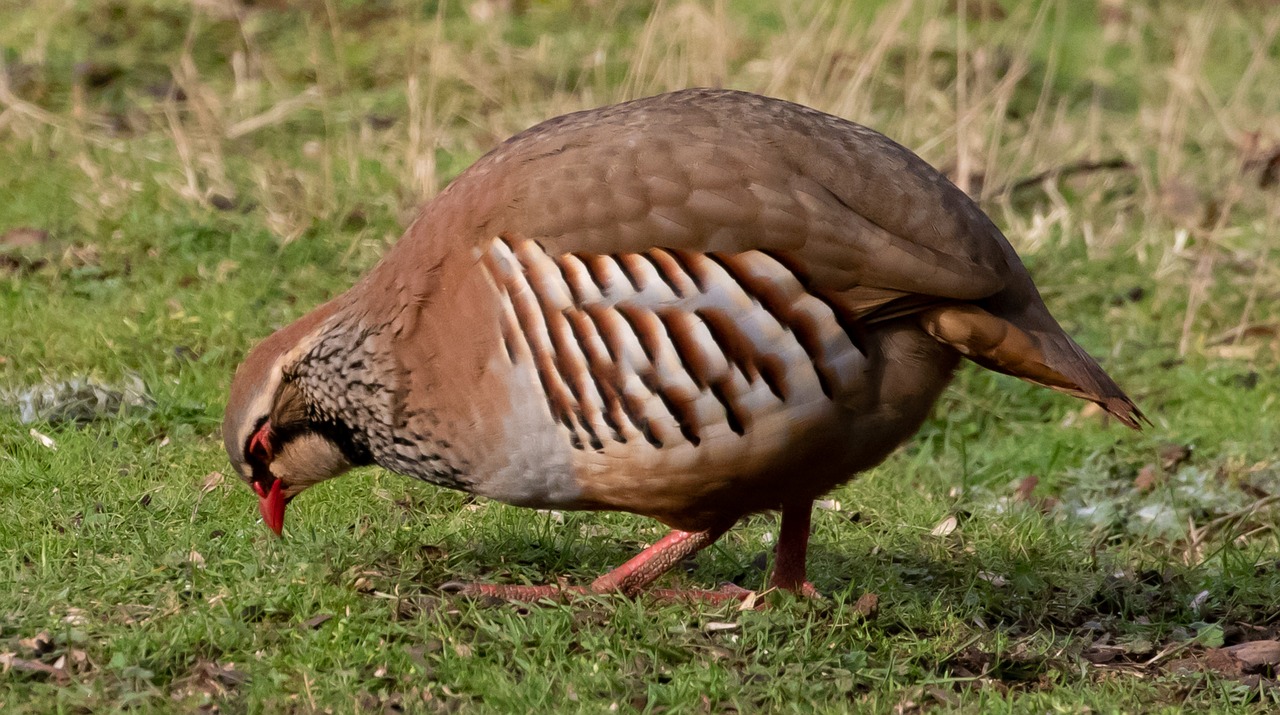
Udzungwa Mountains National Park Tours offers a paradise for birdwatchers with its incredible avian diversity. With over 400 bird species recorded within the park, it is a haven for ornithologists and bird enthusiasts. Among the notable bird species is the Udzungwa forest partridge, a rare and elusive bird known for its vibrant plumage and distinct calls. The Udzungwa akalat is another endemic bird species that can be spotted in the park. This ground-dwelling bird features beautiful brown plumage with unique patterns and is often seen foraging in the leaf litter. From colorful turacos and sunbirds to majestic raptors soaring in the sky, Udzungwa Mountains National Park Tours offers endless bird watching and bird photography opportunities.
Reptiles and Amphibians
Not only is Udzungwa Mountains National Park a home to mammals and birds, it hosts a large number of reptiles and amphibians. As you explore the park’s trails, look for the fascinating reptile and amphibian species that call this region their home. Colorful chameleons can be found perched on branches, displaying their remarkable camouflage and unique ability to change colors. With their vibrant hues, tree frogs are commonly seen in and around the park’s streams and water bodies. The reptiles and amphibians of Udzungwa Mountains National Park add excitement to the overall biodiversity of the area.
Apart from the forest, which acts as a water catchment area and having a large number of endemic species of both animals and plants, the park has spectacular mountain sceneries, grasslands, rocks, rivers and waterfalls. One of the most interesting sights is the presence of two indigenous species of primates, the Iringa red colobus monkey and the Sanje Crested Mangabey, not known until 1979. Apart from providing habitat to about six species of primates, its plateau contains populations of elephants, buffalos, lions, leopards, African hunting dogs and several forest bird species.
Udzungwa Mountains National Park can be visited throughout the year, but the best time to plan your trip is during the dry season, which typically runs from June to October. During this period, the weather is pleasant and the chances of encountering rainfall are minimal. The dry season also offers better wildlife viewing opportunities as animals gather around water sources.
Udzungwa Mountains National Park Tours is famous for its incredible hiking trails, catering to beginners and experienced trekkers. Here are some of the must-visit trails within the park:
Sanje Water falls trail
This Trail is one of the most popular and picturesque trails in Udzungwa Mountains National Park Tours. This trail takes you on a mesmerizing journey to the iconic Sanje Waterfalls, cascading down from the mountains in magnificent tiers. The hike is moderate in difficulty, making it accessible to most visitors. As you go along the trail, you will be treated to breathtaking views of the surrounding landscapes, including lush greenery, mist-covered mountains, and vibrant flora. Once you reach the base of the waterfall, take advantage of the opportunity to take a refreshing dip in the natural pools formed by the cascading water. It’s a rejuvenating experience that will leave you in awe of nature’s beauty.
Mwanihana Peak Trail
For those seeking a more challenging and rewarding hike, the Mwanihana Peak Trail is an excellent choice. This trail takes you to the summit of Mwanihana Peak, the highest point in the Udzungwa Mountains. The hike is a full-day adventure that requires fitness and determination, but the panoramic views at the top make it all worthwhile. As you ascend through the dense forest, you will encounter diverse vegetation, including giant ferns, ancient trees, and colorful wildflowers. Along the way, you will watch a variety of wildlife, such as primates and birds inhabiting higher altitudes. Once you reach the summit, you’ll be greeted with sweeping vistas of the surrounding mountains, valleys, and the vast expanse of the park below. It’s an awe-inspiring experience that showcases the sheer beauty and grandeur of the Udzungwa Mountains.
Prince Bernhard’s Nature Trail
If you are looking for a more leisurely hike that immerses you in the park’s natural wonders, Prince Bernhard’s Nature Trail is here for you. This easy trail winds through the lush forest, offering a peaceful and serene experience. The trail is named after Prince Bernhard of the Netherlands, who played a significant role in the park’s conservation efforts. As you move along the path, you willl have the opportunity to spot diverse bird species, including colorful turacos, elusive forest partridges, and lively hornbills. Keep your eyes open for playful monkeys swinging through the treetops, and if you’re lucky, you may even spot other wildlife, such as antelopes or duikers. The Prince Bernhard’s Nature Trail is a haven for nature lovers, providing ample opportunities to appreciate the park’s biodiversity and marvel at its delicate ecosystems.
Cultural experiences
While Udzungwa Mountains National Park is primarily known for its natural wonders, it also offers unique cultural experiences. The local communities surrounding the park have a rich cultural heritage and traditions worth exploring. Engaging with the locals can provide valuable insights into their way of life, including their farming practices, traditional dances, and handicrafts.
Therefore, whether you are a seasoned trekker or a beginner, the park offers something for everyone.
Udzungwa Mountains National Park Tours FAQs
What is Udzungwa Mountains National Park and why is it special?
Udzungwa Mountains National Park spans 1,990 square kilometers in Tanzania, bordered by the Great Ruaha River to the north with Mikumi National Park and Selous Game Reserve nearby. Established as a national park in 1992 after protection as a forest reserve, it’s one of the few remaining true virgin forested lands globally. The park is distinguished by biologically diverse forests harboring plant species found nowhere else on Earth, from tiny African violets to 30-meter-high trees. Udzungwa contains several endemic primate species including the critically endangered Udzungwa red colobus monkey (vibrant red coats with white hair tufts), Sanje Crested Mangabey (endangered with distinctive crest), and Iringa red colobus monkey (rare species). Over 400 bird species make it a birdwatching paradise. Spectacular mountain scenery, grasslands, rivers, waterfalls, and diverse wildlife including elephants, buffaloes, lions, leopards, and African hunting dogs create a comprehensive ecosystem experience.
Thank you for reading this post, don’t forget to subscribe!
What endemic and unique primate species live in Udzungwa Mountains?
Udzungwa Mountains hosts several primate species found nowhere else, making it unique globally. Udzungwa red colobus monkey is the park’s signature species—critically endangered with striking vibrant red coats and distinctive long white hair tufts. Their vocalizations and social behaviors offer exceptional viewing experiences. Sanje Crested Mangabey is an endangered species characterized by black fur, distinctive head crest, and long tail, inhabiting higher forest areas. Iringa red colobus monkey is a rare primate species with reddish-brown coats and unique vocalizations unknown to science until 1979. The park provides habitat for approximately six primate species total, making primate spotting a primary safari focus. These endemic species demonstrate Udzungwa’s conservation significance and biodiversity importance. Encountering these rare primates in natural habitats provides exceptional and transformative wildlife experiences unavailable elsewhere, making Udzungwa essential for primate enthusiasts and wildlife photographers.
Thank you for reading this post, don’t forget to subscribe!
What bird species can I see in Udzungwa Mountains National Park?
Udzungwa Mountains is a birdwatching paradise with over 400 recorded bird species offering endless ornithological opportunities. Endemic species include the Udzungwa forest partridge (rare, elusive with vibrant plumage and distinct calls) and Udzungwa akalat (ground-dwelling with beautiful brown plumage and unique patterns, often foraging in leaf litter). Colorful species include turacos and sunbirds displaying vibrant hues. Raptors soar majestically through forest skies. Forest birds include colorful hornbills and various woodland species. Water-associated birds frequent streams and water bodies. The park’s varied altitudes and forest habitats support diverse species from ground-dwellers to canopy residents. Early morning bird walks offer peak viewing opportunities. The 400+ species make Udzungwa among East Africa’s premier birdwatching destinations, appealing to casual enthusiasts and expert ornithologists. Bird photography opportunities abound with unique species and behaviors unavailable elsewhere.
Thank you for reading this post, don’t forget to subscribe!
What are the main hiking trails in Udzungwa Mountains National Park?
Sanje Waterfalls Trail is the most popular and picturesque moderate-difficulty hike leading to iconic Sanje Waterfalls cascading down mountains in magnificent tiers. The journey treats hikers to breathtaking landscape views including lush greenery, mist-covered mountains, and vibrant flora. Reaching the waterfall base offers refreshing natural pool swimming opportunities providing rejuvenating experiences. Mwanihana Peak Trail is a challenging full-day adventure to the Udzungwa Mountains’ highest point, requiring fitness and determination. The ascent through dense forest encounters giant ferns, ancient trees, and colorful wildflowers. Wildlife observations include primates and high-altitude birds. Summit rewards include sweeping vistas of surrounding mountains, valleys, and vast park expanses showcasing sheer beauty and grandeur. Prince Bernhard’s Nature Trail is an easy leisurely forest hike honoring the Prince’s conservation contributions. The serene path offers diverse bird spotting (turacos, forest partridges, hornbills), monkey viewing, and antelope/duiker opportunities. Each trail caters to different fitness levels and interests.
Thank you for reading this post, don’t forget to subscribe!
What other wildlife besides primates and birds inhabits Udzungwa?
Beyond primates and birds, Udzungwa supports diverse fauna including large mammals: elephants, buffalo, lions, leopards, and African hunting dogs provide comprehensive mammal viewing. Reptiles include fascinating colorful chameleons displaying remarkable camouflage and color-changing abilities perched on branches. Amphibians feature vibrant tree frogs commonly seen in streams and water bodies with remarkable hues. Forest fauna includes various antelope species, duikers, and smaller mammals. Aquatic species inhabit rivers and waterfalls. The park’s plateau contains significant wildlife populations despite its forest-dominated landscape. Forest and grassland ecosystems support varied habitat-specific species. The combination of endemic primates, 400+ bird species, reptiles, amphibians, and large mammals creates unmatched biodiversity experiences. Each ecosystem layer—canopy to forest floor to water bodies—supports distinct species ensuring continuous wildlife encounters. This comprehensive fauna diversity makes Udzungwa distinctive among East African parks.
Thank you for reading this post, don’t forget to subscribe!
When is the best time to visit Udzungwa Mountains National Park?
The best time to visit is during the dry season running June to October when weather is pleasant and rainfall is minimal. Dry season offers significantly better wildlife viewing opportunities as animals concentrate around water sources making encounters easier. Trail conditions improve substantially with less mud and improved accessibility. Bird watching is excellent year-round but particularly productive during dry season when forest canopy opens slightly. Hiking conditions are ideal during dry season with dry trails reducing slipping hazards and difficulty. Waterfall viewing remains spectacular throughout the year but water volume peaks after rainy seasons. The park is visitable year-round though wet seasons (November-May) present challenging muddy conditions and increased rainfall. Dry season provides the most comfortable, productive experiences for trekking, wildlife viewing, and general exploration. Nature Nest Safaris helps determine optimal timing based on your interests and preferences.
Thank you for reading this post, don’t forget to subscribe!
What makes Sanje Waterfalls Trail special?
Sanje Waterfalls Trail is Udzungwa’s most popular and picturesque hiking route featuring moderate difficulty accessible to most visitors. The mesmerizing journey leads to iconic Sanje Waterfalls cascading down mountains in magnificent tiers creating spectacular visual impact. The hike showcases breathtaking surrounding landscapes including lush greenery, mist-covered mountains, vibrant flora, and forest biodiversity. The trail provides excellent opportunities for wildlife spotting including primates, birds, and smaller forest creatures. Photographers capture stunning waterfall and landscape imagery throughout the journey. Upon reaching the waterfall base, visitors find natural pools formed by cascading water offering refreshing swimming opportunities. Swimming in natural mountain pools provides rejuvenating experiences and intimate nature connection. The combination of spectacular scenery, moderate difficulty, wildlife opportunities, and swimming experiences makes Sanje Waterfalls Trail the park’s flagship hike, perfectly balancing adventure with accessibility for diverse fitness levels.
Thank you for reading this post, don’t forget to subscribe!
What is Mwanihana Peak Trail and who should attempt it?
Mwanihana Peak Trail is a challenging full-day adventure ascending to Mwanihana Peak, the Udzungwa Mountains’ highest point, requiring substantial fitness and determination. The demanding hike suits experienced trekkers seeking significant physical challenges and major rewards. The ascent through dense forest encounters giant ferns, ancient trees, and colorful wildflowers providing botanical interest. En route, hikers observe diverse higher-altitude wildlife including primates and specialized bird species inhabiting mountain elevations. The full-day commitment ensures comprehensive forest immersion and wildlife opportunities unavailable on shorter hikes. Summit panoramic views showcase sweeping vistas of surrounding mountains, valleys, and vast park expanses below, providing awe-inspiring perspectives justifying the physical demands. The sheer beauty and grandeur revealed at the summit creates transformative wilderness experiences and lasting memories. This trail suits adventurous travelers with good fitness seeking major accomplishments and comprehensive Udzungwa experiences beyond casual day hikes.
Thank you for reading this post, don’t forget to subscribe!
What is Prince Bernhard's Nature Trail and why is it named after him?
Prince Bernhard’s Nature Trail is an easy leisurely forest hike perfect for nature lovers seeking peaceful, serene experiences without extreme physical demands. The trail winds through lush forest providing immersive natural environment exploration at comfortable pace. The trail is named after Prince Bernhard of the Netherlands, who played a significant historical role in Udzungwa Mountains National Park’s conservation efforts. His conservation legacy is honored through this accessible trail enabling diverse visitors to enjoy park wonders. The easy route allows comprehensive bird spotting including colorful turacos, elusive forest partridges, and lively hornbills. Playful monkeys swinging through treetops provide primate viewing opportunities. Visitors may spot antelopes, duikers, and other wildlife within forest ecosystem. The trail is ideal for photographers, nature photographers, and those seeking leisurely forest immersion rather than strenuous climbing. Prince Bernhard’s Nature Trail provides excellent opportunities for all fitness levels to appreciate park biodiversity and delicate ecosystems through gentle exploration honoring conservation heritage.
Thank you for reading this post, don’t forget to subscribe!
What cultural experiences are available around Udzungwa Mountains National Park?
Udzungwa Mountains offer unique cultural experiences beyond natural wonders through local communities surrounding the park possessing rich cultural heritage and traditions. Local community engagement provides valuable insights into traditional ways of life including farming practices adapted to mountain environments. Traditional dances showcase cultural expressions and artistic heritage of local populations. Handicrafts demonstrate artisanal skills and traditional production methods reflecting cultural identity. Village visits enable direct interaction with community members sharing stories, knowledge, and daily life experiences. Local cuisine provides authentic cultural food experiences reflecting regional traditions and ingredients. Community-based tourism projects support local economies while enabling visitor cultural immersion. These cultural experiences complement natural exploration creating a comprehensive understanding of the Udzungwa region including both the environment and people. Combining wildlife and hiking adventures with cultural immersion provides holistic travel experiences enriching appreciation of the park’s ecological and human dimensions.
Thank you for reading this post, don’t forget to subscribe!
Can Udzungwa Mountains be combined with other Tanzania destinations?
Absolutely. Udzungwa’s location enables strategic multi-park combinations for comprehensive Tanzania wildlife and nature experiences. Selous Game Reserve (nearby to the east) offers traditional safari wildlife viewing with Big Five and water-based activities complementing Udzungwa’s mountain and forest focus. Mikumi National Park (nearby to the north) provides additional wildlife viewing opportunities with diverse ecosystems. Serengeti and Ngorongoro (further north) enable Great Migration witnessing and crater wildlife viewing for comprehensive Tanzania safaris. Zanzibar extension adds beach and island experiences following mountain adventures. Mount Kilimanjaro trekking (similar mountain experience in northern Tanzania) can precede or follow Udzungwa. Multi-destination itineraries maximize Tanzania’s diverse ecosystems from mountains to forests to savannahs to beaches. Udzungwa serves well as specialized nature/hiking destination within broader Tanzania safari circuits. Nature Nest Safaris designs customized multi-park packages combining Udzungwa mountain trekking with preferred complementary destinations creating comprehensive Tanzania adventures.
Thank you for reading this post, don’t forget to subscribe!