Thank you for reading this post, don’t forget to subscribe!
2 DAYS GORILLA TREKKING SAFARI EXPERIENCE:
Day 1. Arrive in Kigali and transfer to Bwindi national park
Pick up for gorilla trekking safari from Kigali by our guide and drive to Uganda via the Cyanika border, the journey will take three to four hours from Kigali to Uganda. From the border, you will enjoy the relaxing and scenic drive in Uganda, beautiful views with deep valleys and winding roads as you proceed to Bwindi’s impenetrable forest, dinner, and overnight at Lake mutanda lake resort. At night you will be entertained by the local Ugandas at the lodge before sleep.
Day 2 Gorilla trekking and transfer back to Kigali
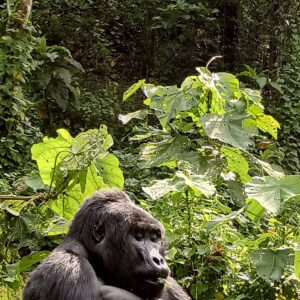
Have an early morning breakfast together with packed lunch, the driver will pick you up from the lodge and leave for a briefing about the do’s and don’ts of gorillas by the experienced park headquarters park ranger, you will register and get allocated your gorilla family, and the trekking will take 4-5 hours. You will be allowed only one hour of photography and observing mountain gorillas as they go about with their daily activities and then trek back to the park headquarters for your certificates. You will then drive back to Kigali through the Chanika border for your international departure flight.
Gorilla trekking activities can be done any time of the year because they are always available in Uganda in different two national parks making the national park and Bwindi impenetrable national park. Most tourists consider the dry season for gorilla trekking because the parks are dry in Uganda. the common month known are June to September and November to December. It makes the trekking very simple and you will see the gorilla. enjoy the adventure of the tropical forest of Africa for a Gorilla trekking safari in their natural habitat.
End of tour
The gorilla trekking safari includes
- Gorilla trekking permit
- Ground transport
- park vehicle entry
- Lunch
- Food
2 Days Gorilla Trekking Safari – Rwanda/Uganda FAQs
What makes gorilla trekking in Uganda/Rwanda a must-do adventure?
Mountain gorillas are critically endangered with only ~1,300 remaining globally. Uganda hosts half the population (~400 in Bwindi, ~100 in Mgahinga), Rwanda hosts ~600 in Volcanoes National Park. Gorilla trekking offers intimate encounters with these intelligent primates in pristine habitats. It’s a once-in-a-lifetime transformative experience connecting you with our closest living relatives while supporting critical conservation efforts protecting endangered species.
Thank you for reading this post, don’t forget to subscribe!
What is the difference between Uganda and Rwanda gorilla trekking?
Uganda: Lower permits ($700-$800), 8-10 hour drive from Entebbe, denser forests, deeper gorilla locations, four trekking sectors. Rwanda: Higher permits ($1,500), 2-3 hour drive from Kigali, open terrain, closer gorilla encounters, easier photography. Both offer exceptional experiences. Choose Uganda for budget-friendly adventure and diverse ecosystems, Rwanda for accessibility and convenience from Kigali.
Thank you for reading this post, don’t forget to subscribe!
What should I pack for gorilla trekking?
Essential items: sturdy waterproof hiking boots, long-sleeved shirts and trousers, lightweight rain jacket, comfortable backpack, binoculars, camera (no flash), insect repellent, sun protection (hat, sunscreen), water bottle, walking poles. Wear neutral earth tones. Gaiters protect legs from mud. Proper packing ensures comfort, safety, and optimal trekking experience through challenging forest terrain.
Thank you for reading this post, don’t forget to subscribe!
What is the best time for gorilla trekking?
Dry seasons (June-October, December-February) offer optimal conditions: less mud, better trail access, concentrated wildlife around water sources. Temperatures remain moderate. Wet seasons (March-May, September-November) feature muddy trails but fewer tourists, lush landscapes, and exceptional bird watching. Both seasons enable gorilla viewing since gorillas remain habituated year-round. Choose dry season for comfort, wet season for solitude and birding.
Thank you for reading this post, don’t forget to subscribe!
How much does gorilla trekking cost?
Uganda permits: $700 (residents) to $800 (non-residents). Rwanda permits: $1,500 per person. Additional costs include accommodation ($50-$300+ per night), transportation, meals, and porter services ($15-$20). Total packages range $1,500-$5,000+ depending on duration and accommodation level. Nature Nest Safaris provides customized quotes matching your budget preferences.
Thank you for reading this post, don’t forget to subscribe!
What are the gorilla trekking rules and guidelines?
Maintain 7 meters (21 feet) minimum distance from gorillas. Use quiet voices, no sudden movements. No flash photography. Follow ranger instructions strictly. Individuals with contagious illnesses should postpone disease transmission. Spend a maximum one hour with gorillas. Pack out all the trash. Respect family dynamics without interference. These guidelines protect gorillas, visitors, and tourism sustainability.
Thank you for reading this post, don’t forget to subscribe!
How physically demanding is gorilla trekking?
Gorilla trekking requires moderate to good fitness. Hiking involves 4-5 (sometimes up to 8) hours on steep, muddy, uneven forest terrain at elevation. Prior fitness preparation (hiking, stair climbing, cardio) is beneficial. Walking poles reduce joint strain. Those with mobility concerns should discuss feasibility with healthcare providers. Determination and gorilla enthusiasm often overcome physical limitations.
Thank you for reading this post, don’t forget to subscribe!
Can children participate in gorilla trekking?
Most operators require a minimum age 15-16 years for gorilla trekking due to physical demands (4-8 hour forest hikes, steep terrain, altitude). Some allow younger children with special permission and exceptional fitness. Discuss age requirements and individual fitness with tour operators before booking. Family-friendly alternatives include general wildlife viewing, easier nature walks, and cultural experiences.
Thank you for reading this post, don’t forget to subscribe!
What wildlife besides gorillas will I see?
Beyond gorillas, you’ll encounter Colobus monkeys, various monkey species, forest elephants, buffaloes, antelopes, and 350+ bird species. Reptiles include snakes and chameleons. Smaller mammals include bushbucks, duikers, and nocturnal creatures. Forest ecosystems support extraordinary biodiversity. While gorillas are the primary focus, surrounding wildlife ensures continuous natural history discoveries enriching your experience.
Thank you for reading this post, don’t forget to subscribe!
How do gorilla safaris support conservation?
Gorilla permit fees directly fund anti-poaching operations, habitat protection, and scientific research. Tourism employment creates economic incentives for conservation over poaching. Surrounding communities benefit through tourism revenue. These financial mechanisms protect endangered species while supporting local development. By choosing responsible operators and visiting during sustainable seasons, you directly contribute to gorilla survival and regional conservation efforts.
Thank you for reading this post, don’t forget to subscribe!