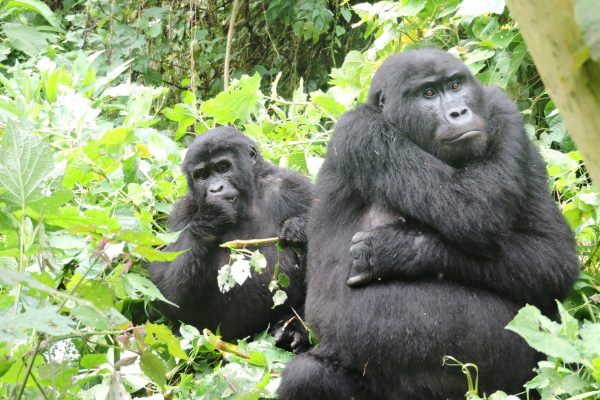
4 Days Double Gorilla Trekking in Uganda Safari starts from Kigali and ends there: It is designed to enable visitors who are most likely living around Rwanda to gain experience of the gorilla way of life within Volcanoes National Park
Gorilla Trekking in Bwindi Impenetrable Forest: An In-Depth Guide
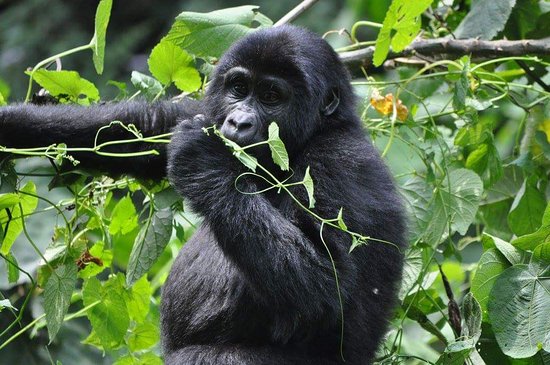
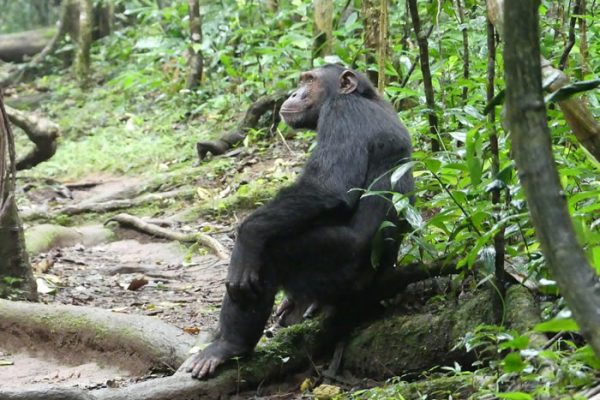
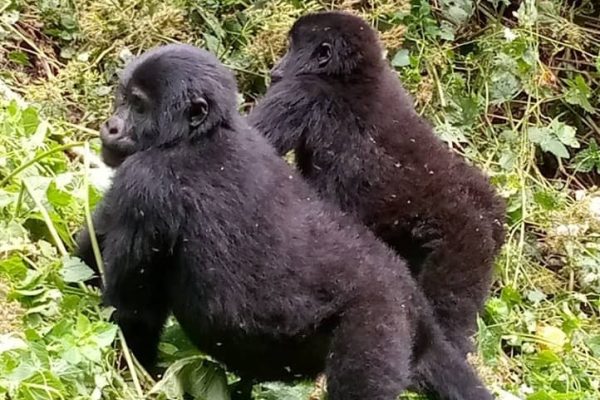
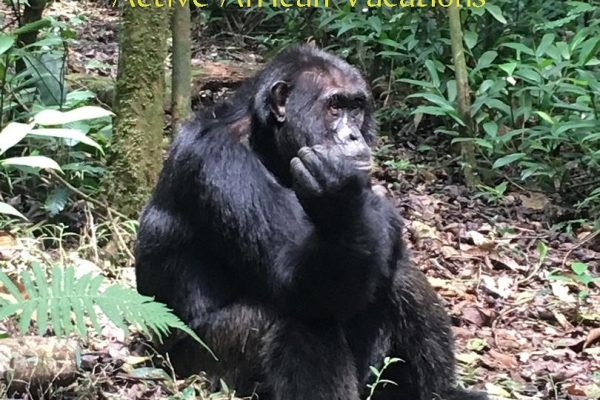
Gorilla trekking in Bwindi Impenetrable Forest is one of the most extraordinary wildlife experiences available today. Situated in southwestern Uganda, this UNESCO World Heritage site offers a rare opportunity to observe the endangered mountain gorillas in their natural habitat. With its lush forests, diverse wildlife, and breathtaking landscapes, Bwindi provides an unforgettable adventure for nature enthusiasts and wildlife lovers alike.
Overview of Bwindi Impenetrable Forest
Bwindi Impenetrable Forest is a tropical rainforest that spans approximately 321 square kilometers. It is located on the edge of the Albertine Rift, a key biodiversity hotspot in East Africa. This ancient forest is home to more than 120 species of mammals, including nearly half of the world’s remaining mountain gorilla population. Bwindi’s rich biodiversity also includes over 350 species of birds, numerous butterflies, and a variety of plant species.
Gorilla Trekking Experience
Gorilla trekking is a thrilling and immersive adventure. Here’s what you can expect:
- Preparation: Treks typically start early in the morning. You’ll be briefed on the trek, the gorillas, and the guidelines for interacting with them. It’s crucial to listen carefully to the instructions given by the guides and rangers.
- The Trek: The trek involves hiking through dense forest vegetation, often navigating through muddy and uneven terrain. The time it takes to find the gorillas can vary from one to eight hours, depending on their location. The trek can be physically demanding, with steep climbs and occasional river crossings.
- Encountering the Gorillas: Once the gorillas are located, you’ll have a limited amount of time, usually about one hour, to observe and photograph them. This time is precious and provides an opportunity to witness the gorillas in their natural behavior—playing, feeding, and interacting with each other.
- Duration and Difficulty: The duration of the trek can be influenced by the location of the gorillas and the terrain. Some treks are relatively easy, while others can be quite challenging. It’s advisable to be in good physical condition and prepared for varying weather conditions.
Key Locations for Gorilla Trekking in Bwindi
Bwindi Impenetrable Forest is divided into several sectors, each offering a unique trekking experience:
- Buhoma Sector: Located in the northern part of the park, Buhoma is known for its lush, verdant trails and relatively easier treks. It’s a great starting point for first-time trekkers.
- Ruhija Sector: Situated in the eastern part of the park, Ruhija offers a range of trekking difficulties. The sector is less crowded, providing a more secluded experience. The terrain here is more challenging, but the rewards are significant.
- Nkuringo Sector: Found in the southwestern part of Bwindi, Nkuringo is known for its steep trails and spectacular views. The trekking here is more strenuous, but the chance to see the gorillas in a dramatic setting is worth the effort.
- Rushaga Sector: Located in the southern part of the park, Rushaga is known for its relatively easier treks and high success rate in locating the gorillas. This sector also provides a chance to see gorillas in an area with less dense vegetation.
Permits and Costs
Gorilla trekking requires a permit, which is essential for entering the park and participating in the trek. Here’s what you need to know:
- Permit Cost: As of now, the cost for a gorilla trekking permit is $700 per person. This price can vary, so it’s important to check for the latest updates from the Uganda Wildlife Authority or authorized tour operators.
- What’s Included: The permit covers park entry fees, the guided trek, and the services of a ranger. It’s a crucial component of gorilla conservation efforts, as the fees help fund the protection of the gorillas and their habitat.
- Booking: Permits should be booked well in advance, as they are limited and can sell out quickly, especially during peak tourist seasons. You can book through the Uganda Wildlife Authority or a reputable tour operator.
Regulations and Guidelines
To ensure a safe and respectful encounter with the gorillas, several regulations and guidelines must be followed:
- Age Limit: Trekkers must be at least 15 years old. This age limit is in place to ensure that participants are mature enough to handle the trek and adhere to the guidelines.
- Health Requirements: It’s important to be in good health before embarking on a trek. Trekkers with contagious illnesses, such as flu or colds, are advised not to participate to prevent the spread of diseases to the gorillas.
- Behavior: Maintain a distance of at least 7 meters (21 feet) from the gorillas. Avoid making loud noises, sudden movements, or any behavior that could disturb the animals. This distance helps protect both the gorillas and visitors.
- Photography: Photography is allowed, but ensure you use a camera without a flash to avoid startling the gorillas. Follow the guide’s instructions to ensure that your actions do not disrupt the gorillas.
Tips for a Successful Trek
To make the most of your gorilla trekking experience, consider these tips:
- Wear Appropriate Gear: Sturdy hiking boots, long-sleeve shirts, and rain gear are essential. The forest can be wet and muddy, so waterproof clothing and footwear are highly recommended.
- Bring Essentials: Pack a waterproof bag for your belongings, insect repellent to ward off bugs, and plenty of water to stay hydrated. Binoculars and a camera with a zoom lens can enhance your viewing experience.
- Fitness Preparation: Engage in regular physical exercise to prepare for the trek. Hiking, climbing stairs, and cardio workouts can help build the stamina needed for the trek.
- Respect the Environment: Follow the Leave No Trace principles to minimize your impact on the environment. This includes packing out all trash and avoiding disturbances to the wildlife and vegetation.
Additional Attractions and Activities
Besides gorilla trekking in Bwindi Impenetrable Forest and its surroundings offer a range of additional activities:
- Community Visits: Engage with local Batwa communities to learn about their traditional lifestyles and conservation efforts. These visits provide insight into the cultural heritage of the region and support local communities.
- Other Wildlife Viewing: The forest is home to a variety of wildlife, including other primates, birds, and butterflies. Explore the park’s diverse ecosystem and spot other fascinating species.
- Local Accommodation: Accommodation options near Bwindi vary from luxury lodges to budget-friendly guesthouses. Staying at a lodge or camp provides a comfortable base for your gorilla trekking adventure and often includes guided forest walks and cultural experiences.
Conclusion
Gorilla trekking in Bwindi Impenetrable Forest is a once-in-a-lifetime adventure that offers an intimate and awe-inspiring encounter with mountain gorillas. By preparing adequately and respecting the environment, you’ll contribute to the conservation of these magnificent animals while enjoying one of the most remarkable wildlife experiences in the world. Whether you’re trekking through lush forests or engaging with local communities, Bwindi provides an unforgettable adventure that will stay with you long after your visit.
Where to go for Gorilla Trekking (Uganda versus Rwanda)
Gorilla trekking in Uganda are majorly done at two national parks located in western Uganda that is Bwindi Impenetrable National Park and Mgahinga Gorilla National Park. Uganda’s Bwindi Impenetrable Forest is a home to the highest concentration of primates on earth. Around 10 habituated gorilla families can be found in Bwindi National Park, with each group limited to a maximum of 8 visitors per day.
The gorillas are constantly on the move, so it is hard to narrow down just one area in which to track them. As a result, the total time you spend gorilla trekking can be anything from half an hour to nine hours. Mgahinga National Park is another option for gorilla trekking in Uganda, although the park’s small size means the gorilla family residing here is slightly more elusive.
Mgahinga spreads across three inactive volcanoes – Sabyinyo, Gahinga and Muhabura – making its 34 square kilometer landscape incredibly dramatic. Because it can be slightly more difficult to find the gorilla family at Mgahinga, it’s great to spend your time here doing a few other things as well, such as hiking one of the three volcanoes or connecting with the indigenous Batwa tribe.
In Rwanda Gorilla trekking is carried mainly in volcanoes national park whose gorillas are the mostly wholly habituated and often found in bamboo than the dense forest which makes photographing easier. Volcanoes National Park is Rwanda’s preferred destination for gorilla sightings, with the region’s gentle slopes and open bush catering to all types of travelers.
Volcanoes National Park was given its name by virtue of the fact that it’s the home to five of the eight volcanoes in the Virunga Mountains Combined with blanketed rainforest, open grassland and small lakes, the landscapes across Volcanoes National Park are worth visiting.
- Ease of Securing Gorilla Permits
The Uganda Gorilla trekking Permit costs $700 Us Dollars while the Rwanda Gorilla trekking permits cost $1500 Us Dollars. Therefore while planning your gorilla trek, you should choose the destination whose gorilla trekking permit fits in your travel budget.
However, in Uganda you need 8 hours to drive from Entebbe Airport and another 8 hours back to the airport. This would mean at least two days to complete your gorilla tour, even though the Uganda gorillas permits are cheaper, you would incur a transport cost of about $500-$600. In Rwanda it’s a 2 hours drive from Kigali Airport to volcanoes national park making short and cheap in transport wise.
- Accessibility to Gorilla Parks
Volcanoes National Park in Rwanda is considerably more accessible than Bwindi Impenetrable National Park in Uganda. The drive from Rwanda’s capital city, Kigali, to Volcanoes National Park takes up to 3 hours on a good road. The drive from Entebbe, Uganda’s gateway for most visitors, to Bwindi Impenetrable forest takes between 8 and 10 hours.
While there is only one starting point for gorilla treks in Rwanda, there are four different trail heads in Bwindi Impenetrable National Park, the long drive to Bwindi impenetrable national park is endowed with great sceneries all through like the Equator, lake Mburo national park, abundant wildlife, terraced mountains with flowing rivers things which do not exist on the Kigali drive to the volcanoes National Park.
- More Incentives
In Uganda the people are friendly – and welcoming others is an important part of Ugandan culture. Uganda has beautiful scenery and interesting terrain with parks like the Kidepo Valley that are home to the striped aardwolf, caracal, cheetah and kudu in the grasslands of the savannah; and of course, the gorillas of the misty Bwindi plains. There are also many vibrant markets like the Nakasero and Owino markets in Kampala offering fresh produce and clothing.
Rwanda is such a clean country – there simply is no litter anywhere. Both the cities and the rural areas are spotless. By law, everybody goes into their community once a month to pick up any litter. Plastic bags have been banned, and there are many re-forestation programs in the country.
The Rwandan people are friendly, welcoming and warm. They’re still mourning the horrific genocide in 1994. A visit to the Genocide Museum in Kigali is extremely emotional but, in my opinion, extremely important to understand the country. This is a proud nation – and so they should be.
- Where to Stay
There are good accommodation options for gorilla trekking in Uganda and Rwanda. Rwanda has perhaps more choice in top-end luxury lodges, while Uganda has a few more mid-range options. Several lodges in Uganda border the park and have a true forest feel, while in Rwanda many lodges have mountain and/or lake views, but most are a bit farther away from the forest boundary.
- Gorilla Trekking
Uganda has more habituated mountain gorillas and so admits more trekkers per day. About 80 people a day are allowed to visit Uganda’s gorillas. In Rwanda, the number of daily visitors is about 56.The trekking itself is generally more challenging in Bwindi Impenetrable Forest (Uganda) given that the gorillas are more tucked away and after viewing the gorillas you often have to ascend steep slopes out of the forests.
In Rwanda some of the gorilla groups are often found closer to the park entrance, requiring a shorter hike. In Uganda the gorillas tend to be found deeper in the forest in groups of between 10 and 20, with at least one silverback. In Rwanda groups range between 9 and 39 gorillas including at least one silverback
- Safety and Security
The Volcanoes National Park in Rwanda can be visited safely, is well managed and has a permit system that is functioning efficiently. Uganda has also been very safe since their political war that ended in 1986.Bwindi forest is very safe and they also have an efficiently functioning permit system.
Gorilla groups in Uganda
Ruhija sector
Ruhija sector is located in the Eastern part of Bwindi impenetrable national park with 3 gorilla families. The gorilla families include Bitukuru, Oruzogo, and Kyaguliro, and each family is only allowed to be visited by a maximum number of 8 visitors a day.
A gorilla trekking permit in the Ruhija sector currently costs USD 800 for foreign non-residents, USD 700 for foreign residents, and 300,000 Uganda shillings for East African residents making it a total of 24 permits per day. A traveller is allowed to choose any gorilla family he/ she wants to visit depending on the availability of permits. All permits are booked from Uganda wildlife Authority 3 months in advance.
On your visit to the Ruhija sector, visit and support the community-based projects run by the local people like basket weaving, and crafts among others, and also the tourists can take part in the activities to feel part of the community.
Ruhija sector is also the best spot for bird watching which is home to almost 23 bird endemic species and is recognized as an important bird area. Nature walks through the forest can also be an adventurous feeling that one cannot miss when you trek gorillas in the Ruhija sector where you expect to meet many wild animals and the sounds of birds singing.
Ruhija sector has also many accommodation facilities that cater to all categories of visitors including luxurious, midrange, and budget accommodations. The most commonly known lodges are Gorilla mist camp, Bakiga lodge, Trekkers Tavern lodge, and Agandi lodge among others which assures travellers of comfortable lodging services.
Rushaga sector
Apart from gorilla trekking, the Rushaga sector offers other tour experiences to the travellers like the Batwa community tour, and Lake Mutanda exploration among others.
Rushaga sector has a variety of accommodations depending on travellers’ budgets that the travellers can enjoy. Some of the lodges in the Rushaga sector include Chameleon Hill lodge, Gorilla safari lodge, Lake Mutanda resort, Rushaga Gorilla Havens Lodge, Rushaga gorilla camp, Ichumbi gorilla lodge, Bwindi valley lodge
Nkuringo sector
Nkuringo sector is situated in the southern part of Bwindi impenetrable National Park known for gorilla trekking with 2 gorilla families that have been habituated to prepare them for the trekking process. The commonly known Nkuringo family which has existed since 2009 headed by Bahati the silverback separated itself from the Nshongi family of Rushaga and the recently habituated family Christmas.
Apart from gorilla trekking, the Nkuringo sector is also good for nature walks which are normally done early morning and evening as you enjoy the calm environment and also meet more wild animals like baboons, and monkeys among others.
Bird watching is also another activity that you cannot miss on trekking gorillas in Nkuringo as you hear the beautiful melodies of singing birds.
Travellers can visit the Batwa and Bakiga communities and learn more about their traditional lifestyles and cultures, their traditional dances, songs, and poems welcoming visitors to the community.
From Entebbe Airport, the Nkuringo sector can be accessed via Kabale-Kisoro to Nkuringo in 8-9 hours drive by road transport means or you can use air transport means 2 hours to Kisoro district.
Nkuringo sector has excellent accommodation facilities depending on the budget and interests of the travellers including Clouds mountain lodge, Nkuringo Bwindi Gorilla Lodge, and Nkuringo Gorilla campsite with excellent staff with good customer care.
Gorilla Trekking Tours FAQs
What are the main differences between Uganda and Rwanda gorilla trekking?
Uganda and Rwanda both offer exceptional gorilla trekking but differ significantly. Uganda permits cost $700-$800 versus Rwanda’s $1,500, making Uganda more budget-friendly. Uganda admits 80 trekkers daily versus Rwanda’s 56. Uganda has four Bwindi trekking sectors providing diverse experiences, while Rwanda has one Volcanoes National Park entry point. Rwanda offers easier 3-hour access from Kigali with open terrain making photography simpler, while Uganda requires 8-10 hours from Entebbe with dense forest trekking. Uganda’s gorillas are deeper in forests in groups of 10-20, while Rwanda’s groups (9-39 gorillas) are often closer to park entrances. Both are safe and well-managed with unique cultural and scenic advantages.
How much does gorilla trekking cost in Uganda?
Gorilla trekking permits in Uganda cost $700 for foreign residents and $800 for non-residents, supporting conservation efforts. Additional costs include accommodation (budget to luxury lodges), transportation from Entebbe (8-10 hours, approximately $500-$600), meals, and porter services ($15-$20). Total costs vary based on accommodation choices and trip duration. Rwanda permits cost $1,500, but shorter transport from Kigali (3 hours, cheaper) can offset higher permit costs. Budget for complete Uganda gorilla trekking ranges from $1,500-$4,000+ depending on accommodation and activities. Nature Nest Safaris provides detailed quotes customized to your budget preferences.
What is the Bwindi Impenetrable Forest and why is it special?
Bwindi Impenetrable Forest is a UNESCO World Heritage Site spanning 321 square kilometers in southwestern Uganda on the Albertine Rift, a key biodiversity hotspot. It’s home to nearly half the world’s remaining mountain gorilla population with 10 habituated gorilla families. The forest contains over 120 mammal species, 350+ bird species, numerous butterflies, and diverse plant species. Divided into four sectors (Buhoma, Ruhija, Nkuringo, Rushaga), it offers varied trekking experiences from easy to strenuous. The forest’s ancient ecosystem, dramatic landscapes, and high primate concentration make it Earth’s highest concentration of primates. Bwindi provides unforgettable wildlife encounters combined with cultural immersion with local Batwa communities.
What are the four trekking sectors in Bwindi and their characteristics?
Buhoma (northern sector): Lush, verdant trails with relatively easier treks, ideal for first-time trekkers with good accommodation options. Ruhija (eastern sector): Less crowded, more challenging terrain with rewarding views, excellent for birdwatching with 23 endemic species and community-based tourism projects. Nkuringo (southwestern sector): Steep trails with spectacular views, strenuous trekking offering dramatic gorilla encounters, good for nature walks and bird watching. Rushaga (southern sector): Relatively easier treks with high gorilla-finding success rates, less dense vegetation, offering Batwa community tours and Lake Mutanda exploration. Each sector accommodates 8 visitors maximum per gorilla family daily, ensuring intimate experiences and minimal environmental impact.
How long does a gorilla trek typically take?
Gorilla trekking duration varies significantly based on gorilla location, terrain, and sector difficulty. Trek duration ranges from half an hour to nine hours of hiking, with one to eight hours being typical. Once gorillas are located, visitors spend approximately one hour observing them in natural behavior. Terrain varies from relatively easy to physically demanding with steep climbs, muddy paths, and occasional river crossings. Full-day treks include early morning briefing (usually 6-7 AM start), the trek itself, gorilla encounter time, and return journey. Factors affecting duration include gorilla movement patterns, weather conditions, visitor fitness levels, and selected sector difficulty. Prepare for varying physical demands and unpredictable forest conditions.
What are the age and health requirements for gorilla trekking?
Trekkers must be at least 15 years old to participate in gorilla treks, ensuring participants can handle physical demands and adhere to safety guidelines. Good general health is essential due to trekking’s physical demands. Individuals with contagious illnesses (flu, colds) should not participate to prevent disease transmission to gorillas. Pre-trek fitness preparation including hiking, stair climbing, and cardio workouts is highly recommended. Pregnant women should consult healthcare providers before trekking. Those with heart conditions, severe joint problems, or mobility limitations should discuss suitability with tour operators. Medical clearance is advisable for individuals with chronic conditions. Proper physical preparation and health assessment ensure safe, enjoyable experiences for all participants.
What guidelines must I follow while with the gorillas?
Maintain at least 7 meters (21 feet) distance from gorillas at all times for both gorilla and visitor safety. Avoid loud noises, sudden movements, or disruptive behavior. Photography is permitted without flash to avoid startling animals. Follow guide instructions strictly regarding positioning and behavior. Respect gorilla family dynamics and observe natural feeding, playing, and social interactions without interference. No touching, offering food, or attempting to interact directly with gorillas. Keep voices quiet and movements deliberate. If a gorilla approaches, remain calm and let the guide direct your actions. These guidelines protect vulnerable mountain gorillas while ensuring visitor safety and maximize observation quality during precious encounter time.
What are the benefits of Uganda gorilla trekking compared to Rwanda?
Uganda offers significantly lower permit costs ($700-$800 vs. Rwanda’s $1,500), reducing overall trip expenses. More habituated gorilla families (10 vs. Rwanda’s fewer) admit more daily trekkers (80 vs. 56), providing better permit availability. Four trekking sectors offer diverse experiences and landscapes varying from easy to challenging. Stunning scenic drives from Entebbe feature the Equator, Lake Mburo National Park, terraced mountains, and flowing rivers. Strong Ugandan hospitality and culture provides welcoming community experiences. Multiple accommodation options across budget ranges. Access to additional attractions like Kidepo Valley (cheetahs, caracals, aardwolves). Diverse landscapes beyond gorilla trekking. Gorillas inhabit deeper forest locations offering more authentic wilderness experiences. Uganda combines affordability with adventure, cultural immersion, and additional wildlife diversity.
What should I pack for gorilla trekking?
Essential items include sturdy, waterproof hiking boots for muddy, uneven terrain. Long-sleeved shirts and trousers protect against insects and vegetation. Lightweight, waterproof rain jacket or poncho for Uganda’s unpredictable rainforest climate. A comfortable, durable backpack for carrying water, snacks, camera, and personal items. Binoculars enhance wildlife viewing. Camera with zoom lens but no flash to capture moments respectfully. Insect repellent protects against forest insects. Waterproof bag for belongings. Hat or cap for sun protection. Gaiters protect legs from mud and vegetation. Approximately 2-3 liters of water. Snacks for energy. Sun protection and basic first aid supplies. Avoid bright colors; wear neutral greens and browns. Proper packing ensures comfort, safety, and optimal trekking experience.
What cultural experiences complement gorilla trekking?
Batwa community visits provide insights into indigenous pygmy lifestyles, traditional practices, and forest knowledge. Learn traditional hunting methods, cultural dances, songs, and poems. Support community-based projects including basket weaving, crafts, and local initiatives. Village visits offer authentic Ugandan hospitality and cultural exchange. Local accommodations near gorilla parks provide forest immersion with guided walks and cultural activities. Visit Bakiga communities in Nkuringo and Rushaga sectors. Explore traditional markets in Kampala (Nakasero, Owino) for produce and clothing. Participate in community activities alongside trekking. These experiences provide holistic understanding of gorilla conservation regions, support local economies, and create meaningful human connections complementing wildlife encounters for transformative safari experiences.
What other activities are available besides gorilla trekking in Bwindi?
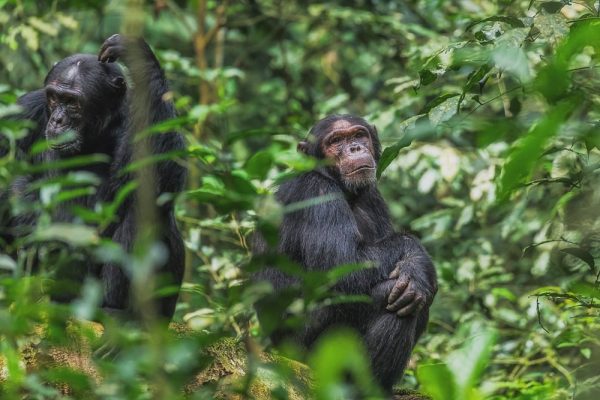
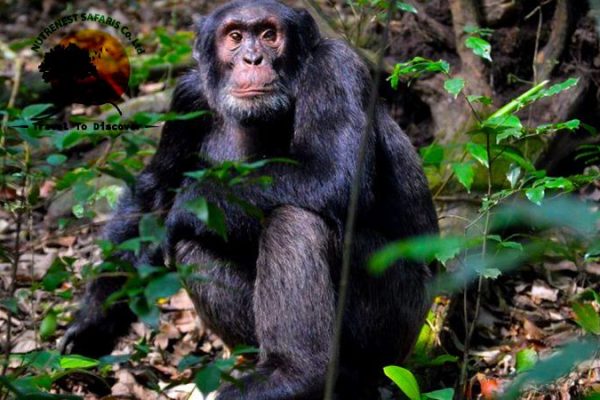
Beyond gorilla trekking, enjoy nature walks through forest ecosystems spotting other wildlife, primates, and exotic birds. Birdwatching opportunities include 350+ species throughout the forest and 23 endemic species in Ruhija sector. Lake Mutanda exploration near Rushaga sector offers scenic boat experiences and fresh water activities. Volcano hikes in Mgahinga Gorilla National Park (Sabyinyo, Gahinga, Muhabura) provide alternative adventures. Batwa and Bakiga community tours explore traditional lifestyles and cultures. Waterfall visits showcase forest hydrology. Primate tracking for other species including chimpanzees and colobus monkeys. Forest canopy walks offer unique perspectives. Photography expeditions capture diverse ecosystems and wildlife. Bush walks with naturalist guides provide intimate forest experiences. These diverse activities create comprehensive East African adventures combining wildlife, culture, adventure, and natural beauty.