Thank you for reading this post, don’t forget to subscribe!
Gorilla Safaris in Uganda: A Journey to the Heart of Africa
Uganda, known as the “Pearl of Africa,” is a destination of breathtaking beauty, diverse ecosystems, and unique wildlife. Among its most sought-after attractions is the unforgettable experience of gorilla safaris. Nestled in the lush rainforests of Uganda’s southwest region, these safaris offer an unparalleled opportunity to connect with nature and witness the majestic mountain gorillas in their natural habitat. For travelers seeking an extraordinary adventure, gorilla safaris in Uganda are a must.
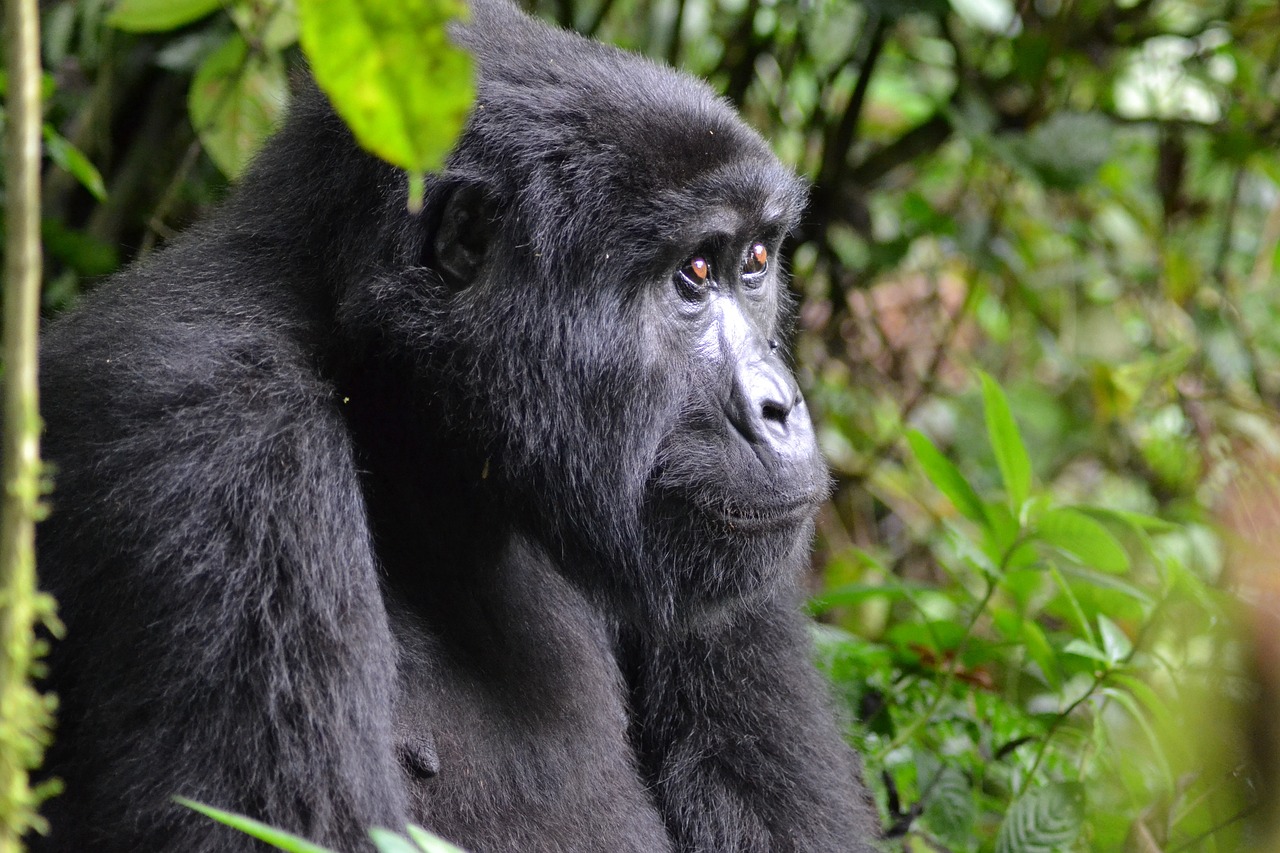
Why Choose Uganda for Gorilla Safaris?
Uganda is home to over half of the world’s remaining mountain gorilla population, making it one of the premier destinations for gorilla trekking. The two primary locations for these safaris are Bwindi Impenetrable National Park and Mgahinga Gorilla National Park. These parks provide the perfect setting for an immersive wildlife experience, offering:
- Biodiversity: Uganda’s rainforests are rich in flora and fauna, making the journey to see the gorillas an exploration of a vibrant ecosystem.
- Conservation Efforts: Uganda’s gorilla trekking permits contribute directly to conservation programs, ensuring the survival of these endangered species.
- Unique Cultures: The Batwa people, indigenous to the region, offer cultural experiences that enhance your safari, blending wildlife encounters with human history.
The Gorilla Trekking Experience
Gorilla trekking in Uganda is a once-in-a-lifetime adventure. Here’s what you can expect:
- Preparation and Briefing: Your day begins with a comprehensive briefing from experienced park rangers. They’ll guide you through safety protocols, what to expect, and how to behave around gorillas. Trekkers are divided into small groups to minimize environmental impact and ensure a personalized experience.
- The Trek: Trekking through the dense rainforest is an adventure in itself. Depending on the location of the gorilla families, the trek can last anywhere from 2 to 8 hours. Along the way, you’ll encounter breathtaking landscapes, unique plant species, and other wildlife such as monkeys and exotic birds.
- The Encounter: Once you locate a gorilla family, you’ll spend up to one hour observing them. This intimate encounter allows you to witness their social behaviors, playful interactions, and the awe-inspiring presence of a silverback gorilla. The experience is both humbling and exhilarating.
- Return Journey: After your time with the gorillas, you’ll trek back to the starting point, reflecting on an experience that few in the world have the privilege to enjoy.
Best Time for Gorilla Safaris in Uganda
Gorilla safaris in Uganda can be enjoyed year-round, but the best times to visit are during the dry seasons, which occur from:
- June to September
- December to February
During these months, the trails are less muddy, making trekking easier. However, Uganda’s rainforests remain lush and unpredictable, so occasional rain showers can be expected even in dry seasons.
Key Gorilla Safari Destinations
1. Bwindi Impenetrable National Park
Designated as a UNESCO World Heritage Site, Bwindi is the crown jewel of Uganda’s gorilla trekking destinations. It is home to over 400 mountain gorillas, including several habituated families available for trekking. The park is divided into four trekking sectors:
- Buhoma: The most popular and accessible sector, offering a range of accommodation options.
- Ruhija: Known for its challenging treks and rewarding views.
- Rushaga: Ideal for those seeking to combine gorilla trekking with a cultural experience.
- Nkuringo: Renowned for its rugged trails and close encounters with gorillas.
2. Mgahinga Gorilla National Park
Although smaller than Bwindi, Mgahinga offers a unique gorilla trekking experience. It is part of the Virunga Mountains, a chain of volcanoes shared with Rwanda and the Democratic Republic of Congo. The park is home to the Nyakagezi gorilla family, known for their mobility and captivating interactions.
Cost of Gorilla Safaris in Uganda
Gorilla safaris in Uganda are an investment in both adventure and conservation. Key costs include:
- Gorilla Trekking Permit: $800 per person for international visitors and $700 for East African residents. This fee supports conservation efforts and local communities.
- Accommodation: Options range from budget lodges to luxury eco-resorts, catering to all preferences.
- Transportation: Many safaris include road transfers or domestic flights to reach the trekking destinations.
- Guides and Porters: Hiring a porter to assist with your trek costs about $15 to $20 and is highly recommended.
What to Pack for Gorilla Safaris
Proper preparation ensures a comfortable and enjoyable experience. Essential items include:
- Hiking Boots: Sturdy, waterproof boots are a must for navigating uneven terrain.
- Clothing: Long-sleeved shirts and trousers for protection against insects and vegetation.
- Rain Gear: A lightweight rain jacket or poncho is essential in this rainforest climate.
- Backpack: To carry water, snacks, and personal items.
- Camera: Capture unforgettable moments, but ensure it has no flash.
- Insect Repellent: Protect yourself from insects during the trek.
Cultural Experiences to Enhance Your Safari
Complement your gorilla trekking adventure with cultural encounters:
- Batwa Cultural Trail: Learn about the traditions of the Batwa pygmies, who were the original inhabitants of Bwindi Forest.
- Local Crafts and Cuisine: Visit community markets to purchase handmade crafts and enjoy traditional Ugandan dishes.
Conservation and Responsible Tourism
Uganda’s gorilla safaris are a shining example of how tourism can drive conservation. The revenue from trekking permits funds anti-poaching efforts, habitat preservation, and community development. As a visitor, you play a vital role in this conservation story by:
- Following guidelines to minimize your impact on the environment.
- Respecting wildlife and maintaining a safe distance.
- Supporting local businesses and communities.
Booking Your Gorilla Safari
Planning your gorilla safari with Nature Nest Safaris ensures a seamless and unforgettable experience. Our expert guides, personalized itineraries, and commitment to responsible tourism make us the ideal choice for your Ugandan adventure. Whether you’re a solo traveler, couple, or group, we tailor every safari to meet your needs and exceed your expectations.
Conclusion
Gorilla safaris in Uganda offer a transformative experience that connects you with one of the planet’s most majestic creatures. Beyond the thrill of encountering mountain gorillas, these safaris immerse you in Uganda’s stunning landscapes, vibrant cultures, and remarkable conservation efforts. With Nature Nest Safaris, your journey will be both memorable and meaningful, leaving you with stories to cherish for a lifetime.
Embark on a gorilla safari in Uganda today and discover the magic of the Pearl of Africa.
The 12 Days Rwanda and Uganda Safari Overview offers an immersive journey through the stunning landscapes and diverse wildlife of both countries, promising unforgettable adventures and cultural experiences.
7 Days Best Rwanda Uganda Safari Experience offers an unforgettable journey through the rich landscapes and wildlife of Rwanda and Uganda, promising an immersive adventure filled with breathtaking sights and encounters.
11 Days Uganda Safari, immersing in chimpanzees, gorillas, and wildlife encounters. Journey through diverse landscapes, witnessing the beauty and majesty of Uganda’s rich biodiversity firsthand.
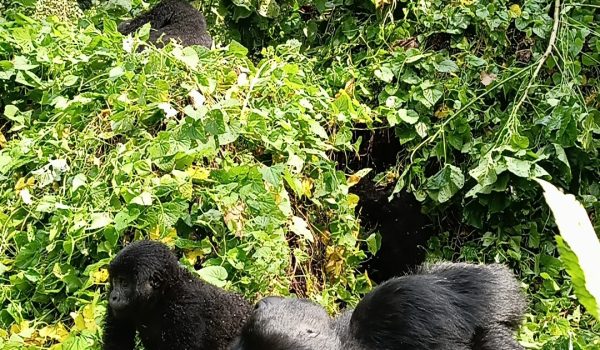
2-day Gorilla Trekking Safari Experience in Rwanda. Immerse yourself in the lush wilderness, encounter majestic gorillas, and create unforgettable memories amidst breathtaking landscapes.
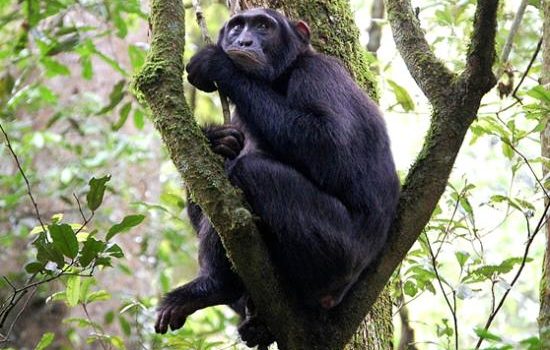
14 Days Camping Uganda Safari offers an immersive adventure amidst Uganda’s stunning landscapes. Explore its diverse wildlife, from gorillas to lions, while enjoying the thrill of camping under the African sky.
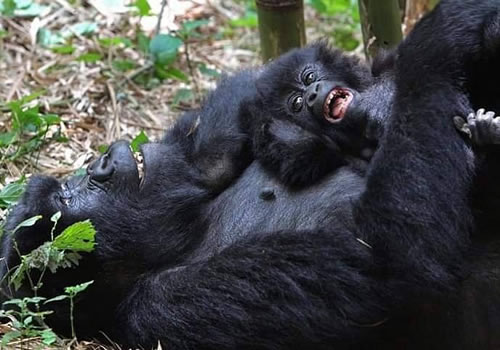
8 DAYS UGANDA CULTURAL WILDLIFE SAFARI offers an immersive journey through Uganda’s rich cultural heritage and diverse wildlife, promising an unforgettable adventure in the heart of Africa’s natural wonders.
Gorilla Safaris in Uganda FAQs
Why is Uganda the best destination for gorilla trekking?
Uganda is home to over half of the world’s remaining mountain gorilla population, making it the premier gorilla trekking destination. Two primary locations—Bwindi Impenetrable National Park (UNESCO World Heritage Site with 400+ gorillas) and Mgahinga Gorilla National Park—provide ideal settings. Uganda’s biodiversity includes vibrant rainforest ecosystems, endemic plant species, and diverse wildlife. Gorilla trekking permit fees directly support conservation programs and endangered species protection. The Batwa people offer authentic cultural experiences blending wildlife with human history. These combined factors—gorilla population density, conservation commitment, ecosystem richness, and cultural immersion—make Uganda unmatched for gorilla safari experiences.
Thank you for reading this post, don’t forget to subscribe!
What is the cost of gorilla safaris in Uganda?
Gorilla trekking permits cost $800 per person for international visitors and $700 for East African residents, with fees supporting conservation efforts and local communities. Accommodation ranges from budget lodges to luxury eco-resorts depending on preferences. Transportation includes road transfers or domestic flights to trekking destinations. Hiring experienced porters costs $15-$20 per person and is highly recommended. Total safari costs vary based on accommodation choices, duration, and additional activities. Nature Nest Safaris can provide detailed pricing quotes customized to your budget preferences. Investing in gorilla safaris directly funds anti-poaching efforts, habitat preservation, and community development throughout Uganda.
Thank you for reading this post, don’t forget to subscribe!
How long does a gorilla trek typically take?
Gorilla treks vary in duration based on gorilla family location and terrain difficulty. Trek duration ranges from 2 to 8 hours of hiking through dense rainforest. The actual time finding gorillas depends on their daily movement patterns and accessibility. Once located, you spend up to one hour observing gorilla families in their natural habitat. The full day includes early morning briefing from experienced park rangers, the trek itself, gorilla encounter time, and return journey. Additional time accommodates different fitness levels and individual pace. Most gorilla safaris plan full-day excursions, beginning before dawn and returning by afternoon.
Thank you for reading this post, don’t forget to subscribe!
What should I pack for gorilla trekking in Uganda?
Essential packing items include sturdy, waterproof hiking boots for navigating uneven, muddy terrain. Long-sleeved shirts and trousers protect against insects and vegetation. A lightweight rain jacket or poncho is essential for Uganda’s unpredictable rainforest climate. Bring a comfortable backpack for carrying water, snacks, and personal items. A camera without flash captures unforgettable moments while respecting gorillas. Insect repellent protects against forest insects. Consider binoculars for wildlife observation, a hat or cap, and sun protection. Gaiters protect legs from mud and vegetation. Comfortable, worn-in boots prevent blisters on challenging terrain. Proper preparation ensures comfort and enjoyment during your transformative gorilla encounter.
Thank you for reading this post, don’t forget to subscribe!
What is the best time to visit for gorilla trekking?
The best gorilla trekking seasons are during Uganda’s dry periods: June to September and December to February. During these months, rainforest trails are less muddy, making trekking easier and more comfortable. However, Uganda’s rainforests remain lush year-round with occasional rain showers even during dry seasons. Gorilla trekking is possible throughout the year, but dry season visits offer optimal trail conditions. Each season provides unique advantages—dry seasons offer accessibility, while wet seasons offer fewer tourists and lush vegetation. Nature Nest Safaris travel experts can recommend optimal timing based on your preferences and fitness level. Booking well in advance is recommended for peak dry season dates.
Thank you for reading this post, don’t forget to subscribe!
What is included in a gorilla trekking experience?
A comprehensive gorilla trekking experience includes expert park ranger briefings covering safety protocols, gorilla behavior expectations, and trekking guidelines. Small group division minimizes environmental impact and ensures personalized experiences. Professional guides lead treks through dense rainforest, pointing out unique plant species, endemic wildlife including monkeys and exotic birds, and breathtaking landscapes. Once gorilla families are located, you spend up to one hour observing their social behaviors, playful interactions, and silverback presence. The guided return journey allows reflection on your transformative experience. Experienced porters assist with physically demanding sections. All activities are conducted with minimal environmental impact and maximum respect for gorillas and their habitat.
Thank you for reading this post, don’t forget to subscribe!
What are the main gorilla trekking locations in Uganda?
Bwindi Impenetrable National Park is Uganda’s premier gorilla destination, housing over 400 mountain gorillas. It’s divided into four trekking sectors: Buhoma (most popular and accessible), Ruhija (challenging treks with rewarding views), Rushaga (combines gorilla trekking with cultural experiences), and Nkuringo (rugged trails with close gorilla encounters). Mgahinga Gorilla National Park, though smaller, offers unique experiences as part of the Virunga Mountains chain shared with Rwanda and the Democratic Republic of Congo. It’s home to the mobile and captivating Nyakagezi gorilla family. Both parks provide exceptional gorilla trekking with different experiences and accessibility levels suitable for various preferences and fitness levels.
Thank you for reading this post, don’t forget to subscribe!
Can I combine gorilla trekking with other Uganda safari activities?
Yes, gorilla safaris can be customized to include diverse Uganda experiences. Combine gorilla trekking with wildlife viewing at Queen Elizabeth National Park, chimpanzee tracking in Kibale National Park, or the Rwenzori Mountains hiking expedition. Cultural experiences complement gorilla encounters through Batwa cultural trails learning about pygmy traditions and history. Visit local community markets for handmade crafts and authentic Ugandan cuisine. Explore other national parks like Murchison Falls. Nature Nest Safaris specializes in tailor-made itineraries combining gorilla trekking with your preferred activities. Customization ensures comprehensive Uganda exploration while maximizing your safari experience beyond gorilla encounters.
Thank you for reading this post, don’t forget to subscribe!
Are gorilla safaris in Uganda safe?
Yes, gorilla safaris prioritize safety through experienced, professionally trained park rangers and guides. Pre-trek briefings cover safety protocols, gorilla behavior understanding, and proper trekking conduct. Small group divisions ensure manageable experiences and close guide supervision. Strict guidelines maintain safe distances from gorillas, minimizing stress on animals and risk to trekkers. Modern lodges and accommodations meet international safety standards. Comprehensive travel insurance is recommended for medical coverage. The combination of expert guidance, clear safety protocols, established trails, and professional park management creates safe environments for trekkers of varying fitness levels. Thousands of visitors annually complete gorilla safaris without incident.
Thank you for reading this post, don’t forget to subscribe!
What cultural experiences enhance gorilla safaris?
Batwa Cultural Trail offers opportunities to learn about Batwa pygmy traditions, original Bwindi Forest inhabitants, and their deep forest knowledge. Understand their cultural practices, hunting heritage, and relationship with the rainforest. Visit local community markets to purchase handmade crafts directly supporting artisans and communities. Sample traditional Ugandan cuisine reflecting local food culture and agricultural practices. Engage with local guides who share personal stories and perspectives. Stay in community-run accommodations supporting local economies. These cultural experiences provide holistic understanding of gorilla trekking regions beyond wildlife encounters. They demonstrate how responsible tourism supports indigenous communities while enhancing your safari’s educational and human connection dimensions.
Thank you for reading this post, don’t forget to subscribe!
How do gorilla trekking fees support conservation?
Gorilla trekking permits generate substantial revenue directly funding Uganda’s conservation efforts. Permit fees ($800 international/$700 East African residents) support anti-poaching operations protecting gorillas from poaching threats. Revenue funds habitat preservation maintaining rainforest ecosystems critical for gorilla survival. Community development programs benefit local populations through infrastructure, education, and economic opportunities. Conservation programs track gorilla populations, monitor health, and implement breeding initiatives for endangered species protection. Local employment in guiding, hospitality, and porter services creates economic incentives for conservation. By purchasing permits, visitors directly participate in protecting mountain gorillas from extinction while supporting community development. This conservation model demonstrates how responsible tourism drives species protection and habitat preservation.
Thank you for reading this post, don’t forget to subscribe!