Thank you for reading this post, don’t forget to subscribe!
11 Days Uganda (chimpanzees, Gorillas & Wildlife) Safari
11 days Uganda Safari takes you to Uganda’s frequently visited National Parks of Murchison Falls National Park, Lake Mburo National Park, Bwindi impenetrable National Park, Kibale forest national Park, and Queen elizabeth national Park. The major highlighted activities include: Gorilla trekking adventures, Chimpanzee tracking, Game drives & boat rides for Big 5 game viewing, not forgetting Rhino tracking at Ziwa rhino Sanctuary.
Detailed Itinerary for 11 days Uganda (Chimpanzees, Gorillas & Wildlife) Safari
Day 1:Transfer Kampala to Lake Mburo National Park
The highlights of a day game drive and Boat ride
Pick up from the hotel in Entebbe or Kampala and head to Lake Mburo National Park in the western part of Uganda. The drive takes 3-4 hours with a stopover at the Equator for an opportunity to stand in both the northern and southern hemispheres at the same time. Once you get into Lake Mburo National Park you will go for a game drive in search of wildlife like zebra, hippos, crocodiles, eland, antelope, impala and a variety of birds. Post lunch you will go for a 2-hour boat ride on Lake Mburo which is endowed with a variety of water animals such as hippos and crocodiles and several bird species. After the boat ride you will drive to your accommodation.
Day 2: Lake Mburo National Park
Activities of the day are Game Drives and Nature Walk
Depart for full-day game drives around 9:00 AM with packed lunch and return back to the lodge late afternoon around 6:00 PM. Or you can depart at 6:00 AM on an early morning game drive. Later return to the accommodation for breakfast and relax for a bit and depart on an afternoon game drive with packed lunch. While on the game drive you will find wildlife like zebra, hippos, crocodiles, eland, antelope, impala and a variety of birds. Later in the evening take a guided Nature walk. This walk takes you to the salt lick area which offers a chance to see at least four different species of animals at any one point while they lick the salty soil.
Day 3: Transfer From Lake Mburo National Park to Lake Bunyonyi
After an early breakfast, you will set off for the southwestern part of the country to Lake Bunyonyi. This lake is said to be one of the most beautiful places in western Uganda. It is the second deepest lake in Africa and also one of the few places in the country where it is considered safe to swim. The landscape around the lake is made up of terraced hills protruding from the water’s edge. Bunyonyi means “place of little birds” and as the name suggests, there is plenty of bird life around the lake. At Lake Bunyonyi you can pay the extra amount for the activity such as Community Walk, Canoe Ride, Boat Rides, Bicycle Rides, Bird Watching and Cray Fishing directly at the accommodation and do the activity of your choice.
Day 4: Transfer to Bwindi Impenetrable National Park
Drive to Bwindi National Park for Lunch. Post Lunch you will do a Batwa cultural experience (optional), you will go through their villages to have an experience of how they go about their daily routine activities and be amazed by the way they skillfully cultivate the hillsides and how they care for their animals (cows) that are a prime source of pride.
Day 5: Bwindi Impenetrable National Park
Day activities: Gorilla Trekking and game drive in Ishasha
You will have an early morning breakfast at 6:30 am and with packed lunch you will move to the park headquarters to join other trackers in a briefing about the gorilla trekking rules at 7:30 am. You will trek through thick creepers and undergrowth with your guides to find the Gorillas, which can take you 1-8 hours. The steeply forested landscape is incredibly dense but crisscrossed by numerous animal trails allowing access by tourists. You will stay with Gorillas sometime once sited and transfer to Ishasha Sector for accommodation.
Day 6: Game Drives in Ishasha and Boat Ride in Kazinga Channel
Drive through Ishasha, famous for the tree-climbing lions lounging in the tree branches while keeping a close eye on herds of Uganda kob, their favorite prey, you could have a chance to spot some tree-climbing lions and after you proceed to your lodge. In the afternoon you will take a Boat Cruise along the amazing Kazinga channel to see at close range, the water animals to include Hippos, Buffalos, Crocodiles and elephants bathing on the channel banks. There is also a variety of bird species on the water banks especially the famous Shoebill, pelican and Jacana
Day 7: Queen Elizabeth National Park to Kibale National Park
After breakfast head for a game drive in Queen Elizabeth National Park to see Africa’s highly famed “Big 5”, Bush Bucks, Giant Hogs, Antelopes, Waterbucks and plenty of birds. . Later in the evening you will be transferred to Kibale Forest National Park.
Day 8: Kibale National Park (Chimp Tracking and Bigodi Swamp Walk)
The highlight of the day: Chimpanzee trekking and Bigodi swamp walk
After breakfast head to Kibale Forest at 8.00 am for a briefing on the rule for trekking the chimpanzees after which you set off to search for them in the forest. Kibale Forest National Park boasts the highest number of primate species in the world, including chimpanzees. Approximately 5,000 chimpanzees live in the wild in Uganda, which makes it a perfect place to spot them! An experienced ranger will take you chimp tracking in the morning. Once you locate the chimpanzees, you will spend an hour with them and then head back to the accommodation for Lunch.
Post Lunch head for Bigodi Wetland Sanctuary walk, This is a guided swamp walk that takes you closer to seeing primates mostly monkeys, birds and butterflies. The wetland is a birder’s paradise with about 138 species and is best known for being home to the Great Blue Turaco.
This is a 2.5 – 3 hour walk and is a must for bird lovers. You will need good walking shoes since part of the walk is sometimes muddy. Hopefully you will spot the elusive Sitatunga antelope and the Shoebill Stork. This is nothing to be missed. You will meet some of the primates here, even a chimpanzee at times. Other primate species include the black-and-white colobus, grey-cheeked mangabey, red-tailed, l’Hoest’s, blue monkeys, and olive baboons. Also, Bushbucks and mongooses and many more can also be found here. Bigodi Sanctuary is located outside the park in Magombe Swamp.
Day 9: Kibale National Park to Murchison Falls National Park
After breakfast, you will be transferred to Murchison Falls National Park which is a 7-8 hour drive. Head straight to tour the Top and bottom of majestic falls, where the Nile crashes through a 7 metres gorge and then falls 45 metres. Numerous scenic viewpoints are a photographer’s delight. The most impressive view is of the foaming waters rushing into the gorge with a deafening roar.
Day 10: Murchison Falls National Park
what to do for a day? Game Drives and Boat Ride
You will set off at 6:30 am, cross to the northern bank of the river Nile and head for a sunrise game drive in the Nyamsika plateau to see the Cape buffaloes, Rothschild’s giraffes, Uganda kob, hartebeest and waterbucks. You may also spot oribi, bushbuck, shy sitatunga, bush duiker, warthog and bush pig plus large carnivores including lions, leopards and spotted hyenas. Crocodiles and hippos will be seen along the banks of the Nile. Some of the more common birds that can be seen include goliath heron, Egyptian geese, pelican, bee-eaters, kingfishers, hornbills, cormorants, saddle-bill storks and the rare shoebill stork.
You will return to your lodge for a late breakfast and some relaxation before setting off in the afternoon for a Boat cruise on the placid Victoria Nile, upstream, to the base of the falls. En route, you will see hippos, crocodiles, waterbuck and a wide variety of birds including the unusual shoebill stork. The boat stops just tens of meters from the “Devil’s Cauldron” for pictures to be taken of the photogenic and majestic Murchison Falls.
Day 11: Ziwa Rhino Sanctuary
activity for the day: Rhino Tracking and transfer to Entebbe. After early morning breakfast, depart with great memories of the moments spent at Murchison falls and head to the Ziwa Rhino Sanctuary, after a briefing from the ranger you trek the sanctuary for close to two hours. With Lunch en route, you will be transferred back to Entebbe making the 11days safari end.
11 Days Uganda Safari – Gorilla & Chimpanzee Trekking FAQs
What destinations and parks are included in the 11-day Uganda safari?
The 11-day Uganda safari covers Uganda’s premier national parks and wildlife areas. Lake Mburo National Park (Days 1-2) features zebras, hippos, crocodiles, elands, impalas, antelopes, and 300+ bird species with game drives and boat rides. Lake Bunyonyi (Day 3) showcases Africa’s second-deepest lake with 29 islands, scenic terraced hills, bird watching, community walks, and canoe rides. Bwindi Impenetrable National Park (Days 4-5) hosts half the world’s remaining mountain gorillas enabling gorilla trekking through dense forests with Batwa cultural experiences. Queen Elizabeth National Park (Day 6) features tree-climbing lions in Ishasha sector, Uganda Kob, Big Five viewing, and Kazinga Channel boat cruises with hippos, buffalos, crocodiles, and 500+ bird species. Kibale Forest National Park (Days 7-8) provides chimpanzee trekking (1,500+ individuals) and Bigodi Wetland Sanctuary bird watching (138 species). Murchison Falls National Park (Days 9-10) showcases the spectacular 45-meter Murchison Falls, Rothschild giraffes, and diverse Nile wildlife. Ziwa Rhino Sanctuary (Day 11) enables rhino tracking and conservation learning before return to Entebbe.
Thank you for reading this post, don’t forget to subscribe!
What are the main highlights and activities on each day of the safari?
Day 1 features transfer from Kampala to Lake Mburo with Equator photo stop, afternoon game drive, and boat ride. Day 2 includes full-day game drives or early morning game drive with nature walk to salt lick areas. Day 3 provides scenic Lake Bunyonyi journey through terraced hills with optional community walks, canoe rides, and bird watching. Day 4 includes transfer to Bwindi and optional Batwa cultural village experience. Day 5 features early morning gorilla trekking (1-8 hours through dense forest) and evening transfer to Ishasha. Day 6 highlights tree-climbing lion spotting in Ishasha and Kazinga Channel boat cruise with wildlife viewing. Day 7 provides Queen Elizabeth game drives plus transfer to Kibale. Day 8 includes morning chimpanzee trekking (1-hour encounters) and afternoon Bigodi Wetland Sanctuary guided walk (2.5-3 hours) for primates, birds, and butterflies. Day 9 features 7-8 hour transfer to Murchison Falls with Murchison Falls viewing. Day 10 includes sunrise game drive on Nyamsika plateau and afternoon Victoria Nile boat cruise. Day 11 features early morning rhino tracking at Ziwa Sanctuary and return transfer to Entebbe.
Thank you for reading this post, don’t forget to subscribe!
What gorilla trekking experience is included in the 11-day safari?
The safari includes comprehensive gorilla trekking in Bwindi Impenetrable National Park on Day 5. Trekkers receive early morning breakfast at 6:30 AM, then proceed to park headquarters at 7:30 AM for briefings on gorilla trekking rules and safety protocols. Professional guides lead treks through thick creepers and undergrowth, navigating dense forest vegetation via established animal trails. Trekking duration varies from 1-8 hours depending on gorilla location and group movement. Once gorillas are located, visitors spend approximately one hour observing family groups in natural behaviors—feeding, socializing, parenting, and resting. The steeply forested landscape provides authentic wilderness experiences and photography opportunities. The afternoon includes a transfer to the Ishasha sector. Bwindi’s gorilla population exceeds 400 individuals, with multiple habituated families available for trekking. This experience represents one of Earth’s most profound wildlife encounters connecting visitors with critically endangered species in pristine habitats.
Thank you for reading this post, don’t forget to subscribe!
What chimpanzee trekking and primate experiences are included?
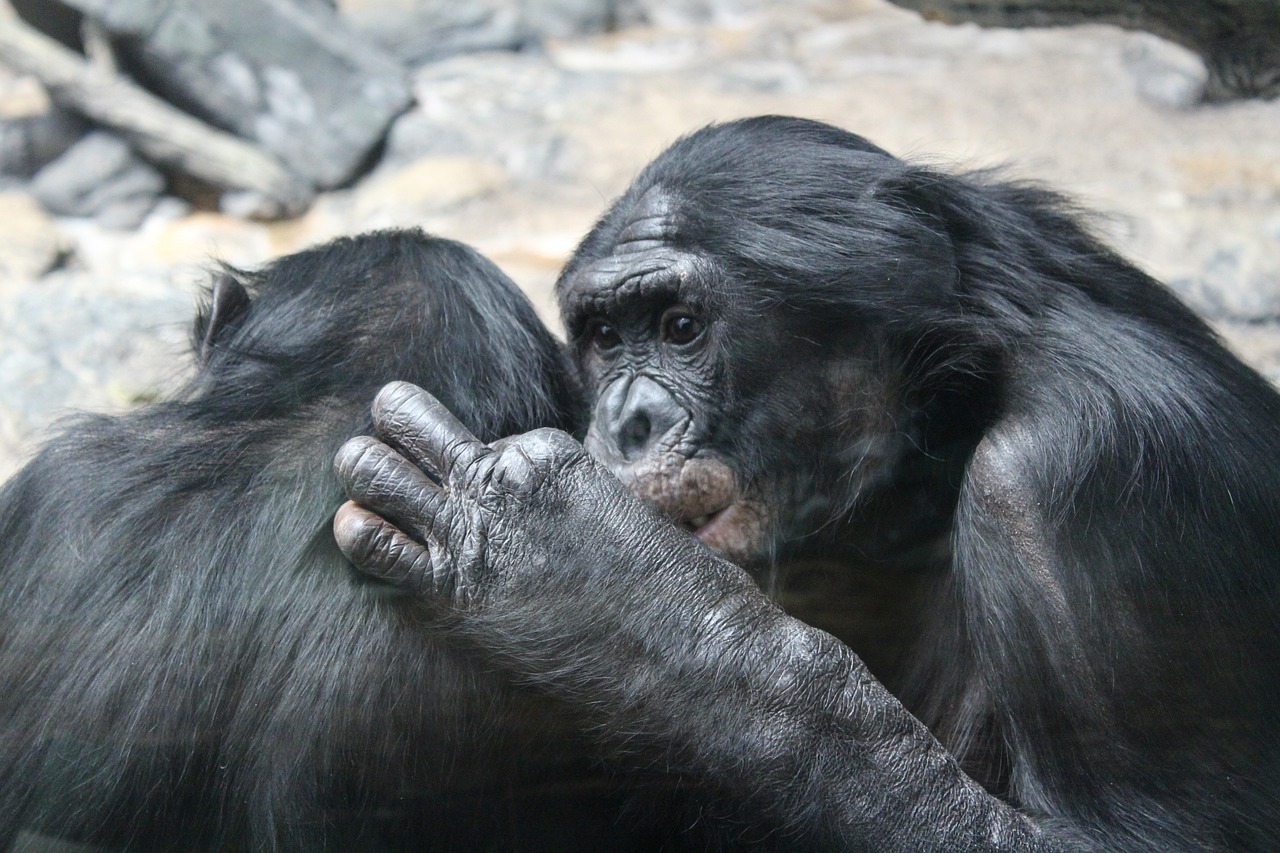
The safari features comprehensive chimpanzee trekking in Kibale Forest National Park on Day 8. Trekkers meet at 8:00 AM for detailed briefings on chimpanzee trekking rules and behavior protocols. Experienced rangers guide searches through Kibale’s forest for approximately 1,500 habituated chimpanzees—the highest concentration in East Africa. Upon locating chimps, visitors spend one hour observing family groups, learning about social structures, communication, tool use, and daily behaviors. Kibale hosts the highest number of primate species globally, offering encounters with additional species including black-and-white colobus, grey-cheeked mangabey, red-tailed monkeys, L’Hoest’s, blue monkeys, and olive baboons. Bigodi Wetland Sanctuary (Day 8 afternoon) provides a guided 2.5-3 hour swamp walk revealing 138 bird species including Great Blue Turaco, plus additional primates (monkeys occasionally including chimpanzees), butterflies, mongoose, bushbucks, and the elusive Sitatunga antelope. This comprehensive primate immersion enables intimate understanding of Uganda’s extraordinary primate diversity.
Thank you for reading this post, don’t forget to subscribe!
What wildlife viewing opportunities are available beyond gorillas and chimpanzees?
The 11-day safari provides extensive wildlife viewing across all Uganda’s major parks. Lake Mburo features zebras, hippos, crocodiles, elands, impalas, and 300+ bird species. Queen Elizabeth offers the Big Five (lions, leopards, elephants, buffalo, rhinos), tree-climbing lions in Ishasha sector, Uganda Kob, 500+ bird species, and the endangered Shoebill Stork. Kazinga Channel boat cruise enables close viewing of hippos, buffalos, crocodiles, and elephants bathing. Murchison Falls provides Rothschild giraffes (1,000+ individuals—East Africa’s largest population), Cape buffalos, Uganda kob, hartebeest, waterbucks, large carnivores (lions, leopards, spotted hyenas), sitatungas, bushbucks, warthogs, and diverse birds (goliath heron, Egyptian geese, pelican, bee-eaters, kingfishers, hornbills, saddle-bill storks, and rare Shoebill). Nile River encounters include hippos, crocodiles, and abundant water birds. Ziwa Rhino Sanctuary features 60+ protected rhinos plus monkeys, antelopes, crocodiles, hippos, and 240+ bird species. This comprehensive wildlife portfolio ensures constant wildlife encounters throughout the 11-day itinerary.
Thank you for reading this post, don’t forget to subscribe!
What cultural experiences complement wildlife viewing?
The safari includes authentic cultural immersion experiences. Batwa cultural experience (Day 4) near Bwindi explores indigenous Batwa villages, traditional daily routines, hillside cultivation techniques, and animal husbandry practices. Interactions with Batwa communities provide insights into ancestral traditions and cultural heritage often threatened by modernization. Lake Bunyonyi community walks (Day 3, optional) enable village exploration and direct interaction with local populations. Equator photo stop (Day 1) at Uganda’s center offers cultural landmark experiences and interaction with local souvenir vendors. Local accommodation interactions throughout the safari expose travelers to Ugandan hospitality and regional lifestyles. These cultural dimensions create holistic safari experiences combining wildlife adventure with authentic human connection and cultural understanding, enriching comprehension of Uganda’s people and traditions alongside natural wonders.
Thank you for reading this post, don’t forget to subscribe!
What water-based activities enhance the wildlife experience?
The safari includes multiple water activities. Lake Mburo boat ride (Day 1) provides 2-hour water-based wildlife viewing spotting hippos, crocodiles, and water birds. Lake Bunyonyi optional activities (Day 3) include canoe rides through scenic water routes, boat rides exploring 29 islands, and swimming in Africa’s second-deepest freshwater lake (considered safe). Kazinga Channel boat cruise (Day 6) on the natural waterway connecting Lakes Edward and George enables close wildlife encounters with hippos, buffalos, crocodiles, bathing elephants, and diverse water birds from unique water perspectives. Victoria Nile boat cruise upstream (Day 10) at Murchison Falls features sunset/golden hour wildlife viewing, hippo and crocodile sightings, bird watching, and stops at the base of Murchison Falls with photography opportunities. These water activities provide alternative safari perspectives, enhance wildlife viewing through water-based approaches, and offer relaxation counterbalancing intensive land-based trekking.
Thank you for reading this post, don’t forget to subscribe!
What is the best time to visit for this 11-day safari itinerary?
Dry seasons (June-October and December-February) are optimal for the 11-day Uganda safari. Dry conditions ensure reliable road access between parks reducing travel delays. Wildlife concentrates around water sources improving viewing opportunities. Game drive conditions are comfortable with less mud. Gorilla and chimpanzee trekking conditions are ideal with drier forest trails. Bird watching opportunities remain excellent. June-October provides consistently good conditions for all activities. December-February offers similarly favorable conditions with potentially lower tourist crowds. Wet seasons (March-May and September-November) present muddy trail challenges but offer advantages including lush landscapes, exceptional bird watching during breeding/migration, and fewer tourists. The 11-day itinerary’s comprehensive activities suit all seasons though seasonal advantages vary—dry season for trail comfort and wildlife concentration, wet season for birding and lower crowds. Nature Nest Safaris helps determine optimal timing based on your preferences.
Thank you for reading this post, don’t forget to subscribe!
What accommodation and meals are included in the 11-day safari?
Accommodation varies by park and day. Lake Mburo, Lake Bunyonyi, Bwindi, Queen Elizabeth, Kibale, and Murchison Falls provide lodge accommodations ranging from budget to mid-range to luxury options based on preference and budget. Accommodations feature comfortable amenities, good service, and strategic positioning enabling early morning activity starts. Meals typically include breakfast at lodges providing energy for day activities. Packed lunches accompany full-day game drives and trekking excursions enabling continuous exploration. Dinners at lodges provide authentic local and international cuisine reflecting regional flavors. Beverages and snacks supplement meals throughout activities. Specific meal inclusions vary by lodge; nature Nest Safaris clarifies inclusions during booking. All-inclusive packages often bundle meals, accommodation, guides, transportation, park fees, and activity permits. This comprehensive approach ensures convenience, eliminates dining concerns, and enables focus on safari experiences.
Thank you for reading this post, don’t forget to subscribe!
What physical fitness and preparation is necessary for the 11-day safari?
Gorilla trekking requires moderate to good fitness levels. Trekking involves hiking through dense forest on steep, muddy terrain for 1-8 hours. Cardiovascular endurance, leg strength, and balance are important. Chimpanzee trekking similarly requires moderate fitness for forest hiking. Game drives and boat rides require minimal fitness, offering comfort and accessibility. Nature walks like Bigodi Wetland vary from easy to moderate depending on path conditions. Early starts (often 6:00-7:00 AM) demand good energy management. Pre-safari fitness preparation benefits participants—hiking, stair climbing, and cardio workouts build trek readiness. Proper equipment (sturdy waterproof boots, gaiters, rain gear) is essential. Health preparations include malaria prophylaxis consultation with healthcare providers, vaccinations, and travel insurance. Mental preparation for physical demands and unpredictable conditions helps. Participants of varying fitness levels can enjoy the safari through activity selection—focus on wildlife viewing if trekking seems challenging, or prioritize gorilla/chimpanzee trekking if adventurously inclined.
Thank you for reading this post, don’t forget to subscribe!
How does the 11-day itinerary compare to shorter Uganda safari options?
The 11-day safari offers comprehensive coverage unavailable in shorter itineraries. Compared to 3-day safaris, 11 days enable visits to 7+ parks versus 1-2 parks, providing exceptional wildlife diversity (gorillas, chimpanzees, Big Five, 300+ birds) versus single-focus experiences. Compared to 7-day safaris, 11 days add Lake Mburo (zebras, boat rides), Lake Bunyonyi (scenic beauty, island exploration), and Ziwa Rhino Sanctuary (conservation experiences) creating more complete Uganda exploration. Compared to 14+ day safaris, 11 days provide slightly condensed schedules but maintain comprehensive park coverage and main activities. Advantages of 11 days: includes both gorilla and chimpanzee trekking (unavailable on shorter safaris), multiple park ecosystems (savanna, forest, lakeside), cultural immersion, water activities, and satisfying wildlife diversity. Pacing: 11 days balance activity intensity with relaxation avoiding burnout. Value: comprehensive coverage maximizes experience per day. Time commitment: 11 days suits working professionals with 2-week vacation windows. The 11-day itinerary represents optimal balance of comprehensive Uganda exploration, prime wildlife/primate experiences, cultural immersion, and manageable pacing.
Thank you for reading this post, don’t forget to subscribe!
Can the 11-day Uganda safari be combined with other countries?
Yes, the 11-day Uganda safari can extend into multi-country adventures. Rwanda addition (2-3 days) enables gorilla trekking in Volcanoes National Park and chimpanzee trekking in Nyungwe Forest following Uganda experiences. Kenya addition (3-4 days) adds Maasai Mara (Great Wildebeest Migration July-October) or other parks for comparative savanna experiences. Tanzania addition (4-5 days) enables Serengeti, Ngorongoro, or specialized trekking. Zanzibar extension (3-4 days) provides beach relaxation following safari intensity. Multi-country benefits: maximize primate encounters (Uganda + Rwanda gorillas and chimpanzees), achieve continental ecosystem comparison (forest, savanna, mountains, beaches), extend adventure duration, and create more transformative experiences. Timing considerations: Add 2-3 days minimum per country for meaningful experiences. Logistical options: extend directly from Uganda’s current itinerary or structure as separate coordinated trips. Nature Nest Safaris designs customized multi-country packages combining the 11-day Uganda safari with your preferred destinations creating comprehensive East African adventures exceeding single-country limitations.
Thank you for reading this post, don’t forget to subscribe!