Thank you for reading this post, don’t forget to subscribe!
Experience the Ultimate Maasai Mara Tour: A Journey into the Heart of Africa’s Wildlife
Maasai Mara National Reserve, commonly known as the Mara, is a premier wildlife destination in Africa, celebrated for its abundant wildlife and breathtaking landscapes. Situated in southwestern Kenya, the reserve is part of the larger Serengeti-Mara ecosystem and borders Tanzania’s Serengeti National Park to the south. It is famed for hosting the Great Migration, where over 1.5 million wildebeests, along with zebras and gazelles, migrate annually in search of fresh grazing lands.
Background and History
The Maasai Mara has a storied history of conservation dating back to the early 20th century. Established in 1961 as a wildlife sanctuary covering about 520 square kilometres (200 square miles), it was expanded and officially designated a national reserve in 1974.
The reserve is named after the Maasai people, who have lived in the area for centuries. In the Maasai language, “Mara” means “spotted,” referring to the landscape’s acacia-dotted plains and shifting shadows. The Maasai have long coexisted with wildlife, practising pastoralism and allowing animals to roam freely. Their culture and relationship with nature are integral to the Maasai Mara’s identity.
Initially managed by the Narok County Council, the reserve collaborates with conservation entities and Maasai communities to maintain ecological balance and support sustainable development.
Location and Size
Maasai Mara National Reserve is located in Kenya’s Narok County, approximately 225 kilometres (140 miles) west of Nairobi. It lies within the Great Rift Valley, a geological feature that shapes East Africa’s diverse ecosystems. The reserve spans around 1,510 square kilometres (580 square miles) of open plains, woodlands, and riverine forests.
To the south, the reserve borders Serengeti National Park, forming a crucial contiguous ecosystem for seasonal wildlife migrations. The Mara River, flowing through both reserves, is vital for sustaining the ecosystem and is renowned for the dramatic river crossings during the Great Migration, where predators such as crocodiles wait for the migrating herds.
The Maasai Mara tour includes several sectors, including the main reserve and surrounding conservancies managed by Maasai communities. These conservancies extend an additional 1,500 square kilometres (580 square miles) outside the main reserve, offering more space for wildlife and a more personal safari experience.
In conclusion, the Maasai Mara’s historical significance, rooted in conservation and Maasai culture, makes it a premier destination for wildlife enthusiasts. Its location within the Serengeti-Mara ecosystem and its considerable size allow for diverse habitats and rich biodiversity, making it one of Africa’s most iconic wildlife reserves.
THE GREAT MIGRATION: THE CROWN JEWEL OF MAASAI MARA NATIONAL RESERVE
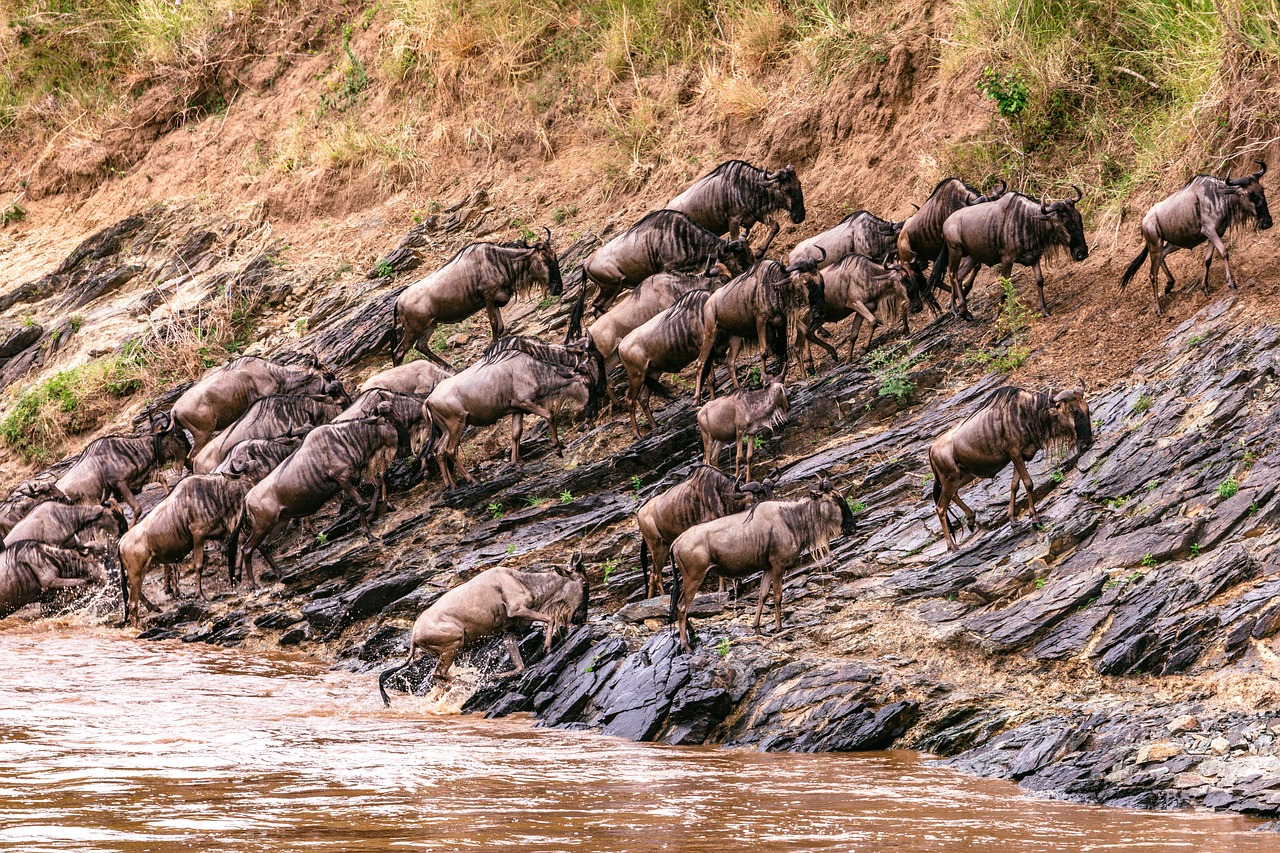
The Great Migration is the highlight of Maasai Mara National Reserve, representing one of the most extraordinary wildlife spectacles on Earth. Annually, over 1.5 million wildebeests, along with hundreds of thousands of zebras and gazelles, migrate from Tanzania’s Serengeti to the Maasai Mara in search of fresh grazing lands. This migration occurs between July and October and is a thrilling display of survival as animals face natural challenges, including the Mara River, where predators like crocodiles and lions lie in wait.
The Mara River crossings are among the most dramatic scenes, with thousands of wildebeests and zebras braving strong currents and predators. The sight of large herds across the plains, combined with the constant threat from predators such as lions, cheetahs, and leopards, makes the Great Migration a major attraction for tourists and wildlife photographers.
This natural phenomenon not only provides a glimpse into the circle of life but also underscores the importance of conservation efforts to preserve this unique ecosystem. The scale, drama, and breathtaking landscape of the Great Migration make it an unparalleled wildlife experience.
MAASAI MARA NATIONAL RESERVE: A SAFARI THROUGH ITS RICH WILDLIFE
Maasai Mara National Reserve is renowned for its exceptional wildlife diversity, offering a safari experience like no other. The reserve boasts a variety of animal species, including the iconic Big Five, numerous herbivores, and a wide range of birdlife. The wildlife thrives in the expansive savannahs, acacia-dotted plains, and the Mara River that flows through the reserve, making it one of Africa’s most significant conservation areas.
The Big Five
One of the main attractions for visitors is the Big Five: lion, leopard, elephant, buffalo, and rhinoceros. Historically considered the most dangerous to hunt, these animals are now the most sought-after to observe in their natural habitat.
- Lions are iconic residents of the Mara, known for their impressive pride. The reserve offers opportunities to see these apex predators hunting in the early morning or late evening on the open plains.
- Leopards, although more elusive, are frequently spotted resting in trees or stalking prey. Their solitary nature and camouflage make them a rewarding sight for keen observers.
- Elephants are common in the Mara, often seen in large herds led by a matriarch. They provide spectacular photo opportunities as they traverse the grasslands.
- Buffaloes are widespread throughout the reserve, known for their unpredictable nature and strong herd behaviour. They are often seen grazing in groups or cooling off near water sources.
- Rhinoceroses, particularly the endangered black rhino, are less commonly seen but still inhabit the reserve. Ongoing conservation efforts aim to protect these majestic creatures from poaching.
Herbivores and the Great Migration
While the Big Five captivates many visitors, the Maasai Mara tour is also famous for its vast populations of herbivores, especially during the Great Migration. Each year, over 1.5 million wildebeests, along with hundreds of thousands of zebras and gazelles, migrate from the Serengeti to the Mara in search of fresh pastures. This migration, occurring between July and October, is one of the greatest wildlife spectacles in the world.
As the herbivores move across the Mara, they are closely followed by predators, offering visitors a chance to witness dramatic predator-prey interactions. Hyenas, cheetahs, and wild dogs are also frequently seen, taking advantage of the abundance of prey.
Predators
In addition to lions and leopards, the Maasai Mara is home to many other predators that play crucial roles in maintaining the ecosystem’s balance.
- Cheetahs, known for their speed, are among the most successful hunters in the Mara. They are often seen chasing antelopes across the plains.
- Hyenas are adaptable scavengers and hunters, often working in clans. Their distinctive calls are frequently heard at night, and they play a vital role in the ecosystem’s cleanup.
- Crocodiles in the Mara River are imposing, especially during the river crossings of the Great Migration. These reptiles can wait for hours before launching powerful attacks on animals attempting to cross the river.
Birdlife
The Maasai Mara is also a haven for bird enthusiasts, with over 450 recorded species. From large birds of prey like eagles and vultures to colourful smaller species such as kingfishers, sunbirds, and rollers, the reserve offers a rich avian diversity. The wetlands and riverine areas attract many waterfowl, including herons, storks, and ibises. For raptor lovers, the Mara hosts several species of falcons, hawks, and buzzards.
The wildlife of Maasai Mara National Reserve is a testament to Kenya’s natural heritage. From the powerful Big Five to the millions of migrating herbivores and the extensive bird species, the Mara provides a comprehensive wildlife experience and remains one of the best places on Earth to observe complex animal interactions in a pristine natural environment.
EXPLORING THE DIVERSE VEGETATION OF MAASAI MARA NATIONAL RESERVE
The Maasai Mara National Reserve is celebrated not only for its abundant wildlife but also for its diverse vegetation. The landscape features rolling grasslands, scattered woodlands, and riverine forests, all contributing to a thriving ecosystem. This rich vegetation supports vast populations of herbivores, which in turn sustain large carnivore populations, maintaining the reserve’s ecological balance.
Grasslands
The expansive grasslands, or savannahs, are the dominant feature of the Maasai Mara’s vegetation. These open plains, interspersed with acacia trees, form the heart of the reserve. They provide ample grazing for large herbivores, including wildebeests, zebras, gazelles, and antelopes. Key grass species like Themeda triandra (red oat grass) are highly nutritious and especially favoured by herbivores, especially during the Great Migration.
During the rainy season, the grasslands thrive, creating lush feeding grounds for migratory animals. As the dry season arrives, the grasses dry out, prompting the Great Migration as wildebeests and other grazers move in search of fresh pastures. This cycle of regeneration underscores the crucial role of grasslands in maintaining the Maasai Mara’s ecological equilibrium.
Acacia Woodlands
Scattered throughout the reserve are acacia woodlands, featuring species like Acacia tortilis (umbrella thorn) and Acacia xanthophloea (fever tree). These trees offer shelter and nourishment to various wildlife. Acacias are resilient and provide shade for animals seeking relief from the midday heat. Despite the sharp thorns, giraffes are attracted to these woodlands to feed on acacia leaves.
These woodlands also serve as habitats for bird species, including raptors and smaller passerines, and primates such as baboons and vervet monkeys.In Maasai Mara tour, trees support a diverse range of life, demonstrating their central role in the ecosystem
Riverine Forests
Vegetation transitions to lush, dense riverine forests along rivers, like the Mara River. Here, fig trees, palm trees, and various shrubs thrive in the moist, fertile soils. These forests are vital habitats for species needing water and cover, such as elephants, hippos, and crocodiles.
The shade and humidity of riverine forests are crucial for wildlife, particularly during the dry season when other areas become arid. Additionally, these forests attract diverse bird species, making them prime locations for birdwatching within the reserve.
Seasonal Wetlands
The Maasai Mara tour is dotted with seasonal wetlands and swamps, especially during the rainy season. These wetlands support vegetation like reeds, papyrus, and aquatic plants. These habitats are essential to waterfowl and other aquatic animals.
In the dry season, wetlands shrink but remain critical watering holes for elephants, buffaloes, and antelopes. The presence of wetlands enhances the diversity of vegetation types across the reserve, supporting varied wildlife.
Shrubs and Thickets
Interspersed throughout the reserve are shrubs and thickets, commonly found between grasslands and woodlands. These areas offer browsing opportunities for smaller herbivores and serve as habitats for smaller predators like jackals and servals. The shrubs also provide cover for animals evading predators or ambushing prey.
The Maasai Mara’s vegetation is as diverse and dynamic as its wildlife. Each type of vegetation on the reserve contributes to the ecosystem’s sustainability, including grasslands, acacia woodlands, seasonal wetlands, and shrublands.The seasonal changes in vegetation ensure that the Maasai Mara remains a hotspot for wildlife year-round, exemplifying nature’s intricate balance.
UNDERSTANDING THE CLIMATE AND WEATHER PATTERNS
The Maasai Mara National Reserve experiences a temperate tropical savannah climate with mild temperatures and seasonal rainfall. The main seasons are:
- Wet Season (March to May and November to December): This period includes long and short rains, with temperatures ranging from 15°C (59°F) to 25°C (77°F) during the day. Rain replenishes the landscape, attracting newborn wildlife and migratory birds.
- Dry Season (June to October and January to February): Characterized by warm, sunny days with temperatures between 20°C and 30°C (68°F to 86°F) and cooler nights, sometimes dropping to 10°C (50°F). This season is ideal for wildlife viewing, particularly during the Great Migration, as animals gather around water sources.
Maasai Mara tour is a year-round destination, offering different activities depending on the season.
OPTIMAL TIME TO PLAN YOUR VISIT
The best time for Maasai Mara tour depends on your interests:
- Dry Season (July to October): Ideal for witnessing the Great Migration, where millions of animals cross the Mara River. The dry weather also ensures better road conditions and easier wildlife spotting.
- Wet Season (March to May and November to December): Offers lush landscapes, fewer tourists, and excellent birdwatching opportunities. However, rain can make roads challenging. Weather is moderate in January, February, and June, so shoulder months are ideal for wildlife viewing.
Birdwatchers may prefer the wet season due to the arrival of migratory species. Overall, the Maasai Mara tour offers unique experiences throughout the year.
NAVIGATING YOUR WAY TO MAASAI MARA NATIONAL RESERVE: ESSENTIAL TRAVEL TIPS
The Maasai Mara National Reserve is accessible by road and air, each offering unique experiences.
By Air:
- Aerial Views: Enjoy stunning views of Kenya’s landscapes, from Nairobi’s urban environment to the vast savannahs of the Mara. You’ll see the Mara River and surrounding grasslands.
- Direct Access: Flights land directly within or near the Maasai Mara, allowing you to start your safari experience almost immediately. Many lodges offer pick-up services from airstrips.
By Road:
- From Nairobi to Narok (Approx. 2-3 Hours): Travel through the Great Rift Valley, offering views of escarpments and farmland. Narok’s vibrant Maasai culture provides insights into local life.
- From Narok to Maasai Mara (Approx. 1.5-2.5 Hours): The road becomes rugged, transitioning to gravel. This leg offers glimpses of Maasai villages and wildlife sightings.
Travel Considerations:
- Road Conditions: The road can be rough, particularly during the rainy season. A 4×4 vehicle is advisable.
- Travel Time: The journey from Nairobi typically takes 5-7 hours, depending on traffic and conditions.
- Safety and Comfort: Bring water, snacks, and a charged phone. Consider travel insurance covering both road and air travel.
UNMISSABLE ACTIVITIES AND ATTRACTIONS IN MAASAI MARA TOUR
The Maasai Mara tour offers a range of activities and attractions:
- Game Drives: Experience the diverse wildlife in open safari vehicles, ideal for observing the Great Migration, the Big Five, and various bird species.
- Hot Air Balloon Safaris: Enjoy aerial views of the Mara’s plains and rivers at dawn, followed by a traditional champagne breakfast upon landing.
- Guided Nature Walks: Explore the reserve on foot with guides, discovering animal tracks, plant species, and ecological details often missed from a vehicle.
- Maasai Village Visits: Learn about Maasai culture through traditional dances, storytelling, and craftsmanship.
- Photography Safaris: Capture the reserve’s landscapes, wildlife, and lighting conditions, especially during sunrise and sunset.
- Birdwatching: This birdwatcher’s paradise boasts over 500 bird species, including migrants.
- Scenic Picnics: Enjoy meals in designated picnic spots amidst the reserve’s beauty, reflecting on the day’s experiences.
- Cultural and Community Experiences: Engage in workshops and traditional ceremonies, supporting local conservation and cultural preservation.
- Research and Conservation Programs: Learn about ongoing conservation efforts and participate in activities supporting wildlife protection.
The Maasai Mara tour offers diverse and memorable experiences, from thrilling safaris to cultural interactions, ensuring every visit is both exciting and rewarding.
DISCOVER THE HIDDEN GEMS SURROUNDING MAASAI MARA NATIONAL RESERVE
While Maasai Mara National Reserve is a premier destination for wildlife enthusiasts, the surrounding areas offer a wealth of attractions that enhance the experience of visiting this iconic region. From scenic landscapes and cultural heritage sites to unique geological features and conservation projects, these nearby gems provide additional opportunities for exploration and adventure. Here’s a look at some notable attractions around Maasai Mara.
Lake Victoria
Located about 200 kilometres (124 miles) southwest of Maasai Mara, Lake Victoria is Africa’s largest lake and a vital resource for the region. Renowned for its biodiversity, the lake is home to various fish species, including the famous Nile perch. Visitors can enjoy boat trips, fishing excursions, and birdwatching, as the lake is a crucial habitat for numerous bird species. Its scenic beauty and vibrant local culture make Lake Victoria a worthwhile detour.
Hell’s Gate National Park
Situated roughly 150 kilometres (93 miles) northeast of Maasai Mara, Hell’s Gate National Park is known for its dramatic landscapes and geothermal activity. The park, named after a massive rift valley resembling a gateway to the underworld, features striking gorges, hot springs, and steam vents. Activities include cycling and hiking through scenic terrain, including Fischer’s Tower and the Central and Outer Gorges. Hell’s Gate’s unique environment contrasts sharply with Maasai Mara’s savannah landscapes.
Nakuru National Park
About 200 kilometres (124 miles) southeast of Maasai Mara, Nakuru National Park is celebrated for its impressive birdlife and stunning lake views. Lake Nakuru, a shallow alkaline lake within the park, was once famous for its large flocks of flamingos. The park also serves as a sanctuary for black and white rhinos and hosts a variety of wildlife, including lions, giraffes, and buffaloes. The diverse ecosystems and rich birdlife make Nakuru a fascinating addition to any safari itinerary.
The Great Rift Valley
Stretching from Ethiopia to Mozambique, the Great Rift Valley is among the most awe-inspiring features near Maasai Mara. The valley offers spectacular views and geological attractions, including escarpments, volcanic craters, and numerous lakes. Visitors can explore these features through geological tours and scenic drives, showcasing the dramatic landscape that shaped much of East Africa’s geography.
Gorges of the Maasai Mara
While Maasai Mara is renowned for its expansive savannahs, the gorges within the reserve offer a different allure. The Mara River has carved deep gorges that provide vital wildlife habitats and create stunning visual contrasts against the surrounding plains. These dramatic landscapes offer unique vantage points for photography and scenic viewing, especially during the Great Migration when the river becomes a focal point for wildlife.
Maasai Cultural Heritage Sites
Exploring Maasai cultural heritage sites around Maasai Mara provides deeper insight into the local Maasai communities. Visitors can experience traditional Maasai dances, storytelling, and crafts. Sites like the Maasai Cultural Village offer immersive cultural experiences, allowing visitors to interact with the Maasai people and learn about their customs, traditions, and crafts.
Ol Kinyei Conservancy
Adjacent to Maasai Mara, the Ol Kinyei Conservancy is a private area focused on sustainable wildlife management and community development. The conservancy offers exclusive safari experiences with fewer crowds, enabling more intimate wildlife encounters. Activities include guided game drives and walking safaris, providing a more personal and tranquil adventure. The conservancy supports conservation initiatives and local communities.
Oloololo Escarpment
Also known as the Siria Escarpment, the Oloololo Escarpment runs along the western edge of Maasai Mara. This dramatic escarpment provides panoramic views of the Mara plains and is a popular spot for scenic photography. Its height and vantage points offer excellent perspectives of the vast savannahs below and the wildlife that inhabits the area.
Mau Forest
Located north of Maasai Mara, the Mau Forest is one of Kenya’s largest and most important forest ecosystems. It serves as a vital water catchment area for the Mara River and other key rivers. The forest offers hiking and birdwatching opportunities, showcasing diverse flora and fauna. Exploring the forest highlights its ecological importance and its role in sustaining surrounding wildlife habitats.
In conclusion, the attractions around Maasai Mara National Reserve provide diverse and enriching experiences that complement the iconic wildlife and landscapes of the reserve itself. Whether exploring the dramatic landscapes of Hell’s Gate National Park, witnessing the vibrant birdlife of Lake Nakuru, or engaging with Maasai cultural heritage, these destinations offer additional layers of adventure and discovery. Combining visits to these attractions with your Maasai Mara safari creates a well-rounded exploration of Kenya’s natural and cultural wonders.
ACCOMMODATION OPTIONS
Maasai Mara National Reserve offers a range of accommodation options to suit various preferences and budgets:
- Luxury Lodges: High-end lodges like Mara Serena Safari Lodge and Mara Intrepids Tented Camp offer lavish amenities, stunning views, and exclusive services for a posh safari experience.
- Mid-Range Camps: Camps like Kichwa Tembo Tented Camp and Mara Bush Camp provide comfort with essential amenities, blending convenience with an immersive nature experience.
- Budget Lodges and Camps: Affordable options like Mara Sopa Lodge and Enkare Njeru Camp offer basic comforts and essential services for travellers on a tighter budget.
- Private and Exclusive Camps: For privacy and bespoke experiences, private camps like Mara Plains Camp and Saruni Mara offer tailored services and exclusive access to the reserve.
Each accommodation type provides a unique way to experience Maasai Mara, ensuring a memorable safari for every visitor.
COMPELLING REASONS TO VISIT
Visiting Maasai Mara National Reserve offers a rich and rewarding experience for several reasons:
- Exceptional Wildlife: The reserve is renowned for its diverse wildlife, including the Big Five and the annual Great Migration of wildebeest, zebra, and gazelle.
- Stunning Landscapes: Maasai Mara features picturesque savannahs, rolling hills, and the scenic Oloololo Escarpment, providing breathtaking views and diverse terrains.
- Cultural Encounters: Engage with the Maasai people to learn about their traditional customs and way of life, adding a unique cultural dimension to the safari.
- Varied Safari Activities: The reserve offers traditional game drives, hot air balloon safaris, and guided walking safaris, catering to different interests and providing multiple perspectives on wildlife and landscapes.
- Conservation and Community Impact: Tourism supports conservation efforts and benefits local Maasai communities, promoting sustainable practices and the preservation of the reserve.
- Year-Round Appeal: Maasai Mara is attractive throughout the year, with different experiences depending on the season, from wildlife spotting during the dry season to lush landscapes and bird migration in the wet season.
- Accommodation Options: Many lodges and camps, ranging from luxury to budget-friendly, ensure that visitors find suitable lodging to enhance their safari experience.
Generally, Maasai Mara National Reserve promises an unforgettable adventure, combining wildlife encounters, scenic beauty, cultural experiences, and sustainable tourism.
Experience the Wild: Masai Mara Safaris
Imagine waking up to the sound of lions roaring and the sight of zebras grazing on the vast plains. Welcome to the Masai Mara, a Kenyan national reserve renowned for its incredible wildlife and breathtaking landscapes. With Nature Nest Safaris, you can embark on an unforgettable journey into the heart of this iconic African wilderness.
Why Choose Masai Mara?
- Abundant Wildlife: The Masai Mara is home to an astonishing diversity of animals, including the Big Five: lions, leopards, elephants, rhinos, and buffaloes. You’ll also encounter countless other species, such as zebras, wildebeests, giraffes, hippos, and crocodiles.
- The Great Migration: Witness one of nature’s most spectacular events – the Great Migration. Millions of wildebeests, zebras, and gazelles traverse the plains in search of greener pastures, creating a breathtaking spectacle that’s hard to forget.
- Scenic Beauty: The Masai Mara boasts stunning landscapes, from rolling hills and acacia trees to the Mara River, which is a popular spot for crocodiles and hippos.
- Cultural Immersion: Interact with the Maasai people, a nomadic tribe that has lived in this region for centuries. Learn about their traditions, customs, and way of life.
Our Safari Packages
Nature Nest Safaris offers a variety of safari packages tailored to suit your preferences and budget. Whether you’re looking for a short weekend getaway or a longer, more immersive experience, we have something to offer. Our packages include:
- Classic Safari: Experience the best of the Masai Mara with a classic safari that includes game drives, accommodation, and meals.
- Luxury Safari: Indulge in the ultimate safari experience with luxury accommodations, private game drives, and personalized services.
- Family Safari: Create unforgettable memories with your loved ones on a family-friendly safari that offers activities for all ages.
- Photography Safari: Capture the beauty of the Masai Mara with a photography safari led by experienced guides who will help you get the perfect shot.
Book Your Safari Today
Ready to embark on your African adventure? Contact Nature Nest Safaris today to book your Masai Mara safari. Our experienced team will help you plan the perfect trip based on your interests and preferences.
Maasai Mara Tour & Safari FAQs
What is the Great Migration and when does it occur?
The Great Migration is one of Earth’s most extraordinary wildlife spectacles featuring over 1.5 million wildebeests, along with hundreds of thousands of zebras and gazelles, migrating annually from Tanzania’s Serengeti to Maasai Mara seeking fresh grazing lands. This phenomenon occurs between July and October, representing a thrilling survival display as animals face natural challenges. The Mara River crossings are the most dramatic scenes, with thousands of animals braving strong currents while predators like crocodiles and lions wait in ambush. The migration provides glimpses into the circle of life and predator-prey interactions, making it a major attraction for tourists and wildlife photographers. This unparalleled natural event underscores conservation importance for preserving this unique ecosystem.
Thank you for reading this post, don’t forget to subscribe!
Where is Maasai Mara National Reserve located and how do I get there?
Maasai Mara is located in Kenya’s Narok County, approximately 225 kilometers (140 miles) west of Nairobi within the Great Rift Valley. The reserve spans 1,510 square kilometers plus 1,500 additional square kilometers in surrounding conservancies. By road from Nairobi, the journey takes 5-7 hours through scenic Great Rift Valley escarpments and Maasai villages, requiring a 4×4 vehicle especially during rainy season. By air, flights from Nairobi offer stunning aerial views landing directly at airstrips within or near the reserve, with immediate safari access and lodge pick-up services. Both routes provide unique experiences—road travel showcases cultural landscapes while air travel prioritizes convenience and aerial savannah perspectives.
Thank you for reading this post, don’t forget to subscribe!
What are the Big Five and where can I see them?
The Big Five consists of lions (apex predators seen hunting on open plains), leopards (elusive solitary cats resting in trees), elephants (large herds led by matriarchs traversing grasslands), buffaloes (unpredictable herd animals grazing near water sources), and rhinoceros (endangered black rhinos protected through conservation efforts). Historically considered the most dangerous to hunt, they’re now the most sought-after wildlife to observe. Maasai Mara offers exceptional Big Five viewing year-round, particularly during dry season (June-October) when animals concentrate around water sources. Game drives during early morning or late evening maximize sighting opportunities. The reserve’s diverse habitats—open plains, acacia woodlands, and riverine forests—provide ideal environments for all Big Five species, making Maasai Mara one of Africa’s premier Big Five destinations.
Thank you for reading this post, don’t forget to subscribe!
What is the best time to visit Maasai Mara?
Dry Season (July-October) is ideal for witnessing the Great Migration with dramatic Mara River crossings, better road conditions, and easier wildlife spotting as animals gather around water sources. Temperatures range 20-30°C (68-86°F) during day with cooler nights to 10°C (50°F). Wet Season (March-May, November-December) offers lush landscapes, fewer tourists, excellent birdwatching with migratory species, and newborn wildlife. Temperatures range 15-25°C (59-77°F) but rain can make roads challenging. Shoulder months (January, February, June) provide moderate weather balancing wildlife viewing and comfortable conditions. Birdwatchers prefer wet season for migratory arrivals. Overall, Maasai Mara offers unique year-round experiences depending on visitor interests—migration spectacles, photography opportunities, cultural immersion, or peaceful safari experiences.
Thank you for reading this post, don’t forget to subscribe!
What accommodation options are available in Maasai Mara?
Maasai Mara provides diverse accommodation across all budgets and preferences. Luxury lodges like Mara Serena Safari Lodge and Mara Intrepids Tented Camp offer lavish amenities, stunning views, exclusive services, and posh safari experiences. Mid-range camps like Kichwa Tembo Tented Camp and Mara Bush Camp balance comfort with essential amenities and immersive nature experiences. Budget lodges like Mara Sopa Lodge and Enkare Njeru Camp provide affordable basic comforts and essential services. Private exclusive camps like Mara Plains Camp and Saruni Mara offer bespoke experiences, tailored services, privacy, and exclusive reserve access. Each accommodation type ensures memorable safari experiences positioned strategically for wildlife access, scenic views, and unique Mara ecosystem immersion.
Thank you for reading this post, don’t forget to subscribe!
What wildlife beyond the Big Five can I see?
Beyond Big Five, Maasai Mara hosts extraordinary wildlife diversity. Predators include cheetahs (fastest hunters chasing antelopes), hyenas (adaptable scavenger-hunters working in clans), wild dogs, and Mara River crocodiles. Herbivores feature during migration include wildebeests, zebras, gazelles, plus year-round giraffes, hippos, warthogs, and various antelope species. Primates include baboons and vervet monkeys in acacia woodlands. Birdlife boasts over 450-500 species including eagles, vultures, kingfishers, sunbirds, rollers, herons, storks, ibises, and migratory species. Wetland areas attract waterfowl. Raptors include falcons, hawks, and buzzards. The reserve’s diverse habitats ensure continuous wildlife encounters providing comprehensive African wilderness experiences beyond iconic Big Five animals with constant new discoveries.
Thank you for reading this post, don’t forget to subscribe!
What safari activities are available in Maasai Mara?
Game drives in open safari vehicles offer wildlife observation during optimal early morning/late evening hours. Hot air balloon safaris provide dawn aerial views of Mara plains, rivers, and wildlife followed by traditional champagne breakfasts. Guided nature walks explore the reserve on foot discovering animal tracks, plant species, and ecological details. Maasai village visits showcase traditional dances, storytelling, craftsmanship, and cultural heritage. Photography safaris capture landscapes, wildlife, and optimal sunrise/sunset lighting. Birdwatching expeditions target 500+ species including migrants. Scenic picnics in designated spots offer reflective meals amidst reserve beauty. Cultural workshops and traditional ceremonies support local conservation and cultural preservation. Research and conservation programs educate about ongoing wildlife protection efforts. Each activity provides unique Maasai Mara perspectives.
Thank you for reading this post, don’t forget to subscribe!
What is the climate like in Maasai Mara?
Maasai Mara experiences temperate tropical savannah climate with mild temperatures and seasonal rainfall. Wet Season (March-May, November-December) features long and short rains with daytime temperatures 15-25°C (59-77°F), replenishing landscapes and attracting newborn wildlife and migratory birds. Dry Season (June-October, January-February) brings warm sunny days 20-30°C (68-86°F) with cooler nights dropping to 10°C (50°F), ideal for wildlife viewing especially during Great Migration as animals congregate around water sources. The climate supports year-round tourism with different seasonal advantages. Dry season ensures better road conditions and concentrated wildlife sightings. Wet season provides lush green landscapes, fewer crowds, and exceptional bird diversity. Visitors should prepare appropriate clothing for temperature variations and seasonal conditions.
Thank you for reading this post, don’t forget to subscribe!
Can I combine Maasai Mara with other Kenya destinations?
Absolutely. Maasai Mara combines excellently with nearby attractions for comprehensive Kenya exploration. Lake Nakuru National Park (200 km southeast) offers impressive birdlife, flamingo flocks, and rhino sanctuary with lions, giraffes, buffaloes. Hell’s Gate National Park (150 km northeast) features dramatic gorges, geothermal activity, cycling, and hiking. Lake Victoria (200 km southwest) provides boat trips, fishing, birdwatching, and vibrant local culture. Ol Kinyei Conservancy (adjacent) offers exclusive safari experiences with sustainable wildlife management. Nakuru and Naivasha lakes provide additional bird watching and boat cruises. Multi-destination itineraries maximize Kenya’s diversity combining Maasai Mara wildlife with other ecosystems, geological features, and cultural experiences. Nature Nest Safaris designs customized multi-park packages ensuring comprehensive East African adventures.
Thank you for reading this post, don’t forget to subscribe!
How does tourism support Maasai communities and conservation?
Tourism at Maasai Mara directly supports conservation efforts and local Maasai communities through sustainable practices. Safari permit fees fund anti-poaching operations, habitat preservation, and wildlife monitoring programs. Employment in guiding, hospitality, and lodge services creates economic incentives for conservation over poaching. Surrounding conservancies (additional 1,500 square kilometers) are community-managed, ensuring tourism revenue benefits Maasai landowners. Cultural visits to Maasai villages provide income supporting traditional lifestyles. Conservation initiatives protect endangered species like black rhinos. Community development projects funded by tourism include education, infrastructure, and healthcare. Eco-lodges contribute revenue to local initiatives. This sustainable tourism model demonstrates that living wildlife generates more income than exploitation, motivating long-term protection while preserving Maasai cultural heritage and traditional pastoralism alongside wildlife conservation.
Thank you for reading this post, don’t forget to subscribe!
What makes Maasai Mara different from other safari destinations?
Maasai Mara’s uniqueness stems from multiple factors. It’s part of the larger Serengeti-Mara ecosystem hosting the world-famous Great Migration (July-October) with 1.5+ million animals—Earth’s greatest wildlife spectacle. The reserve offers exceptional year-round Big Five viewing with high predator densities including lions, leopards, cheetahs. Diverse habitats (open plains, acacia woodlands, riverine forests, seasonal wetlands) support 450-500 bird species. The Mara River provides dramatic crocodile-filled crossings. Cultural immersion with Maasai people adds unique heritage dimensions unavailable elsewhere. Surrounding community conservancies extend wildlife space while benefiting locals. The reserve’s accessible location (225 km from Nairobi) with road and air options enables convenient visits. Year-round appeal with seasonal variations ensures always-engaging experiences combining wildlife, landscapes, culture, and conservation in one iconic African destination.
Thank you for reading this post, don’t forget to subscribe!