When people hear “Serengeti,” they usually imagine one huge, endless stretch of grass. And honestly, that picture isn’t wrong. The word Serengeti really does mean “endless plains.” But what most travelers don’t realize—until they start planning—is just how massive the park actually is.
It’s not one big open field. It’s more like several completely different regions stitched together. So when you start looking at Tanzania Safaris Packages and see things like “Northern Serengeti” or “Southern Serengeti,” it can get confusing fast. They sound similar, but they are not the same experience at all.
Let’s break it down in a simple, no-stress way.
The South: Where Life Begins
The southern part of the Serengeti—especially around the Ndutu area—is where everything starts.
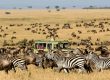
If you’re traveling between January and March, this is hands down the best place to be. This is calving season, and it’s kind of unbelievable. During peak weeks, around 8,000 baby wildebeest are born every single day. Yes, per day. It’s noisy, chaotic, and full of life.
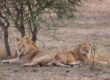
The land here is flat with very short grass, which makes wildlife spotting much easier. There’s nowhere to hide. That’s why cheetahs love this area. They can see far, run fast, and hunt in daylight. If cheetahs are high on your list, the South is hard to beat.
Go South if:
• You want to see baby animals everywhere
• You’re visiting early in the year (Jan–March)
• You love open plains and big skies
The North: Where the Drama Happens
Now, head north and things change pretty quickly.
The Northern Serengeti is greener, hillier, and feels more rugged. You start seeing rocky kopjes and thicker vegetation. It has a wilder, more raw vibe compared to the open south.
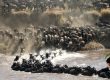
This area becomes famous between July and October, when the Great Migration reaches the Mara River. You’ve probably seen clips of this—thousands of wildebeest bunching up at the riverbank, hesitating, then suddenly charging into the water. Crocodiles wait below. Dust everywhere. Total chaos.
A Tanzania Wildlife Safari in the North can cost a bit more since it’s more remote, but for many travelers, it’s a once-in-a-lifetime moment.
Go North if:
• You want to witness the famous river crossings
• You prefer hills and rocky landscapes
• You’re traveling between July and October
So… Which One Is Right for You?
Honestly, it mostly comes down to your travel dates. The animals follow the rain, moving in a big circular pattern throughout the year.
• January to March → Southern Serengeti
• July to October → Northern Serengeti
• Any time → Central Serengeti (Seronera)
One important thing to avoid: going north in February or south in August. You’ll still see animals, but the main herds will be somewhere else, and that can be disappointing if you’re expecting migration action.
Let Someone Else Handle the Details
If all this sounds a bit much, don’t worry. You don’t need to study migration maps or guess where the herds might be.
At Nature Nest Safaris, we track this stuff constantly. We know where the animals are right now and which regions make sense for your travel dates. We build Tanzania Safaris Packages that actually match the season, not generic itineraries.