 Tanzania Safaris
Ruaha National Park, located in the heart of Tanzania, is one of the country’s largest conservation areas. Established in 1964, it was formerly part of the Rungwa Game Reserve. The park is named after the Great Ruaha River, which flows along its southeastern boundary and is a vital resource for wildlife. Renowned for its pristine wilderness, Ruaha offers visitors a more secluded safari experience compared to other popular Tanzanian parks like Serengeti and Ngorongoro Crater.
Location
Ruaha National Park is 130 kilometres west of Iringa, the closest urban centre. Found within the Rift Valley, the park features a variety of landscapes, including rolling hills, open plains, river valleys, and rugged escarpments. It is part of the larger Ruaha-Rungwa ecosystem, which includes neighbouring game reserves, forming a vast wilderness area for wildlife.
Size
Covering about 20,226 square kilometres, Ruaha is the largest national park in Tanzania and one of the largest in Africa. This vast area supports a rich biodiversity, encompassing ecosystems from miombo woodlands to riverine forests and savannas. The park’s size allows for a healthy balance of predators and prey, making it an ideal location for wildlife enthusiasts.
Key Highlights
WILDLIFE OF RUAHA NATIONAL PARK
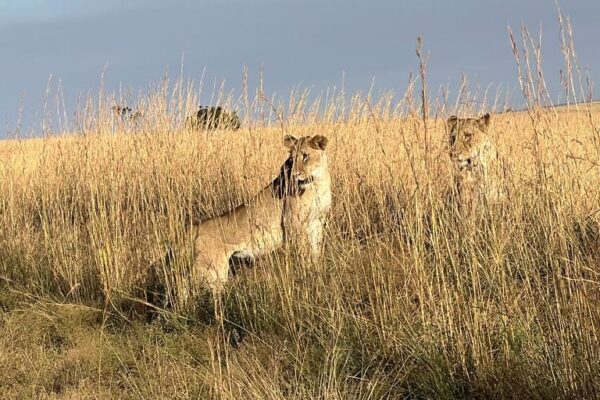
Ruaha is a premier wildlife destination, boasting remarkable biodiversity and large concentrations of iconic African animals. Its remote location allows for an authentic wildlife experience, showcasing species ranging from large predators to rare antelopes and hundreds of bird species.
Large Mammals
Herbivores and Rare Species
Birdlife
With over 570 recorded bird species, Ruaha is a birdwatcher’s paradise. Key species include:
Reptiles and Other Species
The park is home to many reptiles, including Nile monitors, various snakes, and large crocodiles often spotted in the river.
Conservation Challenges
Ruaha faces several conservation challenges, including poaching, human-wildlife conflict, and habitat degradation. Ongoing conservation efforts focus on protecting vulnerable species like elephants and wild dogs.
Unique Ecosystem
The combination of miombo woodlands, riverine forests, and open savannas supports a rich variety of wildlife, ensuring Ruaha remains one of Africa’s most authentic wildlife destinations. Visitors can witness an extraordinary array of animals in their natural habitat, away from the crowds.
VEGETATION OF RUAHA NATIONAL PARK
Ruaha’s vegetation reflects its position at the junction of several ecosystems, ranging from dense woodlands to open grasslands and riverine forests.
CLIMATE AND WEATHER CONDITIONS
Ruaha experiences a semi-arid climate, with distinct wet and dry seasons.
THE BEST TIME TO VISIT
GETTING TO RUAHA NATIONAL PARK
Reaching Ruaha involves a combination of air travel and road transport.
By Air
Regular flights from Dar es Salaam or Zanzibar to Ruaha Airport take approximately 1 to 1.5 hours.
By Road
Park Access
Key Features Along the Journey
In conclusion, travelling to Ruaha National Park is a rewarding experience, and offers opportunities to explore Tanzania’s landscapes and wildlife. The journey to this remote and stunning park is well worth the effort, whether by air or road.
KEY ACTIVITIES AND ATTRACTIONS AT RUAHA NATIONAL PARK
Ruaha National Park, a stunning wilderness in Tanzania, is celebrated for its diverse wildlife and breathtaking landscapes. Here are the key activities and attractions for visitors:
Walking Safaris
Ruaha is a birdwatcher’s paradise with over 570 species. The wet season (November to April) is rewarding for spotting migratory birds alongside resident species.
Scenic Views and Photography
Cultural Experiences
Visit Local Villages: Engage with nearby communities to gain insights into Tanzanian culture, participate in local activities, and learn about traditional crafts.
Fishing and River Activities
Night Safaris
Nocturnal Wildlife Viewing: Night drives reveal a different side of the park, with opportunities to spot nocturnal animals like bushbabies and servals.
Exploring Unique Ecosystems
Diverse Habitats: Discover various ecosystems, from miombo woodlands to riverine forests, each supporting different wildlife.
Visit the Ruaha River
Riverside Wildlife: The Great Ruaha River is crucial to the park’s ecosystem, providing chances to see hippos, crocodiles, and various bird species.
Eco-Lodges and Camps
Accommodations: Staying in eco-lodges or camps within or near the park enhances the experience, often including guided activities and stunning views.
ATTRACTIONS NEAR RUAHA NATIONAL PARK
Several nearby attractions complement the wildlife experience and allow visitors to explore Tanzania’s natural beauty and cultural heritage:
Iringa Town
About 120 kilometers from Ruaha, Iringa is known for its historical significance and vibrant markets.
Attractions:
Approximately 200 kilometers from Ruaha, Mikumi is accessible and perfect for wildlife enthusiasts.
Attractions:
Udzungwa Mountains National Park
About 80 kilometers from Ruaha, the park is renowned for its biodiversity and lush rainforest.
Attractions:
Kisolanza Farm
Near Iringa, this farm offers a peaceful retreat.
Attractions:
About 100 kilometers from Ruaha, known as the “Serengeti of Flowers” for its stunning wildflower displays.
Attractions:
Ruaha Cultural Experience
Connect with local communities to deepen your understanding of Tanzanian culture.
Attractions:
ACCOMMODATION OPTIONS NEAR RUAHA NATIONAL PARK
Ruaha offers a variety of accommodations for different budgets and preferences:
Luxury Lodges:
Mid-Range Lodges:
Budget Options
Camping: Designated campsites within the park offer a rustic experience. Some lodges also provide camping facilities.
Eco-Friendly Accommodations
Many tour operators offer packages that include accommodations, meals, and guided activities for a hassle-free experience.
REASONS TO VISIT RUAHA NATIONAL PARK
Ruaha National Park is a captivating destination for those seeking an authentic and immersive African safari experience.
Ready to plan your East African adventure? Browse our curated safari experiences:
Trips that match this guide. Every itinerary can be tailored to your dates and budget, and quotes are free.
 Tanzania SafarisTanzania Public Campsite Safari: 8-Day Route & Park FeesRead article →
 Kenya Safari TourSerengeti vs Masai Mara: Which Great Migration Safari Is Right for UK Travellers in 2026?Read article →
 Safari PlanningNgorongoro Crater Safari 2026: The Complete Guide for UK and European TravellersRead article →
Tell us when and how many of you are travelling. A real person replies by email or WhatsApp within 24 hours with a line-by-line quote. No deposit until you are happy with the plan.
Let our expert team craft your perfect safari adventure. Custom itineraries, competitive prices, and unforgettable experiences.
Start Planning Your Safari