 Kenya Safari Tour
Ask ten safari-goers whether the Serengeti or the Masai Mara is the better choice for the Great Migration and you will get ten confident, contradictory answers. For European travellers planning a 2026 trip, the honest answer is that both are extraordinary — but they suit different kinds of trips, budgets and travel dates. Here is how they actually compare, from a company that runs safaris in both countries.
The Great Migration is a single, continuous loop of roughly two million wildebeest and zebra moving through the Serengeti-Mara ecosystem in search of grass and water. It does not stop at the Kenya-Tanzania border, so “which park is better” really means “which park is better when you are travelling.”
Broadly: the Serengeti holds the herds for most of the year, including calving season in the southern plains (January to March) and the dramatic Grumeti River crossings (May to July). The Masai Mara’s window is narrower but famous — the Mara River crossings, with their crocodiles and chaos, typically run from late July through October. British and European travellers booking a summer holiday around the school break often land squarely in Mara crossing season, which is one reason Kenya is so popular for a July or August trip from London.
For UK and European travellers, access is a real factor. The Masai Mara is roughly a 45-minute light aircraft hop from Nairobi, which itself has direct flights from London Heathrow (around 8-9 hours) as well as Amsterdam, Paris and Frankfurt. The Serengeti is typically reached via Kilimanjaro or Arusha, with a similar direct flight time from London, followed by a longer light aircraft transfer or a scenic road route through Ngorongoro.
In practice, Kenya tends to suit a shorter, more contained one-week trip from Europe, while Tanzania rewards travellers who can combine the Serengeti with the Ngorongoro Crater and a Zanzibar beach extension for a fuller two-week itinerary.
Tanzania’s park fees and premium lodge rates generally run higher than Kenya’s, partly reflecting the country’s more exclusive, lower-density tourism model. A mid-range week-long Serengeti safari for a European couple typically starts from around £2,800-£3,500 per person, while a comparable Masai Mara itinerary can start from roughly £2,200-£2,900 per person, both excluding international flights. Kenya’s Mara conservancies (private land bordering the reserve) add a premium but offer exclusive game drives, walking safaris and night drives that the national reserve itself does not permit.
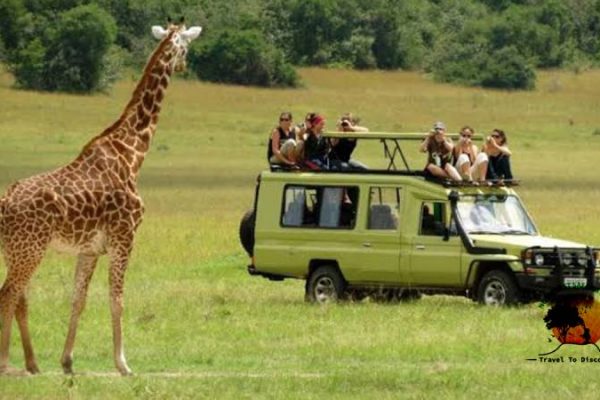
The Serengeti is vast — its name comes from the Maasai word for “endless plains” — and its scale means you can go hours without seeing another vehicle, which many European travellers find is worth the extra cost alone. The Masai Mara is smaller and the crossing points are well known, so peak crossing weeks can mean more vehicles at the riverbank. The conservancies around the Mara solve this by limiting visitor numbers, at a higher price.
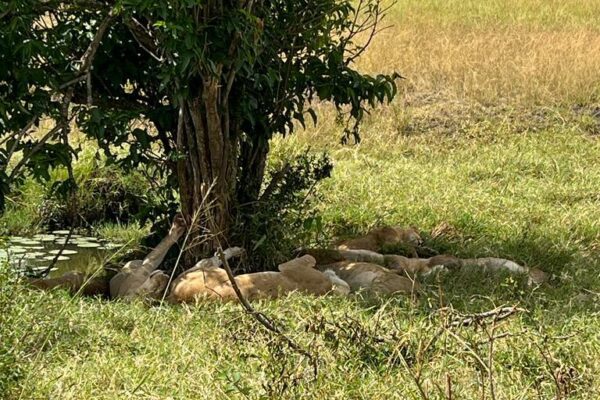
Both ecosystems offer strong Big Five sightings year-round, so neither should be chosen on lion or elephant sightings alone.
If you are travelling in July, August or September and want the classic river-crossing spectacle in a shorter trip from London, the Masai Mara is hard to beat. If you have ten days or more, want fewer crowds, and would like to combine the migration with the Ngorongoro Crater or a Zanzibar beach finish, the Serengeti is the stronger choice — and January to March calving season is a genuinely underrated alternative to the crowded crossing months.
Many of our European clients solve the dilemma entirely by doing both over two separate trips, a few years apart — Kenya for the classic Mara crossing, Tanzania for the scale of the Serengeti and Ngorongoro combined.
Whichever side of the border you choose, book six to nine months ahead for peak crossing season, as the best camps on both sides fill up fast with European and North American travellers. Ready to plan your safari? Contact Nature Nest Safaris at book@naturenestsafaris.com or call +256 777 131 912, and we will help you choose the right park, month and itinerary for your budget in GBP.
Ready to plan your East African adventure? Browse our curated safari experiences:
Trips that match this guide. Every itinerary can be tailored to your dates and budget, and quotes are free.
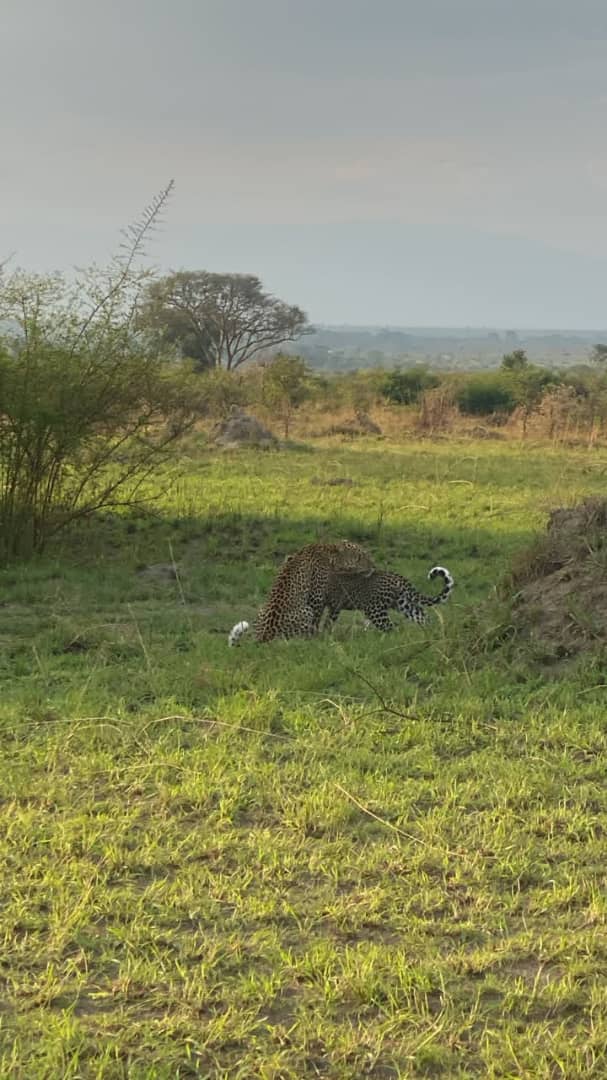
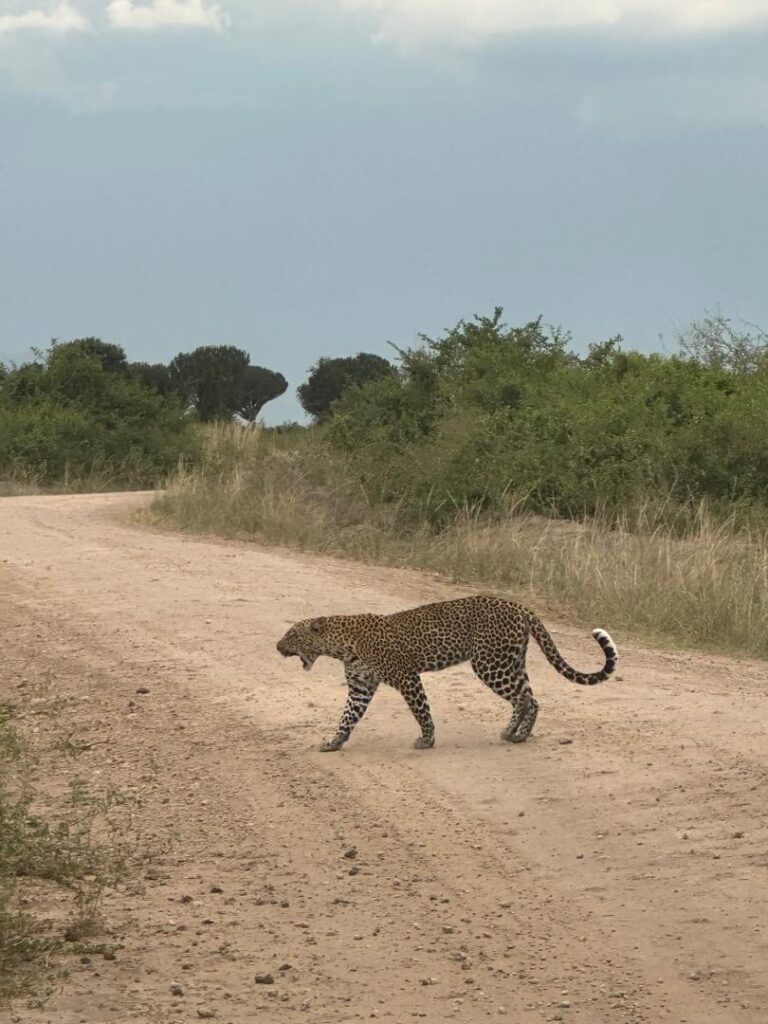 Safari PlanningSpotting Leopards in Uganda: A Big Cat Safari Guide for UK & European TravellersRead article →
 Cultural ExperiencesMeeting the Maasai: Authentic Cultural Safari Experiences for European TravellersRead article →
 Safari PlanningBest Time to Visit East Africa for a Safari: A Month-by-Month Guide for UK & European TravellersRead article →
Let our expert team craft your perfect safari adventure. Custom itineraries, competitive prices, and unforgettable experiences.
Start Planning Your Safari