 Safari Planning
The Ngorongoro Crater is the world’s largest unbroken volcanic caldera and one of the few places in East Africa where you can see the Big Five in a single game drive. Covering roughly 260 square kilometres of grassland, forest and lake, the crater floor is home to around 25,000 large animals — lions, elephants, buffalo, black rhino and leopard among them. For European travellers building a Tanzania itinerary, it is one of the most rewarding stops you can make.
The crater sits inside the Ngorongoro Conservation Area, a UNESCO World Heritage Site in northern Tanzania. Unlike a traditional national park, the Maasai people still live and graze cattle alongside wildlife here, creating a landscape unlike anything else on the continent.
Most European travellers fly into Kilimanjaro International Airport (JRO), which receives direct connections from Amsterdam on KLM and from Istanbul on Turkish Airlines. From London Heathrow, the journey takes around 11 to 13 hours with one stop. Kilimanjaro airport is roughly three and a half hours by road from the crater rim, making it easy to reach on your first or second day.
Alternatively, you can fly into Arusha Airport on a domestic connection from Dar es Salaam or Zanzibar and drive up from there. Your safari operator handles all transfers — you do not need to arrange transport yourself.
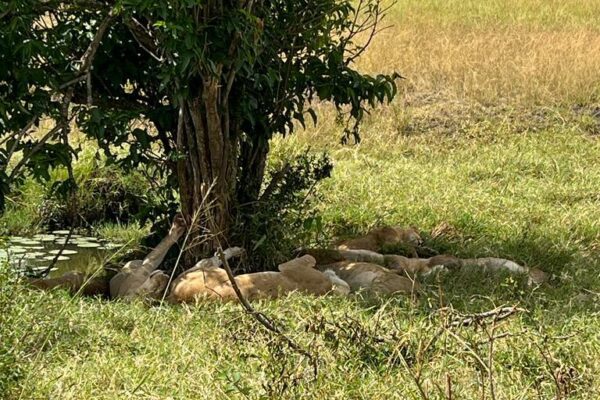
A crater game drive typically lasts four to five hours. Your vehicle descends from the rim along one of the access roads and reaches the floor at around 1,800 metres above sea level. The enclosed ecosystem means animal density is exceptionally high — on a good morning you can spot lion prides, hyena clans, zebra herds, wildebeest, flamingos on Lake Magadi, hippos in the Ngoitokitok springs and, with luck, one of the crater’s roughly 30 black rhinos.
Elephants in the crater are almost exclusively old bulls — breeding herds live in the surrounding highlands and occasionally descend. Cheetah sightings are less common than on the Serengeti plains but do happen, and leopards use the forested rim and Lerai Forest on the crater floor.
Ngorongoro Conservation Area charges separate fees for entry and for descending into the crater. As of 2026, the entry fee is $70.80 per person per 24 hours, and the crater service fee — required for every vehicle that drives onto the floor — is $295 per vehicle. Your operator bundles these into the safari price, but it helps to understand what you are paying for.
A three-night Ngorongoro and Serengeti safari typically costs between £2,800 and £4,500 per person from a local operator like Nature Nest Safaris, depending on lodge tier. That includes all park fees, game drives, meals, and internal transfers. Flights from London add roughly £450 to £700 return.
The crater is a year-round destination, but conditions vary. June to October is the dry season — cool, clear mornings, excellent visibility and firm roads. This is peak season, and lodges fill early. January and February are warm and dry, coinciding with calving season on the nearby Serengeti short-grass plains, making a combined itinerary especially rewarding.
The long rains run from March to May. Lodge rates drop by 20 to 40 per cent, the crater is green and lush, and visitor numbers are low. Roads can be muddy but passable in a 4×4. November and early December bring short rains — brief afternoon showers that rarely interrupt game drives.
Crater rim lodges offer spectacular views straight down into the caldera. Ngorongoro Serena Safari Lodge, Ngorongoro Sopa Lodge, and the &Beyond Ngorongoro Crater Lodge are the best-known options, ranging from mid-range to ultra-luxury. Budget travellers can stay in Karatu, a town about 20 minutes from the rim gate, where comfortable guesthouses start at around £60 per night.
For a multi-day safari, most itineraries pair one or two nights at the crater with three or four nights in the Serengeti, giving you both the concentrated crater wildlife and the open-plains experience of the northern circuit.
The classic northern Tanzania circuit runs Arusha — Tarangire — Ngorongoro — Serengeti. In seven days you cover three distinct ecosystems, and the drive between parks is part of the experience — Rift Valley viewpoints, Maasai villages, and baobab-studded savanna along the way.
Nature Nest Safaris offers several itineraries that include the Ngorongoro Crater, from a compact 5-day Tanzania safari to a comprehensive 7-day northern circuit. Multi-country options adding Kenya’s Masai Mara or Uganda gorilla trekking are also available.
Bring warm layers for the crater rim — temperatures drop to around 10°C at night and early morning game drives start before sunrise. A good pair of binoculars is essential for spotting rhinos at distance. The crater floor has no fuel stations and limited toilet facilities, so come prepared.
Tanzania accepts Visa on Arrival for most European nationalities at $50, though an e-Visa applied for in advance saves time at immigration. Yellow fever vaccination certificates are required if you are arriving from or transiting through an endemic country, including Kenya and Uganda.
Nature Nest Safaris arranges Ngorongoro Crater safaris as part of our northern Tanzania packages. We handle permits, lodges, transfers, and everything in between — you just turn up at the airport. Contact us at book@naturenestsafaris.com or call +256 777 131 912 for a free, no-obligation quote.
Ready to plan your East African adventure? Browse our curated safari experiences:
Trips that match this guide. Every itinerary can be tailored to your dates and budget, and quotes are free.
 Safari PlanningSpotting Leopards in Uganda: A Big Cat Safari Guide for UK & European TravellersRead article →
 Cultural ExperiencesMeeting the Maasai: Authentic Cultural Safari Experiences for European TravellersRead article →
 Safari PlanningBest Time to Visit East Africa for a Safari: A Month-by-Month Guide for UK & European TravellersRead article →
Let our expert team craft your perfect safari adventure. Custom itineraries, competitive prices, and unforgettable experiences.
Start Planning Your Safari