 Safari Planning
Most people book a safari without any real idea of how the days are structured. Brochures show lions and lodges; they rarely tell you that you will be awake before sunrise, eating breakfast in the dark, and back at camp by mid-morning. For European travellers used to leisurely holiday mornings, that comes as a surprise.
Here is an honest, hour-by-hour account of what a safari day in Uganda, Kenya or Tanzania actually looks like — so you arrive knowing what to expect.
There are no alarm clocks in most camps. A member of staff knocks gently on your tent or door, often with a flask of coffee or tea. It is still dark, and at altitude — Ngorongoro, Bwindi, the Mara highlands — it is genuinely cold. Expect 8–12°C. This is why every packing list insists on a fleece, even for an equatorial holiday.
You will have laid out your clothes the night before. Layers matter: you will start the morning shivering and be in a t-shirt by 9am.
This is the best wildlife hour of the day, and there is no substitute for being out in it. Predators are still active after the night’s hunting. Lions are feeding or walking back to shade. Leopards are visible before they climb up to sleep. The light is soft and gold, which is why almost every safari photograph you have admired was taken before 8am.
You will be in an extended Land Cruiser with a pop-up roof, and your driver-guide will be in radio contact with other vehicles. Sightings get shared. When someone finds a kill, everyone knows within minutes.
Roads are rough. Ugandans call it the African massage, and they are not joking. It is bumpy, dusty, and completely worth it.
You either return to the lodge for a full breakfast, or the guide sets up a folding table under an acacia and serves a picnic breakfast in the middle of the park. The bush breakfast is one of the quiet highlights of any safari, and if your itinerary does not include one, ask.
Between about 11am and 3pm, the wildlife disappears into the shade and so do you. This is the part first-timers do not anticipate: safari has substantial downtime. Bring a book, a spare camera battery, and a laptop if you must. Many lodges have pools, and the better ones have a viewing deck over a waterhole where the game comes to you.
Some days this window is filled instead — a Kazinga Channel boat safari, a village walk, a visit to a rhino sanctuary. But on a classic game-viewing day, midday is for resting.
Tea, coffee and cake at around 3:30pm, then out again by 4pm as the heat breaks. Elephants come out to drink. Buffalo herds move across open ground. Predators start to stir. In Uganda’s Ishasha sector this is when the tree-climbing lions come down; in the Mara it is prime time for cheetah.
Your guide will stop somewhere with a view, open a cool box, and pour a gin and tonic or a cold Nile Special. The sun near the equator drops fast — you get roughly twenty minutes of spectacular light and then it is dark. This is the moment most people describe when they get home.
Dinner is usually three courses, often communal. Afterwards a guard walks you back to your tent, because hippo, buffalo and elephant wander through camps at night. Do not walk around unaccompanied after dark. You will hear hyena whoop and, if you are lucky, lions calling — a sound that carries for miles and is unmistakable through canvas.
Lights out early. The next wake-up call is in eight hours.
Two things follow from this rhythm. First, jet lag works in your favour: at only 1–3 hours ahead of the UK and central Europe, an East African safari has no meaningful time difference, so the early starts are easier than they sound. Overnight flights from London to Entebbe, Nairobi or Kilimanjaro land in the morning, letting you begin the following day fresh.
Second, pace matters more than length. Six nights with two parks is far better than six nights with four, because long transfer days eat the good hours. If you have a week, choose fewer destinations and stay longer in each.
A typical 6-day Uganda or Kenya safari with a private guide, park fees, full board and airport transfers costs from around £1,600–£2,000 per person, excluding international flights. Return flights from London run roughly £550–£800 depending on season.
We are a Ugandan-based operator running trips across Uganda, Kenya, Tanzania and Rwanda, and we build itineraries around the rhythm above rather than cramming in mileage. Contact Nature Nest Safaris at book@naturenestsafaris.com or call +256 777 131 912 and we will put together a day-by-day plan that suits your pace.
Ready to plan your East African adventure? Browse our curated safari experiences:
Trips that match this guide. Every itinerary can be tailored to your dates and budget, and quotes are free.
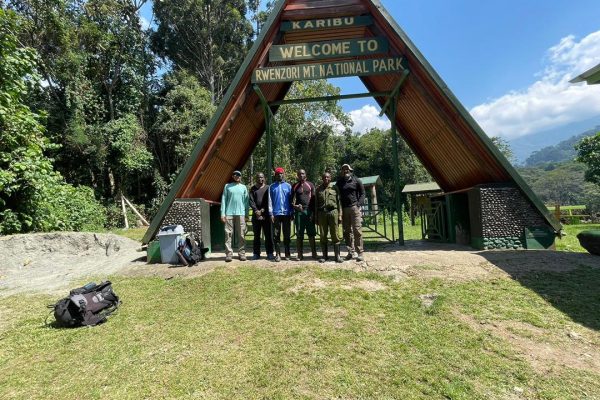 6 days · Uganda6 Days Rwenzori Mountains Central Circuit TrekFrom
 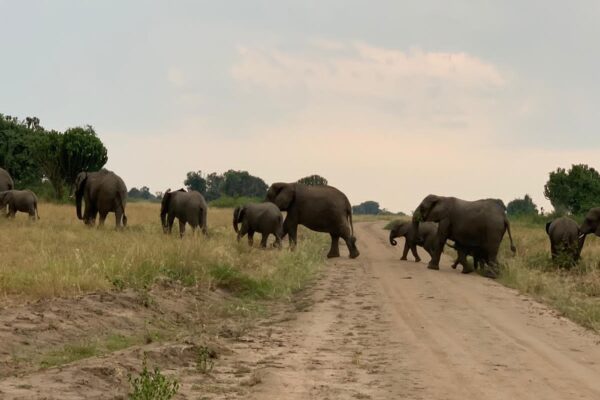 7 days · Uganda7 Days Rwenzori Mountains TrekkingFrom ,200 pp · View itinerary →
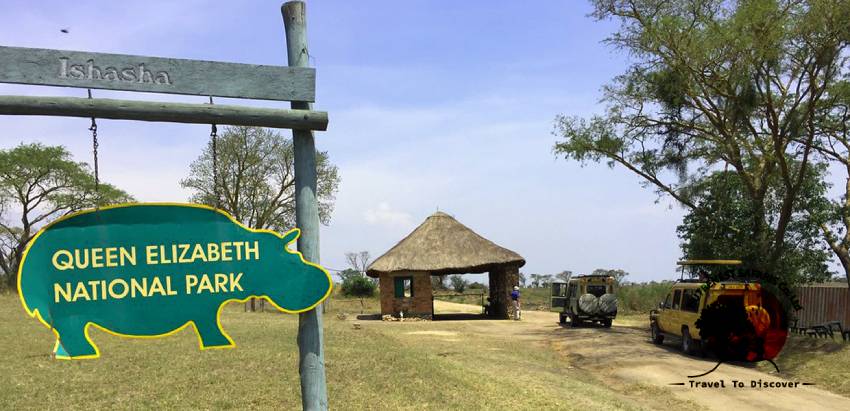 4 days · Uganda4 Days Uganda Safari Queen ElizabethFrom
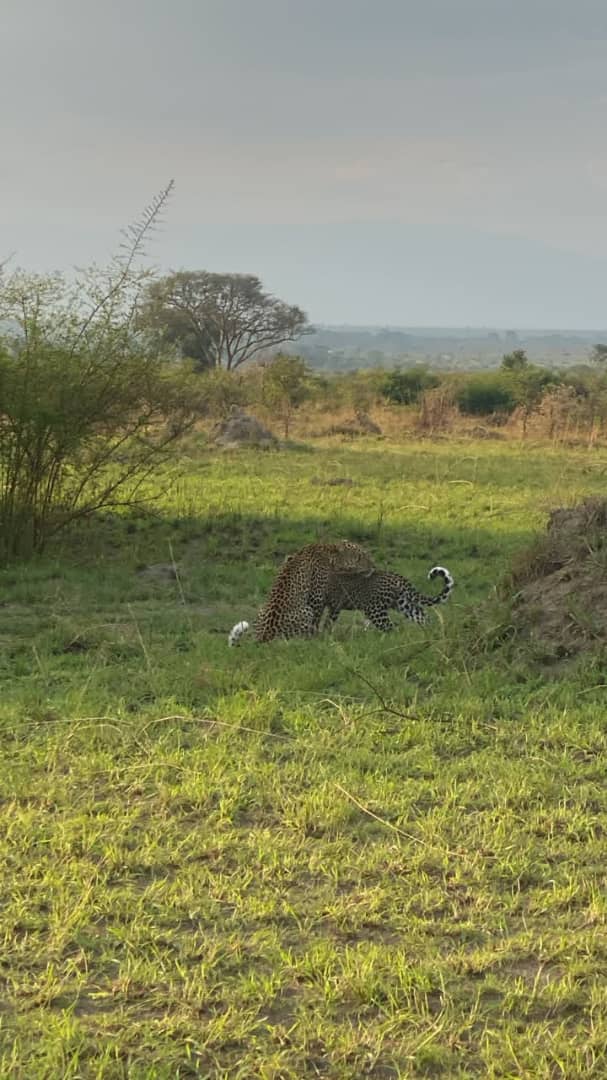
 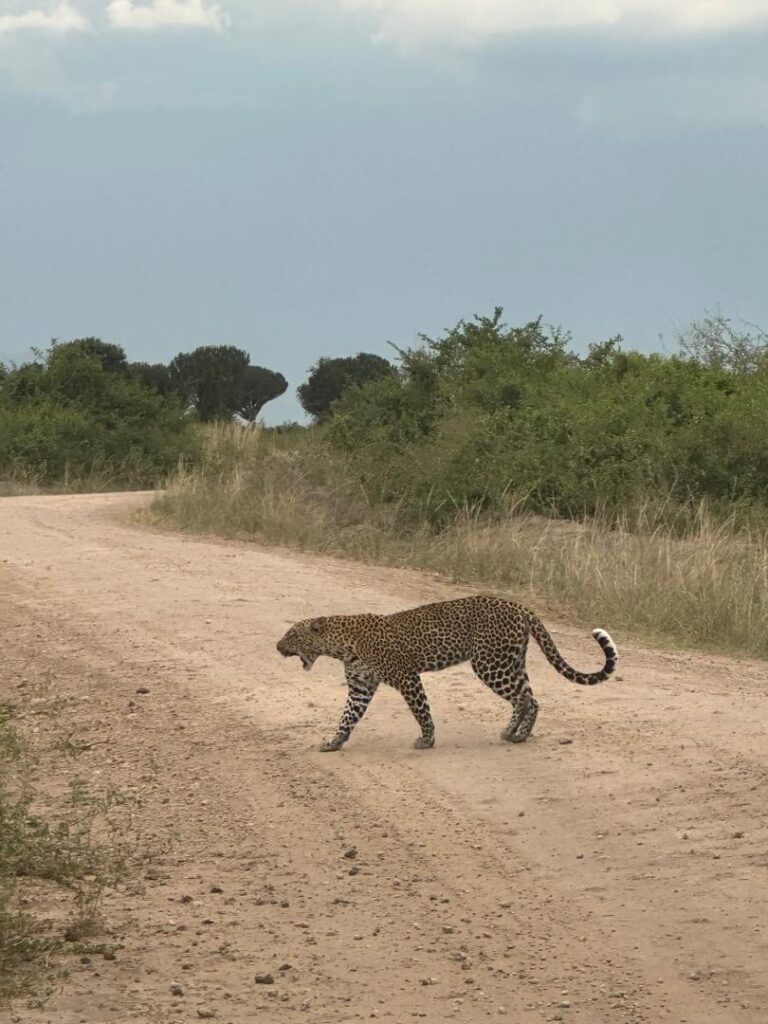 Safari PlanningSpotting Leopards in Uganda: A Big Cat Safari Guide for UK & European TravellersRead article →
 Cultural ExperiencesMeeting the Maasai: Authentic Cultural Safari Experiences for European TravellersRead article →
 Safari PlanningBest Time to Visit East Africa for a Safari: A Month-by-Month Guide for UK & European TravellersRead article →
Let our expert team craft your perfect safari adventure. Custom itineraries, competitive prices, and unforgettable experiences.
Start Planning Your Safari