 Safari Planning
Ask ten operators when to visit East Africa and you’ll get ten answers. The honest one is that there is no single best month — there is a best month for what you want to see. A traveller flying from London for river crossings needs a completely different window from one coming for gorillas or a honeymoon on a quiet plain.
Here is the 2026 calendar as we actually plan it for European clients.
East Africa runs on two dry seasons and two wet ones. The long dry season falls roughly June to October, the short dry season December to February. Long rains come in April and May; short rains arrive in November.
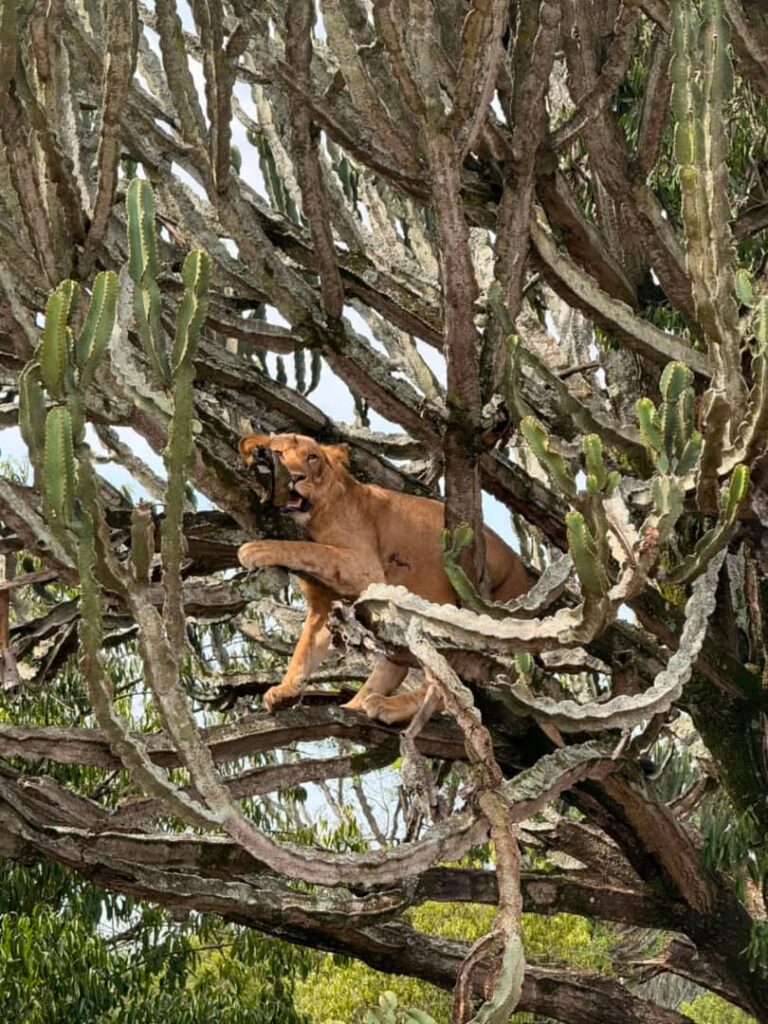
Dry months concentrate wildlife around shrinking water sources, thin out the grass, and firm up the tracks. That is why game viewing peaks then — the lions in the photo above were found on open, sun-bleached plains with zebra a few hundred metres away, a sighting that simply doesn’t happen when the grass is waist-high.
Excellent, and underrated by British travellers. The Serengeti’s southern plains fill with calving wildebeest in late January and February, which draws predators in numbers. Skies are clear, temperatures pleasant, and crowds lighter than July. Flights from London typically run £500–£650 return via Nairobi, Addis Ababa or Doha.
The value window. Rain usually falls in short afternoon bursts rather than all day, and the landscape turns spectacularly green — a photographer’s season. Some remote camps close in April, and Uganda’s Bwindi trails become genuinely slippery, but lodge rates can fall 30–40% and parks feel empty. If your budget matters more than guaranteed sunshine, this is where the deals are.
The classic European summer safari, and the busiest. Wildlife viewing is superb across Uganda, Kenya and Tanzania. The Great Migration reaches the northern Serengeti through July, with Mara River crossings usually beginning in late July. Book eight to ten months out: by March, the best Mara and Serengeti camps for August are already gone, and flights from London climb toward £750–£900.
If we had to pick one window for a first safari, it would be this. The migration is still in the Masai Mara, the weather is dry, the school-holiday crowds have gone home, and rates soften from mid-September. October is also one of the best months for gorilla trekking — firm trails, comfortable temperatures, and permits easier to secure than in July.
November brings brief showers and quiet parks at low-season prices; it is one of the most overlooked months of the year. From mid-December, the short dry season returns and festive demand pushes prices up sharply. Christmas and New Year departures need booking by August.
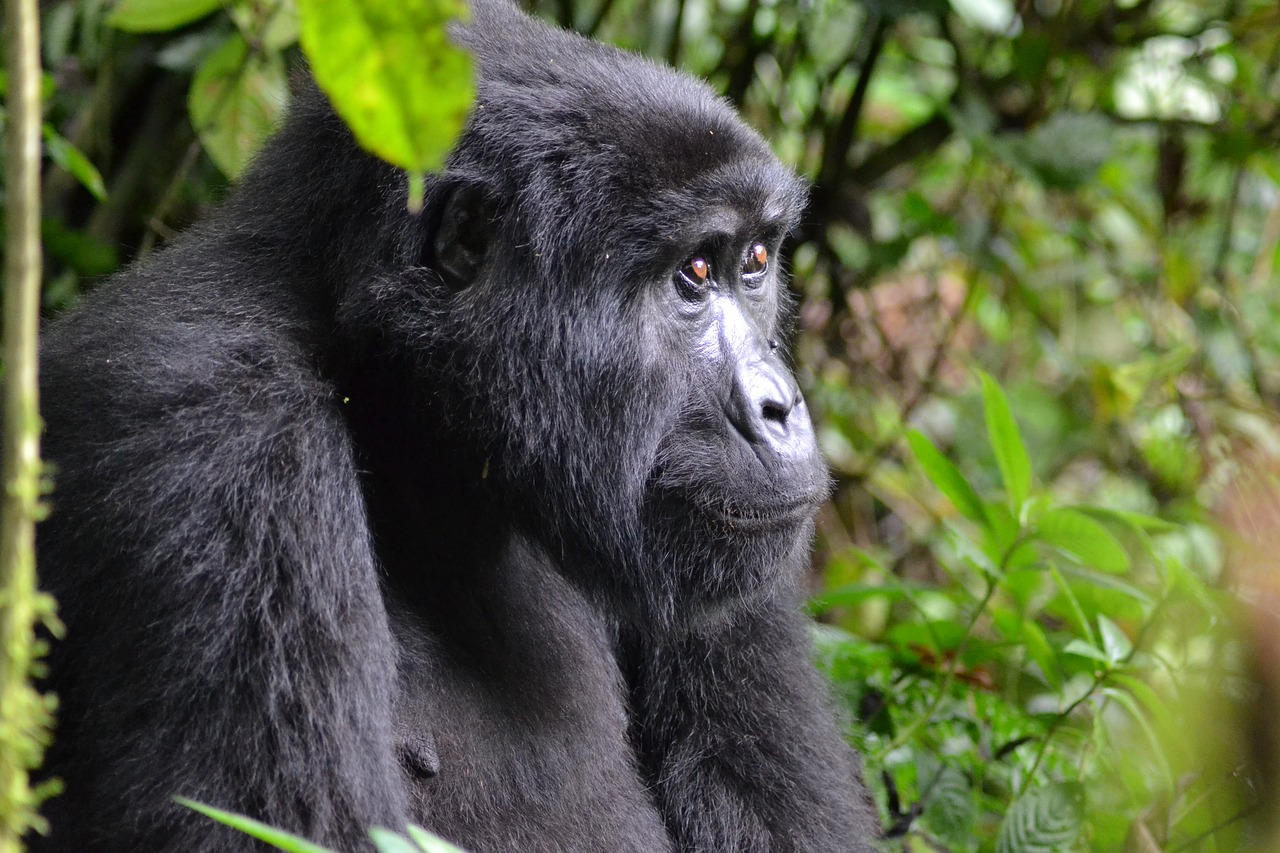
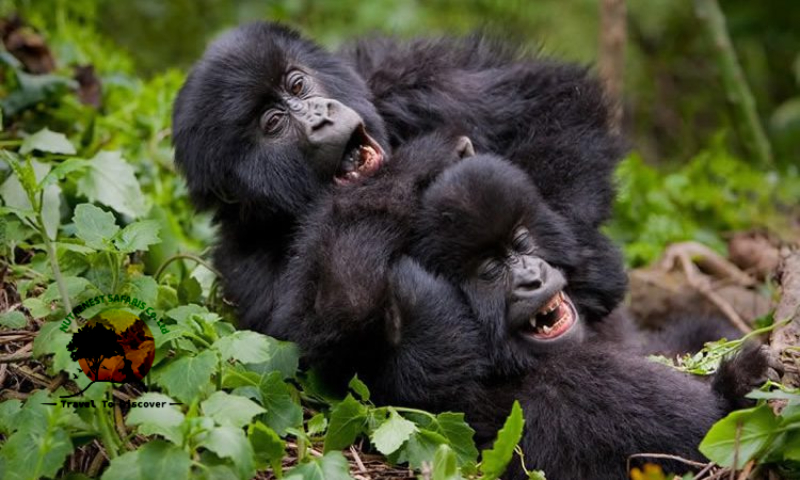
Bwindi and Volcanoes National Park can be trekked year-round — gorillas do not migrate. The practical difference is mud. June to September and December to February give the driest trails and the easiest walking. A Uganda permit costs $800 in 2026, Rwanda’s $1,500, and both should be secured months in advance for peak months.
One more piece of practical advice for European visitors: build in a buffer day. Long-haul arrivals into Entebbe, Nairobi or Kilimanjaro often land late at night, and starting a game drive on four hours’ sleep is a waste of an expensive morning.
Ready to plan your safari? Contact Nature Nest Safaris at book@naturenestsafaris.com or call +256 777 131 912 — we’ll match your dates to the right park rather than sell you the same itinerary as everyone else.
Ready to plan your East African adventure? Browse our curated safari experiences:
Trips that match this guide. Every itinerary can be tailored to your dates and budget, and quotes are free.
Let our expert team craft your perfect safari adventure. Custom itineraries, competitive prices, and unforgettable experiences.
Start Planning Your Safari