 Safari Planning
Ask any wildlife lover which animal tops their safari wish list and the leopard is never far from the top. Elusive, powerful and impossibly beautiful, it is the cat that keeps even seasoned guides on their toes. For British and European travellers flying out from London, Uganda offers one of East Africa’s most rewarding — and least crowded — chances to see one.
Uganda is best known for mountain gorillas, but its savannah parks are quietly excellent for big cats. Lower visitor numbers mean quieter tracks, calmer sightings and more time with your guide watching one animal rather than queuing behind a dozen vehicles. For European visitors used to the crowds of the more famous northern circuits, that sense of space is a real draw.
Leopards are solitary and mostly nocturnal, so patience matters. But Uganda’s varied habitats — open plains, riverine forest, acacia woodland and rocky outcrops — give these cats plenty of places to rest, hunt and, if you’re lucky, cross the road in front of you at dawn or dusk.
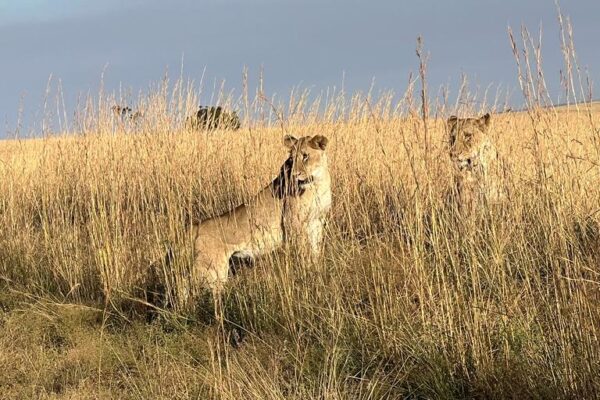
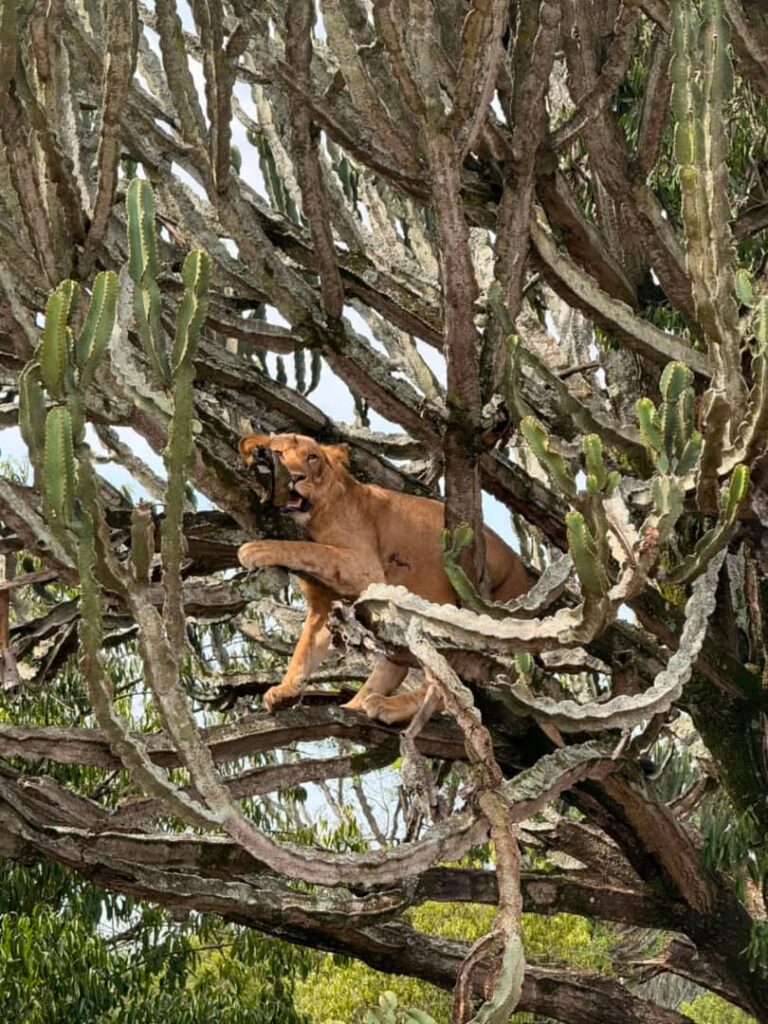
Queen Elizabeth National Park is the classic choice. Its mix of grassland, crater lakes and the Kazinga Channel supports lions, leopards, elephants, buffalo and huge numbers of birds. Early-morning and late-afternoon game drives give you the best odds, and night drives with an experienced guide can turn up leopards on the hunt.
Murchison Falls National Park offers dramatic scenery and excellent predator viewing north of the Nile, where leopards are seen from time to time along the woodland edges.
Kidepo Valley National Park is remote and wild, ideal for travellers who want a genuine off-the-beaten-track feel and are happy to fly in from Entebbe.
Uganda’s two dry seasons — roughly December to February and June to September — make for easier driving and better visibility as the grass thins and animals gather near water. That fits neatly with UK school holidays and the European summer break, so book early if you plan to travel then. The wetter months are greener and quieter, with lower rates and excellent birdwatching, though tracks can be muddier.
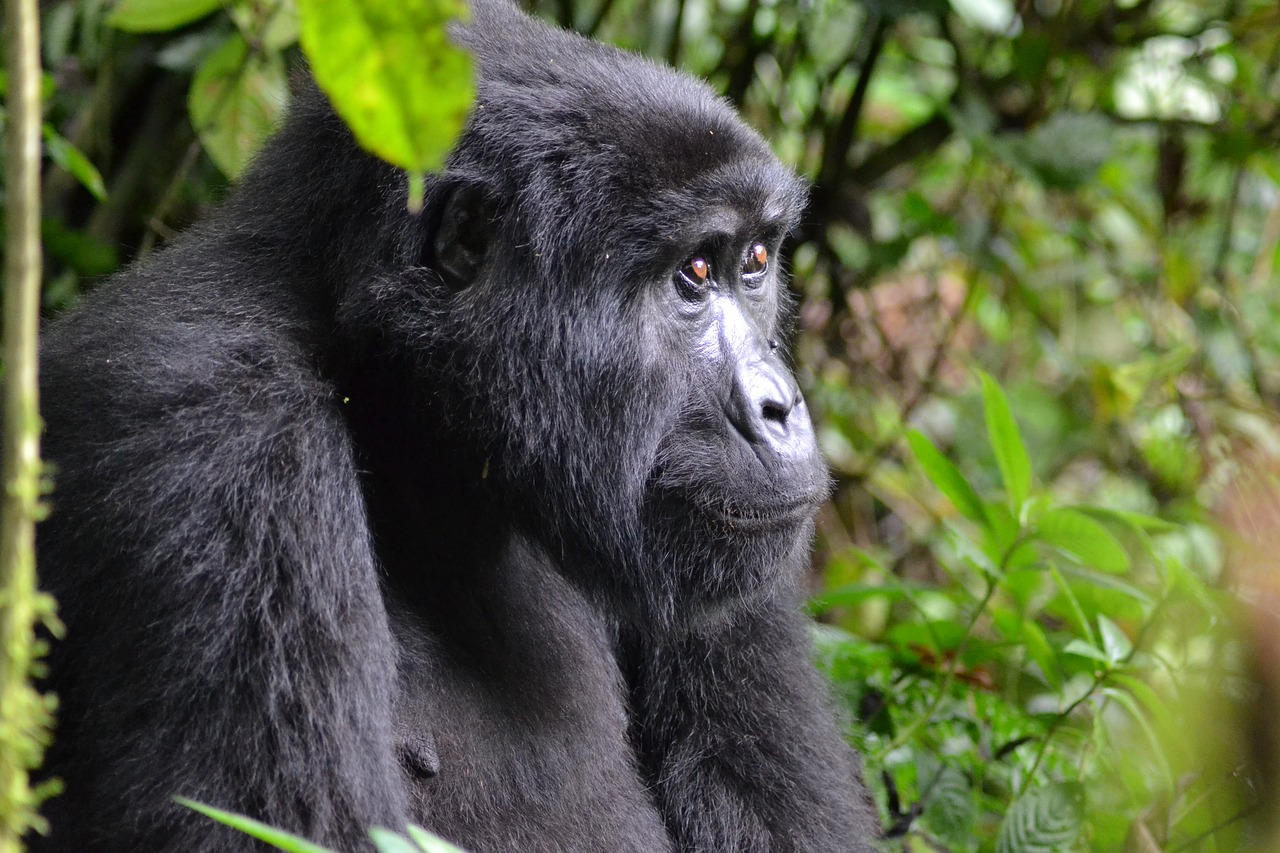
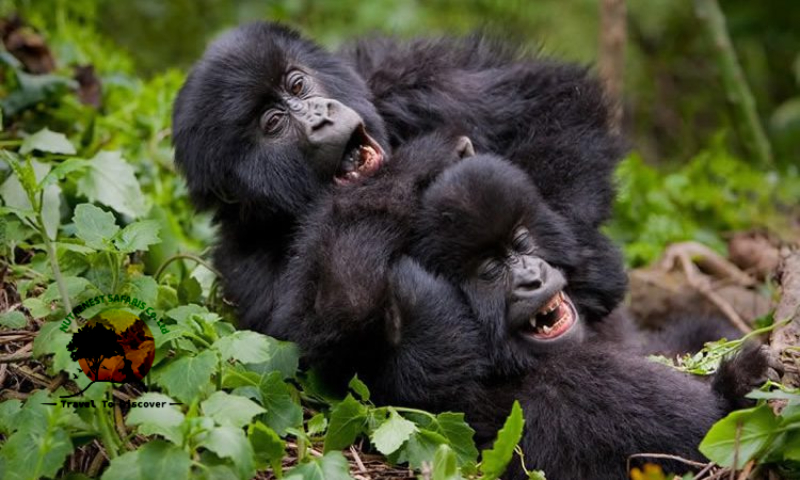
Many of our British guests pair a big cat safari with gorilla trekking in Bwindi Impenetrable National Park. Queen Elizabeth sits conveniently between Entebbe and Bwindi, so a well-planned itinerary can take you from savannah to rainforest without long, gruelling transfers. It is one of the best value ways to combine two very different East African experiences in a single trip.
Direct and one-stop flights connect London and other European hubs to Entebbe, typically with a short connection in a Gulf or East African hub. Most travellers arrive in the evening, overnight near the airport and set off for the parks the next morning. Safari costs are usually quoted in US dollars, so it’s worth checking the pound-to-dollar rate when you budget. We’ll gladly give you an all-inclusive quote in GBP with no surprises, covering your vehicle and driver-guide, park fees, accommodation and meals.
Neutral-coloured clothing, a warm layer for early mornings, sturdy walking shoes, a good hat, sunscreen and insect repellent. Bring binoculars and a camera with a decent zoom lens — even a compact one will do wonders. Speak to your GP or travel clinic well before departure about vaccinations and malaria prevention.
We’re a local Ugandan team who know these parks intimately. Our driver-guides spend their lives tracking wildlife, and we design every itinerary around what you most want to see — whether that’s a spotted cat on a dusty track, a family of gorillas or both.
Ready to plan your safari? Contact Nature Nest Safaris at book@naturenestsafaris.com or call +256 777 131 912.
Ready to plan your East African adventure? Browse our curated safari experiences:
Trips that match this guide. Every itinerary can be tailored to your dates and budget, and quotes are free.
Let our expert team craft your perfect safari adventure. Custom itineraries, competitive prices, and unforgettable experiences.
Start Planning Your Safari