 Travel Tips
Few birds stop people in their tracks like the shoebill: a metre-tall, slate-grey giant with a bill shaped like a Dutch clog and a stare that has earned it the nickname “the King of the Papyrus”. The easiest place on earth to see one is Mabamba Swamp, a Ramsar-listed wetland on the shore of Lake Victoria, just 50 km from Entebbe International Airport. For travellers flying in from Frankfurt, Amsterdam, Paris or Brussels, that means you can tick off one of Africa’s great birding prizes within about 24 hours of landing.
This guide explains what the trip involves, what it costs in euros, how to fit it around a European long-haul arrival, and where it does and does not work.
Shoebills are shy, solitary and thinly spread across the papyrus swamps of South Sudan, Zambia and Uganda. Mabamba is different: its shallow channels are narrow enough for a small canoe, and the resident birds have grown used to quiet paddle-powered visitors. Local guides from the Mabamba Bay Wetland Ecotourism Association know the individual birds’ favourite fishing spots, and success rates are high, often quoted at 90 percent or more on a morning trip. It is never a guarantee, so keep your expectations honest.
You will also see far more than shoebills. Expect blue-breasted bee-eaters, the striking African jacana (“Jesus bird”) stepping across lily pads, malachite kingfishers, purple swamphens, papyrus gonoleks and, if you are lucky, the shy sitatunga antelope. Even a non-birder will enjoy the glide through the papyrus tunnels.
Entebbe (EBB) is well connected from the continent. The most common routings from EU hubs are:
Because many European flights land in the evening or early morning, you have two sensible plans: sleep in Entebbe and do Mabamba the next morning, or, if you land at dawn, go straight to the swamp and treat it as your arrival-day activity.
Prices vary by group size and season, so treat these as planning ranges rather than quotes:
In practice, a full-service one-day shoebill excursion for two people usually lands between €120 and €190 per person including transfers. Our 1 Day Mabamba Shoebill Birding Safari is built around exactly this format.
Day 1: Arrive Entebbe. Land, meet your driver-guide, and transfer to a lodge on the lake shore. If you have energy, walk the Entebbe Botanical Gardens, where black-and-white colobus monkeys, grey parrots and lake views are a gentle way to shake off the flight. Dinner of fresh tilapia at your lodge.
Day 2: Mabamba Swamp. Depart at about 6:00 am for the 60 to 90 minute drive. Board your canoe at first light, when the birds are most active, and paddle for two to three hours. Return to the landing point for a packed breakfast, then head back to Entebbe or on to Kampala. In the afternoon, visit the Uganda Wildlife Education Centre for a close look at rescued animals, or take a boat trip to Ngamba Island Chimpanzee Sanctuary.
Day 3: Onward or home. Either fly out on an evening departure, or continue to a bigger safari. Many guests turn Mabamba into the opening act of our 2 Days Mabamba Birding Safari or a longer 11 Days Uganda Primates & Birding Safari that adds Kibale, Queen Elizabeth and Bwindi. Browse everything we run in the country on our Uganda safaris page.
Shoebills can be seen year-round at Mabamba, but the drier months, December to February and June to August, make the roads easier and the swamp channels less crowded with floating vegetation mats. During the long rains of March to May, roads can be muddy and rain often falls in the afternoon, though mornings are frequently clear and birdlife is at its most active. Migratory species swell the checklist from November to April, which is a bonus for keen birders. For a wider look at the season, see our East Africa birdwatching guide.
Pros: Very close to the airport, so it fits a short layover or arrival day. Success rates are high compared with any other shoebill site. It is affordable, low-impact and directly supports the local wetland community. It suits families and less mobile visitors because there is almost no walking.
Cons: Early starts are non-negotiable, and the sun on the water gets hot by mid-morning. You sit still in a canoe for hours, so it is less exciting than a game drive if you are not into birds. Sightings are wild and therefore never guaranteed, and heavy rain can shorten the trip.
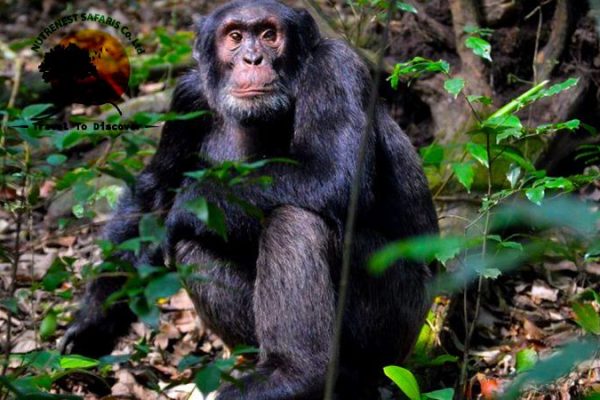
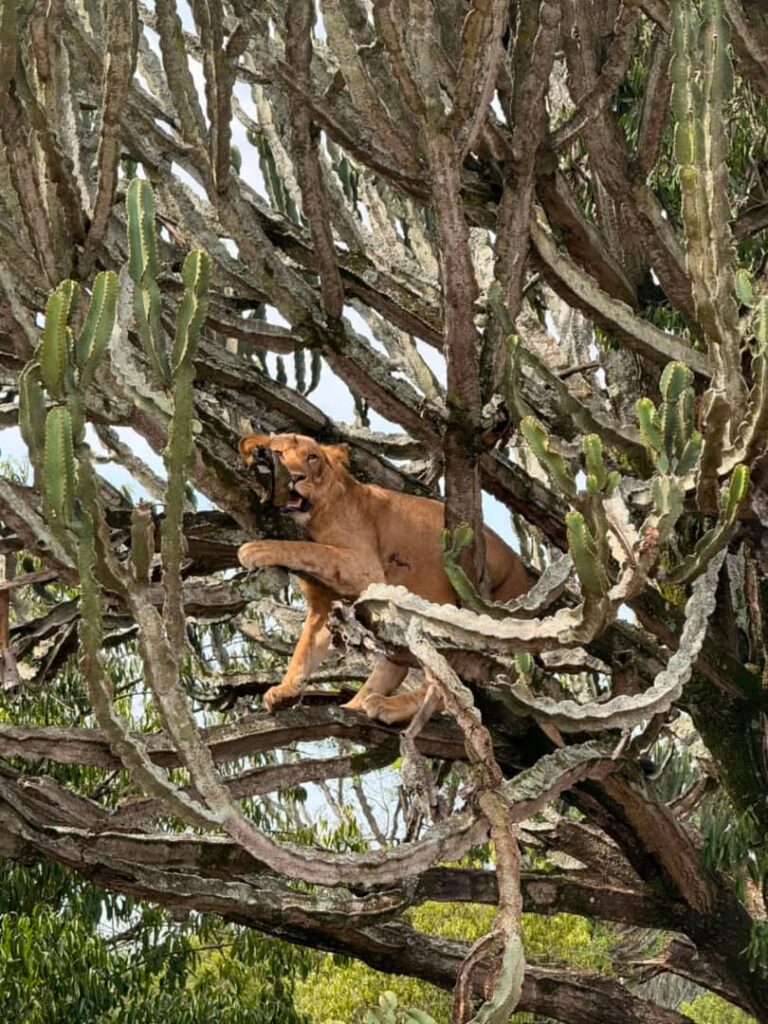
The smartest use of Mabamba is as a jet-lag-friendly start to a longer Uganda itinerary. Ten days, for example, can pair Mabamba with Murchison Falls and its Nile boat cruise, a chimpanzee trek in Kibale, tree-climbing lions in Queen Elizabeth’s Ishasha sector and gorilla trekking in Bwindi. Uganda is compact, so the driving between parks is manageable, and a local operator can build the route around your flight times from Europe.
Ready to plan your safari? Contact Nature Nest Safaris at book@naturenestsafaris.com or call +256 777 131 912. Tell us your departure airport and dates and we will put together a shoebill day or a full Uganda itinerary with a clear price in euros.
Ready to plan your East African adventure? Browse our curated safari experiences:
Trips that match this guide. Every itinerary can be tailored to your dates and budget, and quotes are free.
Let our expert team craft your perfect safari adventure. Custom itineraries, competitive prices, and unforgettable experiences.
Start Planning Your Safari