 Tourism
East Africa is where safari dreams come true. Kenya, Tanzania, Uganda, and Rwanda together offer everything a wildlife holiday should be — the Great Migration thundering across the Serengeti, mountain gorillas in misty volcanic forests, the snow-capped peak of Kilimanjaro rising above elephant herds, and palm-fringed beaches on Zanzibar’s white sand shores. For British travellers, East Africa is also remarkably accessible: direct flights from London to Nairobi or Entebbe take under 9 hours, and the region’s tourism infrastructure is mature, safe, and well-suited to first-time visitors.
Whether you’re planning a week-long safari, a two-week multi-country adventure, or a month-long grand tour, this guide covers everything you need to know about East Africa holidays in 2026.
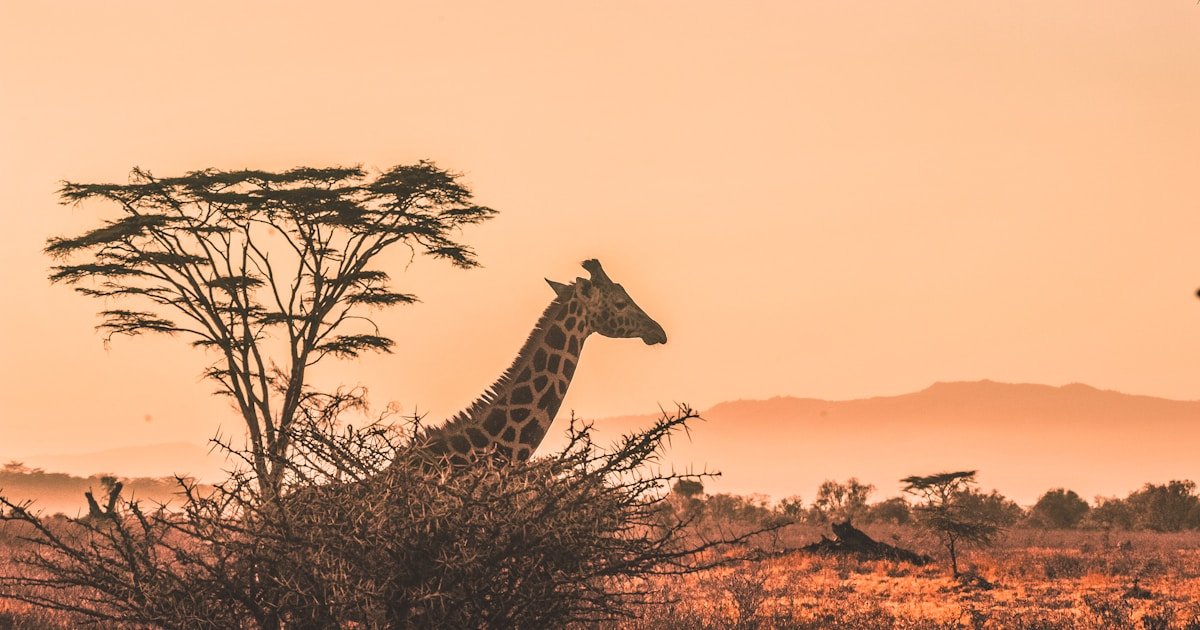
Kenya is the birthplace of the modern safari and remains the most popular choice for first-timers. The Masai Mara delivers Big Five sightings almost daily, Amboseli’s elephants walk beneath Kilimanjaro, and the coast from Mombasa to Diani Beach offers world-class beach stays. Kenya has the most developed tourism infrastructure in the region, with excellent lodges at every price point.
Best for: First-time safari-goers, the Great Migration (July–October), family holidays, safari-and-beach combos.
Tanzania is home to the Serengeti, Ngorongoro Crater, Mount Kilimanjaro, and the tropical paradise of Zanzibar — any one of which would be a lifetime highlight. The country’s national parks are larger and less crowded than Kenya’s, and the Serengeti’s migration spectacle runs year-round in different locations. Zanzibar’s Stone Town and beaches make a perfect week-long add-on.
Best for: Bucket-list landscapes, balloon safaris, Kilimanjaro climbers, honeymoons, beach-and-safari combos.
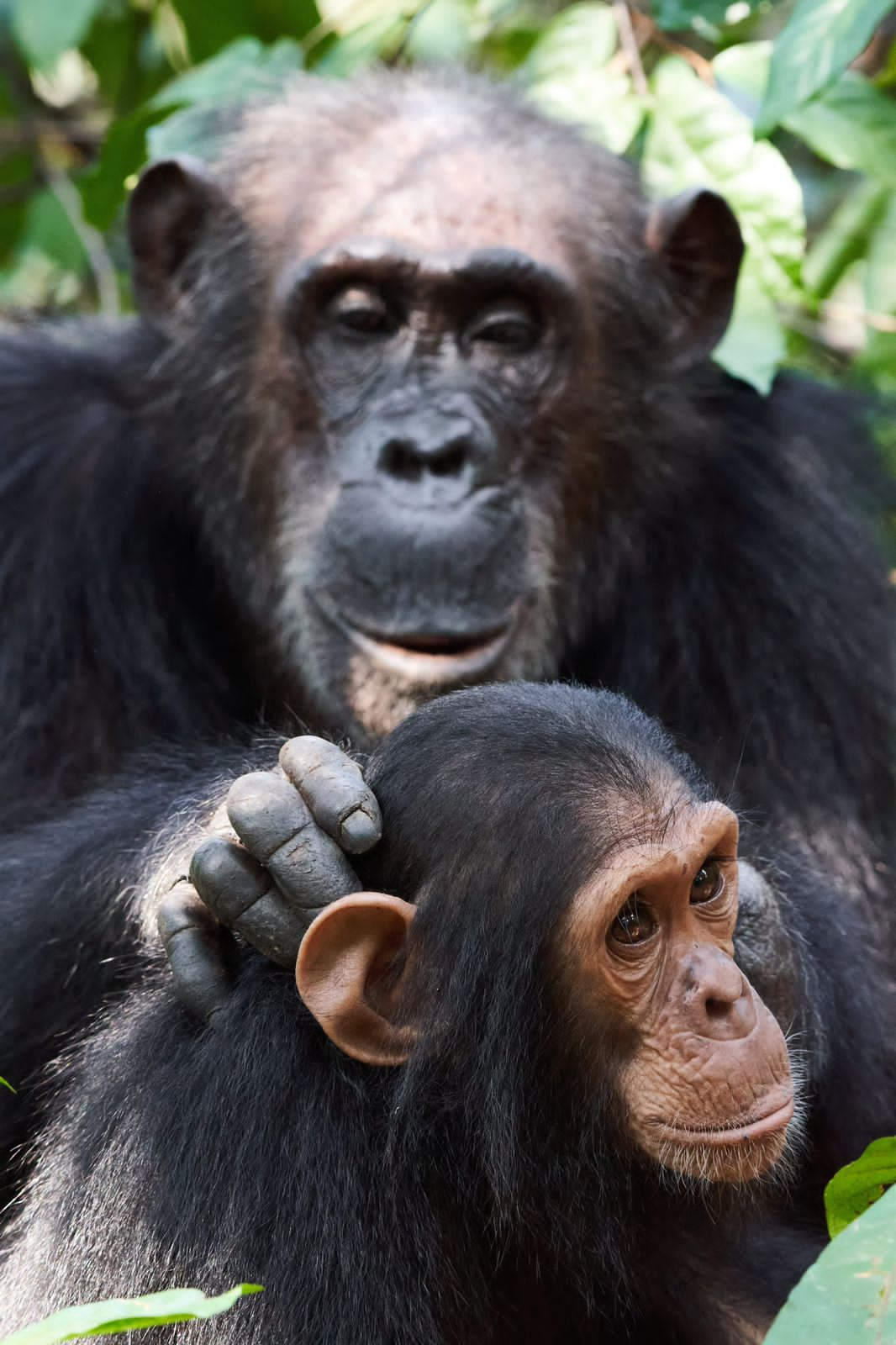
Uganda is where you go to meet mountain gorillas face to face. Bwindi Impenetrable Forest and Mgahinga Gorilla National Park host half the world’s remaining mountain gorilla population, and permits cost $800 per person — significantly less than Rwanda’s $1,500. Beyond gorillas, Queen Elizabeth National Park has tree-climbing lions, and Murchison Falls offers dramatic Nile scenery.
Best for: Gorilla trekking (better value than Rwanda), primate safaris, off-the-beaten-path adventure, birding.
Rwanda is compact, clean, and increasingly positioned as East Africa’s luxury safari destination. Volcanoes National Park offers gorilla trekking with shorter hikes and better-maintained trails than Uganda, and Akagera National Park provides a Big Five safari experience. The country’s small size means you can see gorillas and the Big Five in a single week without long transfers.
Best for: Short trips (5–7 days), luxury travellers, combining gorillas with Big Five safari, accessible gorilla treks.
Safari costs depend on the country, accommodation level, and season. Here’s what UK travellers should budget in 2026:
Budget safaris (group tours, basic tented camps): £150–£250 per person per day, or roughly £1,500–£2,500 for a 7-day trip excluding flights.
Mid-range safaris (private vehicle, comfortable lodges): £300–£500 per person per day, or £2,500–£4,500 for 7 days excluding flights.
Luxury safaris (private conservancies, premium lodges): £600–£1,200 per person per day, or £5,000–£10,000+ for 7 days excluding flights.
Return flights from London: Nairobi £450–£700, Entebbe £500–£750, Kilimanjaro £550–£800, Kigali £550–£800.
These prices typically include accommodation, all meals, game drives, park entry fees, and a professional guide. Not included: international flights, travel insurance, visa fees, tips, and personal spending.
June–October (dry season): Peak safari season across the region. Animals concentrate around water sources, making them easier to spot. The Great Migration crosses the Mara River in Kenya (August–October). This is also the busiest and most expensive period — book 6–9 months ahead.
December–March (short dry season): Excellent wildlife viewing with fewer crowds and lower prices. January–February is calving season in the southern Serengeti — 8,000 wildebeest calves born daily. The weather is warm and generally dry.
April–May (long rains): The wettest months, with some lodges closing in remote areas. However, this is green season — landscapes are lush, birdlife peaks, and prices drop 20–40%. Good for Uganda gorilla trekking, as rain affects trekking difficulty less than people assume.
November (short rains): Brief afternoon showers that rarely disrupt safaris. A sweet spot for value — prices are lower than peak season but wildlife viewing remains good.
Kenya: Electronic Travel Authorisation (eTA) required, obtainable online before departure. Valid for 90 days.
Tanzania: Visa required — available online (e-visa) or on arrival at major airports. $50 single-entry, valid 90 days.
Uganda: Visa required — e-visa recommended ($50 single-entry). Processing takes 2–3 business days.
Rwanda: Visa-free for UK passport holders for stays up to 30 days — the easiest entry in the region.
East Africa Tourist Visa: If visiting Kenya, Uganda, and Rwanda on one trip, the East Africa Tourist Visa ($100) covers all three for 90 days.
Days 1–4: Masai Mara game drives (fly from Nairobi). Days 5–7: Diani Beach on the coast. From £2,800pp mid-range.
Days 1–2: Tarangire National Park. Days 3–4: Ngorongoro Crater. Days 5–7: Serengeti (optional balloon safari). Days 8–10: Zanzibar beaches and Stone Town. From £3,500pp mid-range.
Days 1–4: Bwindi gorilla trekking + Queen Elizabeth NP. Days 5–6: Lake Bunyonyi. Fly to Nairobi. Days 7–10: Masai Mara and Amboseli. Days 11–14: Mombasa coast. From £5,500pp mid-range.
Days 1–5: Uganda (gorillas + Queen Elizabeth NP). Days 6–8: Rwanda (Volcanoes NP + Kigali). Days 9–14: Tanzania (Serengeti + Ngorongoro + Tarangire). Days 15–18: Kenya (Masai Mara + Amboseli). Days 19–21: Zanzibar or Diani Beach. From £8,000pp mid-range.
East Africa is generally safe for tourists, with well-established safari circuits and professional operators. Key health considerations: yellow fever vaccination is required for Uganda and sometimes checked for Kenya entry. Malaria prophylaxis is recommended for all four countries. Travel insurance covering medical evacuation is essential — quality healthcare is available in Nairobi and Dar es Salaam but limited in rural areas.
The best East Africa holidays are planned 4–6 months in advance, especially for peak season (July–October) and gorilla trekking permits. A local operator who knows the parks, roads, and lodges inside out will save you time and money compared to booking through a UK travel agent.
Ready to plan your East Africa holiday? Contact Nature Nest Safaris at book@naturenestsafaris.com or call +256 777 131 912 for a personalised itinerary and quote.
Ready to plan your East African adventure? Browse our curated safari experiences:
Trips that match this guide. Every itinerary can be tailored to your dates and budget, and quotes are free.
 Safari PlanningBest Time to Visit East Africa for a Safari: A Month-by-Month Guide for UK & European TravellersRead article →
 TourismKenya Coastal Safari: Malindi, Watamu & Lamu Island Guide for European TravellersRead article →
 TourismBest Time to Visit Bwindi Impenetrable Forest for Gorilla Trekking (2026 Guide)Read article →
Let our expert team craft your perfect safari adventure. Custom itineraries, competitive prices, and unforgettable experiences.
Start Planning Your Safari