 Travel Tips
Flying from the United States to Uganda feels like a big undertaking, but it is more manageable than most Americans expect. You can leave New York, Washington or Atlanta in the evening, change once, and be standing in Entebbe about a day later. This guide covers the practical side for US travelers: flight routes, the e-visa, health requirements, realistic costs in USD, and an eight-day itinerary that pairs game drives with gorilla trekking.
There are no nonstop flights from the US to Entebbe (EBB), so you will connect somewhere. The common routings are:
Round-trip economy fares generally run about $1,100 to $1,800 depending on season, with prices rising sharply in July, August and December. Book three to five months ahead for the best fares, and aim to land in the morning so you can reach your first lodge in daylight. Most visitors build in a night at a hotel near Entebbe airport on arrival to recover from jet lag. East Africa Time is seven to eight hours ahead of the US East Coast.
US passport holders need a visa for Uganda. The easiest route is the official e-visa, applied for online before you fly; a single-entry tourist visa costs around $50 at the time of writing, and approval usually takes a few days, so apply at least two weeks ahead. Your passport must be valid for at least six months and have blank pages. Rules and fees change, so always confirm on the official Uganda immigration portal before you pay.
A yellow fever vaccination certificate is required for entry, so carry the paper card. Most travelers also take malaria prophylaxis; ask a travel-medicine clinic about options six to eight weeks before departure. Routine vaccines should be current. Travel insurance that covers medical evacuation and gorilla permit cancellation is strongly worth having, since Medicare and most US health plans do not cover you abroad.
Uganda is generally better value than Kenya or Tanzania, mainly because park fees and lodges are cheaper, though gorilla permits are a big single line item. Rough 2026 guide prices per person, not including international flights:
As a planning figure, a well-run eight-day trip with one gorilla permit, chimp tracking and midrange lodges typically lands around $4,500 to $6,500 per person land-only, plus flights. Tipping is customary and best done in US dollars: budget around $10 to $15 per day for your driver-guide, a smaller amount for lodge staff, and a tip for trackers and porters on trek days.
Day 1, Entebbe: Arrive, meet your driver-guide and transfer to a hotel near the airport. If you land early, visit the Entebbe Botanical Gardens or the Uganda Wildlife Education Centre.
Day 2, drive to Murchison Falls National Park: About five to six hours by road, with a stop to see rhinos at Ziwa Rhino Sanctuary. Evening at your lodge above the Nile.
Day 3, Murchison Falls: A dawn game drive for lions, giraffes, elephants and buffalo, then an afternoon boat cruise to the base of the thundering falls, where hippos and crocodiles line the banks.
Day 4, Kibale Forest: A long drive south to Kibale, the primate capital of East Africa. Settle in before the next morning’s tracking.
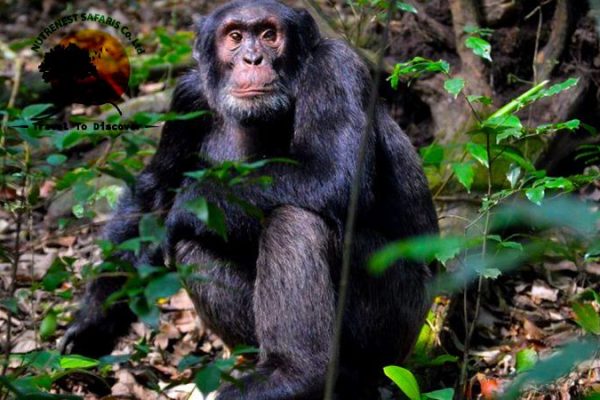
Day 5, chimp tracking, then Queen Elizabeth National Park: Track habituated chimpanzees in the morning, then continue to Queen Elizabeth for an afternoon Kazinga Channel boat cruise, among the best places in Africa to see hippos and elephants up close.
Day 6, Ishasha sector to Bwindi: Search the fig trees at Ishasha for the famous tree-climbing lions, then drive on to the Bwindi area, about two to three hours further.
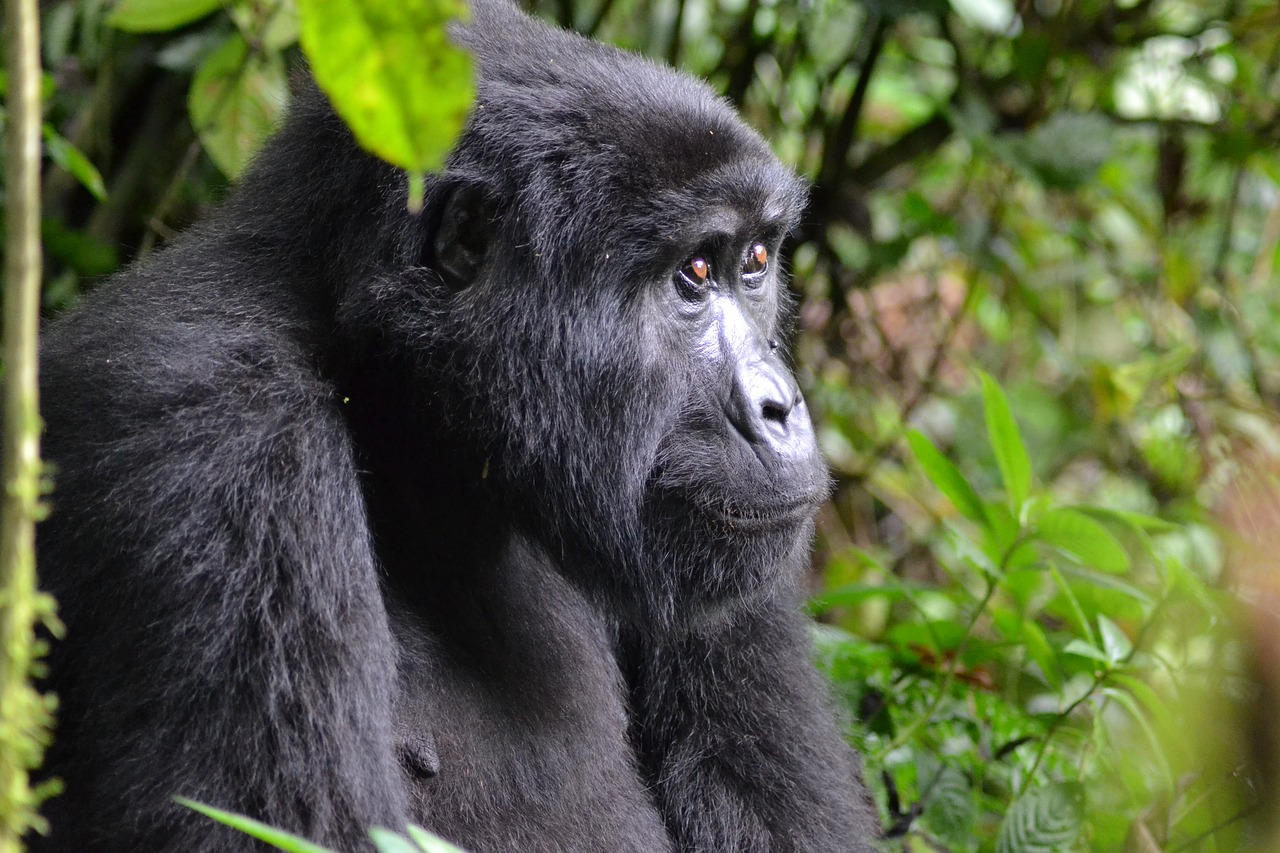
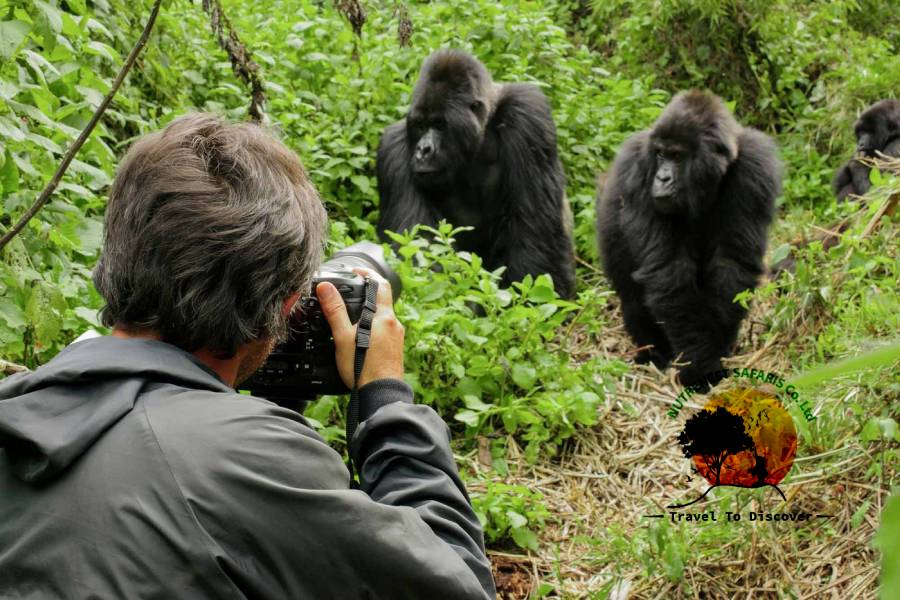
Day 7, gorilla trekking in Bwindi Impenetrable Forest: Meet the rangers at the briefing, then hike for one to six hours to find a habituated gorilla family. You get one hour with them. It is physically demanding, so porters are a good idea.
Day 8, return: Drive back toward Entebbe, or take a domestic flight from Kihihi airstrip to save a full day on the road, and catch your evening international flight home.
Bring crisp, recent-issue US dollar bills (2013 series or newer) for tips and some fees, and use an ATM in Kampala or Entebbe for Ugandan shillings, since cards are not accepted everywhere in the countryside. Mobile coverage is good in towns but patchy in the forest, so download offline maps and tell your bank you are traveling. Pack neutral clothing, waterproof hiking boots, gardening gloves for steep gorilla trails, a rain jacket year-round and a power bank. Most lodges use UK-style three-pin sockets, so bring an adapter. Luggage on light aircraft is limited to soft bags of about 15 kg, which is worth knowing before you shop for gear.
The two dry seasons, June to September and December to February, are the easiest for trekking and game viewing. Gorilla trekking runs all year, and the March to May and October to November rains mean fewer visitors, lower lodge rates and lush scenery, but muddier trails. If your trip falls in school holidays, request permits as early as you can.
The good: excellent value compared with other safari destinations, small-group and private options, English widely spoken, and a rare mix of primates, big game and birds in one trip. The gorilla encounter is rated by many travelers as the best wildlife experience of their lives.
The trade-offs: long journey times, a lot of road time between parks (Uganda roads are improving but slow), a high permit price, and a need for good fitness on trek days. Hotels are comfortable but rarely match the polish of the top Kenyan or Tanzanian camps. Pace yourself: a trip of ten days or more feels far less rushed.
If gorillas are your priority, look at our 4 Days Double Gorilla Trekking Uganda tour for a short, focused trip, or combine gorillas with game drives on the 5 Days Gorilla Tracking & Game Drives Safari. For a slower, culture-rich option, see the 8 Days Uganda Cultural Wildlife Safari. You can browse everything we run on our Uganda safaris and gorilla trekking tours page.
Ready to plan your safari? Contact Nature Nest Safaris at book@naturenestsafaris.com or call +256 777 131 912. We will build a Uganda itinerary around your dates, your budget in USD and your departure city, whether that is New York, Washington or Atlanta.
Ready to plan your East African adventure? Browse our curated safari experiences:
Trips that match this guide. Every itinerary can be tailored to your dates and budget, and quotes are free.
Let our expert team craft your perfect safari adventure. Custom itineraries, competitive prices, and unforgettable experiences.
Start Planning Your Safari