 Tourism
Amboseli National Park sits at the foot of Mount Kilimanjaro in southern Kenya, and it delivers one of Africa’s most iconic images: large herds of elephants walking across open plains with Africa’s highest peak rising behind them. If that photograph is on your safari wishlist, Amboseli is where you take it.
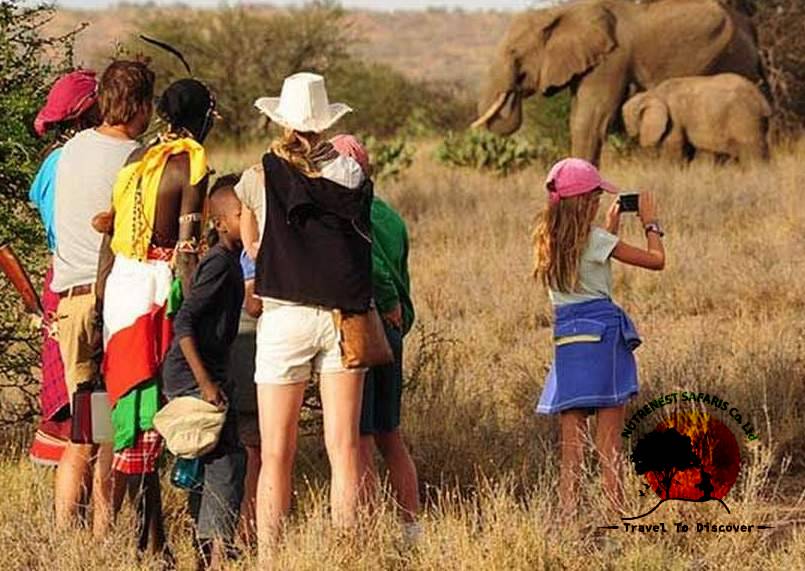
The park is relatively compact at 392 km², but what it lacks in size it makes up for in wildlife density and sheer visual drama. Amboseli’s elephant population — over 1,600 individuals studied by researchers since 1972 — is one of the most observed in Africa. These elephants are famously relaxed around vehicles, making close-up encounters almost guaranteed.
Park entry: $60/day for non-resident adults (KWS smart card system).
Typical safari costs from the UK (per person sharing):
Budget (2 nights): £600–£900. Group game drives, basic lodge or tented camp outside the park.
Mid-range (2–3 nights): £1,200–£1,800. Private game drives, comfortable tented camp inside or bordering the park, full board.
Luxury (2–3 nights): £2,500–£4,000. Premium lodges like Tortilis Camp or ol Tukai, exclusive vehicles, cultural Maasai visits.
Flights from London to Nairobi: £350–£500 return. From Nairobi, Amboseli is a 4-hour drive or a 45-minute bush flight.
Want Elephants + Kilimanjaro Views?
Get a tailored Amboseli itinerary with prices for your dates.
For Kilimanjaro views: June to October (dry season). The mountain is clearest in the early morning — by midday, clouds typically roll in. The dry season also concentrates wildlife around the permanent swamps, making game drives more productive.
For birdwatching: November to April (wet season). Over 400 bird species, including migratory species from Europe. The park transforms into a green, lush landscape.
For fewer crowds: January–February and June. The shoulder periods between peak seasons.
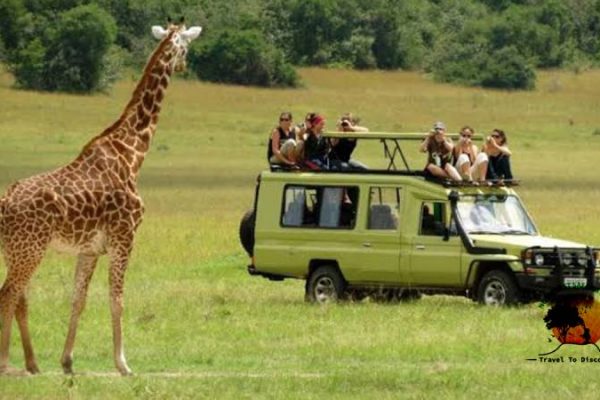
Beyond the elephants, Amboseli supports healthy populations of lions, cheetahs, zebra, wildebeest, giraffes, and hippos in the permanent swamps fed by Kilimanjaro’s melting snow. The swamp areas — Enkongo Narok and Ol Okenya — are the heart of the park, attracting wildlife year-round even when surrounding areas dry out.
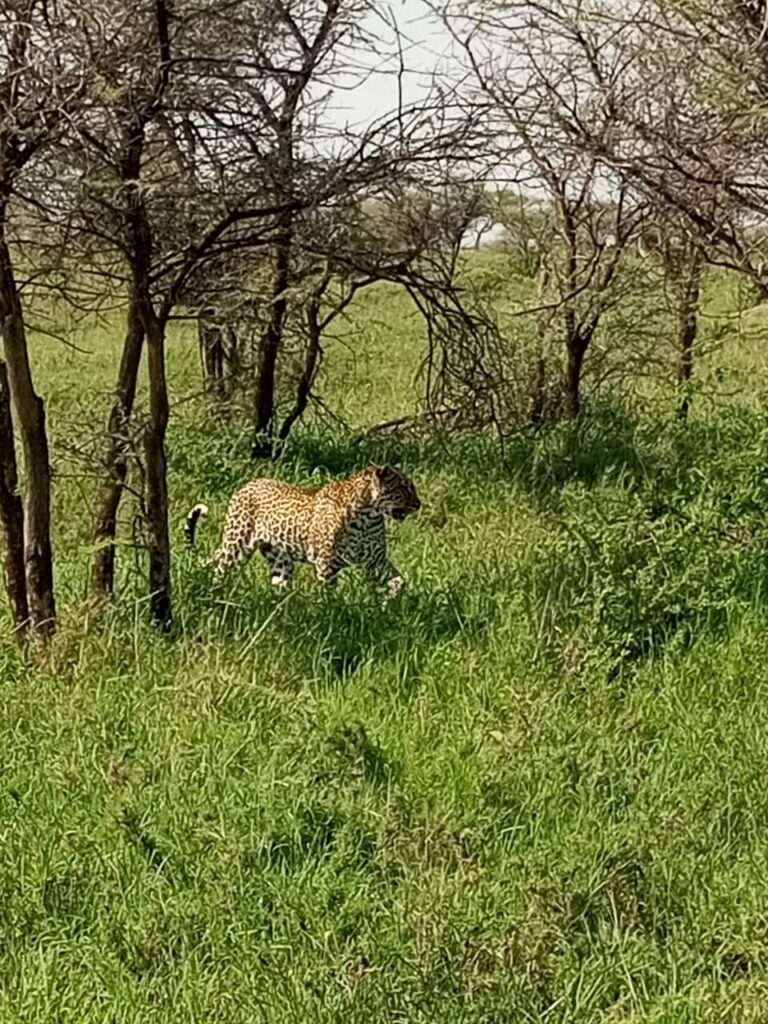
Buffalo herds are common, and leopards are occasionally spotted in the woodland areas near Observation Hill — which itself offers a panoramic viewpoint worth the short climb.
Amboseli works brilliantly as part of a multi-park Kenya itinerary:
Amboseli + Masai Mara (5–7 days): The classic Kenya combination. Elephants and Kilimanjaro in Amboseli, Big Five and migration in the Mara. This is our most popular Kenya package for European clients.
Amboseli + Tsavo (4–5 days): Combine with Tsavo East or West for a less-crowded, off-the-beaten-path experience. Tsavo’s red elephants are a unique sight.
Amboseli + Coast (7–10 days): Safari followed by beach time in Diani or Mombasa. The perfect safari-and-beach holiday.
Cross-border: Amboseli + Tanzania (10–14 days): Since Amboseli sits right on the Tanzania border, it combines naturally with Kilimanjaro trekking, Arusha National Park, or a full northern Tanzania circuit (Serengeti, Ngorongoro, Tarangire).
Fly to Nairobi (Jomo Kenyatta International), then either drive south (4 hours via Namanga road) or take a scheduled bush flight to Amboseli airstrip. The drive is scenic and passes through Maasai land — we can arrange a cultural stopover en route.
A 2–3 night Amboseli safari costs £600–£900 for budget, £1,200–£1,800 for mid-range, and £2,500–£4,000 for luxury per person sharing. Park entry is $60/day. Return flights from London to Nairobi start at £350–£500. From Nairobi, Amboseli is a 4-hour drive or 45-minute bush flight.
Yes — Amboseli sits directly at the foot of Mount Kilimanjaro and offers the most iconic views of Africa’s highest peak. The mountain is clearest in early morning (before clouds roll in around midday). June to October (dry season) offers the best visibility. The classic photo is elephants walking with Kilimanjaro behind them.
June to October for the clearest Kilimanjaro views and best wildlife concentrations around the permanent swamps. November to April for birdwatching (400+ species including European migrants). January–February and June are sweet spots with excellent wildlife and fewer crowds.
Amboseli is famous for its 1,600+ elephants — famously relaxed around vehicles. You’ll also see lions, cheetahs, zebra, wildebeest, giraffes, hippos, buffalo, and occasionally leopards. The park’s permanent swamps, fed by Kilimanjaro’s meltwater, attract wildlife year-round.
Yes — this is the most popular Kenya safari combination. A 5–7 day Amboseli + Masai Mara itinerary gives you elephants and Kilimanjaro views in Amboseli, then Big Five and the Great Migration in the Mara. We also combine Amboseli with Tsavo, the Kenya coast, or cross-border into Tanzania.
Standalone visit or part of a Kenya-Tanzania circuit — we tailor everything to your dates and budget.
WhatsApp Us Now
Email: book@naturenestsafaris.com
Call/WhatsApp: +256 777 131 912 | No booking fees
Ready to plan your East African adventure? Browse our curated safari experiences:
Trips that match this guide. Every itinerary can be tailored to your dates and budget, and quotes are free.
 6 days · Kenya6 Days Amboseli & Masai Mara SafariFrom ,100 pp · View itinerary →
 5 days · Kenya5 Days Mt Kenya SafariFrom
  Safari PlanningBest Time to Visit East Africa for a Safari: A Month-by-Month Guide for UK & European TravellersRead article →
 TourismKenya Coastal Safari: Malindi, Watamu & Lamu Island Guide for European TravellersRead article →
 TourismBest Time to Visit Bwindi Impenetrable Forest for Gorilla Trekking (2026 Guide)Read article →
Let our expert team craft your perfect safari adventure. Custom itineraries, competitive prices, and unforgettable experiences.
Start Planning Your Safari