 Safari Planning
If you’re planning your first African safari, chances are you’ve already narrowed your options to two countries: Kenya and Tanzania. Both sit in East Africa, share the same ecosystems, and offer world-class wildlife encounters. But they deliver the safari experience in distinctly different ways.
At Nature Nest Safaris, we operate in both countries and know each park intimately. This honest comparison will help you decide which destination — or combination of both — suits your travel style, budget, and bucket list.
Both Kenya and Tanzania are home to the Big Five — lion, leopard, elephant, buffalo, and rhinoceros. The Great Wildebeest Migration passes through both countries, crossing from the Serengeti into the Masai Mara between July and October. However, the viewing experience differs.
Kenya’s Masai Mara is smaller and more concentrated. Game drives here tend to produce frequent, close-up wildlife sightings in a relatively compact area. The Mara is particularly famous for its big cat density — lion prides, cheetah families, and leopards are seen almost daily during peak season.
Tanzania’s Serengeti is vast — over 14,750 square kilometres compared to the Mara’s 1,510. This means more driving between sightings, but also a stronger sense of untouched wilderness. Tanzania also offers the Ngorongoro Crater, a collapsed volcanic caldera that concentrates wildlife in a natural amphitheatre and is one of the best places in Africa to spot endangered black rhinos.
Kenya has over 50 national parks and reserves, with the most popular being the Masai Mara, Amboseli, Tsavo, Lake Nakuru, and Samburu. Many are within a few hours’ drive of Nairobi, making short 3- to 5-day safaris practical and affordable.
Tanzania’s northern circuit — Serengeti, Ngorongoro, Tarangire, and Lake Manyara — is the country’s safari heartland. The southern parks (Nyerere/Selous, Ruaha, Katavi) are less visited and offer a more remote, exclusive experience. Tanzania generally requires longer itineraries due to the distances between parks.
Kenya is generally the more affordable option for budget and mid-range travellers. Park entry fees are lower (the Masai Mara charges around $80 per day for non-residents, compared to $82 per day for the Serengeti). Kenya also has a wider range of budget camp options and the infrastructure to support shorter, cost-effective itineraries.
Tanzania’s park fees, concession fees, and VAT add up quickly — a mid-range Tanzania safari typically costs 20–30% more than an equivalent Kenya trip. However, Tanzania’s exclusivity means fewer vehicles at sightings and a more private experience.
The migration is a year-round event that moves between both countries. From December to March, the herds are in the southern Serengeti for calving season — a Tanzania-only experience. From July to October, the herds cross the Mara River into Kenya’s Masai Mara for the dramatic river crossings that dominate wildlife documentaries.
If your priority is the river crossings, visit Kenya between August and October. If you want to see hundreds of thousands of newborn calves with predators circling, visit Tanzania between January and March.
Kenya offers everything from basic camping to ultra-luxury conservancy lodges. The private conservancies around the Mara (Olare Motorogi, Naboisho, Mara North) limit visitor numbers and allow off-road driving and night drives — activities not permitted inside the national reserve.
Tanzania’s lodges and tented camps tend to be more spread out, with many located inside or on the borders of national parks. The mobile camp concept — where camps move with the migration — is a uniquely Tanzanian experience.
Choose Kenya if you want a shorter trip (3–5 days), are on a tighter budget, want the best big cat sightings, or are combining safari with a Diani or Mombasa beach holiday. Choose Tanzania if you have 7+ days, want the Ngorongoro Crater experience, prefer fewer crowds, or want to see the calving season in the Serengeti.
The best option? Combine both. A Kenya-Tanzania cross-border safari gives you the Mara river crossings, the Serengeti’s vastness, and the Ngorongoro Crater in one trip. Nature Nest Safaris specialises in these combined itineraries — contact us to start planning yours.
Ready to plan your East African adventure? Browse our curated safari experiences:
Trips that match this guide. Every itinerary can be tailored to your dates and budget, and quotes are free.
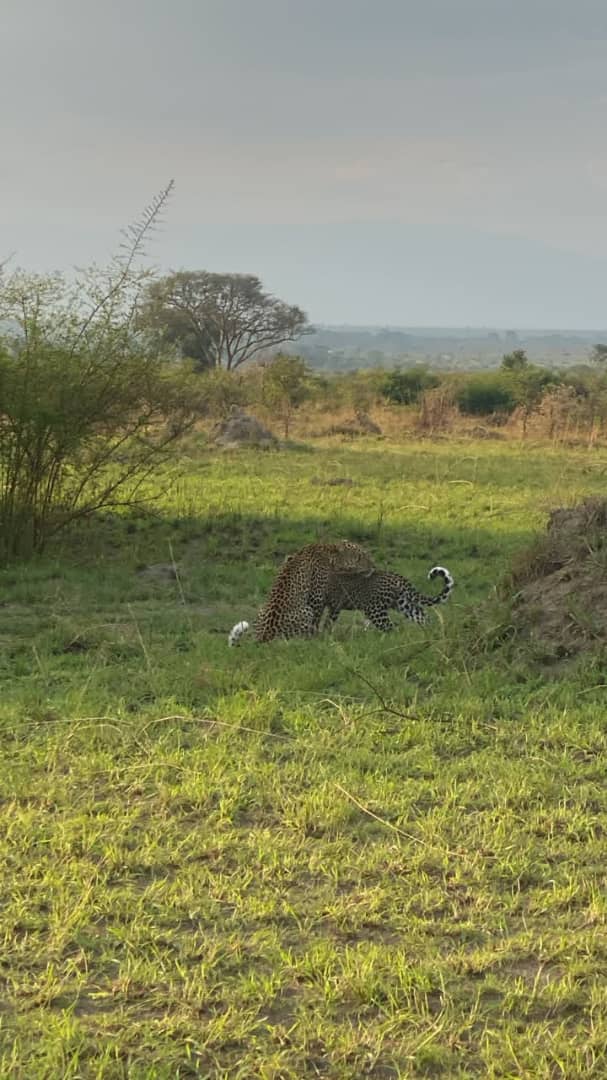
 Safari PlanningSpotting Leopards in Uganda: A Big Cat Safari Guide for UK & European TravellersRead article →
 Cultural ExperiencesMeeting the Maasai: Authentic Cultural Safari Experiences for European TravellersRead article →
 Safari PlanningBest Time to Visit East Africa for a Safari: A Month-by-Month Guide for UK & European TravellersRead article →
Let our expert team craft your perfect safari adventure. Custom itineraries, competitive prices, and unforgettable experiences.
Start Planning Your Safari