 Tourism
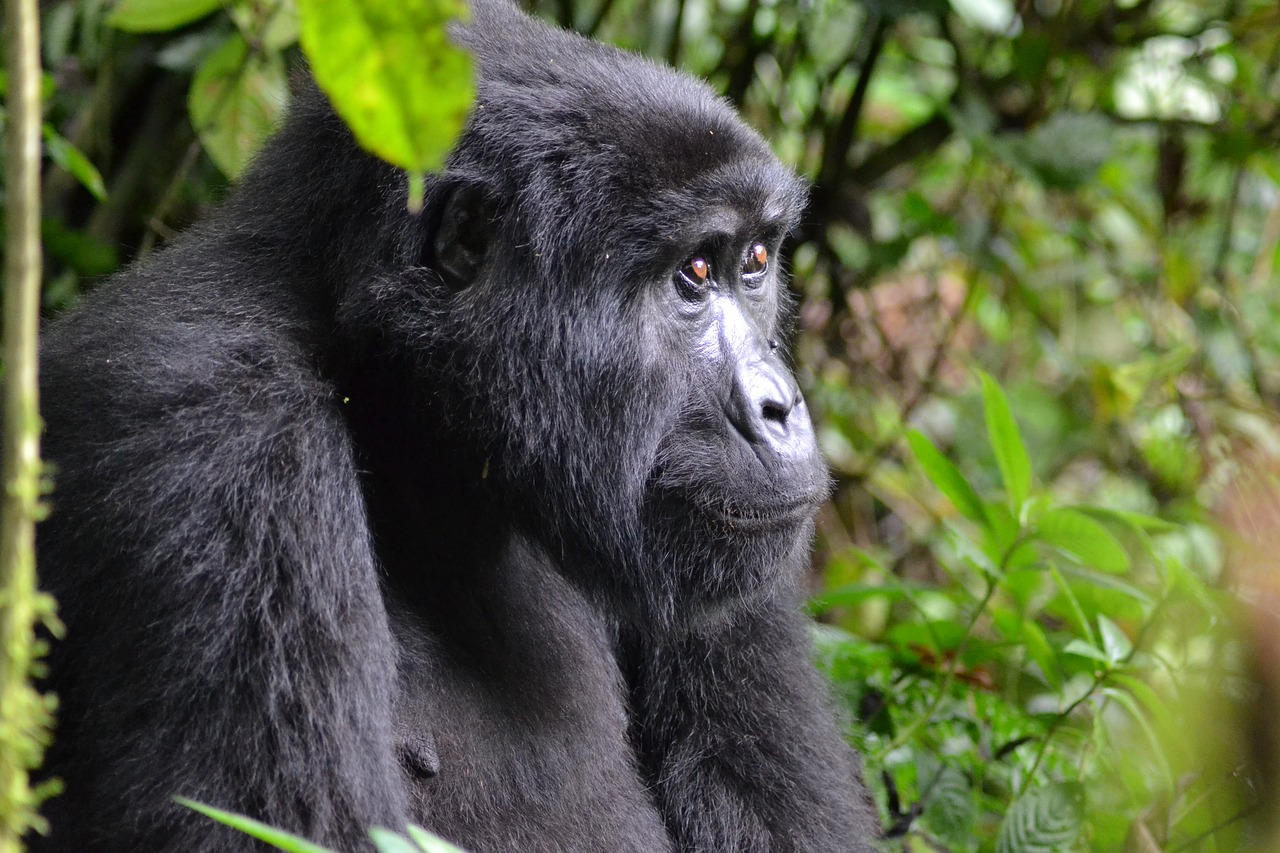
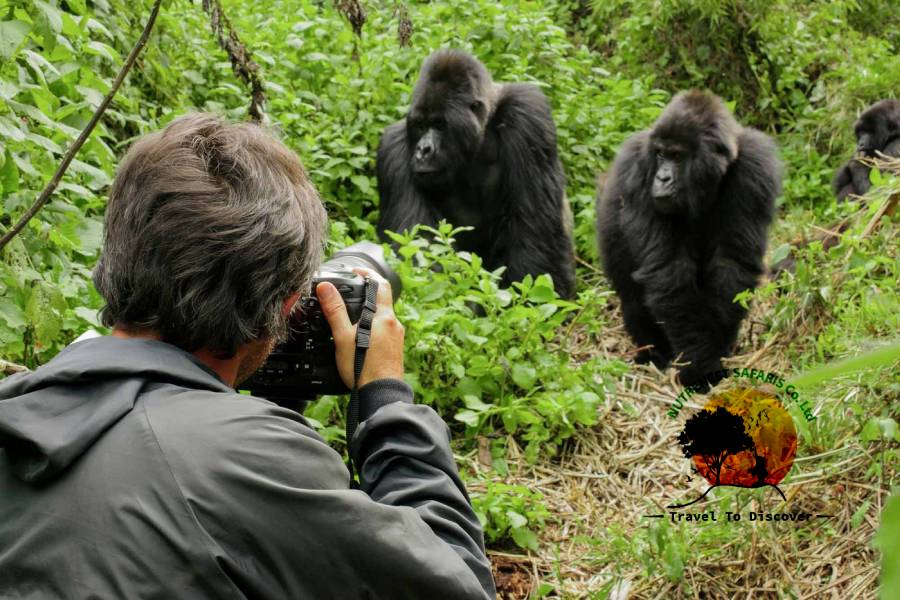
Bwindi Impenetrable Forest in southwestern Uganda is home to roughly half the world’s remaining mountain gorillas. It’s the single most popular gorilla trekking destination on earth, and choosing the right time to visit makes a genuine difference to your experience — from trail conditions underfoot to how deep into the forest you’ll need to hike.
The short answer: the best months are June to September and December to February (the dry seasons). But there’s more to it than that.
Dry seasons (June–September and December–February): These are the peak months for gorilla trekking. Trails are firmer, the forest floor is less muddy, and hiking is more comfortable. Visibility is better, and the gorillas tend to stay at lower elevations where food is abundant — meaning shorter treks on average.
Wet seasons (March–May and October–November): The long rains fall from March to May, and the short rains from October to November. Trails become muddy and slippery, treks can take longer, and you’ll need proper waterproof gear. However, the forest is at its most lush and beautiful, birdlife peaks, and — crucially — permit availability is much better because fewer visitors come.
January–February: Dry season, warm days (24–27°C), cooler nights. Excellent trekking conditions. Permits sell out fast — book 3–4 months ahead. This is high season with European winter sun-seekers.
March–May: Long rains begin in March and peak in April. Trails are muddy and challenging but the forest is stunning. Permit availability is excellent, and some lodges offer 20–30% discounts. If you don’t mind getting muddy, this is the best value period.
June–September: The most popular period. Dry, clear weather makes trekking comfortable. June and July have the best overlap with European summer holidays. Permits are extremely scarce — book 6 months ahead minimum. Lodge rates are at their highest.
October–November: Short rains. Less intense than March–May. Good permit availability, lower prices, and the forest is green and alive. Many experienced travellers prefer this shoulder season for the balance of decent weather and fewer crowds.
December: Rains taper off by mid-December. The Christmas and New Year period is extremely popular with European visitors. Permits sell out early. Book by August for a December trek.
Bwindi has four trekking sectors, each with its own character:
Buhoma (north): The most developed sector with the best lodges. Three habituated gorilla families. Treks average 2–4 hours. Most accessible and best for first-timers.
Ruhija (east): Higher altitude (2,300m+), cooler temperatures. Four gorilla families including the famous Bitukura group. Treks can be more challenging. Stunning panoramic views.
Rushaga (south): The most gorilla families (five groups). Good lodge options. Slightly more remote but offers excellent trekking variety. Many families have young infants, which makes for incredible photo opportunities.
Nkuringo (south): The most physically demanding sector with steep terrain. Two gorilla families. Rewards the effort with dramatic scenery and intimate encounters. Best for fit, adventurous trekkers.
Regardless of when you visit, pack waterproof hiking boots with ankle support, long trousers (tuck into socks to prevent ant bites), a waterproof jacket, gardening gloves for gripping vegetation, and layers — it can be cool at altitude even on sunny days. Your guide will provide a walking stick.
A Uganda gorilla permit costs $700 per person (approximately £550). Permits are issued by the Uganda Wildlife Authority and are date-specific and sector-specific. For the dry season months, we recommend booking 4–6 months in advance through a trusted operator.
For comparison, a Rwanda gorilla permit costs $1,500 — more than double the price for the same one-hour gorilla encounter. Uganda offers significantly better value.
Bwindi is roughly 8–10 hours by road from Kampala, or you can fly to Kihihi airstrip (1 hour from Entebbe) followed by a 2-hour drive. Most safari itineraries combine Bwindi with Queen Elizabeth National Park, which is 3–4 hours away and offers tree-climbing lions, boat safaris on the Kazinga Channel, and Big Five game drives.
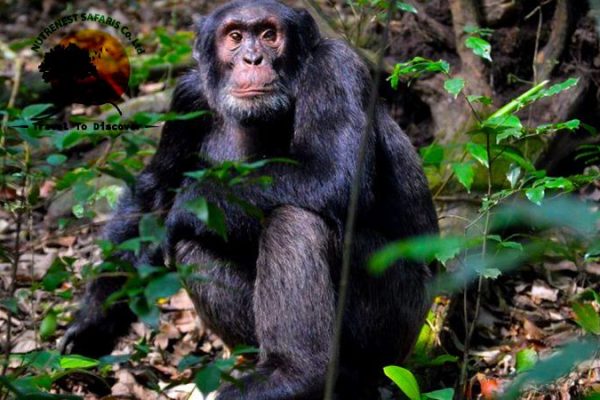
Nature Nest Safaris organises gorilla trekking safaris in Bwindi from 3 days (gorilla-only express) to 14 days (combining Bwindi with Murchison Falls, Queen Elizabeth, and Kibale Forest for chimpanzees). We handle permits, transport, accommodation, and guiding — and our pricing is transparent with no hidden fees.
Contact us at book@naturenestsafaris.com or call +256 777 131 912 for a personalised itinerary and permit availability check.
Browse our Gorilla Trekking packages →
Ready to plan your East African adventure? Browse our curated safari experiences:
Trips that match this guide. Every itinerary can be tailored to your dates and budget, and quotes are free.
 Safari PlanningBest Time to Visit East Africa for a Safari: A Month-by-Month Guide for UK & European TravellersRead article →
 TourismKenya Coastal Safari: Malindi, Watamu & Lamu Island Guide for European TravellersRead article →
 TourismHow Much Does a Uganda Safari Cost from the UK? 2026 Budget BreakdownRead article →
Let our expert team craft your perfect safari adventure. Custom itineraries, competitive prices, and unforgettable experiences.
Start Planning Your Safari