 Safari Planning
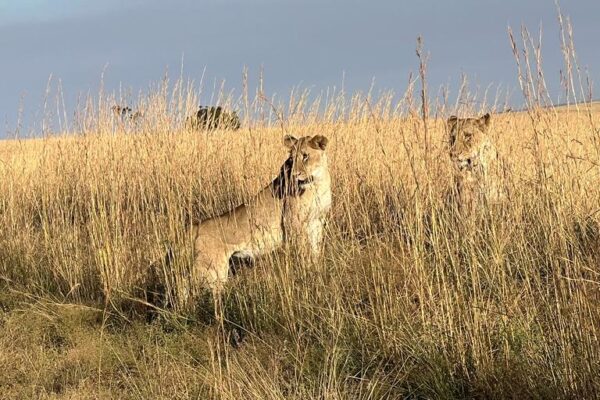
You have saved for two years, flown eight hours from London, and a lioness is walking straight towards the vehicle in the first golden light of the morning. This is the moment the photographs are made — and it is also the moment most first-timers discover their camera is on the wrong setting.
Here is what actually matters for safari photography in Uganda, Kenya, Tanzania and Rwanda, written for European travellers who want good pictures without turning the holiday into a technical exercise.
The single most useful piece of kit is a telephoto zoom. A 100-400mm or 150-600mm covers almost everything you will meet on a game drive. Animals are further away than the documentaries suggest, and a 200mm ceiling will leave you cropping heavily.
Bring a second, wider lens — 24-70mm or similar — for landscapes, camp life and the enormous skies over Kidepo and the Serengeti. Two bodies save you swapping lenses in dust, but one body and two lenses is perfectly workable.
What you can skip: a tripod. Game drives happen from a vehicle, and tripods are useless there. A beanbag draped over the window frame or roof edge is far more effective, weighs nothing, and can be filled with rice or beans on arrival. Many lodges have them; ask your operator to confirm.
Non-negotiables: more memory cards than you think you need, spare batteries (cold early mornings drain them faster), a rocket blower and microfibre cloths for dust, and a dry bag or rain cover for boat safaris on the Kazinga Channel or the Nile.
Long-haul from Heathrow or Gatwick is generous. The problem is the bush flights. Light aircraft transfers to Bwindi, the Mara or the Serengeti typically cap you at 15kg total in soft-sided bags — and that includes your camera gear. A hard Pelican case will be refused.
Plan for this before you fly. A soft camera backpack that you carry on your lap counts differently on most operators, but you should confirm the exact allowance with us when booking rather than discovering it at the airstrip.
The light near the equator is unforgiving. It is superb for roughly ninety minutes after sunrise and before sunset, then becomes harsh and contrasty for the middle of the day — which is exactly why game drives run early and late.
Start in aperture priority around f/5.6 to f/8, with auto ISO capped at 3200 and a minimum shutter speed of 1/1000s. That combination handles a moving elephant, a bird lifting off, and a lion lying in grass without you touching a dial. Shoot in RAW: the dynamic range between a black-maned lion and bright savannah grass is more than a JPEG can hold, and you will want that latitude later.
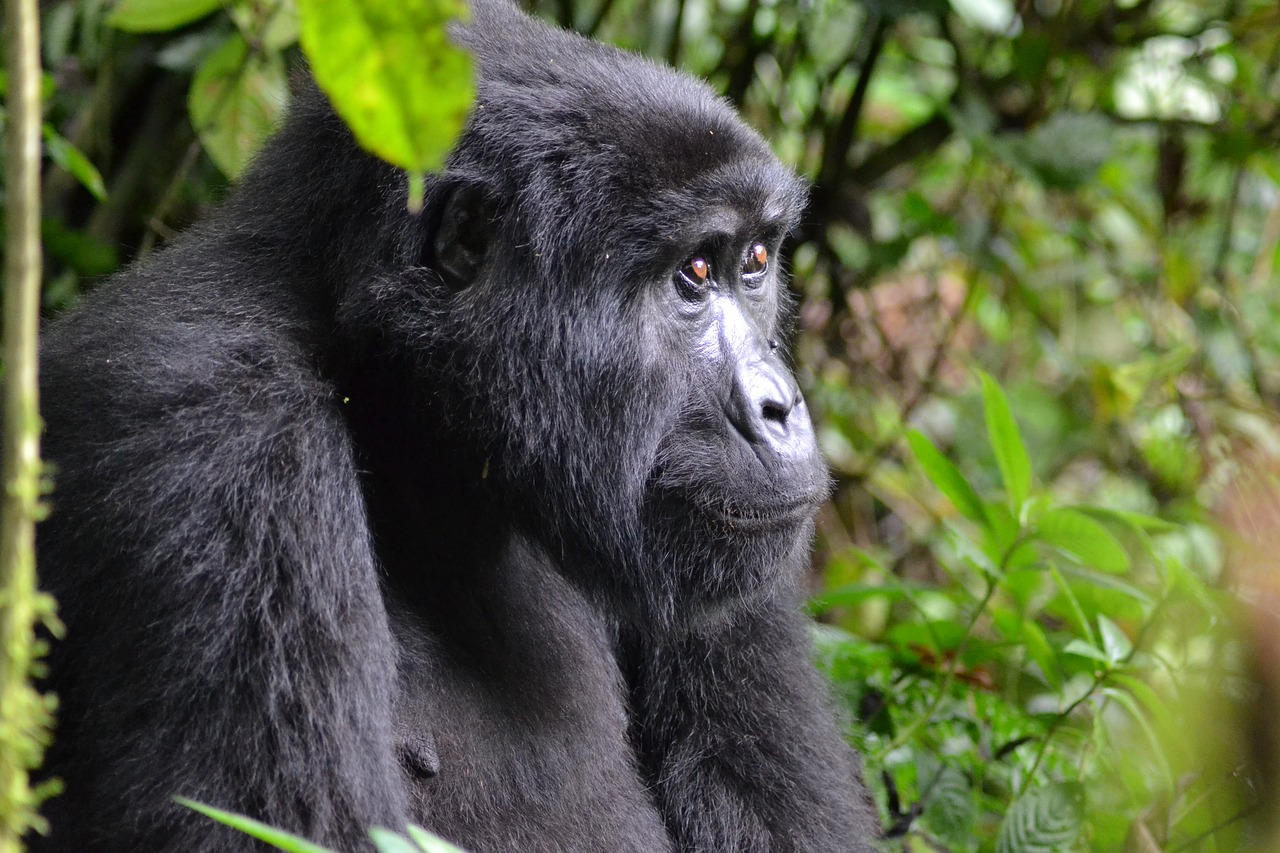
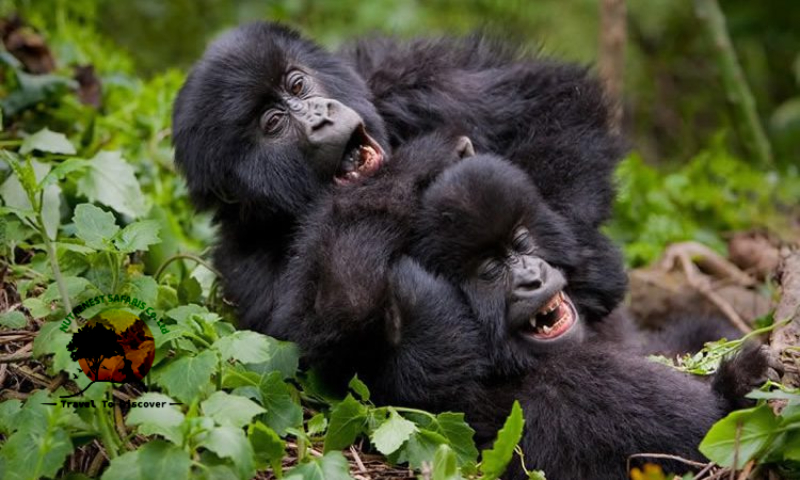
Gorilla trekking in Bwindi or Volcanoes is a different problem entirely. Forest interiors are dark. You will be shooting at ISO 6400 with a fast prime or a 24-70mm at f/2.8, at close range — telephotos are often too long. Flash is prohibited. Accept the noise; the pictures are still extraordinary.
Tell your guide on the first morning that photography matters to you. A good driver-guide will position the vehicle for the light rather than for the closest view, cut the engine, and wait. That single conversation improves your results more than any lens.
Beyond that: no flash near animals, ever. Do not ask your guide to leave the track or press closer than park rules allow — Uganda and Rwanda enforce a seven-metre minimum with gorillas and it exists to protect them from human disease. Keep your voice low. And if you are sharing a vehicle, take turns on the good side; everyone paid the same.
Travellers come home with two hundred frames of animals and none of the trip. Photograph the acacia silhouettes, the dust behind the Land Cruiser, your guide laughing over the bonnet at lunch, the market in Kabale. Those are the frames you will actually put on the wall.
We build itineraries around light — earlier starts, longer sits at a sighting, extra nights in one park rather than racing between four. If photography is the point of your trip, say so at the enquiry stage and we will plan it that way.
Ready to plan your safari? Contact Nature Nest Safaris at book@naturenestsafaris.com or call +256 777 131 912
Ready to plan your East African adventure? Browse our curated safari experiences:
Trips that match this guide. Every itinerary can be tailored to your dates and budget, and quotes are free.
Let our expert team craft your perfect safari adventure. Custom itineraries, competitive prices, and unforgettable experiences.
Start Planning Your Safari