 Safari Planning
Packing for an East African safari is simpler than most people expect. You don’t need specialised outdoor gear or an enormous suitcase. What you do need is the right combination of practical, neutral-coloured clothing, a few essential accessories, and common sense about the conditions you’ll encounter.
This guide covers what to pack whether you’re heading to Kenya’s Masai Mara, Tanzania’s Serengeti, Uganda’s Bwindi for gorilla trekking, or Rwanda’s Volcanoes National Park.
The golden rule of safari clothing is neutral colours: khaki, olive, tan, brown, and grey. Bright whites attract tsetse flies, and dark navy or black absorbs heat. Avoid camouflage patterns — they’re associated with military uniforms and can cause problems at checkpoints in some East African countries.
Pack lightweight, breathable long-sleeved shirts and convertible trousers that zip off into shorts. Mornings and evenings on safari can be surprisingly cold, especially at higher elevations like the Ngorongoro Crater rim (which sits at over 2,200 metres) or Bwindi Impenetrable Forest. A warm fleece or softshell jacket is essential.
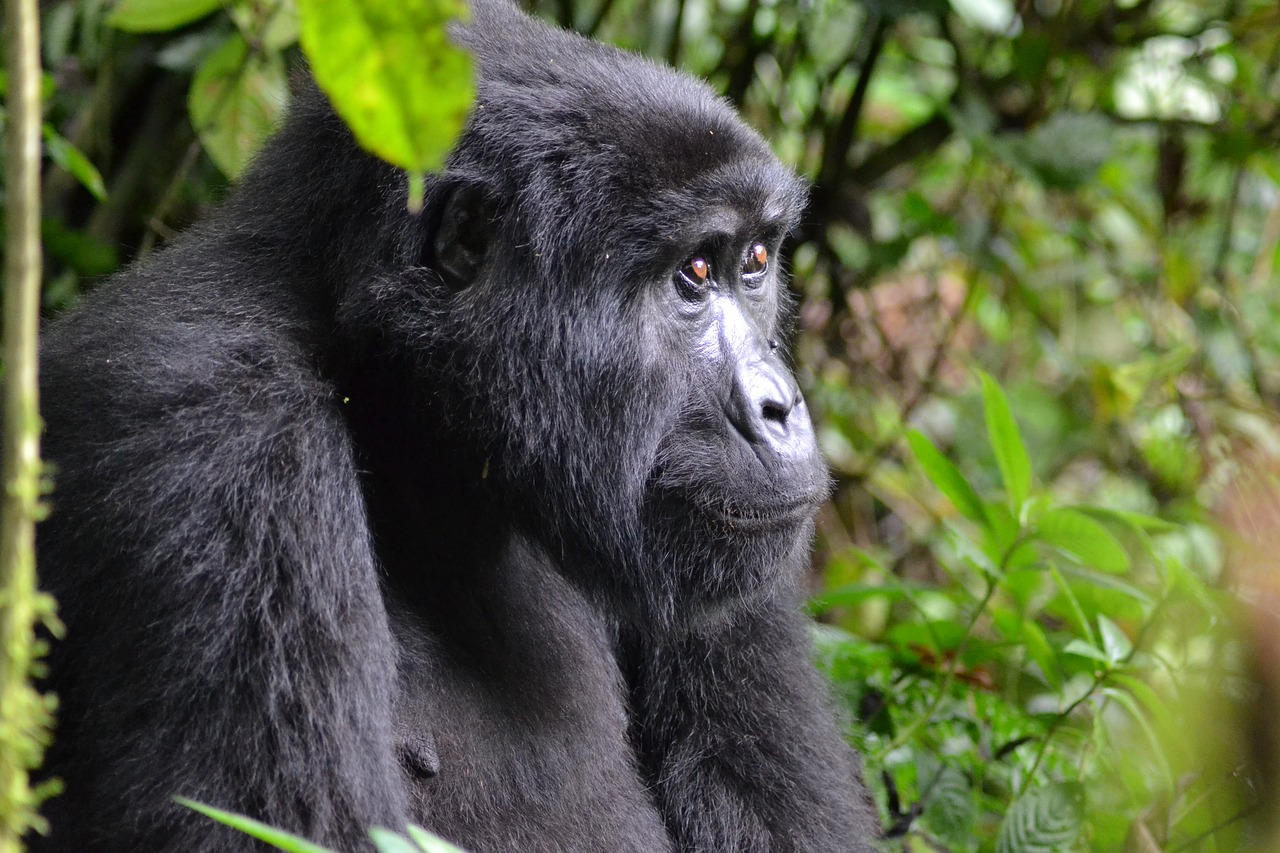
For gorilla trekking specifically, you’ll need waterproof hiking boots with ankle support, long trousers tucked into socks (to protect against nettles and ants), gardening-style gloves for grabbing vegetation, and a waterproof rain jacket. The forests of Bwindi and Volcanoes National Park are wet and muddy year-round.
Comfortable closed-toe walking shoes or light hiking boots are ideal for game drives and bush walks. Bring sandals or flip-flops for around camp. If your itinerary includes gorilla trekking or mountain climbing, pack proper waterproof hiking boots — broken-in before you travel.
The equatorial sun in East Africa is intense, even on cloudy days. Pack SPF 50+ sunscreen, a wide-brimmed hat, and quality UV-protection sunglasses. For insect protection, bring DEET-based repellent (at least 30% concentration) and consider treating your clothes with permethrin before your trip. Most safari lodges and camps provide mosquito nets over beds.
A camera with a good zoom lens (200–400mm range) will capture the best wildlife shots. A smartphone with a clip-on zoom lens works surprisingly well for casual photographers. Bring extra memory cards, spare batteries, and a beanbag or window mount to stabilise your camera on the vehicle.
Dust is your camera’s enemy on safari. Pack a microfibre cloth and a ziplock bag to protect gear during bumpy drives. A small pair of binoculars (8×42 or 10×42) dramatically improves your game viewing — you’ll spot birds and distant animals that others miss entirely.
Consult your doctor about antimalarial medication well before departure. Yellow fever vaccination is required for entry into Uganda and Tanzania (and for Kenya if arriving from a yellow fever zone). Bring a basic first aid kit with plasters, antiseptic, antihistamines, rehydration salts, and any personal prescription medications.
A headlamp or small torch is invaluable for navigating camp at night. Pack a reusable water bottle (most camps provide filtered water), a universal power adapter, and a portable power bank. If you’re doing a camping safari, bring a lightweight sleeping bag liner for extra warmth.
Keep luggage soft-sided if possible — rigid suitcases don’t fit well in safari vehicles or small bush planes. Most domestic flights in East Africa have a 15kg luggage limit for soft bags.
Clothing: 3–4 neutral-coloured tops, 2 pairs of safari trousers, warm fleece, rain jacket, swimsuit. Footwear: walking shoes, sandals, hiking boots (if trekking). Accessories: sunhat, sunglasses, binoculars, headlamp. Protection: sunscreen SPF 50+, insect repellent, mosquito net (usually provided). Tech: camera, spare batteries, memory cards, power bank, adapter. Documents: passport, visa, vaccination certificates, travel insurance details, printed itinerary.
Need help planning your safari and want personalised packing advice for your specific itinerary? Get in touch with Nature Nest Safaris — we’ll make sure you’re fully prepared.
Ready to plan your East African adventure? Browse our curated safari experiences:
Trips that match this guide. Every itinerary can be tailored to your dates and budget, and quotes are free.
Tell us when and how many of you are travelling. A real person replies by email or WhatsApp within 24 hours with a line-by-line quote. No deposit until you are happy with the plan.
Let our expert team craft your perfect safari adventure. Custom itineraries, competitive prices, and unforgettable experiences.
Start Planning Your Safari