 Tourism
Packing for a Uganda safari is different from packing for a beach holiday or a European city break. You need clothing that handles tropical heat, highland cold, muddy forest trails, and everything in between — sometimes in a single day. This guide covers exactly what to bring, what to leave at home, and the items that experienced safari-goers swear by.
Neutral colours are essential — khaki, olive, tan, brown, and beige. Bright colours and white can startle wildlife and attract insects. Most game drives start early (around 6:30 AM), when temperatures can be surprisingly cool, so layers are your friend.
Pack lightweight long-sleeved shirts (sun and insect protection), convertible trousers that zip off into shorts, a warm fleece or softshell jacket for early mornings, and a wide-brimmed hat. A lightweight waterproof jacket is non-negotiable — afternoon showers are common, especially between March and May and October to November.
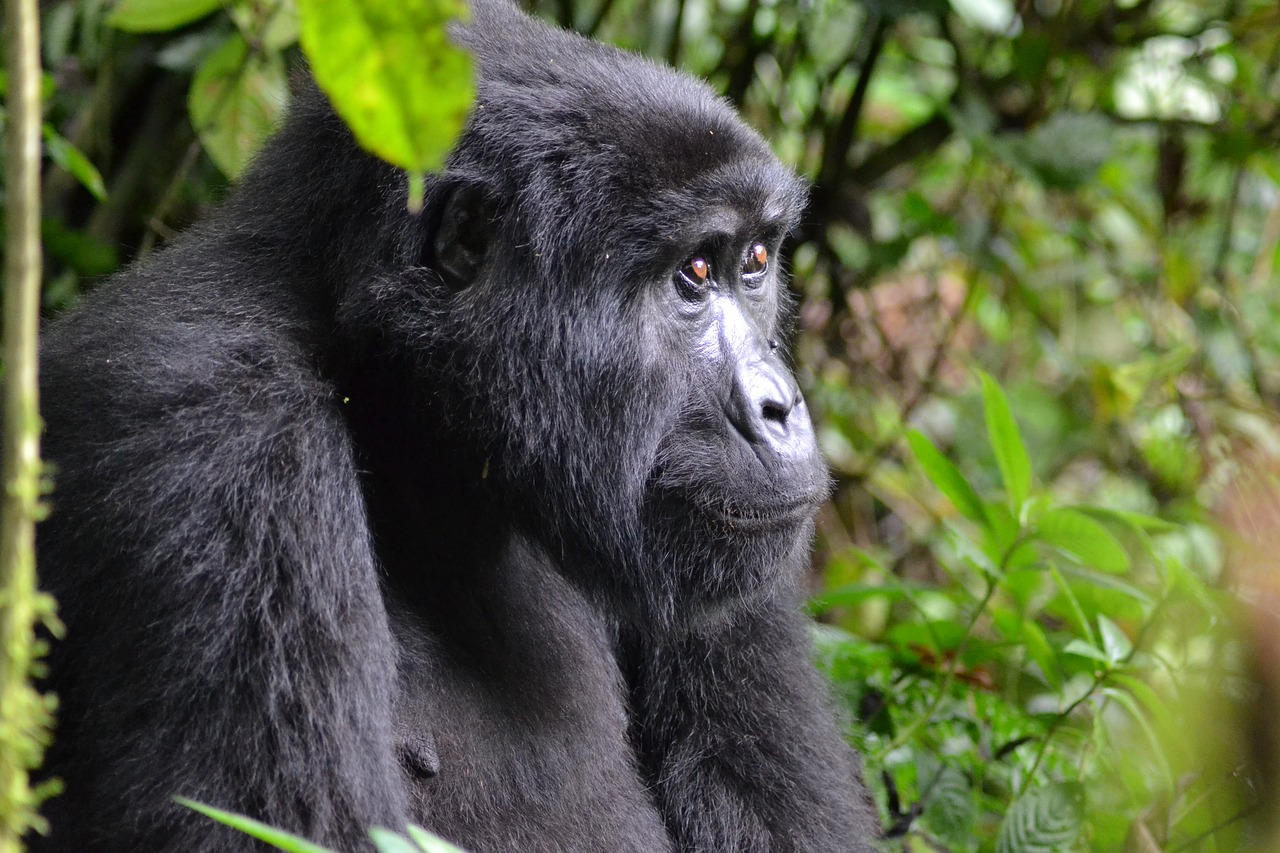
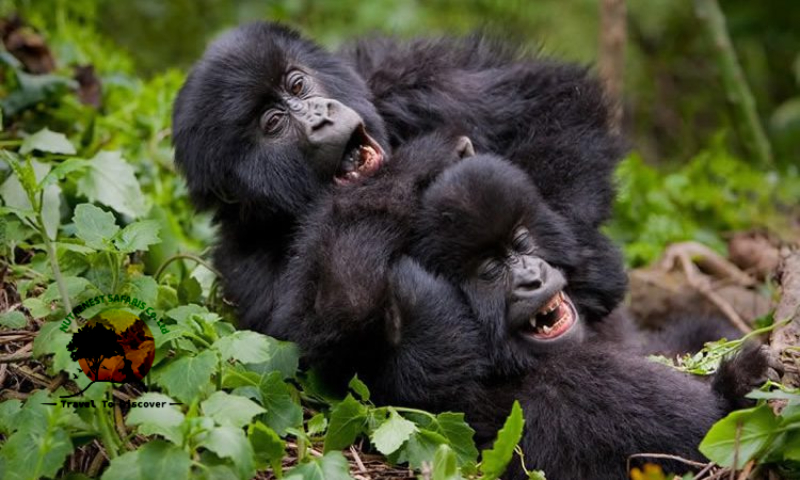
Gorilla trekking in Bwindi is the most gear-specific activity on your safari. The forest is dense, steep, muddy, and full of stinging nettles. Here’s what you absolutely need:
Sturdy waterproof hiking boots — ankle-high with good tread. This is the single most important item on your packing list. Break them in before your trip. Trail runners are not enough for Bwindi’s mud.
Long gardening-style gloves — for grabbing vegetation as you pull yourself up slopes. Sounds odd, but every experienced trekker recommends them. You can buy cheap pairs in Kampala or Buhoma village.
Gaiters — to keep mud and ants out of your boots. Lightweight nylon gaiters are perfect. If you forget them, porters can improvise with cloth wraps.
Long trousers tucked into socks — protection from nettles, ants, and thorns. Don’t trek in shorts unless you enjoy being stung.
A small daypack — for water, snacks, camera, rain cover, and an extra layer. Keep it light — you’ll be climbing.
A good camera makes a massive difference on safari. For game drives, a telephoto lens (200-400mm) lets you capture distant wildlife. For gorilla trekking, a fast wide-angle to mid-zoom (24-70mm) works better in the dark forest — and remember, no flash photography is allowed near gorillas.
Bring extra memory cards and batteries — there’s no camera shop in Bwindi. A waterproof camera bag or dry sack protects your gear during forest treks. If you’re using a phone camera, it’ll work fine for gorilla trekking (you’re only 7 metres away) but will struggle on game drives at distance.
Your medical kit should include: malaria prophylaxis (start taking it before arrival as directed), strong insect repellent with DEET (30-50%), sunscreen SPF 50+, rehydration salts, basic painkillers, antihistamines, and any personal prescription medications. Bring enough medication for your entire trip plus a few extra days.
Hand sanitiser is essential — you’ll use it constantly. Wet wipes are invaluable on dusty game drives. Lip balm with SPF, moisturiser, and a small first-aid kit round out the basics.
Uganda uses UK-style three-pin plugs (Type G), so British travellers are in luck. Americans and Europeans will need an adapter. Most safari lodges have charging facilities, but some bush camps have limited power hours — bring a portable power bank (10,000mAh minimum).
A headlamp or small torch is essential for early morning starts and navigating camp at night. Binoculars (8×42 is the sweet spot for safari) transform your game drive experience — you’ll spot birds and distant animals your eyes would miss.
Leave the following at home: military-pattern or camouflage clothing (it’s technically illegal in several East African countries), excessive jewellery, hard-sided suitcases (soft bags fit better in safari vehicles and light aircraft), drone cameras (banned in Uganda’s national parks without special permits), and more than two checked bags — internal flights have strict weight limits (usually 15kg in a soft bag).
After hundreds of safaris, here’s what our guides at Nature Nest Safaris see people wish they’d packed: a warm hat for chilly Bwindi mornings (it can drop to 10°C at altitude), a bandana or buff for dusty roads, zip-lock bags for keeping electronics dry during treks, a small pair of scissors, and a reusable water bottle — reducing plastic waste matters in these pristine environments.
When you book with Nature Nest Safaris, we send you a detailed pre-departure briefing tailored to your specific itinerary — including exactly what to pack for each activity, current weather forecasts, and tips from our guides who trek these forests every week.
Ready to plan your Uganda safari? Email book@naturenestsafaris.com or call/WhatsApp +256 777 131 912 for a personalised itinerary and packing advice.
Ready to plan your East African adventure? Browse our curated safari experiences:
Trips that match this guide. Every itinerary can be tailored to your dates and budget, and quotes are free.
 Safari PlanningBest Time to Visit East Africa for a Safari: A Month-by-Month Guide for UK & European TravellersRead article →
 TourismKenya Coastal Safari: Malindi, Watamu & Lamu Island Guide for European TravellersRead article →
 TourismBest Time to Visit Bwindi Impenetrable Forest for Gorilla Trekking (2026 Guide)Read article →
Let our expert team craft your perfect safari adventure. Custom itineraries, competitive prices, and unforgettable experiences.
Start Planning Your Safari