 Tourism
If you’re considering a Uganda safari but wondering about safety, you’re not alone. It’s one of the most common questions European and American travellers ask before booking. The good news: Uganda is one of the safest safari destinations in East Africa, with a well-established tourism infrastructure and a government that takes visitor security seriously.
Hundreds of thousands of international tourists visit Uganda every year, primarily for gorilla trekking in Bwindi Impenetrable Forest and wildlife game drives in Queen Elizabeth and Murchison Falls National Parks. Incidents involving tourists are extremely rare.
Yellow fever vaccination is mandatory for entry into Uganda — you’ll need to show your certificate at immigration. Beyond that, your GP or travel clinic will likely recommend hepatitis A and B, typhoid, and ensuring your routine vaccinations are current. Malaria prophylaxis is strongly recommended as Uganda is in a malaria zone, particularly in lower-altitude areas around Lake Victoria and the national parks.
Tap water should be avoided — stick to bottled or filtered water. Most safari lodges and camps provide purified drinking water as standard. If you’re trekking at altitude in Bwindi or the Rwenzori Mountains, altitude sickness is rarely an issue below 2,500 metres, but gorilla trekking can reach 2,600 metres in some sectors.
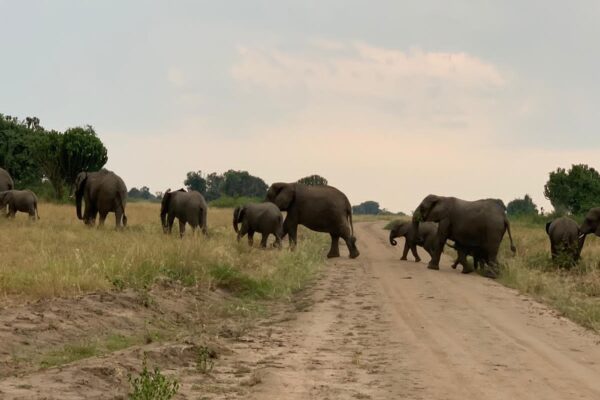
Uganda’s national parks are home to elephants, lions, leopards, hippos, and buffalo — all potentially dangerous animals. However, safari vehicles are purpose-built for safe viewing. Your guide will maintain safe distances, and you’ll never be asked to leave the vehicle in areas with dangerous wildlife unless in a designated safe zone.
Hippos are statistically the most dangerous large animal in Africa, but encounters on game drives are managed carefully. Boat safaris on the Kazinga Channel and the Nile bring you close to hippos and crocodiles, but always at a safe distance with experienced boat captains.
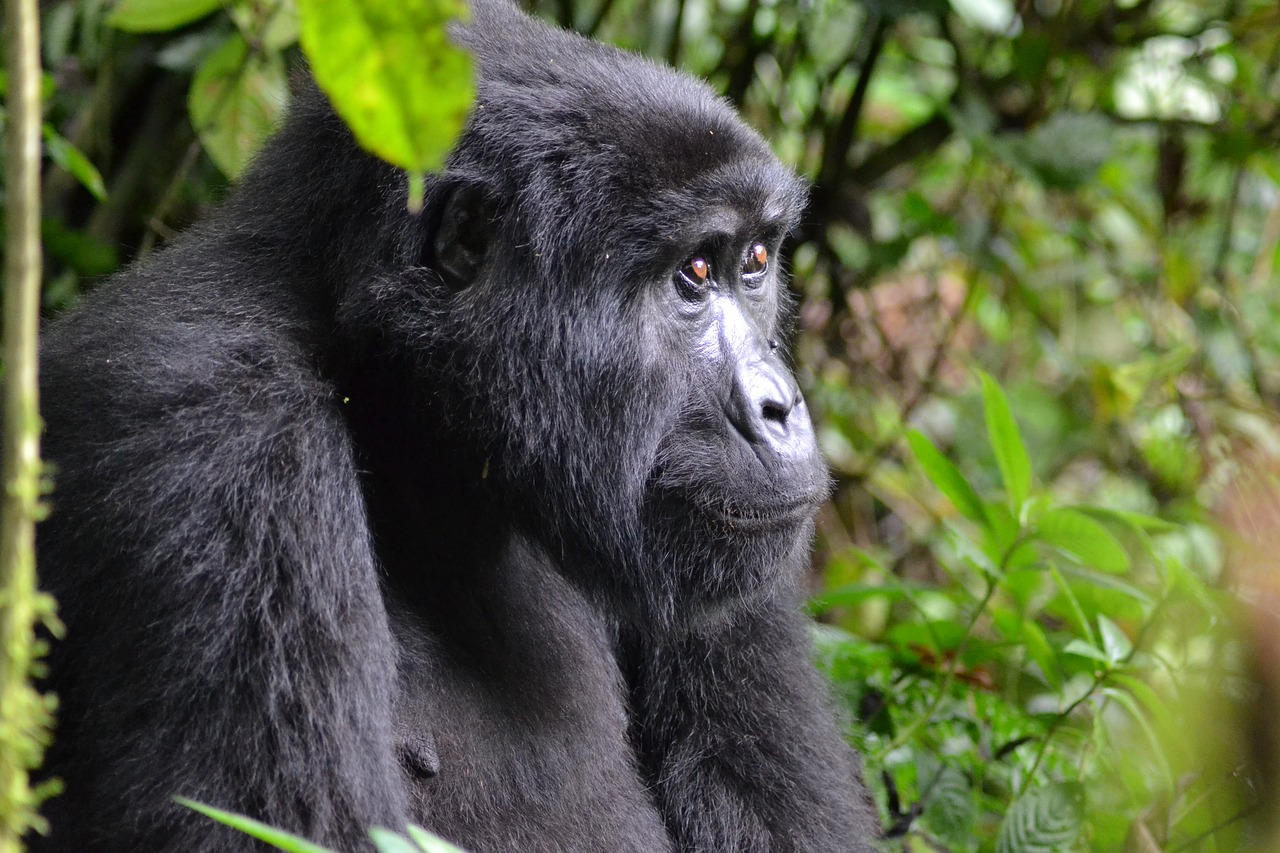
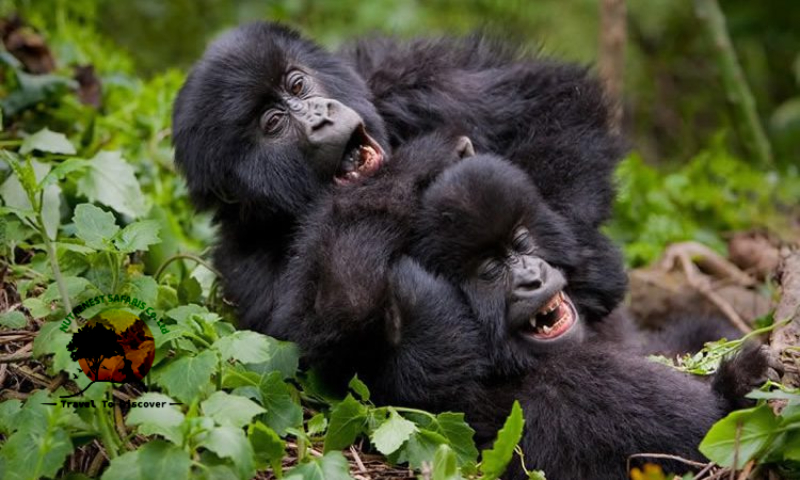
Gorilla trekking is the highlight of most Uganda safaris, and it’s remarkably safe. The mountain gorillas in Bwindi and Mgahinga are habituated — meaning they’re accustomed to human presence and generally calm around visitors. Rangers accompany every group, and strict rules apply: maintain a 7-metre distance, no flash photography, no eating near the gorillas, and if you’re feeling unwell, you should not trek (to protect the gorillas from human diseases).
The trekking itself can be physically demanding — steep, muddy trails through dense forest at altitude. Hiring a porter (around $15-20) is highly recommended and supports the local community. Walking sticks are provided, and the rangers set a pace suitable for the group.
This is probably the area that surprises visitors most. Uganda’s main highways have improved significantly, but some roads to national parks — particularly the route to Bwindi from Kampala — can be rough and slow. A journey that looks like 4 hours on Google Maps might take 7-8 hours in reality.
This is exactly why booking with a local operator like Nature Nest Safaris matters. We use experienced drivers who know every road, every shortcut, and every fuel stop. Our vehicles are maintained to safari standards with 4WD capability, and we plan realistic itineraries that account for actual driving times rather than map distances.
Common-sense precautions apply, as they would anywhere in the world. In Kampala and other cities, keep valuables secure, avoid walking alone at night in unfamiliar areas, and use reputable transport. On safari, you’ll be with your guide at all times, so personal safety concerns are minimal.
Mobile phone coverage is surprisingly good across much of Uganda, including in and around national parks. MTN Uganda offers affordable SIM cards at Entebbe Airport, giving you data and calling capability throughout your trip.
Uganda has been politically stable for decades, and tourist areas are well removed from any border regions where occasional tensions arise. The UK Foreign Office, US State Department, and other government travel advisories all rate Uganda’s national parks and main tourist routes as safe for travel. Always check the latest advice before travelling, but the consensus has been consistently positive for tourism areas.
A local operator based in Uganda knows the country intimately — current road conditions, weather patterns, which park sectors are best on any given day, and how to handle any situation that arises. At Nature Nest Safaris, our guides are certified by the Uganda Wildlife Authority, carry first-aid kits, and maintain satellite communication in remote areas.
Booking direct with a local operator also means you’re not paying a 40% markup to a Western travel agency that’s never set foot in Uganda. You get better service, more personalised attention, and direct support from people who live and work here every day.
Don’t let safety concerns hold you back from one of the most incredible wildlife experiences on Earth. Uganda is welcoming, safe, and ready for you.
Contact Nature Nest Safaris today: Email book@naturenestsafaris.com or call/WhatsApp +256 777 131 912. We’ll build a personalised itinerary that matches your interests, budget, and comfort level.
Ready to plan your East African adventure? Browse our curated safari experiences:
Trips that match this guide. Every itinerary can be tailored to your dates and budget, and quotes are free.
 Safari PlanningBest Time to Visit East Africa for a Safari: A Month-by-Month Guide for UK & European TravellersRead article →
 TourismKenya Coastal Safari: Malindi, Watamu & Lamu Island Guide for European TravellersRead article →
 TourismBest Time to Visit Bwindi Impenetrable Forest for Gorilla Trekking (2026 Guide)Read article →
Let our expert team craft your perfect safari adventure. Custom itineraries, competitive prices, and unforgettable experiences.
Start Planning Your Safari