 Safari Planning
If you keep a British list, you already know the arithmetic is brutal: a good year at Minsmere, Bempton and the Norfolk coast might add a handful of ticks. Fly seven and a half hours from London to Entebbe and you land in a country the size of Great Britain that holds more than 1,000 recorded bird species — roughly double the entire British and Irish list, in an area you can cross in a week.
Uganda alone accounts for around half of all bird species in Africa. Kenya’s tally sits above 1,100. Tanzania holds more than 1,100 too, with a cluster of Eastern Arc endemics found nowhere else on earth. For European birders used to chasing single vagrants across three counties, the density is genuinely disorienting: it is normal to record 80 to 120 species in a single day on a well-planned route, and 400 to 500 on a two-week circuit.
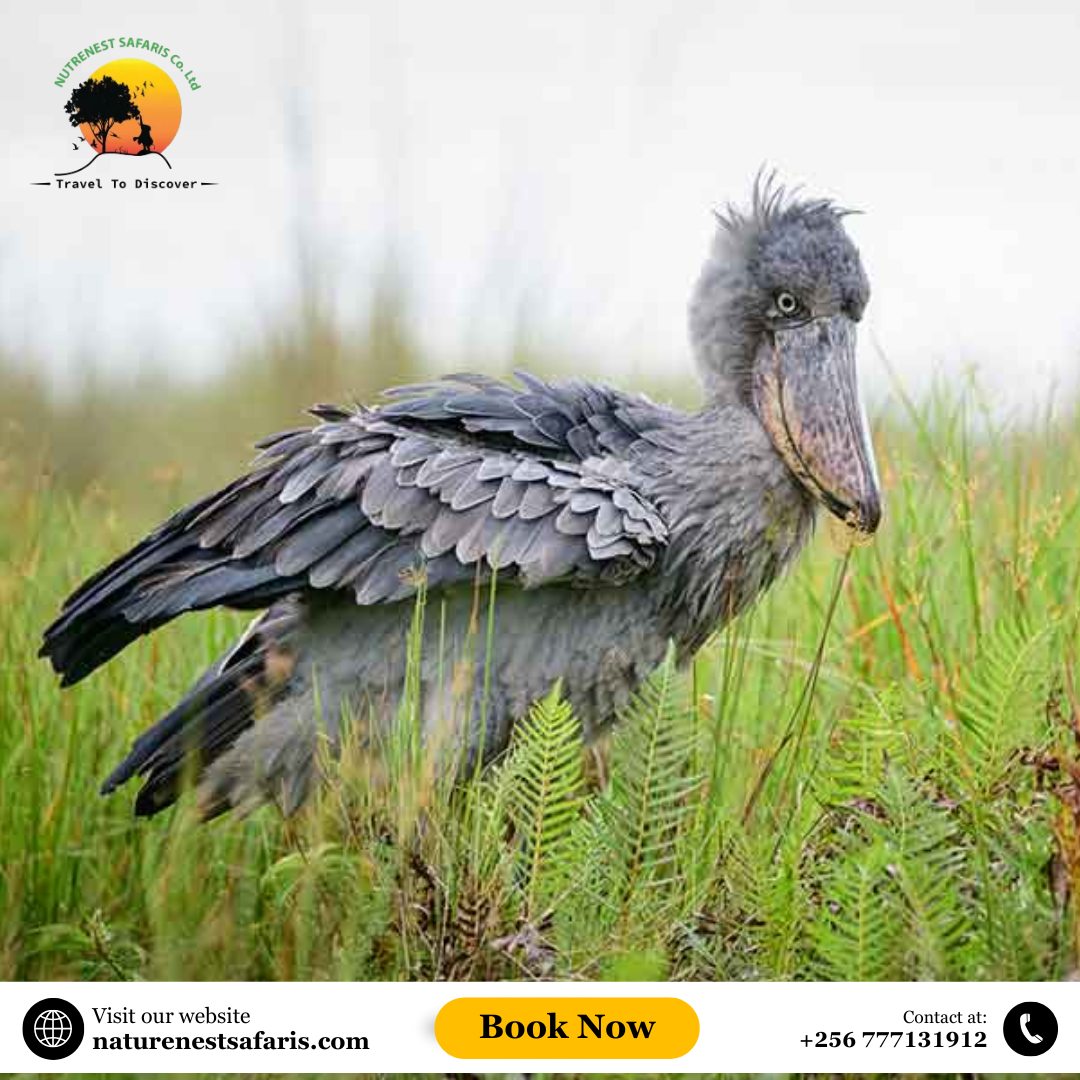
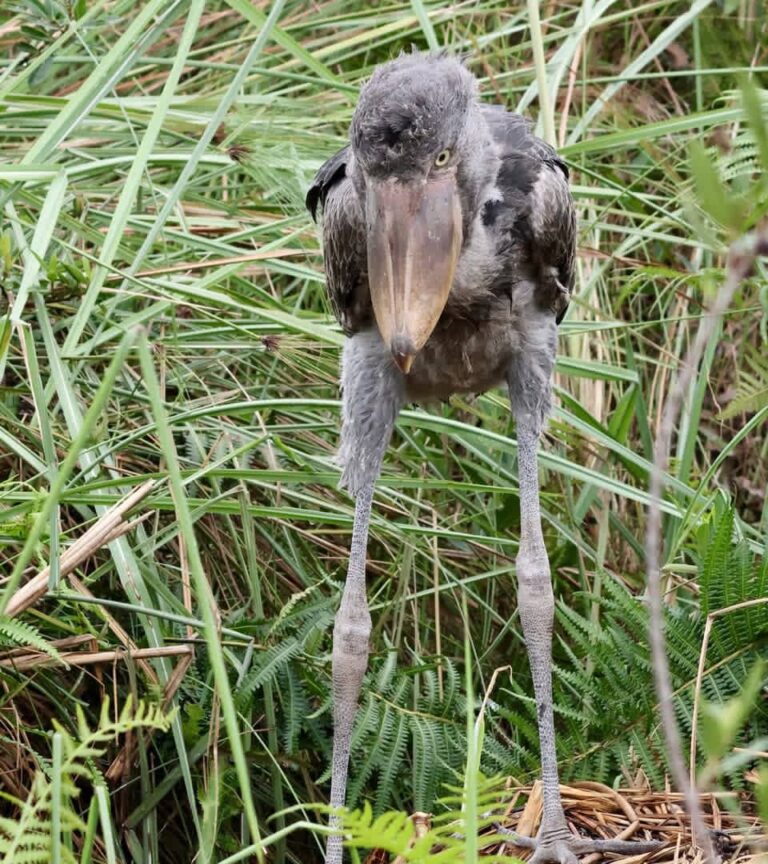
Ask any visiting birder what tops the wish list and the answer is almost always the shoebill. This prehistoric-looking, metre-tall grey stork-relative with a bill like a wooden clog is one of the most sought-after birds on the planet, and Uganda is the most reliable country in the world to see one.
The classic site is Mabamba Bay, a papyrus swamp on the northern shore of Lake Victoria, less than an hour from Entebbe airport. Local guides pole you through the channels in a motorised canoe at first light. Sightings run at roughly 80 to 90 percent on a morning visit. Because it is so close to the airport, most European birders slot Mabamba in on their arrival morning or the morning before their flight home — it costs almost nothing in itinerary time.
Other strong shoebill sites include the Victoria Nile delta in Murchison Falls National Park, the Lake Albert flats, and Ziwa Rhino Sanctuary’s swamp — which conveniently pairs a shoebill walk with white rhino tracking on foot.
A 10 to 14-day Uganda circuit is the strongest single-country birding trip in Africa. Highlights: Mabamba for shoebill; Kibale Forest for green-breasted pitta and Nahan’s francolin alongside chimpanzee tracking; Bwindi Impenetrable Forest — specifically the Ruhija sector and the Mubwindi Swamp trail — for around two dozen Albertine Rift endemics including African green broadbill, Grauer’s warbler, handsome francolin and Rwenzori turaco; Queen Elizabeth National Park and the Kazinga Channel for waterbirds in extraordinary concentrations; and Semuliki for Congo-basin species that reach nowhere else in East Africa.
Kenya packs habitats close together. The Rift Valley lakes — Nakuru, Bogoria, Baringo and Naivasha — deliver flamingos in the tens of thousands, plus Hemprich’s hornbill and Jackson’s hornbill around the Baringo cliffs. Kakamega Forest is the country’s only true rainforest. The Masai Mara adds classic savannah raptors and secretary birds while your non-birding partner enjoys the Big Five. Kenya is the easiest option if you only have a week.
Tanzania suits endemic-hunters: the Usambara and Uluguru mountains hold species with tiny world ranges, and Tarangire and the Ngorongoro Crater rim add dry-country specials. Rwanda’s Nyungwe Forest is a compact, well-trailed alternative for Albertine Rift endemics if you would rather not spend days on Ugandan roads.
The two best windows for European birders are late June to September and December to February. Both are drier, so forest trails are walkable and bush flights run to schedule.
That said, birders should think differently from general safari-goers. November to April brings Palearctic migrants — the very warblers, waders and raptors that left Europe in autumn — pushing day lists sharply higher. Many resident species are also in breeding plumage and calling, which makes forest birds far easier to locate. If your priority is species count rather than comfortable roads, the green season is the smarter choice, and lodge rates are 20 to 40 percent lower.
Return flights from London to Entebbe or Nairobi typically run £550 to £850, with Kenya Airways, Ethiopian, Qatar, Emirates and Turkish all offering one-stop routings. Brussels Airlines flies to Entebbe from Brussels for travellers on the continent.
A specialist guided birding safari with a dedicated bird guide, 4×4, park fees and mid-range lodges costs roughly £190 to £280 per person per day. A 10-day Uganda birding circuit therefore lands around £2,400 to £3,200 per person including flights. Booking direct with a Ugandan operator rather than a UK agency typically saves 30 to 40 percent on the ground portion.
The single most important line item is the guide. A general safari driver will find you lions; only a trained bird guide will pick out a green-breasted pitta by call at dawn. Always confirm your operator is assigning a specialist.
Bring 8×42 or 10×42 binoculars, a 400mm-plus lens if you photograph, and a lightweight scope for the Rift Valley lakes and Kazinga Channel. Add a good regional field guide, a head torch for pre-dawn starts, gaiters and gardening gloves for the Bwindi swamp trails, and a rain shell — forest birding is wet in every season.
Ready to plan your safari? Contact Nature Nest Safaris at book@naturenestsafaris.com or call +256 777 131 912. We are a Uganda-based operator and we build tailor-made birding itineraries with specialist bird guides for UK and European travellers.
Ready to plan your East African adventure? Browse our curated safari experiences:
Trips that match this guide. Every itinerary can be tailored to your dates and budget, and quotes are free.
Let our expert team craft your perfect safari adventure. Custom itineraries, competitive prices, and unforgettable experiences.
Start Planning Your Safari