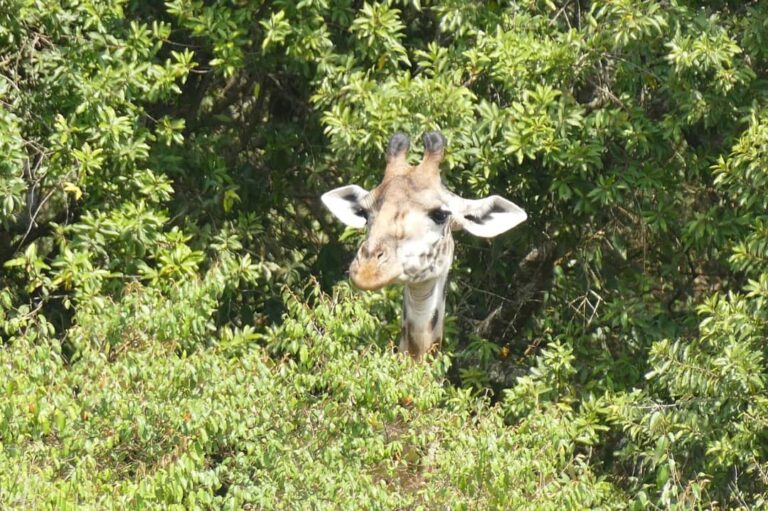
 Uganda Safari
Landing at Entebbe after an overnight flight from Europe, most travellers want to do one thing: sleep. Yet Entebbe sits on the shore of Lake Victoria, and a short boat ride away lies Ngamba Island Chimpanzee Sanctuary, where rescued chimpanzees live in forest that is partly wild and partly cared for. For German, Dutch and French visitors flying into Uganda, it is one of the easiest ways to see great apes on the first or last day of a trip, with no long drive and no permit lottery.
This guide explains what Ngamba Island is, how the day works, what it costs in euros, and how to fit it into a longer safari. All prices are approximate and change by season, so treat them as a planning range and confirm before you book.
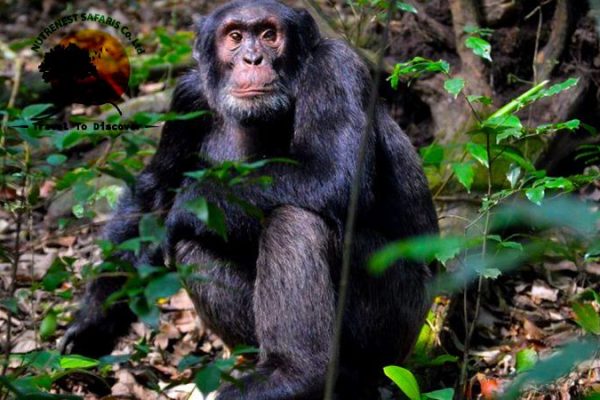
Ngamba is a forested island of roughly 100 acres in Lake Victoria, around 23 km from Entebbe. It is run by the Chimpanzee Sanctuary and Wildlife Conservation Trust and has been home to orphaned chimpanzees since the late 1990s. Most of the animals arrived after being confiscated from poachers or the illegal pet trade, often as infants whose mothers had been killed. Because they grew up around people, they cannot be released into the wild, so the island gives them a large, protected space to live as a community. The population is usually around 50 chimpanzees, and the number changes as babies are born.
This matters for how you read the experience. These are not wild, habituated chimpanzees like those in Kibale or Budongo, and the visit is closer to a conservation visit than a trek. That is a plus for some travellers and a minus for others, and we cover both sides below.
A typical Ngamba day trip starts at the boat landing near Entebbe, about 20 to 40 minutes by road from the airport depending on traffic. The crossing takes roughly 45 minutes to an hour on a motorised boat, and you often see fish eagles, kingfishers and cormorants on the way. On the island, a ranger gives a briefing about the sanctuary and the rules, including keeping a respectful distance and not eating in front of the apes.
The main event is the supplementary feeding, normally held twice a day in the late morning and mid-afternoon. The chimpanzees walk out of the forest to a feeding area and you watch from a raised platform. Caretakers explain who is who, which individuals are dominant, and how the group is managed. The rest of the time is usually spent on a short forest walk, a lakeside lunch and some time for birdwatching. Because the sanctuary is isolated, it is also a quiet place to recover from jet lag.
Overnight stays are possible in simple tented accommodation on the island, which lets you see the early morning activity when the chimpanzees leave their night enclosure. If you are a keen photographer, this is worth considering.
Foreign non-resident visitors typically pay somewhere in the region of US$100 to US$150 (about €95 to €140) for a day visit, which usually covers the boat, the sanctuary fee and a meal. Overnight packages cost noticeably more. Transport from your Entebbe hotel and any private-guide fee are extra. Rates change, so ask for a written quote before paying a deposit. If you book the trip with a local operator rather than on the day, you also avoid arriving at a fully booked boat, which can happen in the peak months of June to September and December to February.
For comparison, a permit for a wild chimpanzee trek in Kibale costs more than a Ngamba day trip and adds a long drive, so Ngamba is the cheaper and quicker option. If your priority is the real forest experience, read our guide to chimpanzee trekking in Kibale Forest as well, and our comparison of Budongo Forest chimp tracking near Murchison Falls.
Brussels Airlines flies non-stop between Brussels and Entebbe, and many travellers from Germany, the Netherlands and France connect through Brussels. Other common routings run via Istanbul, Doha, Addis Ababa, Nairobi or Kigali, and several of these land in Entebbe late at night or very early in the morning. Fares vary a lot by season; as a rough guide, return economy tickets from continental Europe often fall between €600 and €1,000 outside the peak weeks. Because many arrivals are in the small hours, plan Ngamba for the day after you land, not the same morning.
Most European passport holders need a Ugandan visa, and it is applied for online before you travel. Check the current requirements and fees on the official government portal, and make sure your passport has at least six months of validity and blank pages. Yellow fever vaccination proof is requested for many travellers, so check your own situation with a travel clinic.
If you want something longer, see our 3-day chimpanzee trekking safari, the 5-day gorilla tracking and game drives itinerary or the wider 11-day Uganda primates and birding safari. Browse all of our Uganda safari packages for more options.
Pros: it is close to the airport, needs no strenuous walking, works for children and older travellers, supports a real conservation charity, and gives a calm first or last day. The boat ride adds birdlife, and the chimpanzees are guaranteed to be seen, which cannot be said of any wild trek.
Cons: the animals are not wild, so some travellers find the feeding platform less magical than a forest encounter. The experience is shorter and more managed, the price per hour is not low, and weather on the lake can occasionally delay boats. If you only have time for one chimpanzee experience and you can handle a forest walk, a real trek in Kibale or Budongo is the more adventurous choice.
Ngamba can be visited year-round. The drier months, roughly June to September and December to February, give calmer water and easier walking, while the rainy months of March to May and October to November bring greener scenery and fewer visitors. Mornings are usually the clearest on the lake.
No. Visitors keep a distance, and the sanctuary limits contact to protect the animals from human diseases.
Generally yes, as walking is easy and the feeding platform is safe, but check the minimum age with the sanctuary and bring sun protection for the boat.
Plan for most of a day, around six to seven hours door to door from an Entebbe hotel, including the boat ride in both directions.
Yes. Many travellers visit Ngamba on arrival or departure day and head to Bwindi for the gorillas in between.
Ready to plan your safari? Contact Nature Nest Safaris at book@naturenestsafaris.com or call/WhatsApp +256 777 131 912.
Ready to plan your East African adventure? Browse our curated safari experiences:
Trips that match this guide. Every itinerary can be tailored to your dates and budget, and quotes are free.
Tell us when and how many of you are travelling. A real person replies by email or WhatsApp within 24 hours with a line-by-line quote. No deposit until you are happy with the plan.
Let our expert team craft your perfect safari adventure. Custom itineraries, competitive prices, and unforgettable experiences.
Start Planning Your Safari