 Tourism
The Selous — now officially known as Nyerere National Park in its northern tourism section — is one of Africa’s last great wilderness areas. Covering over 30,000 square kilometres in southern Tanzania, it dwarfs the Serengeti and is roughly four times the size of the Kruger National Park. Yet it receives a fraction of the visitors, making it one of the most exclusive and uncrowded safari destinations on the continent.
What sets the Selous apart is its combination of diverse activities and pristine wilderness. Unlike most East African parks where game drives are the only option, the Selous offers walking safaris, boat safaris on the Rufiji River, and fly-camping — sleeping under the stars in remote bush camps. The river system that threads through the reserve creates a stunning landscape of channels, lakes, and sandbanks teeming with hippos, crocodiles, and waterbirds.
The Selous supports one of Africa’s largest concentrations of wildlife, including significant populations of elephants (estimated at 13,000–15,000), buffalo, hippos, and crocodiles. The reserve is also one of the best places in Tanzania to see the endangered African wild dog — packs of these beautifully patterned predators hunt across the woodland and grassland habitats.
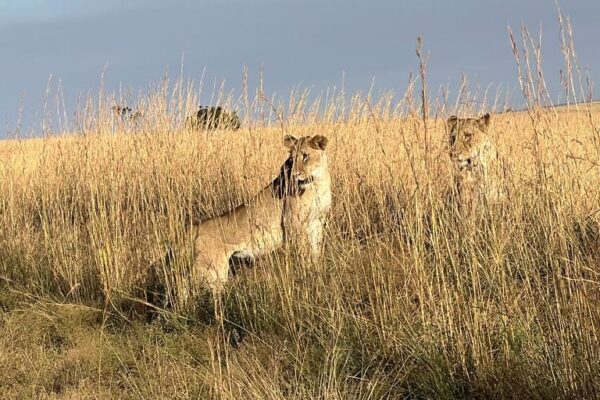
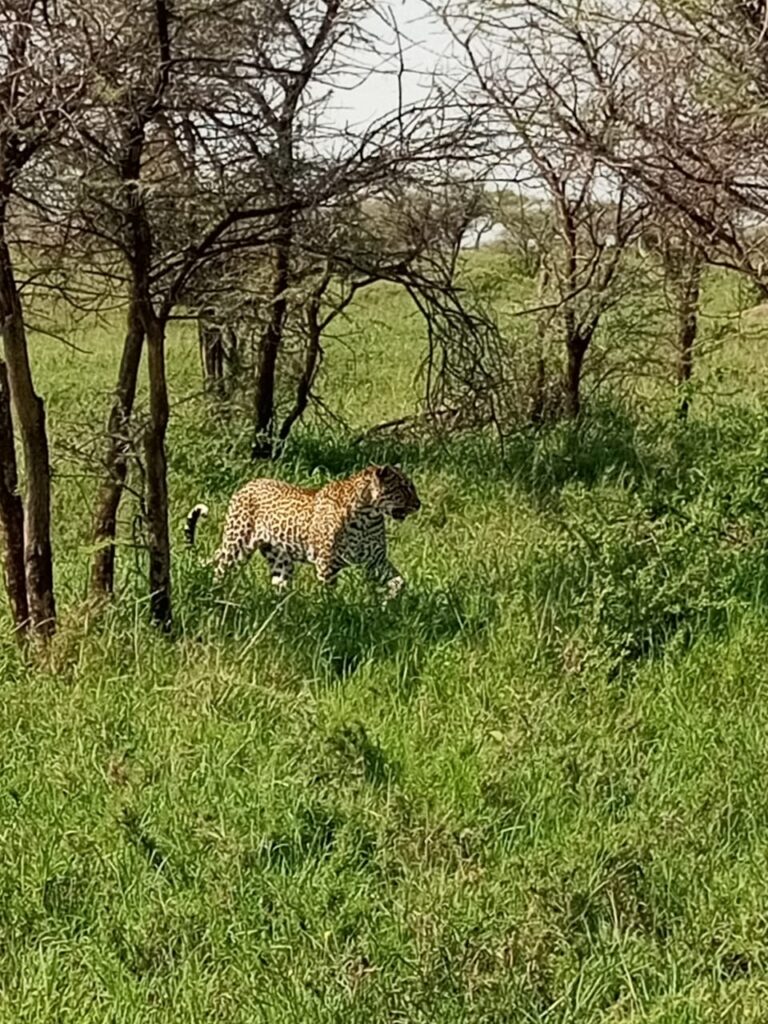
Lions are common throughout the reserve, and the Selous population is one of the largest and most genetically diverse in Africa. Leopards, while typically elusive, are regularly spotted along the Rufiji River’s wooded banks. Other notable species include giraffes, sable antelopes, greater kudu, and Lichtenstein’s hartebeest — species that are rare or absent in northern Tanzania’s parks.
Morning and afternoon game drives explore the reserve’s diverse habitats — open grasslands, miombo woodland, riverine forest, and the edges of the lakes and channels. Because visitor numbers are low, you’ll often have wildlife sightings entirely to yourself, without the vehicle congestion that can occur in the Serengeti or Mara.
The Rufiji River boat safari is the Selous signature experience. Gliding along the river in a small motorboat, you’ll pass pods of hippos (the Selous has one of Africa’s largest hippo populations), enormous Nile crocodiles basking on sandbanks, and a spectacular array of waterbirds including African skimmers, bee-eaters, kingfishers, and fish eagles. The boat also accesses areas that are unreachable by vehicle.
The Selous is one of Tanzania’s few reserves where walking safaris are permitted. Accompanied by an armed ranger and experienced guide, you’ll track wildlife on foot through the bush — an immersive experience that engages all your senses and gives you a fundamentally different perspective from a vehicle. Walking safaris typically last 2–4 hours and focus on tracking, birding, and understanding the smaller details of the ecosystem.
Some camps offer fly-camping experiences where you spend a night sleeping under mosquito nets in a remote bush location, far from any permanent camp. After a walking safari and sundowner drinks, dinner is cooked over an open fire and you sleep under the African stars with the sounds of the bush all around you. It’s safari at its most raw and authentic.
The Selous safari season runs from June to November, coinciding with the dry season. July to October offers the best game viewing as animals concentrate around the remaining water sources. Most camps close during the heavy rains from March to May when roads become impassable and tsetse flies are at their worst.
June and November are excellent shoulder-season months with fewer guests and competitive rates. The early dry season (June–July) has lush green vegetation, while the late dry (September–October) offers the most concentrated wildlife viewing.
The most practical access is by scheduled flight from Dar es Salaam (45 minutes) or from the Serengeti/Ruaha via charter flights. Road access from Dar es Salaam takes 5–6 hours on rough roads and is only recommended for the adventurous. Most safari camps include airstrip transfers in their packages.
A 3-day Selous safari starts at approximately $1,200 per person for mid-range tented camps, including flights from Dar es Salaam, full-board accommodation, game drives, boat safari, and park fees. Premium camps range from $600–$1,200 per person per night. The Selous pairs naturally with Ruaha National Park (3–4 days) for a comprehensive southern Tanzania circuit, or with Zanzibar for a bush-and-beach combination.
Nature Nest Safaris designs custom Selous safari itineraries that combine game drives, boat safaris, and walking safaris with carefully selected camps. We also offer Selous–Ruaha and Selous–Zanzibar combinations. Browse our Tanzania safari packages or contact us to plan your Selous adventure.
Ready to plan your East African adventure? Browse our curated safari experiences:
Trips that match this guide. Every itinerary can be tailored to your dates and budget, and quotes are free.
 Safari PlanningBest Time to Visit East Africa for a Safari: A Month-by-Month Guide for UK & European TravellersRead article →
 TourismKenya Coastal Safari: Malindi, Watamu & Lamu Island Guide for European TravellersRead article →
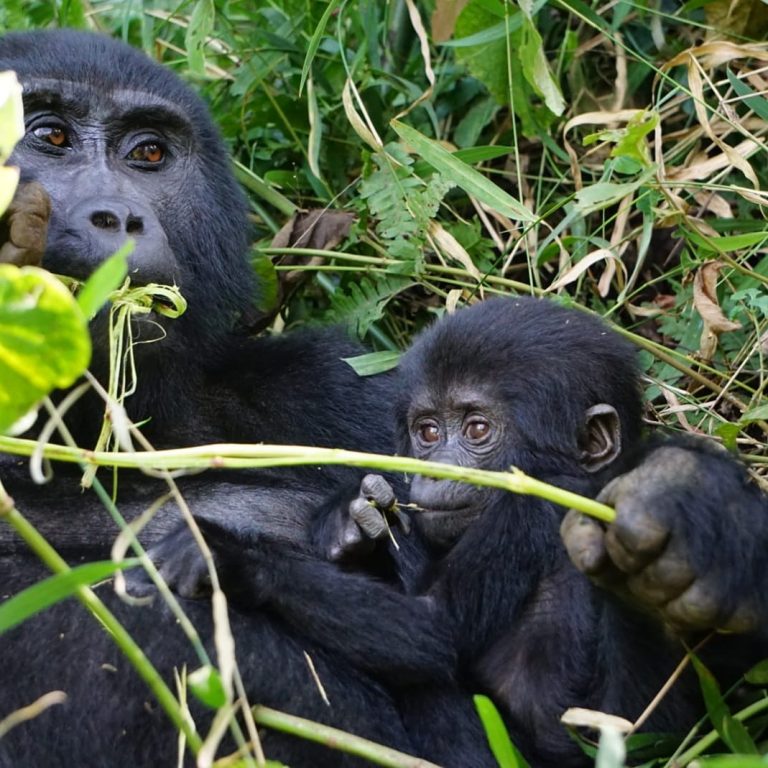 TourismBest Time to Visit Bwindi Impenetrable Forest for Gorilla Trekking (2026 Guide)Read article →
Tell us when and how many of you are travelling. A real person replies by email or WhatsApp within 24 hours with a line-by-line quote. No deposit until you are happy with the plan.
Let our expert team craft your perfect safari adventure. Custom itineraries, competitive prices, and unforgettable experiences.
Start Planning Your Safari