 Safari Planning
Kilimanjaro is the highest free-standing mountain on earth at 5,895m, and the only peak of that scale most people can reach without ropes, ice axes or technical training. That is why roughly 50,000 trekkers attempt it each year, and why a growing share of them fly in from London, Amsterdam, Frankfurt and Paris. You do not need to be a mountaineer. You do need to choose the right route, allow enough days, and arrive genuinely fit.
Here is what British and European trekkers should know before booking for 2026.
There are seven established routes up Kilimanjaro. The single biggest predictor of whether you reach Uhuru Peak is not your fitness — it is how many days you spend acclimatising.
Machame (6–7 days) is the most popular route with European trekkers and deservedly so. It climbs through five distinct ecological zones, follows a genuine “climb high, sleep low” profile, and the scenery through the Shira Plateau and Barranco Wall is the best on the mountain. Choose the 7-day version, not the 6. That extra day lifts summit success from roughly 65% to well over 85%.
Lemosho (7–8 days) is the route we recommend most often. It approaches from the west, is quieter in the first two days, and the acclimatisation profile is the strongest of any non-technical route. Success rates on the 8-day Lemosho run above 90%. It costs more because of the extra park fees and crew days, and it is worth every pound.
Rongai (6–7 days) comes in from the northern, Kenyan side. It is drier, so it is the sensible choice if you are climbing during the shoulder months when the southern routes get wet.
Marangu (5–6 days) is the one sold as “the Coca-Cola route” because you sleep in huts rather than tents. It is also the route with the lowest summit success rate — often under 50% — because the ascent profile is too fast. Trekkers who book it to save money frequently spend £2,000 and never reach the top. Avoid it unless you have a specific reason.
Northern Circuit (9 days) is the longest and has the highest success rate of all, close to 95%. If you have the annual leave, it is the most enjoyable way up.
Kilimanjaro is not a budget trek, and the reason is structural: Tanzania National Parks charges roughly $70–$80 per person per day in conservation fees, plus camping and rescue fees, before a single guide is paid. Any operator quoting under about $1,500 is cutting corners somewhere — usually on crew wages, food or oxygen equipment.
A realistic all-in figure for a British trekker is £2,600–£3,200 including flights, tips and a couple of nights either side.
The two dry windows are January to mid-March and June to October. January and February are warmer and quieter; the peak is often at its most photogenic. July to September is the busiest stretch and coincides neatly with European summer holidays, though nights on the upper mountain drop well below freezing. Avoid April, May and November, when the long and short rains make the trails miserable and the summit views nonexistent.
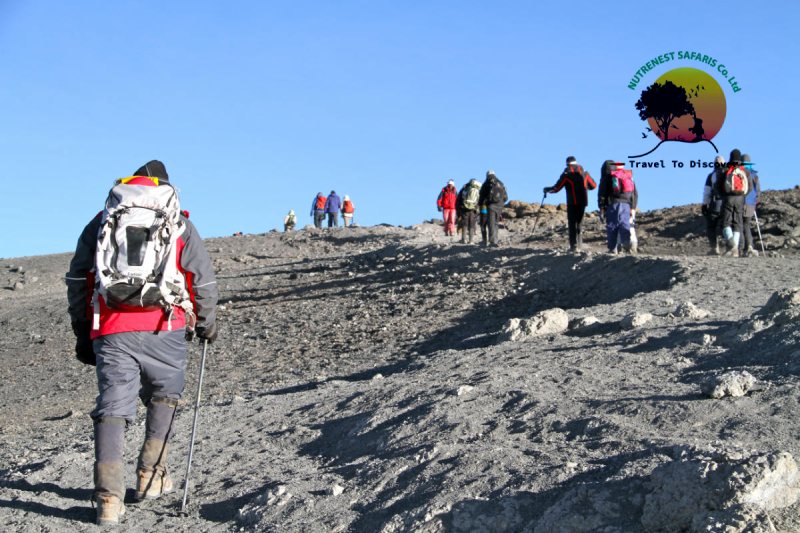
Kilimanjaro is a long walk, not a climb, but it is a long walk at altitude on consecutive days. The trekkers who struggle are rarely unfit — they are simply unaccustomed to walking for six hours a day, five days running.
Three months out, build to one long hill walk per week of four to six hours with a loaded daypack. The Lake District, Snowdonia, the Brecon Beacons, the Peak District and the Scottish Highlands are all ideal training ground, and so are the Ardennes or the Vosges for continental trekkers. Add two shorter cardio sessions and some step-up or stair work for the legs. Break your boots in properly — summit night is not the time to discover a hotspot.
On altitude: nobody can predict how they will respond above 4,000m, regardless of fitness. That is why route choice and a slow ascent matter more than anything you can do in a gym. Discuss Diamox with your GP or travel clinic before you fly.
Kilimanjaro International sits two hours from the gateway to the northern safari circuit. Most European trekkers add three or four nights in Tarangire, the Ngorongoro Crater and the Serengeti afterwards, which turns one long-haul flight into two once-in-a-lifetime trips. After six days on the mountain, a lodge and a game drive are an extremely good idea.
Nature Nest Safaris is a locally owned East African operator. We run Kilimanjaro treks with experienced Tanzanian guides, proper summit-night support, daily pulse-oximetry checks and fairly paid porters — and we can pair your climb with a northern-circuit safari on the same trip.
Ready to plan your safari? Contact Nature Nest Safaris at book@naturenestsafaris.com or call +256 777 131 912.
Ready to plan your East African adventure? Browse our curated safari experiences:
Trips that match this guide. Every itinerary can be tailored to your dates and budget, and quotes are free.
 Tanzania SafarisTanzania Public Campsite Safari: 8-Day Route & Park FeesRead article →
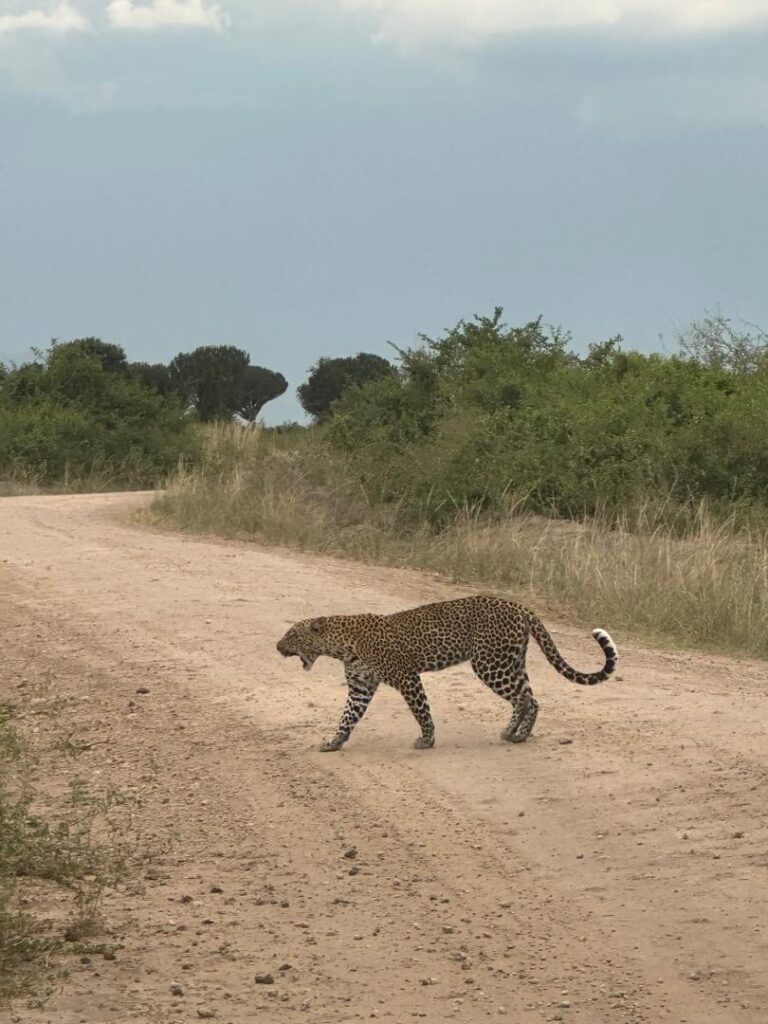 Safari PlanningSpotting Leopards in Uganda: A Big Cat Safari Guide for UK & European TravellersRead article →
 Cultural ExperiencesMeeting the Maasai: Authentic Cultural Safari Experiences for European TravellersRead article →
Let our expert team craft your perfect safari adventure. Custom itineraries, competitive prices, and unforgettable experiences.
Start Planning Your Safari