 Safari Planning
Most northern Tanzania itineraries treat Lake Manyara as a speed bump on the road to the Serengeti — a half-day stop before the real safari begins. That is a mistake, and it is one British and European travellers make more often than most, usually because a tight two-week trip forces hard choices. Spend a full day here and Manyara repays you with scenery no other park on the circuit can match: a 600-metre Rift Valley escarpment rising straight out of a groundwater forest, with a soda lake shimmering below.
Lake Manyara National Park lies about 120 km west of Arusha — roughly a two-hour drive on good tarmac. It is the first park you reach on the northern circuit, before Tarangire, the Ngorongoro Crater and the Serengeti. For European visitors flying into Kilimanjaro International Airport (KLM via Amsterdam, or Qatar and Turkish Airlines with one stop from London), that makes it the natural first stop of a trip: you land, sleep in Arusha, and are watching baboons in a fig forest by mid-morning the next day.
The park is narrow — a strip of land squeezed between the escarpment and the lake — which is exactly what makes the game viewing feel so concentrated. You are never far from water, forest or cliff.
Manyara’s headline act is its lions, which have a well-documented habit of draping themselves along the branches of acacia and sausage trees. Nobody has settled the argument about why — cooler air, fewer tsetse flies, a better view of prey. What matters for you is that sightings are genuine but not guaranteed. Plan for a full day in the park and a good driver-guide who knows the usual trees, and your odds improve considerably. Treat it as a bonus rather than the reason you came, and you will not leave disappointed.
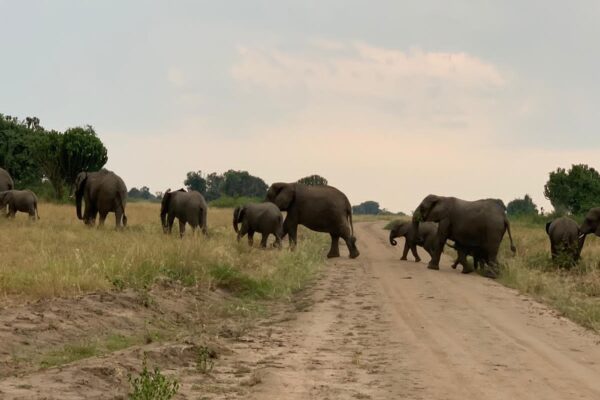
Manyara holds one of the highest biomass densities of any park in Africa, thanks to that permanent groundwater. Expect large elephant herds moving through the forest, big troops of olive baboons (the park is famous for them), blue monkeys, bushbuck, giraffe, zebra, buffalo and hippo pods in the shallows.
Birdwatchers do particularly well. Over 400 species have been recorded, and when the water levels are right the lake fills with lesser and greater flamingos, pelicans, storks and spoonbills. The pink band across the water photographs beautifully from the escarpment viewpoints in the late afternoon.
The park also offers a canopy walkway — a suspended treetop trail roughly 18 metres up through the groundwater forest. It is a genuinely pleasant hour and a good option for families or anyone who wants a break from the vehicle.
Park entry for non-residents runs around US$59 per adult per day including VAT, or roughly £46. Children aged 5–15 pay about US$18 (£14). The canopy walkway carries a separate fee of about US$59 (£46) for adults. Night game drives and walking safaris, where offered, cost extra.
Accommodation ranges widely. Simple lodges and campsites near Mto wa Mbu village start around £45–£70 per person per night. Mid-range lodges on the escarpment with views over the lake sit at £120–£200. Luxury treehouse and tented properties climb well past £450 per person per night.
Return flights from London to Kilimanjaro typically run £600–£900 depending on season and how early you book. December and August are the expensive months; May and November are the bargains.
The dry season, June to October, gives you the easiest game viewing — animals concentrate near water, roads are firm and the sky is clear. This overlaps neatly with the British summer holidays.
For birds and flamingos, come in the wet season, November to May, when migratory species arrive and water levels rise. The landscape is greener and lodges are cheaper, though afternoon downpours are common in April and May.
Many European travellers find the shoulder months — late May, early June, and November — the sweet spot: reasonable weather, fewer vehicles and noticeably lower rates.
The classic northern circuit runs Arusha, Lake Manyara, Ngorongoro Crater, Serengeti and back — seven to nine days, which suits a standard UK annual leave allowance comfortably. Give Manyara one full day rather than the customary three hours, and stay overnight nearby so you can enter at the gate opening and have the forest largely to yourself.
If you have two weeks, Manyara pairs neatly with Tarangire’s baobabs and elephant herds, and the pair make a strong opening before the Serengeti’s open plains. Travellers combining Tanzania with gorilla trekking in Uganda or Rwanda usually fly Kilimanjaro to Kigali or Entebbe and add four days at the other end.
Tanzania requires a visa; British and most EU passport holders can apply online in advance through the official e-visa portal, which is simpler than queuing on arrival. Yellow fever vaccination is only required if you are arriving from an endemic country, but malaria prophylaxis is strongly advised — speak to your GP or a travel clinic six to eight weeks before departure.
Bring binoculars. In a park this narrow and this green, they make more difference than a long lens.
Ready to plan your safari? Contact Nature Nest Safaris at book@naturenestsafaris.com or call +256 777 131 912.
Ready to plan your East African adventure? Browse our curated safari experiences:
Trips that match this guide. Every itinerary can be tailored to your dates and budget, and quotes are free.
 Tanzania SafarisTanzania Public Campsite Safari: 8-Day Route & Park FeesRead article →
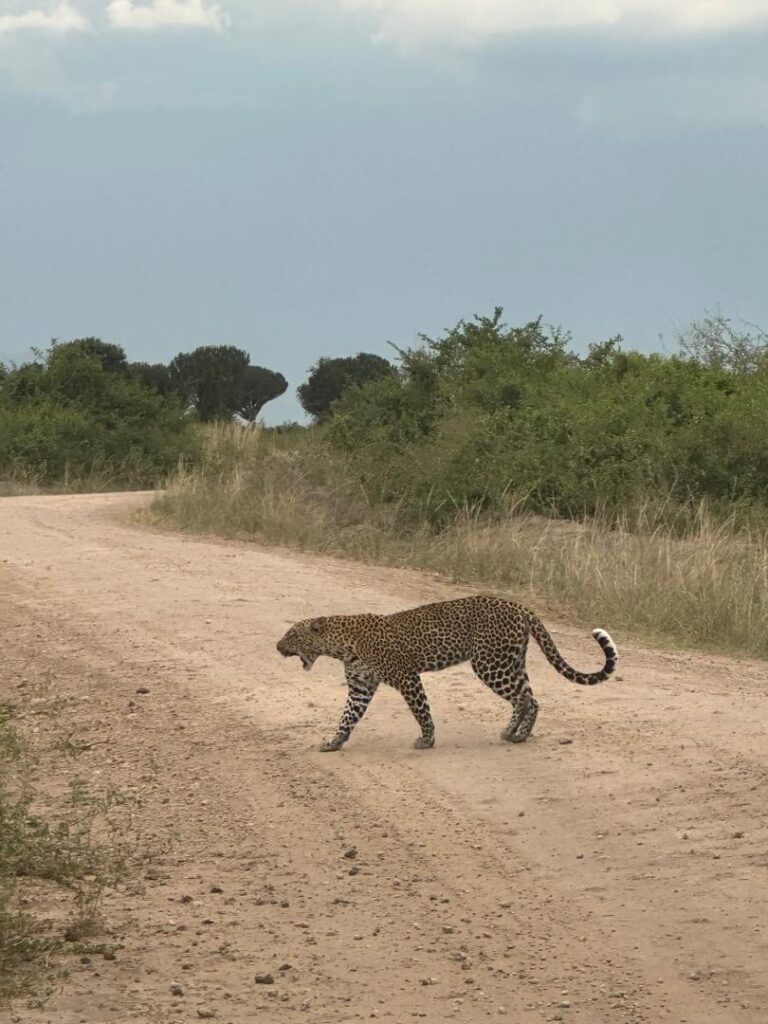 Safari PlanningSpotting Leopards in Uganda: A Big Cat Safari Guide for UK & European TravellersRead article →
 Cultural ExperiencesMeeting the Maasai: Authentic Cultural Safari Experiences for European TravellersRead article →
Let our expert team craft your perfect safari adventure. Custom itineraries, competitive prices, and unforgettable experiences.
Start Planning Your Safari