 Cultural Experiences
Ask a British traveller what worries them about a first safari and you’ll hear the same list: malaria tablets, long drives, whether the loo situation is grim. Food rarely makes the list until about a week before departure, when someone suddenly wonders whether they’re going to spend ten days eating rice.
They are not. Catering is one of the things East African lodges do genuinely well, and for most European visitors the food turns out to be a highlight rather than a hurdle. Here’s an honest look at what lands on your plate between game drives — and what it costs.
Meals on safari are built around the animals, not the clock. Game viewing peaks at dawn and dusk, so the kitchen works around those windows.
You will eat more than you do at home. Almost everyone does.
Lodge menus lean international because that’s what most guests ask for, but say the word and kitchens are delighted to cook local. A few things European travellers consistently love:
This is the question we field most often from UK and European clients, and the answer is reassuring. Vegetarian and vegan diets are easy — the region eats a lot of beans, groundnuts, greens and starches anyway. Gluten-free, halal, kosher-style, nut allergies and lactose intolerance are all routinely handled.
The one rule: tell us at booking, not on arrival. Remote camps order supplies days in advance and a lodge four hours from the nearest town cannot improvise a coeliac-safe menu at short notice. Given notice, they will cook you something better than you’d get at home.
Drink bottled or filtered water only — every lodge provides it, and most now refill reusable bottles to cut plastic. Ice at reputable lodges is made from purified water and is fine. Salads at proper safari lodges are washed in treated water and are safe; roadside raw vegetables are the thing to skip. Peel your own fruit if you’re cautious. In fifteen years of guiding, the travellers who get ill are almost always the ones who bought something unwrapped at a bus stop.
Here’s the part British travellers appreciate: on nearly every safari package, food is already paid for. Mid-range and luxury lodges are full board, so breakfast, lunch, dinner and often soft drinks are included in your nightly rate. What isn’t included is usually alcohol and premium spirits — budget roughly £4–£8 a day for beer and wine at a mid-range camp, more at a luxury property where imported wine lists apply.
Eating out independently in Kampala, Nairobi, Arusha or Kigali is cheap by London standards: a good restaurant main runs £6–£12, street food well under £2. Flights from London Heathrow to Entebbe, Nairobi or Kilimanjaro typically start around £550–£750 return, and a full-board mid-range safari from £180–£280 per person per night — meals included.
The bush breakfast is the meal people talk about years later. A table set up in the middle of the Serengeti or on the Nile’s bank in Murchison Falls, eggs cooked over a fire, zebra grazing two hundred metres away, nobody else for miles. It costs nothing extra on most itineraries. Ask for it.
Ready to plan your safari? Contact Nature Nest Safaris at book@naturenestsafaris.com or call +256 777 131 912. Tell us your dietary requirements when you enquire and we’ll build them into every camp on your itinerary.
Ready to plan your East African adventure? Browse our curated safari experiences:
Trips that match this guide. Every itinerary can be tailored to your dates and budget, and quotes are free.
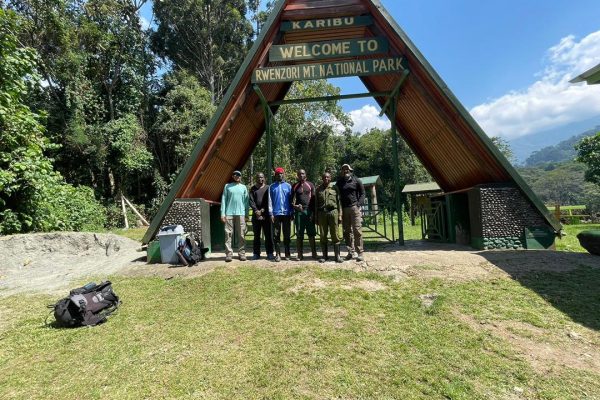 6 days · Uganda6 Days Rwenzori Mountains Central Circuit TrekFrom
 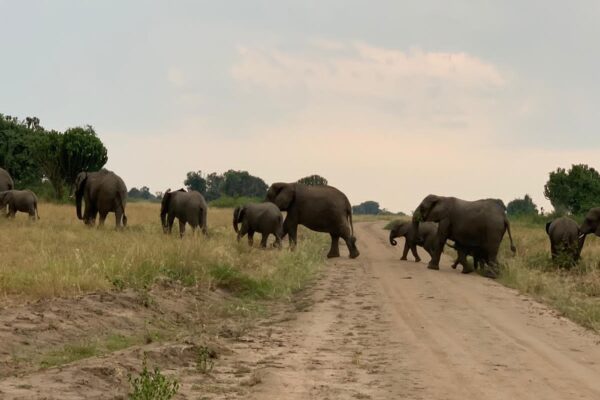 7 days · Uganda7 Days Rwenzori Mountains TrekkingFrom ,200 pp · View itinerary →
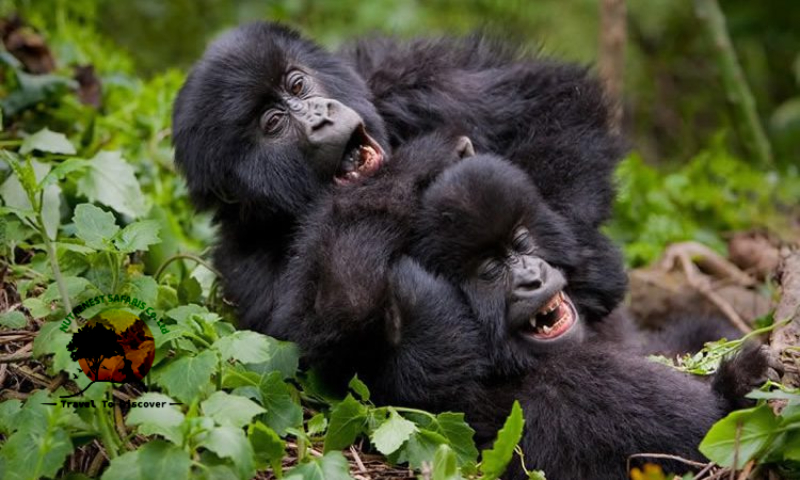 5 days · Uganda5 Days Gorilla Tracking & Game Drives SafariFrom ,200 pp · View itinerary →
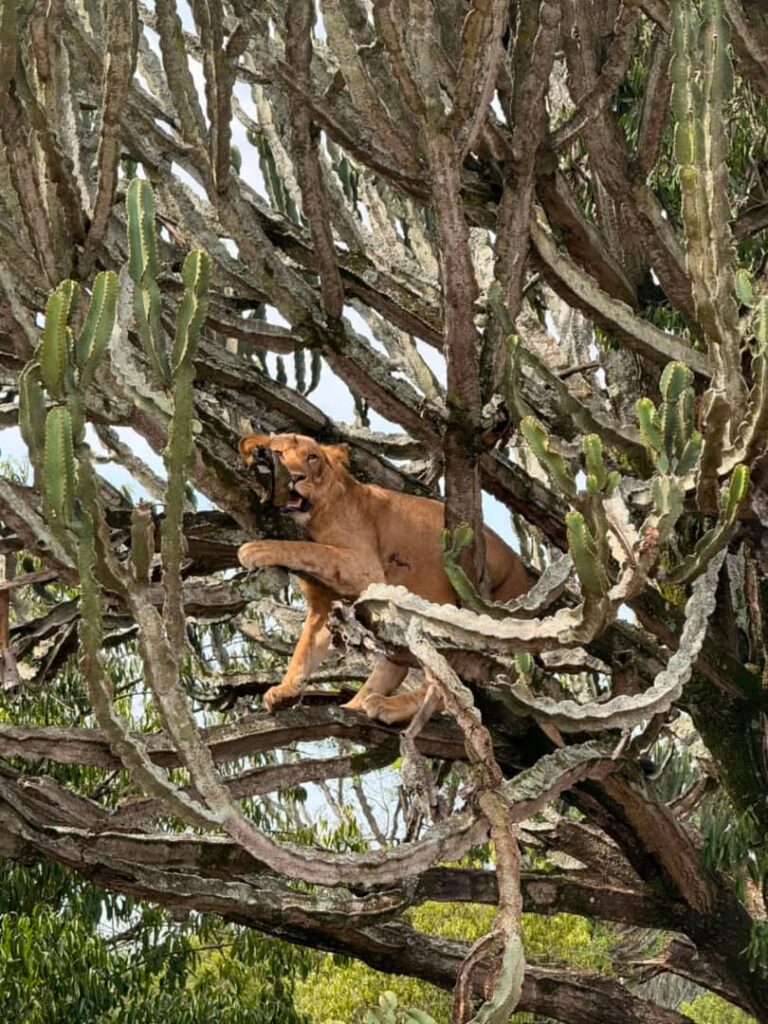 Travel TipsUganda Safari from the USA: Flights, Visa & 8-Day PlanRead article →
 Travel TipsMabamba Swamp Shoebill Trip from Entebbe: EU GuideRead article →
 Cultural ExperiencesMeeting the Maasai: Authentic Cultural Safari Experiences for European TravellersRead article →
Let our expert team craft your perfect safari adventure. Custom itineraries, competitive prices, and unforgettable experiences.
Start Planning Your Safari