 Tourism
When most people picture an African safari, they think of Kenya’s Masai Mara or Tanzania’s Serengeti. But a growing number of European travellers — particularly from the UK, Germany, and the Netherlands — are discovering that a safari in Uganda offers something those famous destinations simply cannot match. Here are seven compelling reasons why Uganda deserves a place at the top of your safari shortlist in 2026.
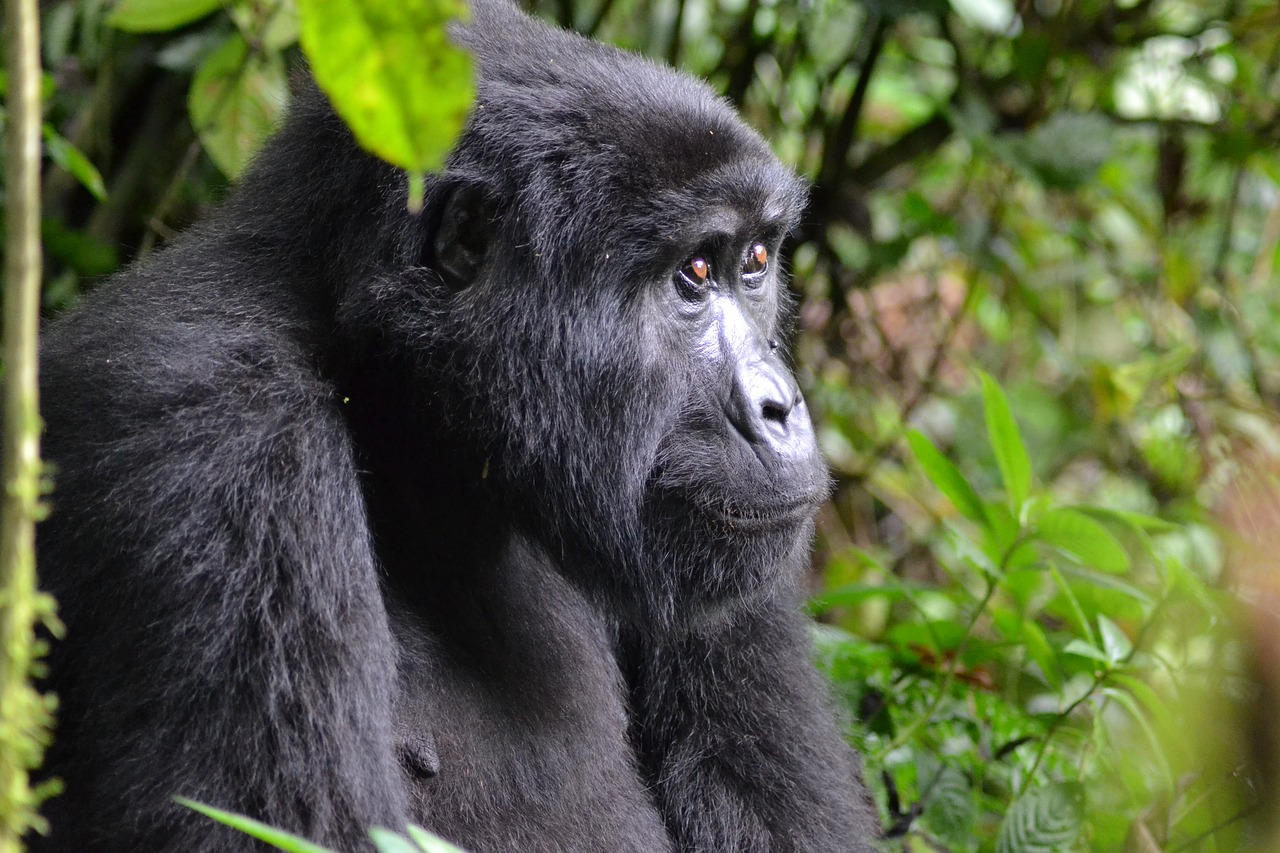
Uganda is one of only three countries where you can trek to see mountain gorillas in the wild, and it offers the best value by far. A gorilla trekking permit in Uganda costs $800 in 2026 — compared to $1,500 in neighbouring Rwanda. For a couple travelling from London, that’s a saving of $1,400 that can go towards extra nights, a chimp trek in Kibale, or an upgrade to a luxury lodge.
Bwindi Impenetrable National Park and Mgahinga Gorilla National Park between them shelter roughly half the world’s remaining mountain gorillas. The trekking experience is raw, immersive, and genuinely life-changing — and Uganda’s thicker forest canopy often means closer, more intimate encounters than Rwanda’s more open terrain.
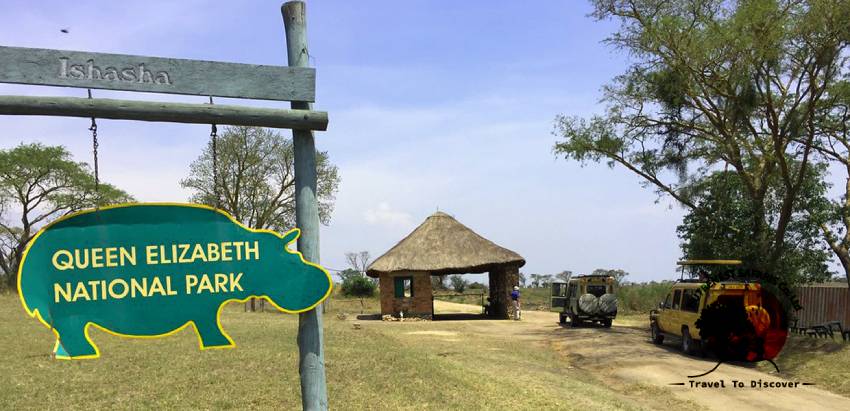
Uganda is one of the most biodiverse countries on the African continent. Within its borders you’ll find 13 primate species (more than any other East African nation), tree-climbing lions in Ishasha, shoebill storks in Mabamba Swamp, and over 1,060 bird species — making it the top birding destination in Africa.
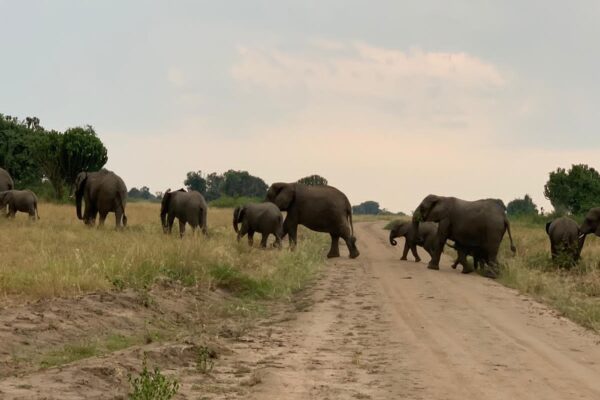
A single 10-day safari in Uganda can combine gorilla trekking, chimpanzee tracking, Big Five game drives, a Nile boat cruise beneath thundering waterfalls, and crater lake hikes. No other East African country packs that range of experiences into one itinerary.
Kenya’s Masai Mara receives over 300,000 visitors annually. Uganda’s Queen Elizabeth National Park? Fewer than 50,000. That difference translates directly into the quality of your safari experience. Game drives feel private rather than competitive, lodges are quieter, and the overall atmosphere is far more intimate.
For European travellers who value authenticity over Instagram-ready crowds, safaris in Uganda deliver a sense of genuine discovery that Kenya and Tanzania increasingly struggle to provide during peak season.
It’s not just gorilla permits. Accommodation, park fees, and internal transport in Uganda all cost less than equivalent options in Kenya or Tanzania. A mid-range 7-day Uganda safari package with gorilla trekking, game drives, and a boat cruise typically costs $2,800–$3,500 per person — roughly 25–35% less than a comparable itinerary in Tanzania’s northern circuit.
For budget-conscious British travellers, that means a world-class safari holiday for under £3,000 including flights from London Heathrow to Entebbe (typically £450–£650 return with Ethiopian Airlines or Turkish Airlines).
Uganda is roughly the size of the United Kingdom, and its major national parks are connected by improving tarmac roads. A well-planned Uganda safari minimises the long, dusty transfers that eat into your time in Tanzania’s spread-out northern circuit. Bwindi to Queen Elizabeth is just 3–4 hours; Queen Elizabeth to Kibale is under 2 hours.
Domestic flights from Entebbe to Bwindi or Murchison Falls are also available for those who prefer to skip the road entirely, with one-way fares from around $250.
Sitting on the equator, Uganda enjoys relatively stable temperatures (20–27°C) throughout the year. While the dry seasons of June–September and December–February are ideal, gorilla trekking operates year-round, and even the wetter months of March–May and October–November have their advantages: lush green landscapes, lower prices, easier permit availability, and fewer tourists.
Compare that to Kenya and Tanzania, where the long rains in April and May effectively shut down some camps and make certain roads impassable.
Winston Churchill famously called Uganda “the Pearl of Africa,” and the warmth of Ugandan hospitality remains one of the country’s greatest assets. European visitors consistently comment on how genuinely friendly and welcoming local people are — from guides who share deep knowledge of the forest to lodge staff who remember your name and coffee preference by day two.
Community tourism initiatives near Bwindi and Kibale offer meaningful cultural exchanges that go beyond the staged village visits common in more commercialised safari destinations.
Uganda won’t stay under the radar forever. As word spreads among European travellers about its extraordinary value, intimate wildlife encounters, and genuine hospitality, visitor numbers are climbing steadily. Booking early — especially for gorilla permits during peak season — is becoming essential.
Contact Nature Nest Safaris at book@naturenestsafaris.com or call +256 777 131 912 to start planning your Uganda safari. Browse our full range of packages at www.naturenestsafaris.com.
Ready to plan your East African adventure? Browse our curated safari experiences:
Trips that match this guide. Every itinerary can be tailored to your dates and budget, and quotes are free.
 6 days · Uganda6-Day Uganda Primates & Wildlife SafariFrom ,800 pp · View itinerary →
 7 days · Uganda7 Days Rwenzori Mountains TrekkingFrom ,200 pp · View itinerary →
 4 days · Uganda4 Days Uganda Safari Queen ElizabethFrom
  Safari PlanningBest Time to Visit East Africa for a Safari: A Month-by-Month Guide for UK & European TravellersRead article →
 TourismKenya Coastal Safari: Malindi, Watamu & Lamu Island Guide for European TravellersRead article →
 TourismBest Time to Visit Bwindi Impenetrable Forest for Gorilla Trekking (2026 Guide)Read article →
Let our expert team craft your perfect safari adventure. Custom itineraries, competitive prices, and unforgettable experiences.
Start Planning Your Safari