 Uganda Safari
Most European visitors to western Uganda drive straight past the crater lakes on their way to the chimpanzees of Kibale. That is a mistake. Around Fort Portal, in the Kasenda and Ndali crater fields, dozens of old volcanic craters have filled with water or green forest, and the area makes the best rest stop of any Uganda itinerary: cool air, quiet lodges on crater rims, forest walks and views over the Rwenzori Mountains on a clear morning. This guide explains what the crater lakes are, what to do, how long to stay and how to fit them into a trip from Frankfurt, Amsterdam, Paris or Brussels.
The Fort Portal area sits on a belt of ancient volcanic activity. The explosions left behind a field of crater basins, many of them holding small lakes with names such as Nyinabulitwa, Nkuruba, Nyabikere and Kyaninga. Some are deep blue and almost circular, others are ringed by banana farms and forest. Unlike Uganda’s big safari parks, nothing here is fenced and there is no entrance gate for most lakes, so you walk, cycle or drive between them with a local guide or a lodge host.
Fort Portal itself is a pleasant, hilly town in the Tooro region, roughly 300 km west of Kampala. Allow about five to six hours by road from Kampala or Entebbe, longer if you stop for the equator photo and lunch. Most guests arrive on a transfer after landing and overnighting near Entebbe airport.
The simplest activity is also the best: a guided half-day walk along a crater rim. You see several lakes in one loop, pass tea and vanilla plots and meet local farmers. Wear proper walking shoes; paths can be slippery after rain.
Nkuruba is a small community-run reserve around a crater lake, known for black-and-white colobus and red-tailed monkeys at close range. It is an easy, low-effort stop if you are not ready for a long forest trek.
Close to Kibale National Park, Bigodi is a community walk on a boardwalk and trails through swamp forest. Keen birders and families with children enjoy it because the walking is flat and you regularly see primates and forest birds.
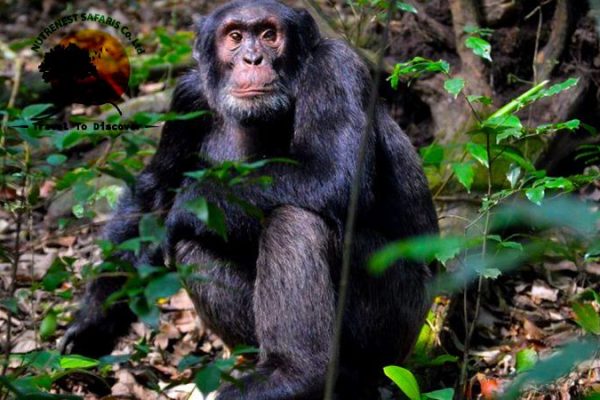
Fort Portal is the base for Kibale National Park, one of the best places in Africa to see wild chimpanzees. Permit prices change, so we confirm the current rate when we quote; at the time of writing it is around US$250 per person for a standard trek. Our dedicated guide covers the experience in detail: chimpanzee trekking in Kibale: permits and costs.
A short drive from town, the Amabere caves and waterfall make a gentle half-day, and a visit to a Tooro cultural site gives useful context on the kingdom that has governed this region for generations.
Some lodges rent mountain bikes and can arrange guided rides between lakes. A few crater lakes allow swimming from lodge platforms; ask your lodge before getting in, as rules and water conditions differ from lake to lake.
Accommodation falls into three types. Crater-rim lodges are the main reason to come: you wake up to a lake view and often a private balcony. Mid-range safari lodges near Kibale suit travellers who want a chimp trek at breakfast. Simple guesthouses and cottages in or near Fort Portal work for budget travellers and cyclists. Prices vary a great deal with season and lodge style, so we quote the current rate for your exact dates in euros rather than printing numbers that go out of date. As a rough guide, expect crater lodges to cost more than a standard Fort Portal hotel, but less than top-end lodges in Queen Elizabeth or Murchison Falls.
Day 1 – Entebbe to Fort Portal. Morning transfer west with a stop at the equator crossing and a lunch break. Arrive in the afternoon, check in at a crater lodge and take a short sunset walk on the rim.
Day 2 – Kibale chimps and Bigodi. Early start for chimpanzee tracking in Kibale National Park (briefing, then roughly two to four hours on the trail). After lunch, walk the Bigodi Wetland boardwalk, then return to your lodge.
Day 3 – Crater lakes and onward. Guided morning walk through the Kasenda crater field, with a stop at Nkuruba. Continue after lunch to Queen Elizabeth National Park or return towards Kampala for an evening flight.
Most travellers add this stage to a longer route, for example chimpanzees in Kibale, tree-climbing lions in Ishasha and gorillas in Bwindi. If you want a ready-made option, look at our 4-day gorilla and chimpanzee trekking safari, the 4-day Queen Elizabeth safari or the 14-day gorillas, wildlife and Rwenzori trip. You can browse all itineraries on our Uganda safaris page, and if you want a short extra forest day, read our guide to Semuliki National Park, which is a day trip from Fort Portal.
Uganda’s international airport is Entebbe (EBB). From the Netherlands and Belgium you can usually find direct or one-stop flights from Amsterdam and Brussels. From Frankfurt and Paris, most itineraries connect through a hub such as Amsterdam, Brussels, Istanbul, Doha, Dubai or Addis Ababa. Flights usually take 9 to 12 hours in total depending on the connection. Schengen-area travellers need a passport valid for at least six months and a Ugandan visa, which most European visitors apply for online before departure; check the latest requirements for your passport on the official site and in our guide to the East Africa tourist visa. Also confirm yellow fever and malaria advice with your travel clinic.
You can visit all year, but the drier months, roughly December to February and June to August, make crater rim walks and forest trails easier. The long rains in March to May and the short rains in October and November turn paths muddy, though the scenery is greener and lodges are quieter. Bring a light rain jacket whatever the month; the altitude means mornings and evenings can be cool.
Pros: a calm, scenic stop between safari parks; easy walking activities for mixed-ability groups; strong community tourism; a good base for chimpanzees.
Cons: the drive from Kampala is long; the crater area has no big-game viewing; and some trails are slippery in the rains. If your schedule is very short, you may prefer to spend the time on a second park instead.
Two nights is the minimum to combine Kibale chimps with a crater walk. Three nights lets you slow down and add Bigodi or Semuliki.
Only where your host says it is safe and allowed. Some lodges have swim platforms; many lakes are for viewing and canoeing only.
Yes. The walks are gentle and the lodges are relaxed, although chimpanzee tracking in Kibale has minimum-age rules, so check before booking.
It is roughly a two to three hour drive depending on the route and road conditions, which makes the pair an easy combination.
Ready to plan your safari? Contact Nature Nest Safaris at book@naturenestsafaris.com or call/WhatsApp +256 777 131 912. We build private itineraries with fixed prices in euros, and can add the crater lakes to any Uganda route.
Ready to plan your East African adventure? Browse our curated safari experiences:
Trips that match this guide. Every itinerary can be tailored to your dates and budget, and quotes are free.
Tell us when and how many of you are travelling. A real person replies by email or WhatsApp within 24 hours with a line-by-line quote. No deposit until you are happy with the plan.
Let our expert team craft your perfect safari adventure. Custom itineraries, competitive prices, and unforgettable experiences.
Start Planning Your Safari