 Safari Tour
Most safari-goers spend a week hoping for a lion sighting on the ground. In the Ishasha sector of Uganda’s Queen Elizabeth National Park, you look up. Draped along the branches of ancient fig and acacia trees, whole prides doze through the heat of the day with their paws hanging into open air. It is one of the strangest and most photographed sights in East Africa — and one of the rarest.
Lions are not built for climbing. They are heavy, their claws are made for grappling prey rather than gripping bark, and in most of Africa they simply do not bother. Only two populations do it habitually: Lake Manyara in Tanzania and Ishasha in south-western Uganda.
Researchers offer three explanations, and the truth is probably a mix of all of them. The first is relief from heat — a breeze three metres up is noticeably cooler than the still air of the savannah floor. The second is escape from biting tsetse flies and insects that swarm at ground level. The third is visibility: from a high branch a lioness can scan the Ishasha plains for the Uganda kob antelope that make up most of the local diet.
What matters for visitors is that the behaviour is learned and passed down. Cubs watch their mothers climb, and copy. That is why it persists in Ishasha and almost nowhere else.
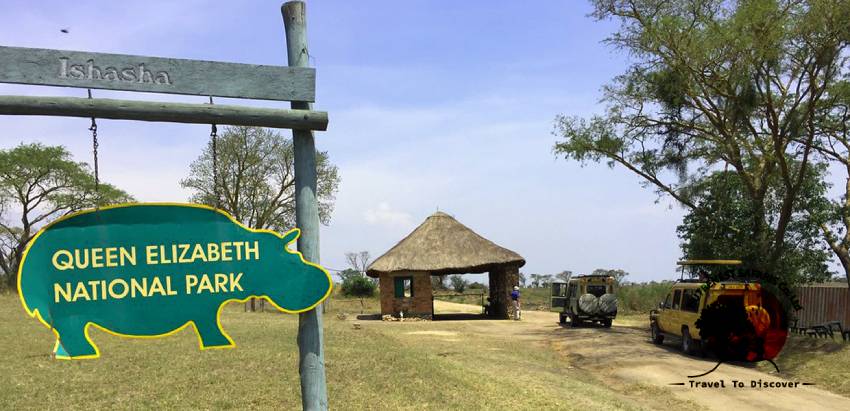
Ishasha is the southern sector of Queen Elizabeth National Park, sitting on the Democratic Republic of Congo border roughly six hours’ drive from Kampala. Crucially for planning, it lies directly between the main Queen Elizabeth game-drive circuit and Bwindi Impenetrable Forest, home of the mountain gorillas. That geography makes it a natural stop rather than a detour.
The best months are the dry seasons: June to September and December to February. Dry tracks mean the fig groves are reachable, grass is short, and lions are easier to spot. In the wet months of April, May and November, the black-cotton soil turns to deep mud and some routes close entirely.
Time of day matters as much as season. The lions climb to rest, so late morning through mid-afternoon — roughly 11am to 4pm — is when you are most likely to find them aloft. This is the one part of a safari where a lie-in is genuinely the better strategy.
Flights from London to Entebbe run roughly £600–£850 return, with one-stop routings via Nairobi, Addis Ababa, Doha or Istanbul taking around 12–14 hours door to door. Travellers from Amsterdam, Paris and Frankfurt have similar connections at comparable fares.
Uganda’s park entry fee is around $40 per adult per day. A Bwindi gorilla permit is $800 — still roughly half Rwanda’s $1,500 — which is why so many European visitors route their trip through Uganda. A typical mid-range 7-day itinerary combining Queen Elizabeth, Ishasha and Bwindi lands between £1,900 and £2,600 per person, including permits, park fees, a 4×4 with a driver-guide, and full-board lodging.
Uganda’s tourist visa is $50 and is applied for online in advance; there is no visa on arrival for most European passports, so allow a week or two. A yellow fever vaccination certificate is required for entry.
These are wild lions, not a guaranteed exhibit. Even in peak season, sightings run at roughly 60–70% on a full day of searching. The single best thing you can do is give Ishasha two nights rather than one — it roughly doubles your chances and costs far less than the regret of a rushed drive-through.
Bring a lens of at least 200mm. The lions rest well back from the tracks, and phone cameras will not do the moment justice.
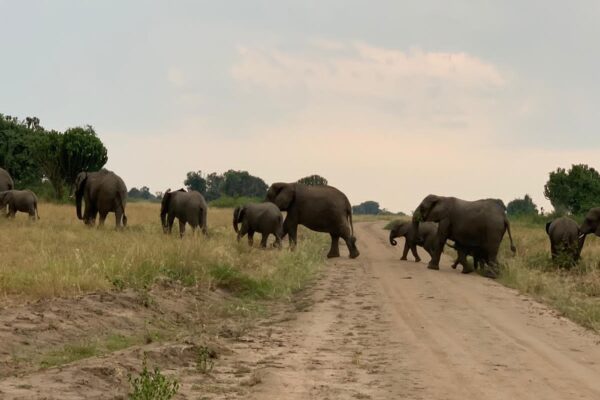
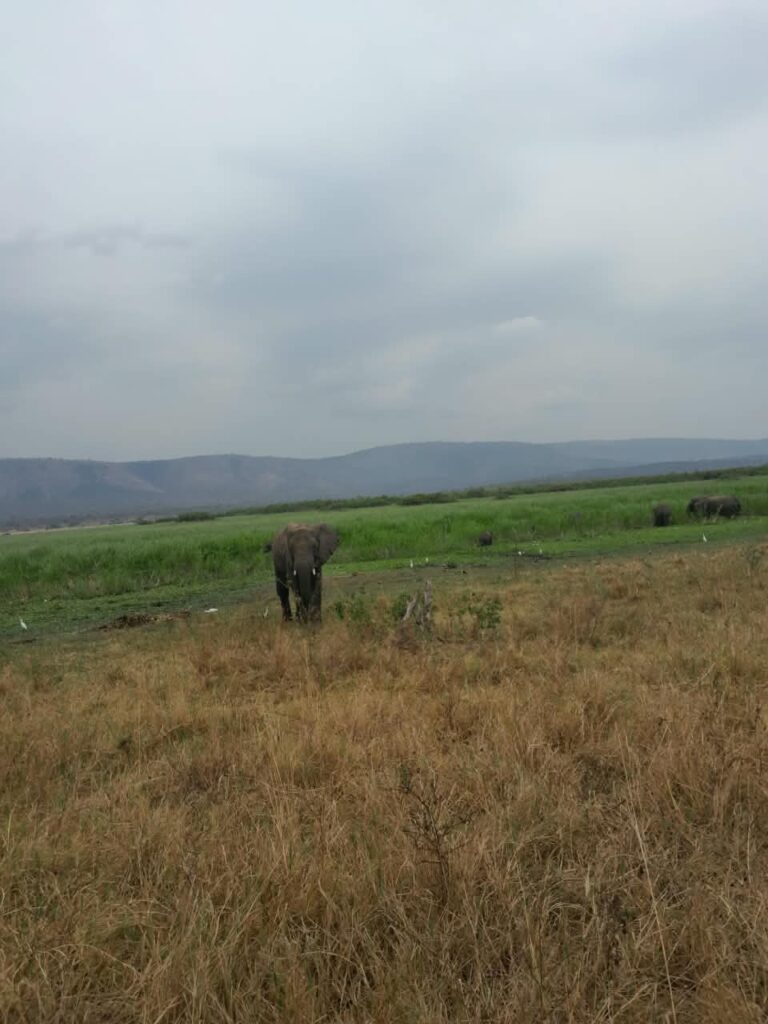
Ishasha is not a one-animal destination. The plains hold large herds of Uganda kob, topi and buffalo, while elephants move through the fig woodland in the late afternoon. The nearby Kazinga Channel offers a boat cruise past some of the highest hippo densities in Africa, and Queen Elizabeth’s crater lakes are excellent for flamingos and shoebill-adjacent birding. Uganda’s bird list runs past 1,000 species — a serious draw for European birders.
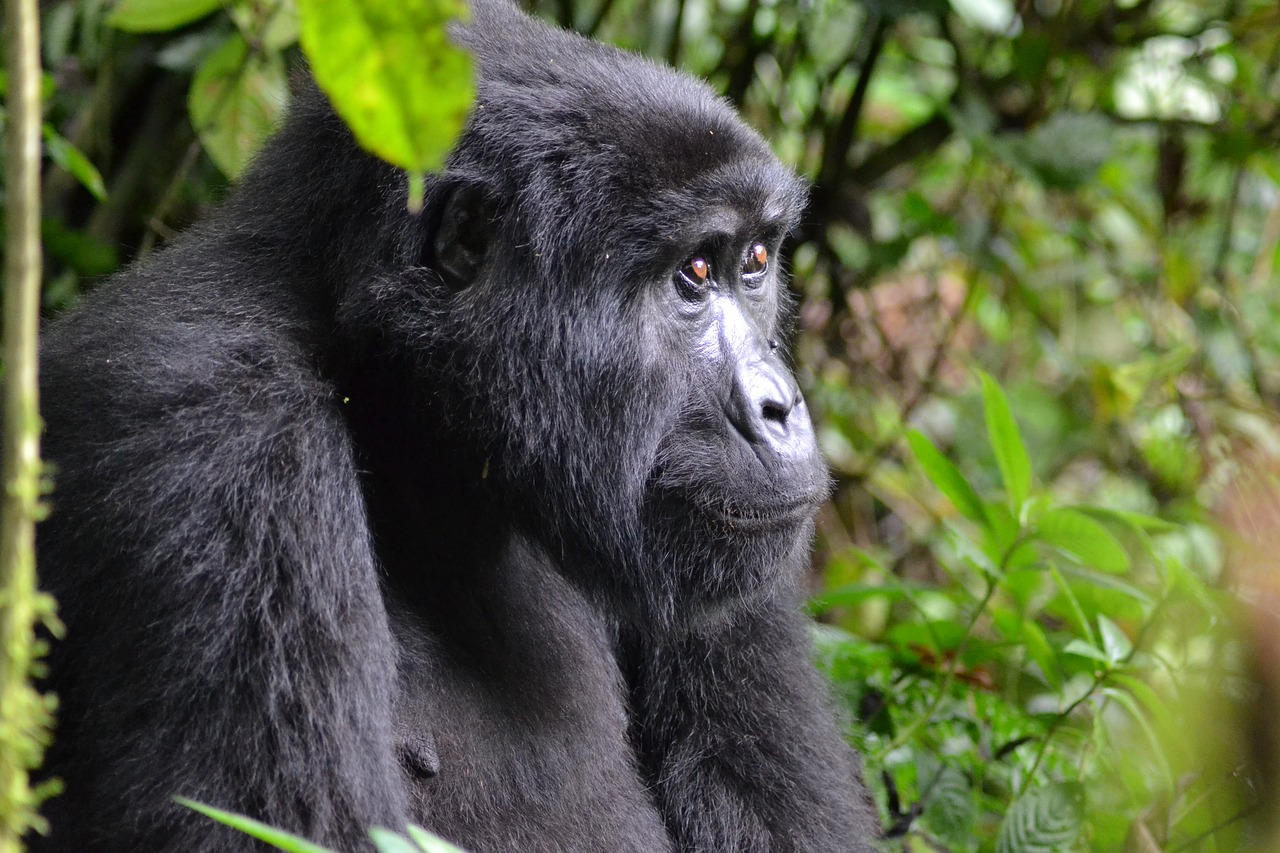
The itinerary that works best for a first Uganda visit is straightforward: fly into Entebbe, drive to Queen Elizabeth for game drives and the Kazinga cruise, spend two nights in Ishasha for the lions, then continue south to Bwindi for gorilla trekking before returning to Entebbe. That is nine or ten days and covers the country’s three signature experiences without a single wasted transfer.
Ready to plan your safari? Contact Nature Nest Safaris at book@naturenestsafaris.com or call +256 777 131 912. We’re a locally owned operator based in Uganda — you book direct, with no middleman markup.
Ready to plan your East African adventure? Browse our curated safari experiences:
Trips that match this guide. Every itinerary can be tailored to your dates and budget, and quotes are free.
Tell us when and how many of you are travelling. A real person replies by email or WhatsApp within 24 hours with a line-by-line quote. No deposit until you are happy with the plan.
Let our expert team craft your perfect safari adventure. Custom itineraries, competitive prices, and unforgettable experiences.
Start Planning Your Safari