 Tourism
One of the first questions European travellers ask us is deceptively simple: “when’s the best time to go?” The honest answer is that East Africa rewards visitors almost year-round, but the right time for you depends on what you want to see, your budget, and how your travel dates line up with the school or work calendar back home. This month-by-month guide breaks down East Africa’s seasons in plain terms, so you can match your European holiday dates to the best possible safari experience.
Unlike Europe’s four distinct seasons, East Africa broadly experiences a dry season and a wet season, though the exact pattern varies slightly by country and region.
Vegetation thins out, animals cluster around rivers and waterholes, and roads are easier to travel. This is when game viewing is at its most reliable, and consequently when parks are busiest and prices highest.
Landscapes turn lush and green, birdlife is spectacular, and newborn animals are everywhere. Rain tends to fall in short, dramatic afternoon showers rather than all-day downpours, and mornings are often clear. Parks are quieter, and lodge rates drop noticeably.
Hot, dry and excellent for game viewing across Kenya and Tanzania. This is also calving season on the southern Serengeti plains, when huge herds of wildebeest gather and predator action is at its most dramatic. A superb time for gorilla trekking too, with drier trails in Bwindi and Volcanoes National Park.
The start of the “long rains” in Kenya and Tanzania. Fewer tourists, lower prices, and beautifully green scenery, though some roads can become challenging. A good period for budget-conscious European travellers who don’t mind the occasional shower.
Rains begin easing, vegetation is lush, and this is genuinely one of the best-value months to travel, with excellent lodge rates and thinner crowds, while wildlife viewing remains very good.
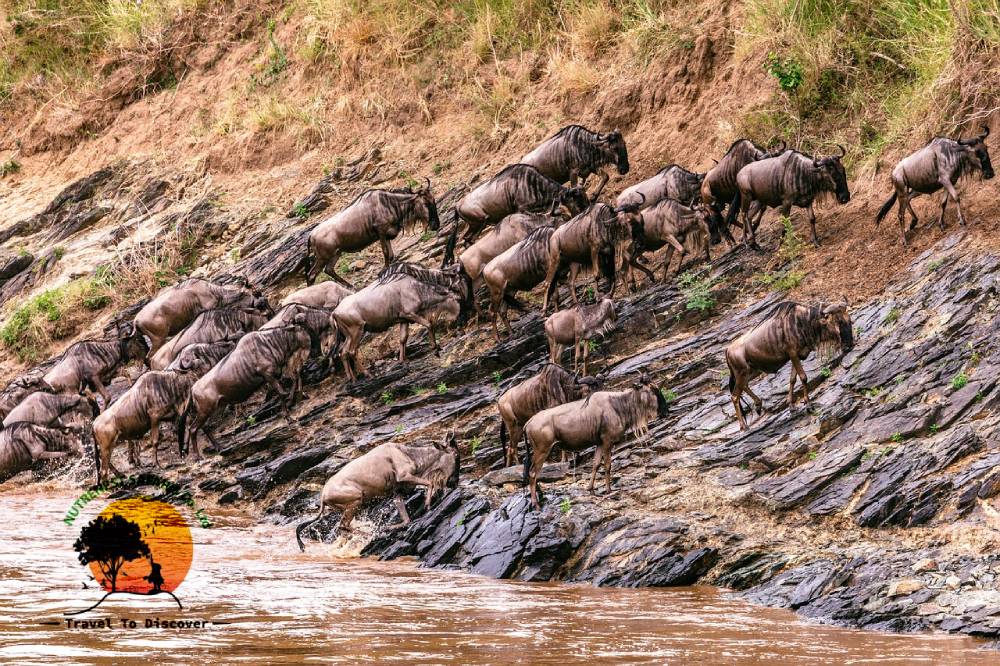
The Great Migration begins moving north through the Serengeti towards the Maasai Mara, with dramatic Grebe river crossings starting to appear by July. Dry, cooler weather makes for very comfortable game drives. This period lines up nicely with the start of the European summer holidays.
Peak Great Migration season, with the famous Mara River crossings at their most spectacular in the Maasai Mara. This is also peak season for European visitors, coinciding with school summer holidays, so parks and lodges are busiest and prices at their highest. Booking well ahead is essential.
The “short rains” bring brief afternoon showers and a beautiful, green landscape. The migration herds begin moving back south. A lovely shoulder season with good prices and noticeably fewer vehicles at sightings.
Dry, warm and increasingly popular with European travellers combining safari with Christmas and New Year. Calving season begins on the southern Serengeti plains towards the end of the month. Book early, as this period fills up quickly with European and North American visitors alike.
The Great Migration is a year-round, circular movement of over two million wildebeest and zebra through the Serengeti-Mara ecosystem, not a single event, so timing depends on what you specifically want to see:
If witnessing a river crossing is your priority, August and September in the Maasai Mara offer the best odds, though nature never guarantees exact timing.
Gorilla trekking is possible year-round since gorillas live in forest habitat rather than open plains, but conditions do vary:
East Africa’s dry, warm December weather makes it a fantastic escape from the European winter, though popular lodges book out many months in advance for this period.
Falling within the March-April wet season, this is a quieter, greener, better-value time to travel, ideal for families wanting to avoid peak crowds and prices.
This aligns perfectly with peak Great Migration season, making it an outstanding but busy and premium-priced time to visit. Book as far ahead as possible if these are your only available dates.
These shoulder-season windows often deliver the sweet spot of good weather, strong wildlife viewing and more manageable prices than the main summer or Christmas peaks.
If your dates are flexible, the shoulder months of May, late October and November consistently offer the best overall value: green, photogenic landscapes, excellent wildlife viewing, thinner crowds at sightings, and notably lower lodge rates than peak season. We often recommend these windows to European travellers who want quality over the pressure of chasing peak-season migration crossings.
Every trip is different, and the “best” time genuinely depends on what matters most to you, whether that’s the migration, gorillas, value, or simply fitting around your annual leave. Tell us your travel dates and priorities, and we’ll recommend the ideal itinerary and season for your safari.
Nature Nest Safaris is based on the ground in Uganda, so our seasonal advice comes from current, first-hand knowledge, not a guidebook.
Ready to plan your East African adventure? Browse our curated safari experiences:
Trips that match this guide. Every itinerary can be tailored to your dates and budget, and quotes are free.
 Safari PlanningBest Time to Visit East Africa for a Safari: A Month-by-Month Guide for UK & European TravellersRead article →
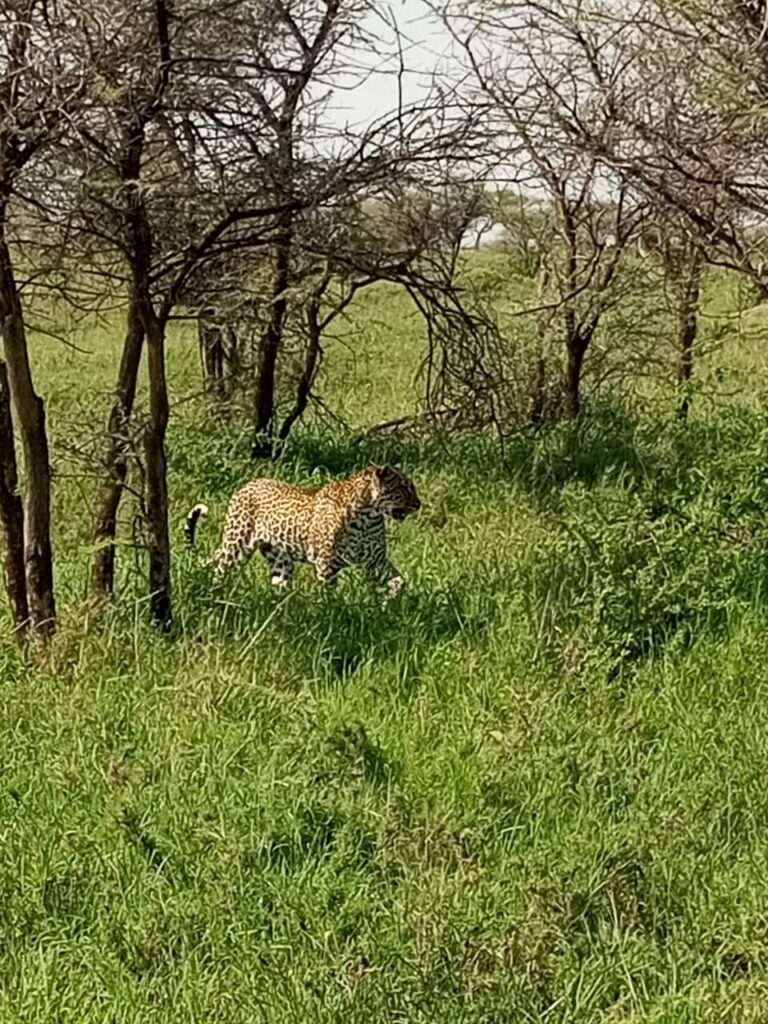 TourismKenya Coastal Safari: Malindi, Watamu & Lamu Island Guide for European TravellersRead article →
 TourismBest Time to Visit Bwindi Impenetrable Forest for Gorilla Trekking (2026 Guide)Read article →
Tell us when and how many of you are travelling. A real person replies by email or WhatsApp within 24 hours with a line-by-line quote. No deposit until you are happy with the plan.
Let our expert team craft your perfect safari adventure. Custom itineraries, competitive prices, and unforgettable experiences.
Start Planning Your Safari