 Tourism
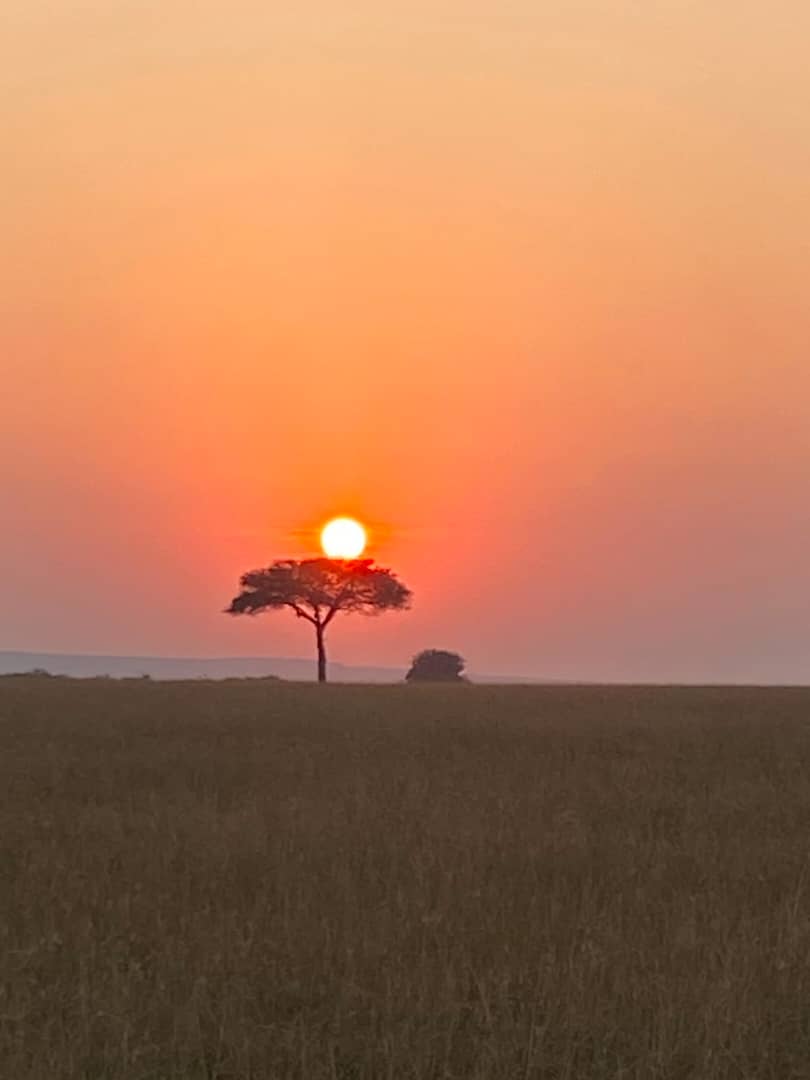
You’ve probably seen photos of African sunsets before — the blazing orange sky, the lone acacia tree silhouetted against the horizon, the vast open savanna stretching out in every direction. But no photograph can truly capture what it feels like to be there. The warmth on your skin, the sounds of the bush settling down for the night, the absolute stillness as the last light fades — it’s an experience that stays with you long after you’ve returned home.
The Masai Mara sits at an elevation of about 1,500 metres above sea level, which gives it a unique atmospheric quality that makes sunsets here particularly spectacular. The combination of altitude, dust particles from the savanna, and the wide-open horizon creates colours that range from deep gold to fiery crimson to soft purple. Every evening is different, and every evening is breathtaking.
The iconic flat-topped acacia trees that dot the Mara landscape add the perfect silhouette against the setting sun. These trees, also known as umbrella thorns, have become one of the most recognisable symbols of the African safari experience. When you see one framed against a burning sky, you understand why people travel thousands of kilometres to witness this moment.
Many safari lodges and camps offer what’s known as a “sundowner drive” — a late afternoon game drive timed so that you’re out in the bush as the sun goes down. Your guide will find a scenic spot, usually on a ridge or near a river, and set up drinks and snacks while you watch the sky transform. It’s one of the most magical traditions of the East African safari.
During sundowner drives, the wildlife is often at its most active. Predators begin to stir after resting through the heat of the day, elephants move toward water sources, and birds return to their roosts in spectacular formations. The golden light also creates perfect conditions for wildlife photography.
If you’re a photographer, the Masai Mara will test your shutter finger. Here are a few tips for capturing that perfect sunset shot on safari:
Shoot in manual mode and slightly underexpose to preserve the rich colours in the sky. Look for silhouettes — acacia trees, giraffes, elephants — to add depth and scale to your composition. Use a wide-angle lens to capture the full sweep of the sky, or a telephoto to isolate a single tree or animal against the sunset. And most importantly, put the camera down for at least a few minutes and just watch. Some moments are better experienced than captured.
Nature Nest Safaris includes sundowner experiences in many of our Masai Mara packages. Whether you’re on a budget camping safari or staying at a luxury lodge, we make sure you get to experience the magic of an African sunset in the wild.
Ready to watch the sun set over the African savanna?
Contact Nature Nest Safaris:
Ready to plan your East African adventure? Browse our curated safari experiences:
Trips that match this guide. Every itinerary can be tailored to your dates and budget, and quotes are free.
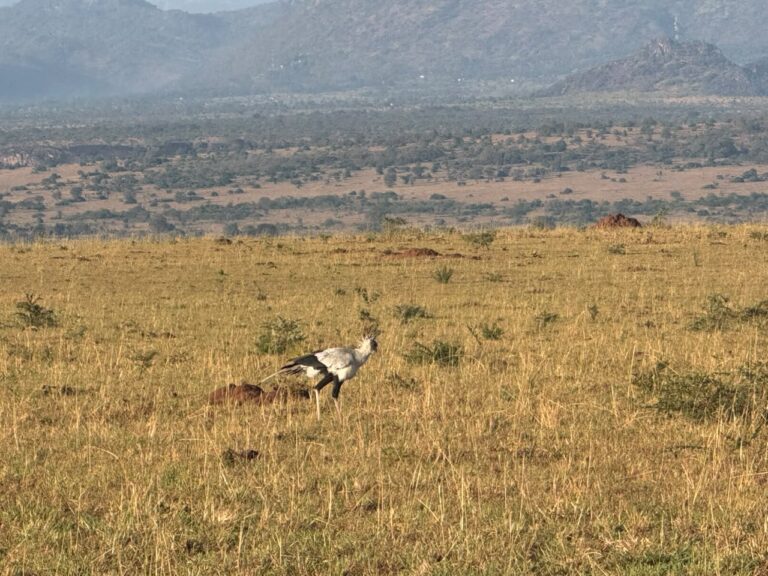 Safari PlanningBest Time to Visit East Africa for a Safari: A Month-by-Month Guide for UK & European TravellersRead article →
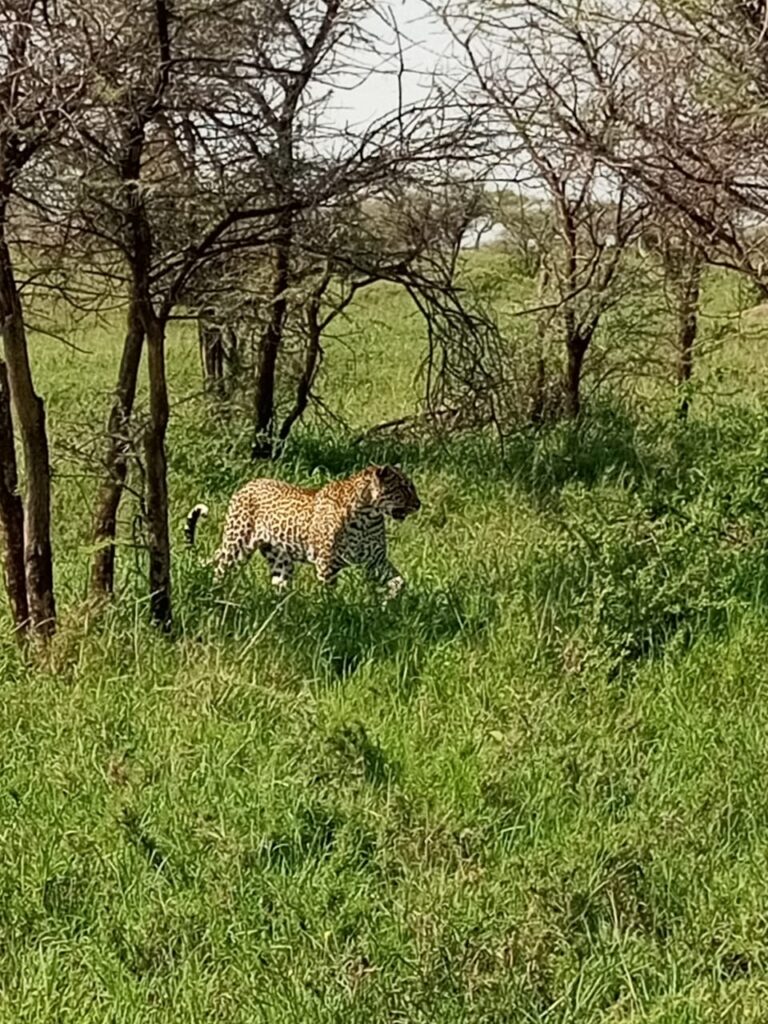 TourismKenya Coastal Safari: Malindi, Watamu & Lamu Island Guide for European TravellersRead article →
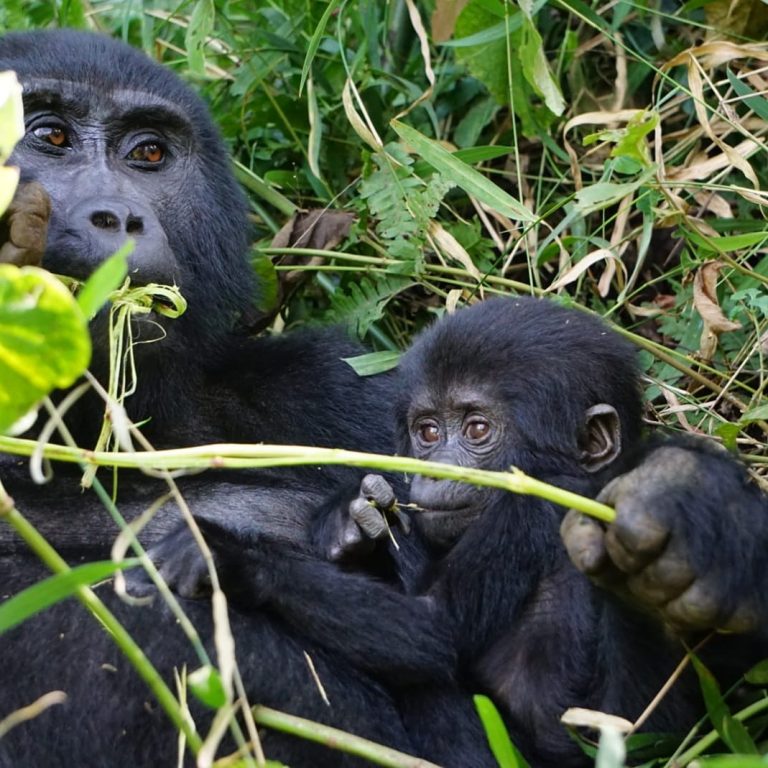 TourismBest Time to Visit Bwindi Impenetrable Forest for Gorilla Trekking (2026 Guide)Read article →
Tell us when and how many of you are travelling. A real person replies by email or WhatsApp within 24 hours with a line-by-line quote. No deposit until you are happy with the plan.
Let our expert team craft your perfect safari adventure. Custom itineraries, competitive prices, and unforgettable experiences.
Start Planning Your Safari