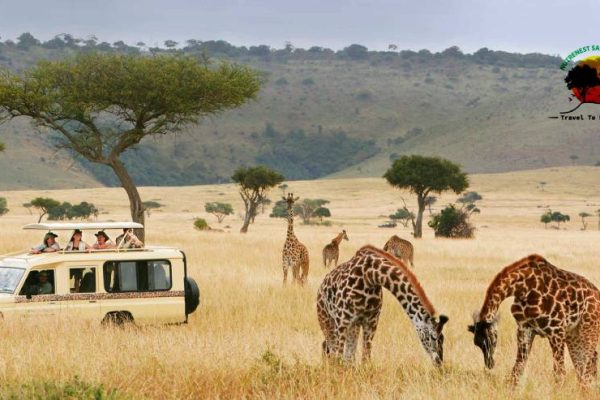
 Tourism
What to Pack for an African Safari: UK Checklist 2026
Published August 30, 2026 · Nature Nest Safaris · 4 min read
In this guide
- Safari Packing: Less Than You Think, More Specific Than You’d Expect
- Clothing: Neutral Colours, Layers, Repeat
- Camera Gear
- Health and Sun Protection
- Documents and Money
- Luggage Tips for Bush Flights
- The Packing Checklist Summary
- Ready to Start Packing?
Safari Packing: Less Than You Think, More Specific Than You’d Expect
Packing for your first African safari can feel overwhelming. You’re heading into the bush, possibly at altitude, definitely far from the nearest Boots. But after years of sending travellers from London, Manchester, Edinburgh and across Europe on safari in Kenya, Tanzania, Uganda and Rwanda, we can tell you this: most people overpack.
Here’s what you actually need — and what you can safely leave at home.
Clothing: Neutral Colours, Layers, Repeat
Safari vehicles are open-sided and dusty. Lodges have laundry services. Pack light, pack neutral, pack layers.
Essentials:
Long-sleeved shirts in khaki, olive or tan (2-3). Short-sleeved tops in neutral tones (2-3). Lightweight trousers that convert to shorts — zip-off styles from Craghoppers or Columbia work perfectly. A warm fleece or softshell jacket for early morning game drives when temperatures can drop to 10°C, even near the equator. A waterproof shell if travelling during the green season (March-May or November). A wide-brimmed hat for sun protection. Comfortable walking shoes or boots — essential if you’re doing gorilla trekking in Uganda or Rwanda’s Bwindi or Volcanoes National Park.
What to avoid:
Bright white clothing (startles animals and shows every speck of dust), dark blue or black (attracts tsetse flies in some areas), camouflage patterns (restricted in several East African countries), and excessive luggage — bush flights in Kenya and Tanzania often have a strict 15kg limit in soft-sided bags only.
Camera Gear
A safari is one of the few holidays where your camera gear genuinely matters. For the Big Five in the Masai Mara or Serengeti, you’ll want a zoom lens — 100-400mm is the sweet spot. A good smartphone camera handles landscapes and camp life well enough.
Bring extra memory cards (you’ll shoot thousands of photos), spare batteries (charging opportunities exist at camps but can be limited), a dust-proof bag or zip-lock bags for lens protection, and binoculars — 8×42 or 10×42 are ideal for birding and distant wildlife.
Health and Sun Protection
East Africa sits on the equator, and the sun is fierce even on cloudy days. Factor 50 sunscreen is non-negotiable. Bring insect repellent with at least 30% DEET — essential for malaria-risk areas in most of Kenya, Tanzania and Uganda below 1,800m altitude.
Consult your GP or a travel clinic like Nomad Travel or MASTA at least 6-8 weeks before departure. You’ll likely need yellow fever vaccination (mandatory for Uganda and often required for entry into Tanzania and Rwanda), anti-malarial tablets, and routine boosters.
Pack a small first-aid kit: plasters, antiseptic wipes, rehydration sachets, anti-diarrhea tablets, and any prescription medication you take regularly. Pharmacies in Nairobi and Dar es Salaam are well-stocked, but once you’re in the national parks, supplies are limited.
Documents and Money
British passport holders need visas for all four East African countries. Kenya and Uganda offer e-visas (apply online before travel). Tanzania issues visas on arrival or via e-visa. Rwanda offers visa-free entry for UK nationals for up to 30 days.
Carry printed copies of your visa confirmations, travel insurance documents, yellow fever certificate, and accommodation vouchers. Many camps and lodges accept card payments, but carry US dollars (printed after 2013, no marks or tears) for park entry fees, tips and small purchases. A typical tip for a safari guide is $10-15 per person per day.
Luggage Tips for Bush Flights
If your safari includes a bush flight — and most Kenya or Tanzania itineraries do — pack in a soft-sided duffel bag, not a hard suitcase. Airlines like SafariLink and Coastal Aviation enforce 15kg limits strictly. Weigh your bag at home, leave room for souvenirs, and wear your heaviest items (boots, jacket) on the plane.
The Packing Checklist Summary
Neutral-coloured clothing (3-4 days’ worth, layer for temperature swings), sturdy walking shoes plus sandals for camp, warm fleece and waterproof layer, wide-brimmed hat and sunglasses, SPF 50 sunscreen and DEET insect repellent, camera with zoom lens plus spare batteries and cards, binoculars, first-aid kit and prescription medications, travel documents and printed copies, soft-sided duffel bag (under 15kg for bush flights), US dollars in good condition, universal power adapter (Type G plugs work in Kenya and Uganda; Tanzania uses Type D/G), and a head torch for camps without 24-hour electricity.
Ready to Start Packing?
Once you’ve sorted your kit, the only thing left is choosing where to go. Whether it’s the
Masai Mara’s Great Migration,
gorilla trekking in Uganda, or the
Serengeti’s endless plains, Nature Nest Safaris will handle every detail so you can focus on the experience.
Ready to plan your safari? Contact Nature Nest Safaris at
book@naturenestsafaris.com or call
+256 777 131 912.
Explore Our Safari Packages
Ready to plan your East African adventure? Browse our curated safari experiences:
View All Tours →
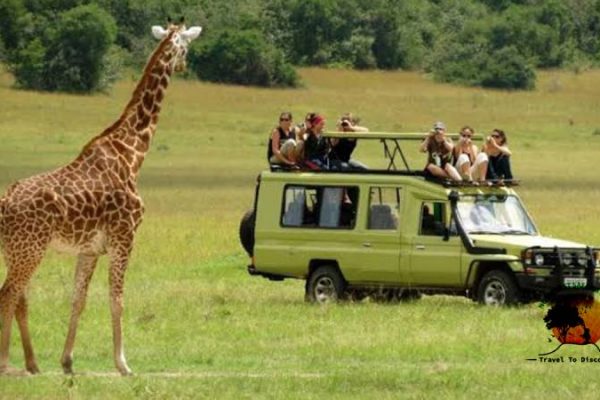 6 days · Kenya6 Days Amboseli & Masai Mara SafariFrom ,100 pp · View itinerary →
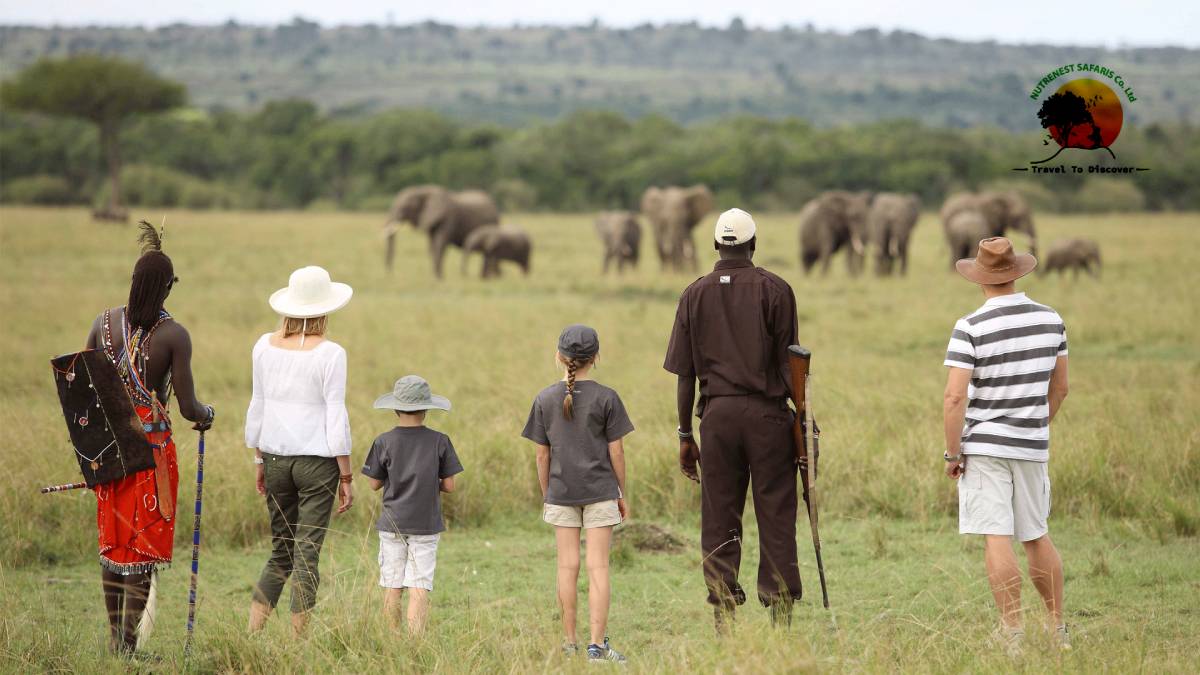 5 days · Kenya5 Days Kenya Birding SafariFrom
  Safari PlanningBest Time to Visit East Africa for a Safari: A Month-by-Month Guide for UK & European TravellersRead article →
 TourismKenya Coastal Safari: Malindi, Watamu & Lamu Island Guide for European TravellersRead article →
 TourismBest Time to Visit Bwindi Impenetrable Forest for Gorilla Trekking (2026 Guide)Read article →