 Travel Tips
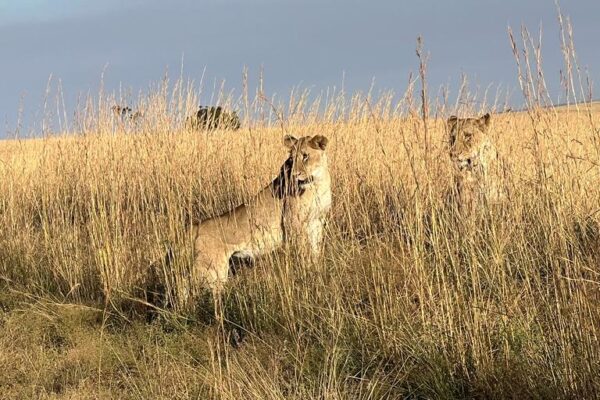
Most people picture a safari as riding in a vehicle, binoculars raised, scanning the horizon for lions. That’s the classic experience — and it’s incredible. But two of the most immersive, spine-tingling safari activities don’t involve a vehicle at all, or happen after the sun goes down.
Walking safaris and night drives are transforming how travelers experience East Africa. Here’s why you should add at least one to your itinerary.
A walking safari is exactly what it sounds like — you leave the vehicle behind and explore the bush on foot with an armed ranger and an experienced guide. Walks typically last 2–4 hours and cover 5–10 kilometers at a relaxed pace.
The difference is transformative. In a vehicle, you’re an observer. On foot, you’re a participant. Every sound is sharper, every rustle in the grass matters, and the scale of Africa hits you differently when you’re standing eye-level with the landscape instead of sitting above it.
Tracking: Your guide reads the bush like a book — fresh elephant dung means a herd passed within the hour, a specific bird alarm call signals a nearby predator, paw prints in the mud tell a story of last night’s hunt. You learn to see what you’ve been driving past.
Small wonders: Dung beetles rolling their prize, weaver birds building intricate nests, medicinal plants used by local communities for centuries, termite mounds as tall as houses. The things you never notice from a vehicle become the highlights.
Big wildlife encounters: Yes, you may encounter elephants, buffalo, or giraffe on foot — at a safe distance, guided by your armed ranger. These are controlled, respectful encounters, and the adrenaline of seeing a 6-ton elephant from 50 meters away without a vehicle around you is indescribable.
Laikipia, Kenya: One of the best walking safari destinations in East Africa. Private conservancies here offer multi-day walking safaris where you walk from camp to camp, sleeping under the stars.
Serengeti, Tanzania: Select camps in the Serengeti now offer guided bush walks, especially in the quieter southern and western corridors.
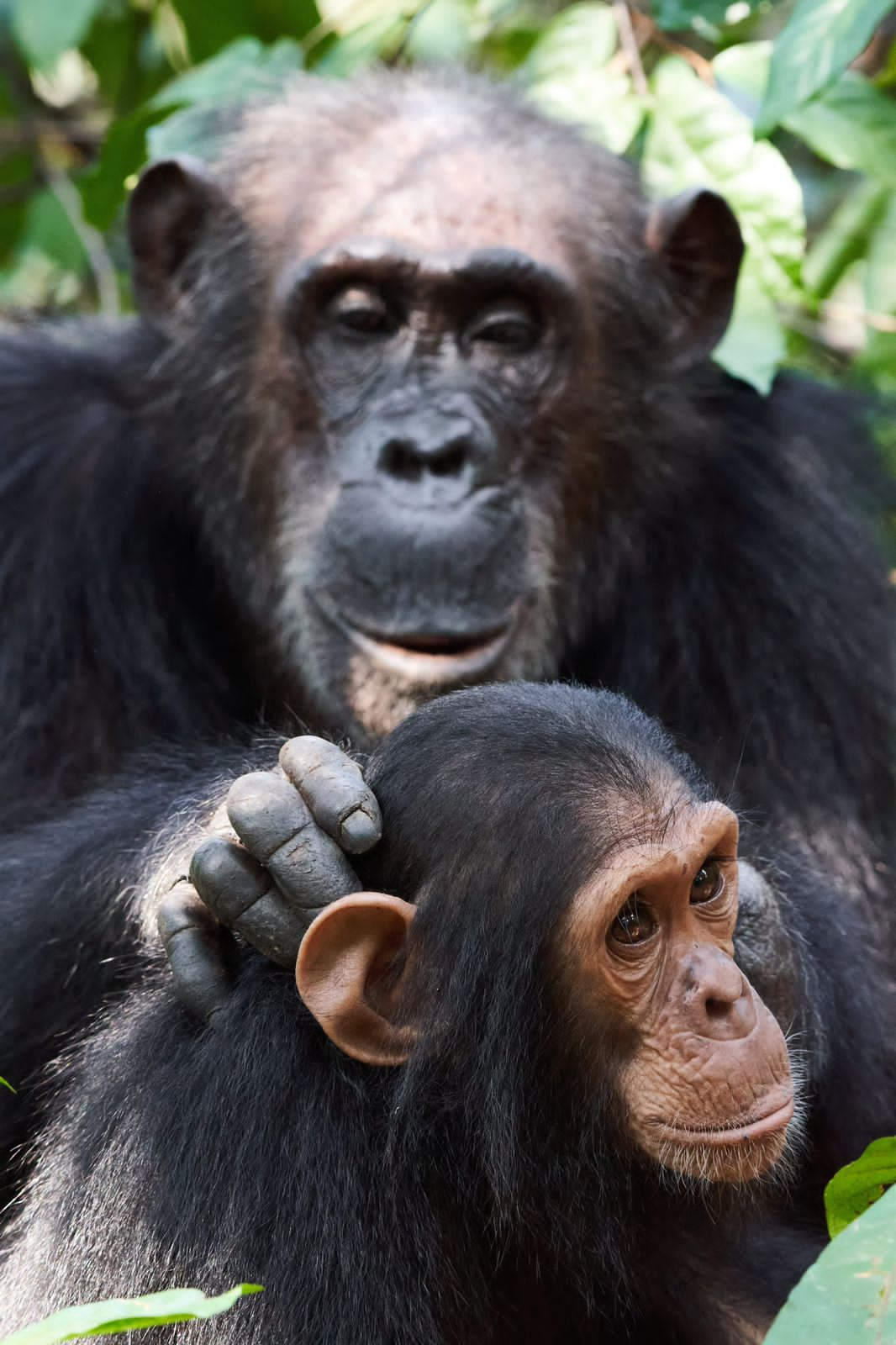
Queen Elizabeth National Park, Uganda: The Kyambura Gorge walking experience takes you through a sunken forest looking for chimpanzees — a completely unique walking safari experience.
Ngorongoro Highlands, Tanzania: Walk the rim of the crater and through Maasai villages. The views are staggering and you’ll see wildlife on the crater floor from above.
You need a reasonable level of fitness — equivalent to being comfortable on a 3-hour hike over uneven terrain. Most operators require participants to be at least 12–16 years old, depending on the location. No technical skills required; your guide handles everything.
When the sun sets over the savannah, a completely different cast of characters takes the stage. Night drives use a spotlight (operated by your guide or a spotter) to reveal the animals that hide during the day. Drives usually depart around 6:30 PM and return by 9–10 PM.
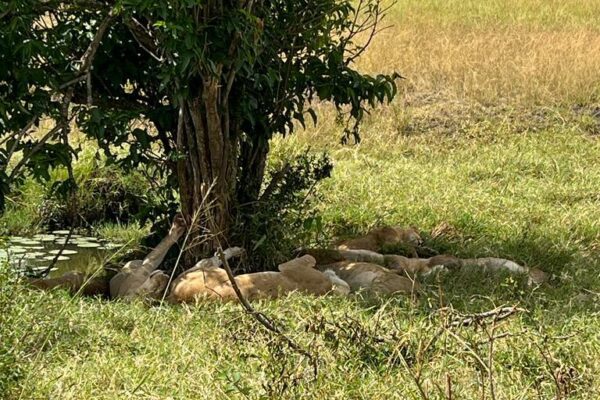
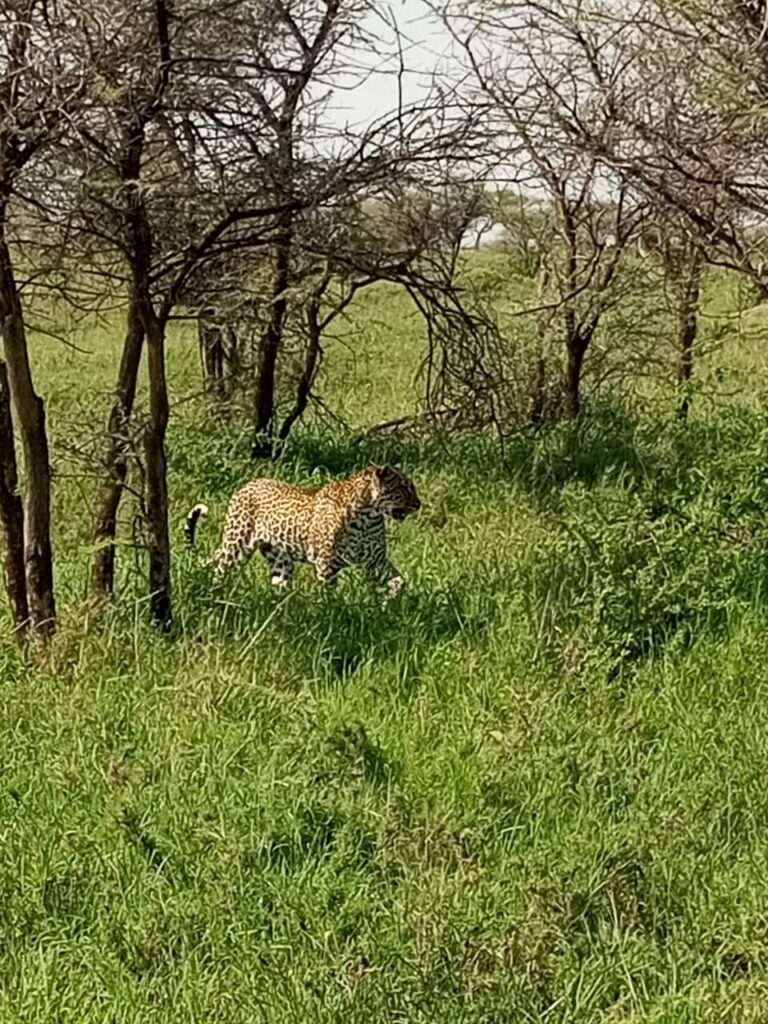
Predators in action: Lions do most of their hunting at night. Leopards — notoriously elusive during the day — descend from their trees after dark to hunt. You might witness a complete hunt from stalk to takedown.
Rarely-seen species: Aardvarks, pangolins, civets, genets, bush babies, porcupines, and honey badgers are almost exclusively nocturnal. A night drive is often the only chance you’ll ever have to see these animals in the wild.
Incredible atmospherics: The African bush at night is an experience unto itself — the sounds are louder, the stars are incomprehensibly bright (no light pollution), and there’s a primal thrill to being out in the wilderness after dark.
Private conservancies in Kenya: The Maasai Mara conservancies (Olare Motorogi, Naboisho, Mara North) allow night drives, while the national reserve itself does not. This is a major reason to stay in a conservancy.
Tarangire and Lake Manyara, Tanzania: Both parks occasionally permit night drives, though availability varies by season and operator.
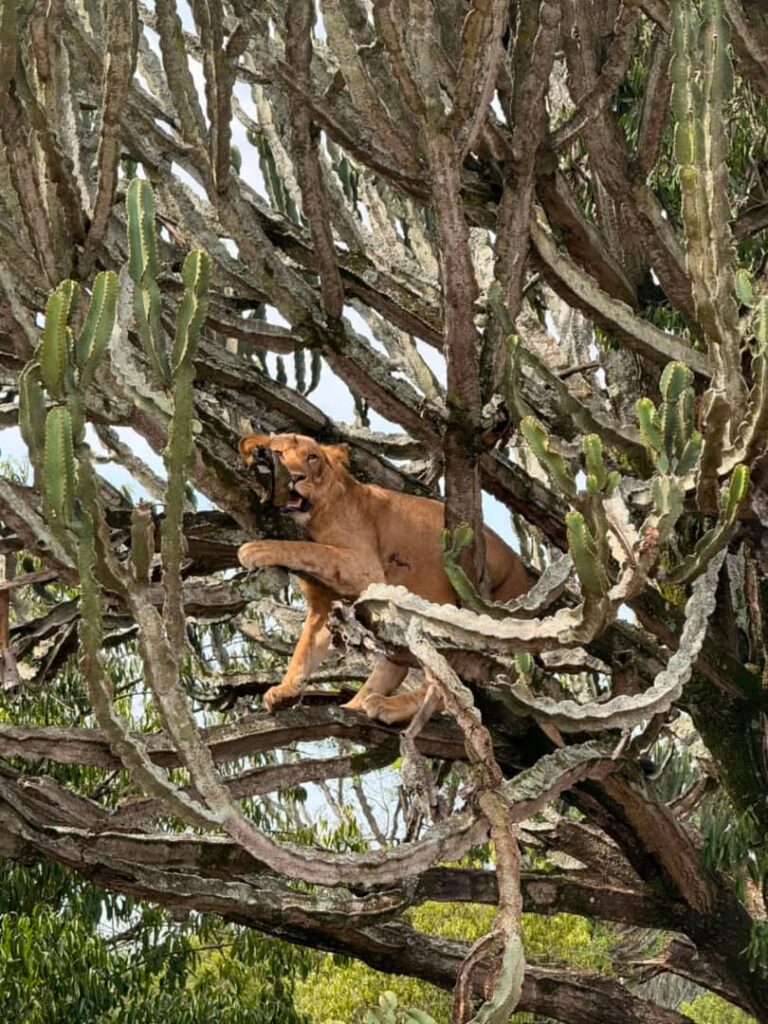
Queen Elizabeth National Park, Uganda: Night drives in the Kasenyi and Ishasha sectors offer chances to spot leopards, hyenas, and the famous tree-climbing lions after dark.
Bring warm layers. Temperatures drop significantly after sunset — even near the equator, evenings in the bush can reach 10–15°C.
Keep expectations open. Night drives are less predictable than daytime game drives. You might see a leopard hunt, or you might spend an hour watching bush babies. Both are magical if you’re open to it.
Camera settings: Night photography is challenging. If you’re serious about photos, bring a camera with good high-ISO performance and a fast lens. Otherwise, put the camera down and just absorb the experience.
Nature Nest Safaris includes walking safari and night drive options across our Kenya, Tanzania, and Uganda itineraries. We work with conservancies and parks that offer these activities and can build them into any custom package. Ask us about adding bush walks or night drives to your safari.
Ready to plan your East African adventure? Browse our curated safari experiences:
Trips that match this guide. Every itinerary can be tailored to your dates and budget, and quotes are free.
Let our expert team craft your perfect safari adventure. Custom itineraries, competitive prices, and unforgettable experiences.
Start Planning Your Safari