 Safari Planning
Planning a safari from Europe means working around school holidays, bank holidays, and annual leave. The good news? East Africa offers incredible wildlife experiences year-round, so whether you’re locked into February half-term or have flexibility for a September getaway, there’s always a perfect safari waiting.
Here’s how each European holiday period matches up with safari conditions in Kenya, Tanzania, Uganda, and Rwanda.
This is peak season across East Africa, and for good reason. The weather is warm and dry, wildlife congregates around water sources, and the festive atmosphere adds something special to bush dinners and sundowners.
What to expect:
Pricing: Expect premium rates (20-40% above standard). Book at least 6 months ahead, especially for gorilla permits.
Flight tip: Book Christmas flights from Europe by August. KLM and British Airways release holiday fares early — set price alerts.
A brilliant time for a short safari break. East Africa is in its dry season, and you can combine a 5-day safari with a few days on Zanzibar’s beaches.
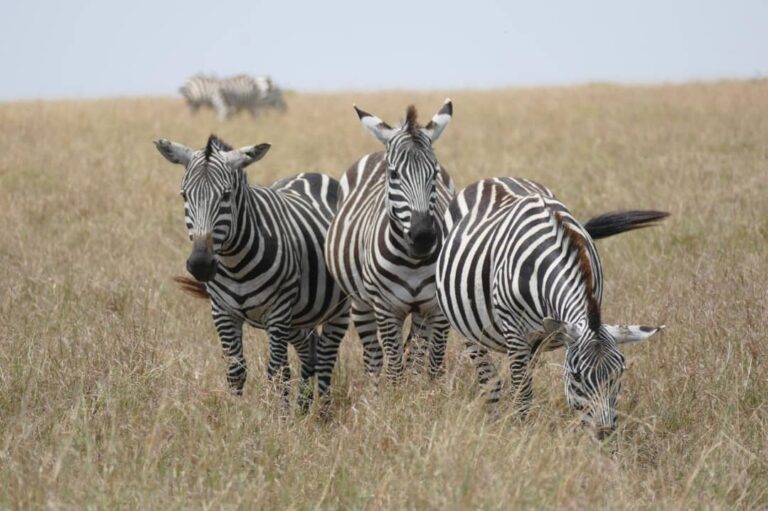
Best for: Families from the UK, Netherlands, and Belgium looking for a week of winter sun with wildlife. The Serengeti calving season (January-March) is in full swing — expect to see baby wildebeest, zebra, and predators on the hunt.
Suggested itinerary: 5 days Serengeti & Ngorongoro Crater + 3 days Zanzibar beach = perfect 8-day half-term trip.
Easter falls during the shoulder season in most of East Africa. The long rains begin in late March, but this varies hugely by region and year.
Advantages:
Considerations: Some roads in remote areas may be muddy. We recommend 4×4 vehicles (which we always use) and slightly longer transfer times.
The absolute peak season for European travellers — and East Africa’s most spectacular wildlife period.
June-July: The Great Migration arrives in Kenya’s Masai Mara. Millions of wildebeest and zebra pour across the Mara River in dramatic crossings. This is the single most sought-after wildlife experience on Earth.
August: Peak river crossings continue. Uganda and Rwanda offer dry, comfortable conditions for gorilla trekking. Tanzania’s northern circuit (Serengeti, Ngorongoro, Tarangire) is at its best.
Booking lead time: Popular lodges and camps sell out 6-12 months ahead for July-August. Gorilla permits for August should be booked by January.
European flight deals: Despite being high season in Africa, European airlines increase capacity to East Africa in summer. Watch for fare sales from Turkish Airlines (connecting via Istanbul), Ethiopian Airlines (via Addis Ababa), and direct services on KLM and British Airways.
An underrated gem. October offers exceptional value with surprisingly good wildlife viewing.
Why October works:
A 7-day Kenya or Tanzania safari during October half-term typically costs €2,200–€4,000 per person including flights from Europe — excellent value for families.
Late May marks the end of the long rains in most of East Africa. The landscape is green and lush, wildlife is active, and you’ll enjoy some of the lowest prices of the year.
Best destinations for late May:
Tell us your travel dates and we’ll build a custom itinerary around your European holiday schedule. Contact us at book@naturenestsafaris.com or WhatsApp +256 777 131 912.
Ready to plan your East African adventure? Browse our curated safari experiences:
Trips that match this guide. Every itinerary can be tailored to your dates and budget, and quotes are free.
Tell us when and how many of you are travelling. A real person replies by email or WhatsApp within 24 hours with a line-by-line quote. No deposit until you are happy with the plan.
Let our expert team craft your perfect safari adventure. Custom itineraries, competitive prices, and unforgettable experiences.
Start Planning Your Safari