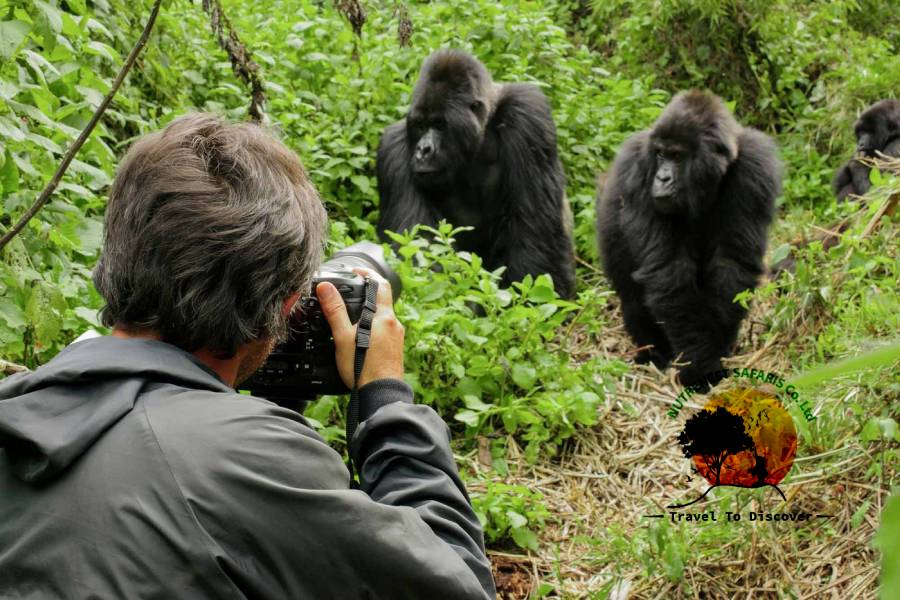
 Tourism
[vc_row][vc_column][vc_column_text]
Chimpanzee trekking is one of the most thrilling wildlife encounters you can experience on an African safari. Imagine walking deep into lush tropical forests, listening to the echoes of bird calls, and suddenly coming face-to-face with our closest living relatives—the intelligent and social chimpanzees. Their playful behavior, human-like interactions, and fascinating survival skills make chimp trekking a once-in-a-lifetime adventure for travelers seeking authentic encounters with nature.
In this comprehensive guide, Nature Nest Safaris explores everything you need to know about chimpanzee trekking safaris—from the best destinations in Africa to costs, age limits, trekking durations, fun facts, and expert tips to prepare for your journey.
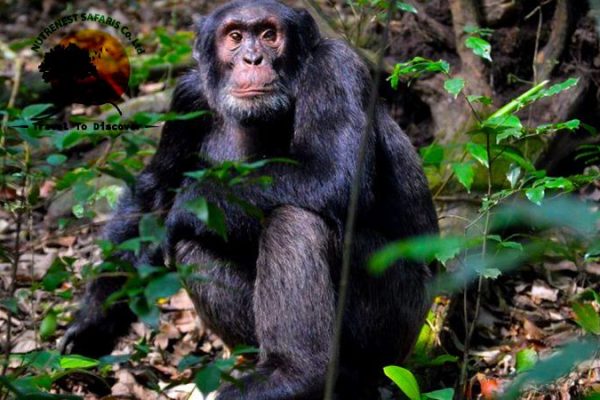
Chimpanzee trekking is the guided activity of tracking and observing wild chimpanzees in their natural habitat. Unlike game drives where you remain in a vehicle, trekking involves hiking through forests with an experienced ranger or guide until you find a community of chimpanzees.
Unlike gorilla trekking, which usually involves one large family group, chimpanzee societies (known as communities or troops) can number from 30 to over 100 individuals. They move frequently in smaller sub-groups, making the tracking experience dynamic and adventurous.
Once you locate them, visitors typically spend one hour observing their behavior—watching them forage, groom each other, play, climb trees, and even communicate with distinctive vocalizations.
Chimp trekking is not only an unforgettable wildlife experience but also a vital way to support conservation efforts that protect endangered primates and their habitats.
Chimpanzees are native to 21 African countries, but trekking is only possible in select national parks and reserves where conservation efforts allow for safe and sustainable tourism. The best destinations for chimpanzee trekking include:
Uganda – Kibale National Park, Budongo Forest, Kyambura Gorge, Kalinzu Forest
Tanzania – Gombe Stream National Park, Mahale Mountains National Park
Rwanda – Nyungwe Forest National Park, Gishwati-Mukura National Park
Democratic Republic of the Congo (DRC) – Virunga National Park, Ituri Forest
These destinations are managed with strict regulations to ensure both visitor safety and the protection of the chimpanzees.
Uganda is considered the world’s best destination for chimpanzee trekking, thanks to its large populations and multiple trekking sites.
Kibale National Park – Known as the “Primate Capital of the World,” it hosts over 1,500 chimpanzees. This is the most popular and reliable place for sightings, with a success rate of over 90%.
Budongo Forest (Murchison Falls National Park) – Home to around 800 chimps, this is a great alternative for those visiting northern Uganda.
Kyambura Gorge (Queen Elizabeth National Park) – Often called the “Valley of the Apes,” this scenic gorge is an adventurous trekking spot.
Kalinzu Forest – Close to Queen Elizabeth National Park, it’s less crowded but offers high chances of chimp encounters.
Uganda also offers chimpanzee habituation experiences, allowing visitors to spend up to four hours with chimps being gradually accustomed to human presence.
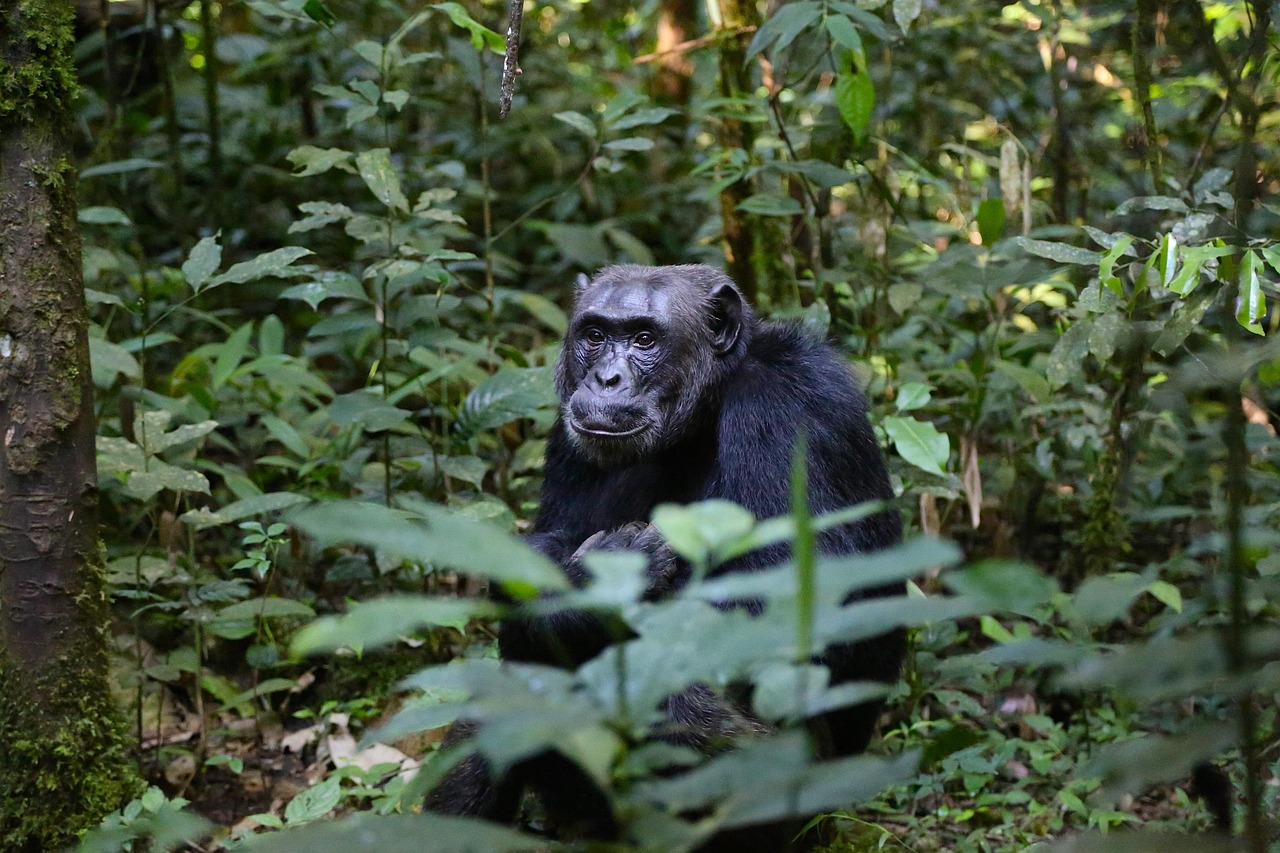
Tanzania offers some of the most remote and wild chimp trekking experiences in Africa:
Gombe Stream National Park – Made famous by Jane Goodall’s groundbreaking chimpanzee research, Gombe offers intimate treks along the shores of Lake Tanganyika.
Mahale Mountains National Park – Often described as the most beautiful chimp trekking destination, Mahale combines pristine forests with stunning white-sand beaches along Lake Tanganyika. It hosts one of the largest protected chimp populations in Africa.
Trekking here often involves boat rides and longer hikes, making it ideal for adventurous travelers seeking an off-the-beaten-path safari.
Rwanda is well-known for gorilla trekking, but it also offers rewarding chimpanzee treks:
Nyungwe Forest National Park – A vast montane rainforest that is home to about 500 chimps. Visitors often hear their loud pant-hoot calls before spotting them in the treetops.
Gishwati-Mukura National Park – Rwanda’s newest national park, offering more intimate and less crowded chimpanzee trekking.
The scenic beauty of Rwanda’s forests makes chimp trekking here a perfect add-on to a gorilla safari.
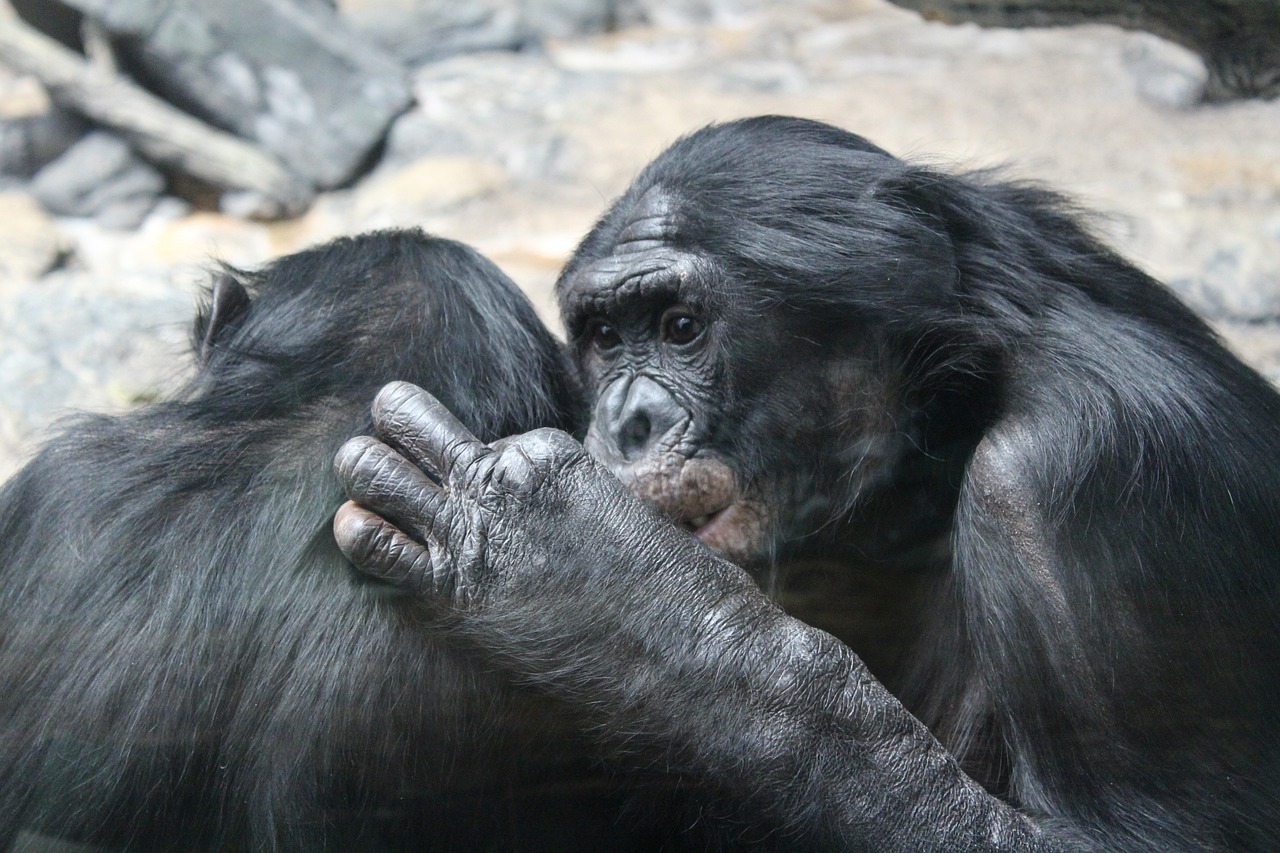
The DRC is home to vast rainforests with some of Africa’s most untouched chimpanzee habitats.
Virunga National Park – Africa’s oldest national park, renowned for both mountain gorillas and chimpanzees.
Ituri Forest – Part of the Congo Basin, one of the richest biodiversity hotspots in the world.
While rewarding, chimp trekking in DRC is more suited to experienced travelers due to logistical challenges and security considerations.
Chimpanzee trekking permits vary by country:
Uganda:
Kibale National Park: $200 per person (trekking)
Chimp habituation experience: $250 per person
Kyambura Gorge & Kalinzu Forest: $50–100 per person
Tanzania:
Gombe Stream: $100 per person
Mahale Mountains: $80–100 per person
Rwanda:
Nyungwe Forest & Gishwati-Mukura: $90 per person
DRC:
Virunga & Ituri Forest: $100–150 per person
These costs often exclude park entry fees, guide services, and transport, so travelers should budget accordingly.
The minimum age for chimpanzee trekking is 12 years old in most countries.
This restriction exists to:
Protect children from the physical demands of trekking
Reduce the risk of transmitting human diseases to chimps (who share over 98% of our DNA)
Ensure safety during close wildlife encounters
The trekking duration varies depending on the chimp community’s location:
1 to 3 hours of hiking to locate the chimps
1 hour of observation once you find them
On average, the whole experience takes about 3 to 5 hours. The chimpanzee habituation experience can last half a day (4+ hours).
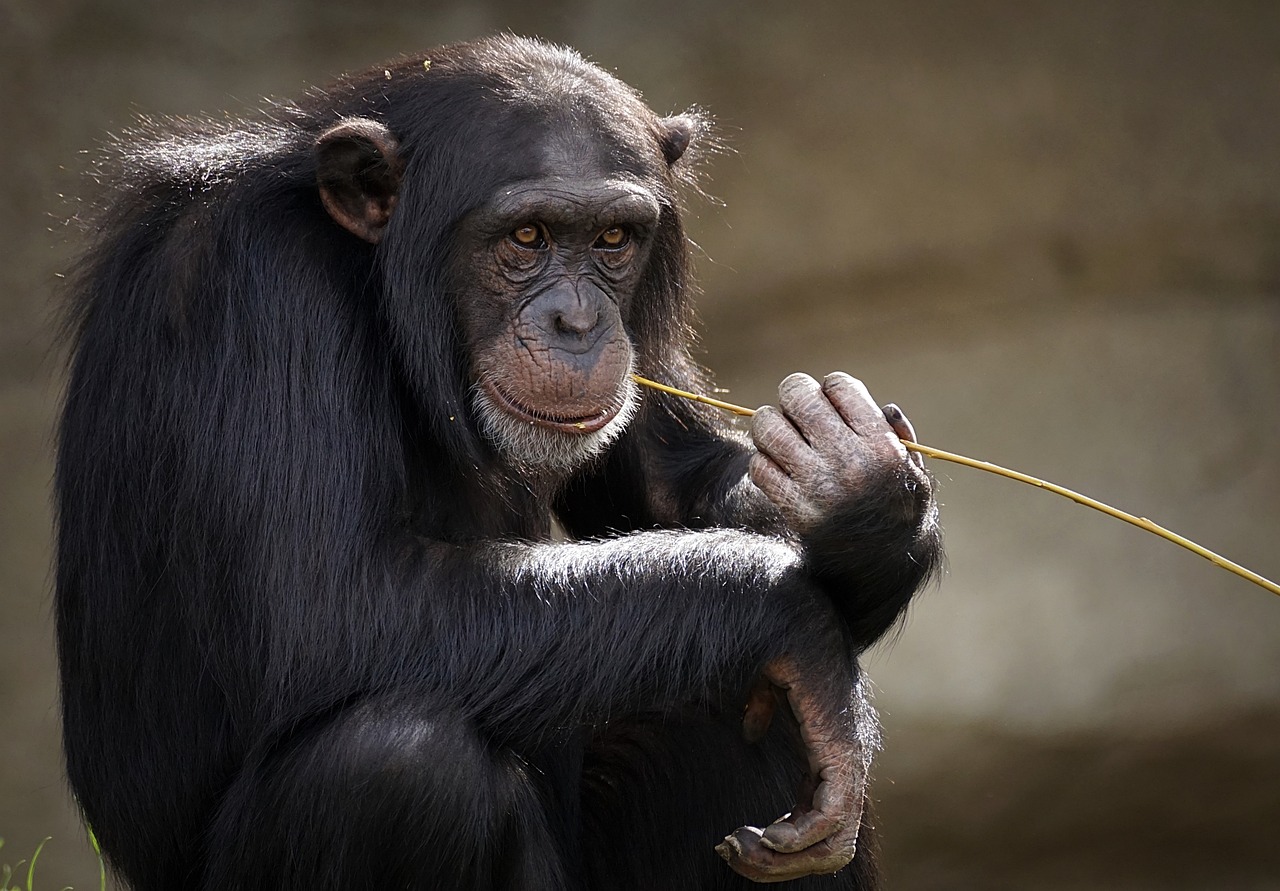
Chimpanzees share 98.7% of human DNA.
They use tools—sticks for termites, stones to crack nuts, and leaves as sponges.
Chimps live in large fission-fusion societies, meaning groups split and merge frequently.
They communicate using over 60 different gestures and vocalizations.
Chimps can live up to 50 years in the wild.
They are endangered, with populations declining due to habitat loss, poaching, and disease.
Chimpanzee trekking is possible year-round, but the experience differs depending on the season:
Dry Season (June–September, December–February):
Trails are easier to hike
Chimps may range farther, making treks longer
Wet Season (March–May, October–November):
Forests are lush and green
Chimps are easier to find since food is abundant
Trails can be muddy and more challenging
For the best balance of comfort and sightings, many travelers choose the dry season.
A successful chimp trekking experience requires preparation. Essentials include:
Comfortable hiking boots
Lightweight, long-sleeved clothing (for protection from insects and branches)
Rain jacket (tropical forests are unpredictable)
Insect repellent
Reusable water bottle
Snacks or energy bars
Binoculars
Camera (without flash)
Backpack for personal items
Walking stick (sometimes provided by guides)
Get physically ready – Light hiking or walking exercises before your trip will help.
Pack wisely – Waterproof bags for electronics are a must.
Follow ranger instructions – Always maintain the required distance (7 meters) from chimps.
Respect nature – No littering, feeding, or making loud noises.
Stay healthy – Avoid trekking if you have flu or contagious illnesses, as chimps are highly susceptible.
Go early – Morning treks have higher chances of finding active chimps.
Chimpanzee trekking is not just about adventure—it’s about connecting with nature and supporting conservation. At Nature Nest Safaris, we craft personalized itineraries that combine chimpanzee encounters with gorilla trekking adventure, savannah safaris, and cultural experiences.
Whether you dream of walking through Uganda’s Kibale Forest, exploring Rwanda’s Nyungwe canopy, or following Jane Goodall’s footsteps in Tanzania’s Gombe Stream, we ensure your journey is safe, enriching, and unforgettable.
[/vc_column_text][/vc_column][/vc_row][vc_row][vc_column][vc_column_text]
{
“@context”: “https://schema.org”,
“@type”: “FAQPage”,
“mainEntity”: [
{
“@type”: “Question”,
“name”: “What is the difference between gorilla trekking and chimpanzee trekking?”,
“acceptedAnswer”: {
“@type”: “Answer”,
“text”: “Gorilla trekking focuses on mountain gorillas in cohesive family groups, while chimpanzee trekking involves tracking dynamic chimp communities that split into smaller sub-groups. Chimps are more active, often seen in trees and on the ground.”
}
},
{
“@type”: “Question”,
“name”: “Which country is best for chimpanzee trekking?”,
“acceptedAnswer”: {
“@type”: “Answer”,
“text”: “Uganda is often considered the best destination for chimp trekking, especially Kibale National Park. Rwanda, Tanzania, and the Democratic Republic of the Congo also offer excellent experiences.”
}
},
{
“@type”: “Question”,
“name”: “How much does chimp trekking cost in Uganda?”,
“acceptedAnswer”: {
“@type”: “Answer”,
“text”: “Chimpanzee trekking permits in Uganda cost about $200 per person in Kibale National Park. A habituation experience costs $250, while other sites like Kyambura Gorge and Kalinzu Forest range from $50–100.”
}
},
{
“@type”: “Question”,
“name”: “How physically demanding is chimpanzee trekking?”,
“acceptedAnswer”: {
“@type”: “Answer”,
“text”: “Chimp trekking requires moderate fitness. Hikes can last 1 to 3 hours before locating the chimps, often through muddy or hilly terrain. Most travelers in good health can complete the trek with preparation.”
}
},
{
“@type”: “Question”,
“name”: “How close can you get to chimpanzees during trekking?”,
“acceptedAnswer”: {
“@type”: “Answer”,
“text”: “Visitors must maintain a distance of at least 7 meters (21 feet) from chimpanzees to reduce disease transmission risks and ensure safety for both humans and chimps.”
}
},
{
“@type”: “Question”,
“name”: “What time of day is best for chimp trekking?”,
“acceptedAnswer”: {
“@type”: “Answer”,
“text”: “Morning treks are the most popular, as chimps are very active in the early hours—feeding, grooming, and moving through the forest. Afternoon treks are also possible but may have lower sighting chances.”
}
},
{
“@type”: “Question”,
“name”: “Can children go chimpanzee trekking?”,
“acceptedAnswer”: {
“@type”: “Answer”,
“text”: “The minimum age for chimpanzee trekking is 12 years. This rule ensures child safety and prevents the risk of transmitting human diseases to chimpanzees.”
}
},
{
“@type”: “Question”,
“name”: “When is the best season to go chimpanzee trekking?”,
“acceptedAnswer”: {
“@type”: “Answer”,
“text”: “The dry seasons (June–September and December–February) are best, as trails are easier to hike. The wet season offers lush scenery and easier chimp sightings but with muddier trails.”
}
},
{
“@type”: “Question”,
“name”: “What animals might you see alongside chimpanzees?”,
“acceptedAnswer”: {
“@type”: “Answer”,
“text”: “Travelers may encounter red colobus monkeys, black-and-white colobus, L’Hoest’s monkeys, olive baboons, plus a variety of birds, butterflies, and forest mammals.”
}
},
{
“@type”: “Question”,
“name”: “Why choose Nature Nest Safaris for chimpanzee trekking?”,
“acceptedAnswer”: {
“@type”: “Answer”,
“text”: “Nature Nest Safaris provides expertly guided chimp treks in Uganda, Rwanda, Tanzania, and the DRC, with customized itineraries, knowledgeable guides, and a strong focus on conservation.”
}
}
]
}
[/vc_column_text][vc_toggle title=”What is the difference between gorilla trekking and chimpanzee trekking?”]Gorilla trekking focuses on mountain gorillas that live in cohesive family groups, while chimpanzee trekking involves tracking large, dynamic communities that split into smaller sub-groups. Chimps are also more active, spending time in trees and on the ground.[/vc_toggle][vc_toggle title=”Which country is best for chimpanzee trekking?”]Uganda is often considered the best country for chimp trekking, especially in Kibale National Park, thanks to its high success rate and large chimp population. However, Rwanda, Tanzania, and the Democratic Republic of the Congo also offer exceptional experiences.[/vc_toggle][vc_toggle title=”How much does chimp trekking cost in Uganda?”]Chimpanzee trekking permits in Uganda cost about $200 per person in Kibale National Park, while a habituation experience costs $250 per person. Other sites like Kyambura Gorge and Kalinzu Forest have permits between $50–100.[/vc_toggle][vc_toggle title=”How physically demanding is chimpanzee trekking?”]Chimp trekking requires moderate fitness. Hikes can last 1 to 3 hours before finding the chimps, often on uneven, muddy, or hilly terrain. Most travelers in good health can complete the trek with proper preparation.[/vc_toggle][vc_toggle title=”How close can you get to chimpanzees during trekking?”]Visitors are required to maintain a 7-meter (21 feet) distance from chimpanzees to reduce the risk of transmitting human diseases and ensure both human and animal safety.[/vc_toggle][vc_toggle title=”Can children go chimpanzee trekking?”]The minimum age limit for chimpanzee trekking is 12 years old. This rule is in place for safety and to prevent disease transmission to chimpanzees.[/vc_toggle][vc_toggle title=”When is the best season to go chimpanzee trekking?”]The dry seasons (June–September and December–February) are the best times for chimp trekking, as trails are easier to hike. However, the wet season offers lush scenery and easier chimp sightings due to abundant food.[/vc_toggle][vc_toggle title=”What animals might you see alongside chimpanzees?”]During a chimp trek, travelers may encounter red colobus monkeys, black-and-white colobus, L’Hoest’s monkeys, olive baboons, and a wide variety of forest birds and butterflies.[/vc_toggle][vc_toggle title=”Why choose Nature Nest Safaris for chimpanzee trekking?”]Nature Nest Safaris offers expertly guided treks in Uganda, Rwanda, Tanzania, and the DRC. With customized itineraries, knowledgeable guides, and a commitment to conservation, your chimp trekking adventure is safe, educational, and unforgettable.[/vc_toggle][/vc_column][/vc_row]
Ready to plan your East African adventure? Browse our curated safari experiences:
Trips that match this guide. Every itinerary can be tailored to your dates and budget, and quotes are free.
 Safari PlanningBest Time to Visit East Africa for a Safari: A Month-by-Month Guide for UK & European TravellersRead article →
 TourismKenya Coastal Safari: Malindi, Watamu & Lamu Island Guide for European TravellersRead article →
 TourismBest Time to Visit Bwindi Impenetrable Forest for Gorilla Trekking (2026 Guide)Read article →
Let our expert team craft your perfect safari adventure. Custom itineraries, competitive prices, and unforgettable experiences.
Start Planning Your Safari