 Kenya Safari Tour
Should you drive or fly from Nairobi to the Masai Mara? Driving takes about 5 to 6 hours and is the cheaper choice, with a stop at the Rift Valley viewpoint on the way. Flying takes roughly 45 to 60 minutes from Nairobi’s Wilson Airport and saves most of a day, but adds a few hundred euros per person and a strict soft-bag luggage limit. For a trip of four nights or more, many travellers from Frankfurt, Amsterdam, Paris or Brussels drive in and fly out.
The Masai Mara is Kenya’s most famous reserve, and almost every European traveller reaches it from Nairobi. The choice between road and air shapes your budget, your energy and how many game drives you get. Below we compare both honestly, with times, typical costs in euros, two sample itineraries and the mistakes we see most often.
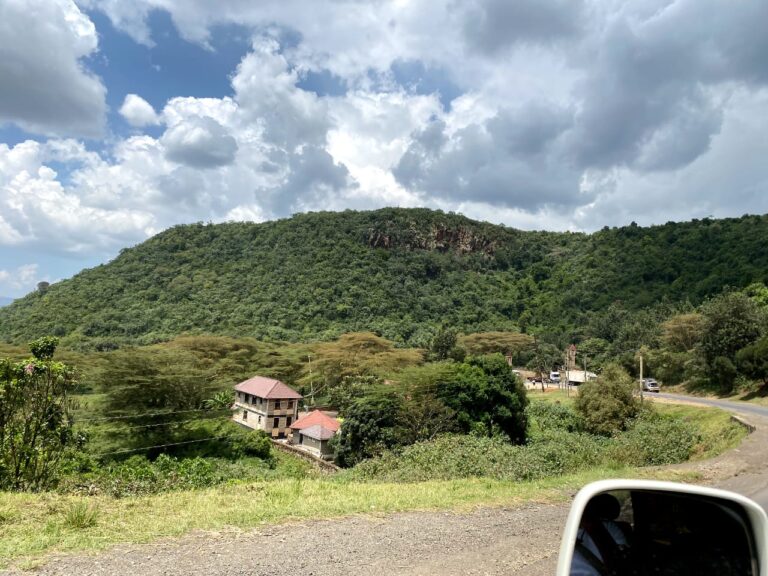
The road leaves Nairobi heading north-west and climbs to the edge of the Great Rift Valley. Most drivers stop at the escarpment viewpoint, where the valley floor opens up below you, a perfect first photo of Kenya. The road then drops into the valley and continues west to Narok, the last sizeable town, where you can refuel, use clean toilets and buy snacks. From Narok the road runs on to the reserve gates, such as Sekenani on the eastern side. Road quality has improved a lot in recent years, but the final stretches and the tracks inside the reserve are still dirt and can be bumpy, especially after rain.
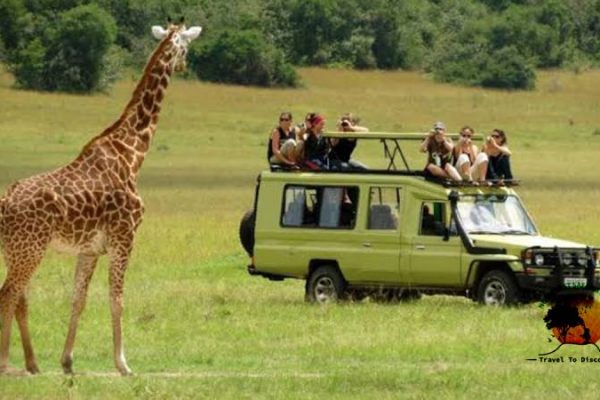
With a good driver-guide in a 4×4 Land Cruiser with a pop-up roof, the drive is part of the safari. You pass Maasai villages, herds of cattle and goats, and often see zebra, gazelles and giraffes before you even reach the gate. Allow time for traffic leaving Nairobi in the morning. We usually leave around 7:00 to 7:30 to arrive for lunch and an afternoon game drive.
Pros: clearly cheaper, especially for families and groups of three or more who share a vehicle; no luggage limits; the same vehicle and guide stay with you for game drives in the Mara; and you see rural Kenya and the Rift Valley along the way.
Cons: it uses most of a day each way; it can be tiring after a long-haul flight from Europe; and the last part is dusty and bumpy. People who suffer from back problems or motion sickness often prefer to fly at least one way.
This is the point that catches many visitors out. International flights from Europe land at Jomo Kenyatta International Airport (JKIA), but bush flights to the Mara leave from Wilson Airport, a smaller airfield on the other side of the city. The transfer between the two takes roughly 30 to 60 minutes depending on traffic. In practice this means you cannot connect straight off an overnight flight with a tight gap; plan a night in Nairobi or a generous buffer.
Scheduled light-aircraft services fly to several airstrips across the Mara, so you land close to your camp. Aircraft are small (often a Cessna Caravan or similar), flights may make a stop at another airstrip, and the views over the plains are excellent. Your camp vehicle meets you on the airstrip, and you are often on a game drive within the hour.
Pros: saves around four to five hours each way; much less tiring; gives you an extra half-day of game viewing; and it is a memorable experience in itself.
Cons: it adds a noticeable cost per person; the 15 kg soft-bag limit means careful packing (hard suitcases are usually not accepted); and you rely on the camp’s vehicles and guides in the Mara rather than keeping your own driver-guide for the whole trip.
This is close to our 3-day classic Masai Mara safari (from $1,000 per person sharing on the Standard option), with an arrival night added in Nairobi. If you are very short of time, the 2-day Masai Mara express safari starts from $900 per person sharing, but with two long drives in two days we only recommend it as a last resort.
A popular compromise is to drive in and fly out: you see the Rift Valley on the way in and avoid the long return drive before your flight home.
Return flights from the main European hubs to Nairobi typically cost around €550 to €900 in economy, depending on season and how far ahead you book. KLM and Kenya Airways fly direct from Amsterdam, Kenya Airways also flies from Paris, and from Frankfurt or Brussels most travellers connect via Amsterdam, Doha, Dubai, Istanbul or Addis Ababa. Check current schedules, because routes change.
On the ground, the biggest single cost is the Masai Mara National Reserve entry fee, charged per person per 24 hours. At the time of writing it is around $200 for non-residents in the July to December high season and around $100 from January to June; private conservancies bordering the reserve charge their own fees instead. Add accommodation, the vehicle and guide or the bush flights, and meals. Most European visitors also need a Kenya electronic travel authorisation (eTA) before departure; apply only on the official government website.
As a rough guide, a mid-range 4-day road safari for two people sharing a vehicle often lands well below the cost of the same trip with return bush flights. For longer trips, the 6-day Amboseli and Masai Mara safari (from $2,100 per person sharing) combines the Mara with elephants under Kilimanjaro, all by road with one driver-guide.
Drive if you are travelling as a family or group, are on a budget, want to keep the same guide throughout, or plan to combine the Mara with Lake Naivasha or Lake Nakuru, which sit on or near the road route. Our Lake Naivasha guide explains how a night there splits the journey nicely.
Fly if you only have two or three nights in the Mara, are staying in a remote conservancy camp, have limited mobility or a bad back, or simply value time over money.
Mix both if you want the best of each: drive in with a stop on the way, fly back to Nairobi before your international flight.
About 5 to 6 hours to the main gates with a short stop, longer to camps in the west or north of the ecosystem or after heavy rain.
Wilson Airport in Nairobi, not JKIA. Allow 30 to 60 minutes to transfer between them, more at rush hour.
Yes, with an experienced driver-guide. The main challenges are traffic near Nairobi and rough sections near the reserve, so avoid driving after dark.
Yes, and it is often the best value. Most travellers drive in and fly back to Nairobi on their last day.
See every route we run on our Kenya safaris page, and we will tell you honestly whether driving or flying suits your dates and budget.
Ready to plan your safari? Contact Nature Nest Safaris at book@naturenestsafaris.com or call/WhatsApp +256 777 131 912.
Ready to plan your East African adventure? Browse our curated safari experiences:
Trips that match this guide. Every itinerary can be tailored to your dates and budget, and quotes are free.
Tell us when and how many of you are travelling. A real person replies by email or WhatsApp within 24 hours with a line-by-line quote. No deposit until you are happy with the plan.
Let our expert team craft your perfect safari adventure. Custom itineraries, competitive prices, and unforgettable experiences.
Start Planning Your Safari