 Uganda Safari
Most Americans who fly to Uganda come for gorillas. A smaller, tougher group comes for the Rwenzori Mountains, the “Mountains of the Moon” on the border with the DR Congo, where you can climb to 5,109 m on Margherita Peak without a technical-climbing résumé. This guide covers the 6-day Central Circuit route we run, what it costs in USD, how to get there from New York, Washington or Atlanta, and the honest downsides.
The Rwenzori is a UNESCO World Heritage Site and home to Margherita Peak, the third-highest summit in Africa after Kilimanjaro and Mount Kenya. Unlike the volcanoes that dominate East Africa, these are glaciated fault-block mountains, and the trek takes you through five distinct zones: lowland rainforest, bamboo, heather and giant lobelia, moorland bog and finally rock and ice. Crowds are tiny compared with Kilimanjaro, and you walk with a guide and porters in a group of 2 to 8.
It is a serious trek. Expect mud, cold nights and rain even in the drier months. If you want the mountains without the full commitment, we also run a shorter option, covered below.
Day 1 – Nyakalengija to Nyabitaba Camp (1,650 m to 2,650 m). About 7 km and 5 to 6 hours, gaining roughly 1,200 m through rainforest and across the Mubuku River.
Day 2 – Nyabitaba to John Matte Camp (3,505 m). You descend to the Kurt Shafer Bridge, then climb through bamboo forest into heather and moorland.
Day 3 – John Matte to Bujuku Camp (3,900 m). The Lower and Upper Bigo Bog is the muddiest day of the trek, with Bujuku Lake along the way.
Day 4 – Summit day: Margherita Peak (5,109 m), then Kitandara Lakes (4,027 m). A pre-dawn start, crossing the Stanley Glacier with crampons and ropes, then down via Scott-Elliot Pass. This is the long, hard day.
Day 5 – Kitandara Lakes to Guy Yeoman Camp (3,505 m). Over Freshfield Pass (4,280 m), passing the Bujongolo Rock Shelter, the base camp of the 1906 Duke of Abruzzi expedition.
Day 6 – Guy Yeoman to Nyakalengija (1,650 m). A long descent through montane forest, a summit certificate, and transfer to Fort Portal or Kampala.
You can see the full itinerary and request dates on our 6 Days Rwenzori Mountains Central Circuit Trek page. If you prefer more time to acclimatise, the 7 Days Rwenzori Mountains Central Circuit adds a day and uses mountain huts.
The 6-day trek starts from $1,720 per person; the exact price varies by season and group size, so we quote per group. It includes park entrance and summit fees, a professional mountain guide, porters, mountain camp accommodation, all meals on the trek, drinking water and snacks, crampons and climbing equipment, first aid and rescue support and a summit certificate.
Not included: international flights, travel and altitude insurance, personal trekking clothing and gear, tips for guides and porters, personal expenses, your Uganda visa and the transfer to and from Nyakalengija. Budget separately for tips, which are customary for guides and porters.
There are no nonstop flights from the US to Entebbe (EBB). Most Americans connect through a Gulf, European or Ethiopian hub, typically Doha, Dubai, Amsterdam or Addis Ababa, flying out of New York JFK, Washington Dulles (IAD) or Atlanta (ATL). Total journey time is usually 16 to 24 hours depending on the connection, and fares change constantly, so check current prices before you lock in dates. Arrive in Uganda at least a day before the trek starts to absorb any delays.
US passport holders need a Uganda visa, which you apply for online in advance. We walk through the steps in our Uganda safari from the USA guide. From Entebbe it is a long day’s drive west to Kasese and the Rwenzori trailhead, so most clients overnight on the way or fly domestically and drive on.
The drier spells, roughly December to February and June to August, generally give firmer trails and better views of the snow peaks. The mountains make their own weather, though, so pack for rain whatever the month. Not sure when to fly? Our best time to visit Uganda guide breaks down the seasons.
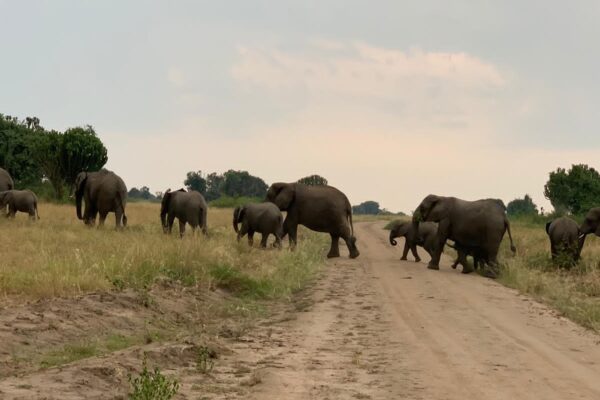
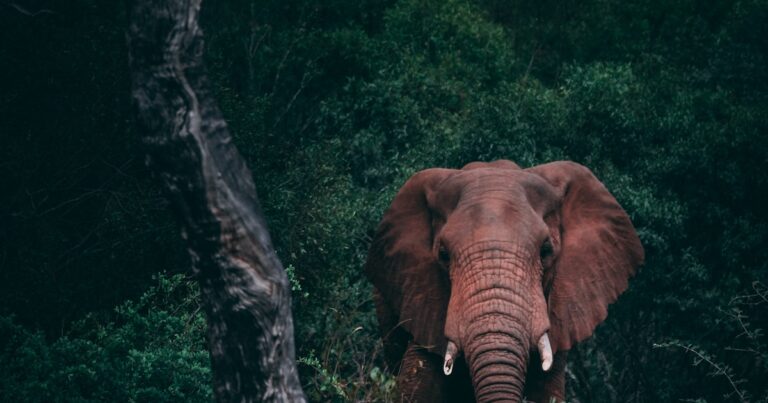
If you only have a long weekend, the 3 Days Mahoma Rwenzori Trekking route (from $850 per person) goes from Mihunga Gate (1,700 m) through montane forest and bamboo to the glacial Lake Mahoma, peaking at 3,459 m. It is rated moderate, with a chance of black-and-white colobus monkeys, the Rwenzori turaco and the three-horned chameleon. The route is elephant country, so listen to your guide.
Trekking gear is not included, so Americans should bring their own broken-in waterproof hiking boots, a rain jacket and rain trousers, warm layers for the cold nights at the higher camps, a warm hat and gloves, a headlamp for the pre-dawn summit start, gaiters for the bogs, trekking poles and a dry bag. Leave your suitcase at your Fort Portal or Kasese hotel and bring only trek essentials.
Start training at least three to four months out. Long hikes with elevation gain, stair climbing and back-to-back training days will serve you better than gym sessions alone. Talk to your doctor about altitude, malaria prevention and routine vaccinations before you travel, and ask your guide to explain the signs of altitude sickness before day one.
Expect simple mountain camps and hot meals prepared by the crew. Days begin early, you are usually in camp by afternoon, and evenings are short because it gets cold and dark quickly. Mobile signal is patchy to non-existent on much of the circuit and there is no mains electricity, so bring a power bank. The trade-off for the basic comfort is solitude: you may see only a handful of other trekkers all week.
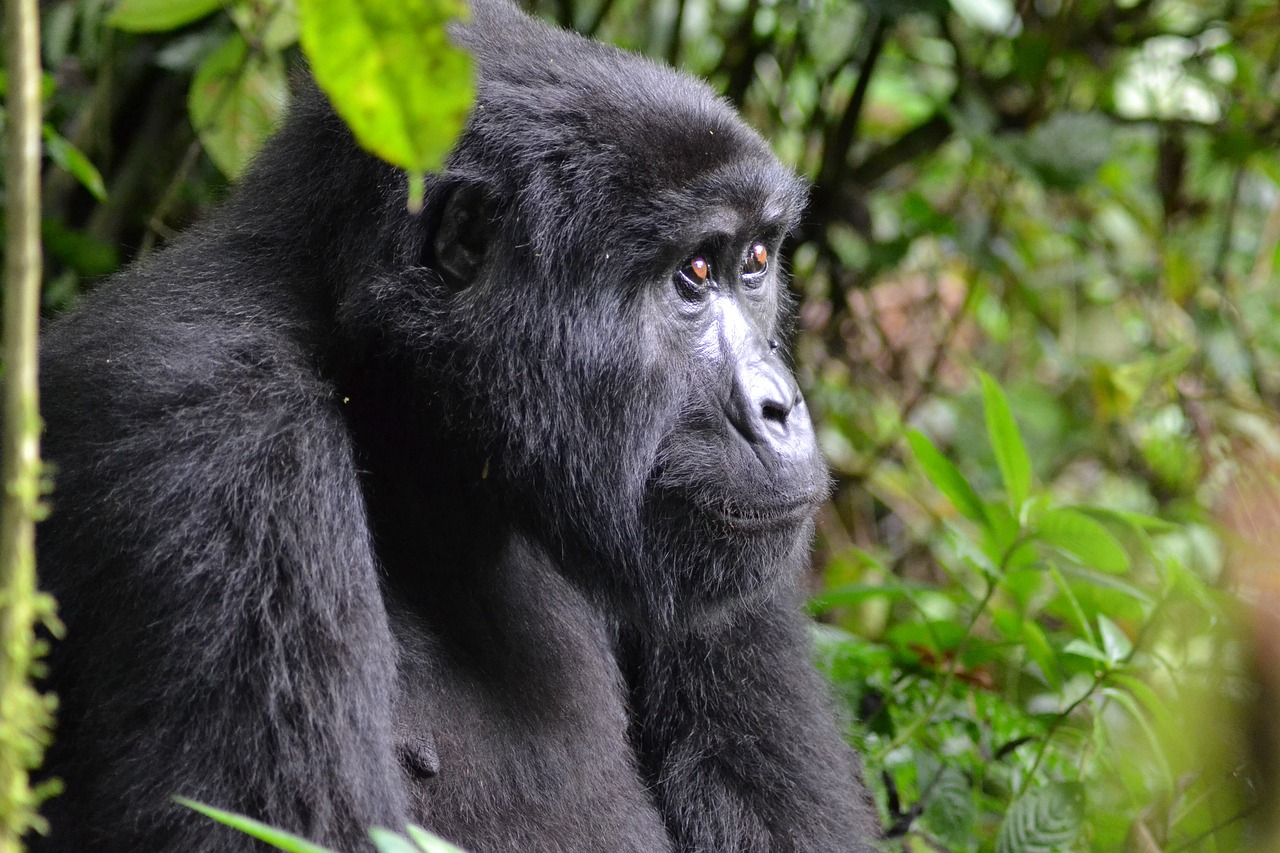
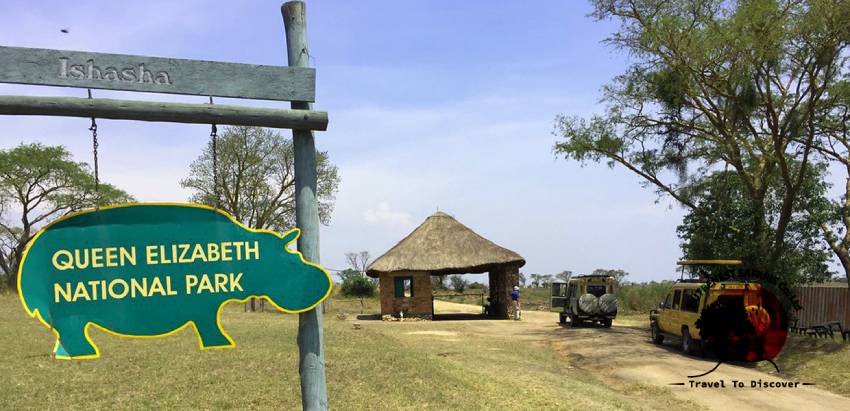
Many travellers combine the mountains with wildlife. A realistic outline: Day 1 arrive Entebbe; Day 2 drive to Fort Portal; Days 3 to 8 Central Circuit trek; Day 9 rest and transfer; Day 10 fly home, or add Queen Elizabeth National Park or Bwindi gorillas for a longer trip. See our Uganda safaris hub for itineraries that can be linked to the trek.
Pros: a genuinely uncrowded high-altitude trek, dramatic changing scenery, and the chance to stand on a 5,000 m peak.
Cons: it is cold, wet and muddy; the summit day involves glacier travel; altitude affects people unpredictably; and mountain views can be hidden by cloud. You need good fitness and sturdy waterproof gear.
Do I need climbing experience? Not formal experience, but you should be fit and comfortable with long days. Crampons and ropes are provided, and guides lead the glacier section.
How fit do I need to be? Plan on months of hill walking with a loaded pack before you go.
Do I need insurance? Yes. Travel and altitude insurance is not included, so check that your policy covers trekking at altitude and evacuation.
Can I add gorillas or safari? Yes, we can build combinations around the trek dates.
Ready to plan your safari? Contact Nature Nest Safaris at book@naturenestsafaris.com or call/WhatsApp +256 777 131 912.
Ready to plan your East African adventure? Browse our curated safari experiences:
Trips that match this guide. Every itinerary can be tailored to your dates and budget, and quotes are free.
Tell us when and how many of you are travelling. A real person replies by email or WhatsApp within 24 hours with a line-by-line quote. No deposit until you are happy with the plan.
Let our expert team craft your perfect safari adventure. Custom itineraries, competitive prices, and unforgettable experiences.
Start Planning Your Safari