 Tourism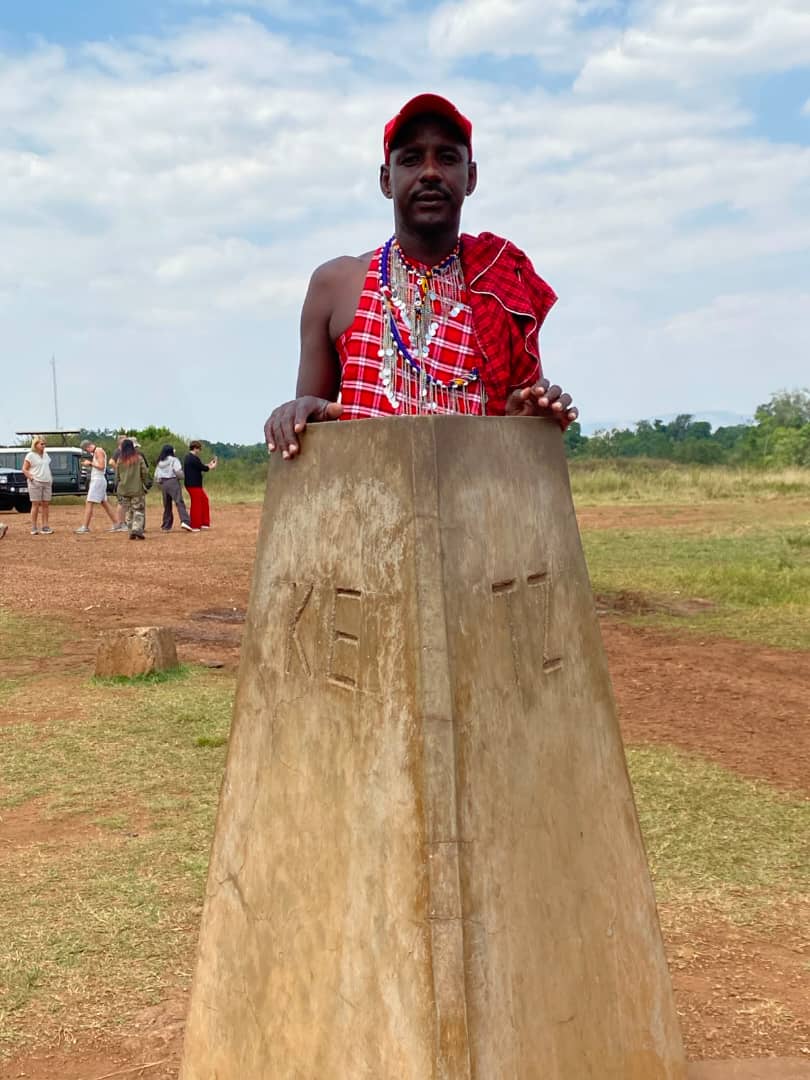
When most people think of an East African safari, they picture lions, elephants, and endless savanna. But some of the most powerful and memorable moments on safari have nothing to do with wildlife at all. They happen when you step out of the vehicle and into the world of the Maasai — one of Africa’s most iconic and resilient indigenous communities.
The Maasai are a semi-nomadic pastoralist people who have inhabited the Great Rift Valley region of Kenya and Tanzania for centuries. They are one of the few African ethnic groups that have maintained their traditional way of life in the face of modernisation, holding on to customs, dress, and social structures that stretch back generations.
Recognisable by their striking red shúkà (cloth wraps), elaborate beadwork, and tall, lean physique, the Maasai are deeply connected to their cattle, which hold cultural, economic, and spiritual significance. A Maasai man’s wealth is measured not in money but in the size of his herd.
The image of the Maasai warrior — or moran — is one of the most powerful symbols of East African culture. Young Maasai men undergo an initiation process that transforms them from boys into warriors, a transition marked by ceremonies, tests of endurance, and the assumption of responsibility for protecting the community and its livestock.
Warriors traditionally carried spears and shields made from buffalo hide, painted with symbolic designs that identified their age group and clan. While the warrior role has evolved in modern times, its cultural significance remains profound. Many Maasai communities are proud to share this heritage with visitors, demonstrating traditional dances, songs, and customs that have been passed down through oral tradition for generations.
A visit to a Maasai boma (village) is a highlight of many safari itineraries. Guests are welcomed with a traditional jumping dance — the adumu — where warriors compete to see who can jump the highest. You’ll be invited into a traditional manyatta (house), built by the women from a framework of branches plastered with cow dung and mud, and learn about daily life, from cattle herding to beadwork and medicine.
These visits are arranged through community-based tourism initiatives that ensure the revenue goes directly to the village. It’s a form of tourism that benefits both visitors and hosts — travellers gain a deeper understanding of East African culture, while the Maasai community receives income that supports education, healthcare, and conservation efforts.
At Nature Nest Safaris, we believe that cultural encounters should be respectful, mutually beneficial, and authentic. We work with Maasai communities who have chosen to welcome visitors on their own terms, sharing what they want to share while maintaining their privacy and dignity. We always ask permission before taking photographs, and we encourage our guests to approach these encounters with curiosity and respect.
Want to experience Maasai culture on your safari?
Contact Nature Nest Safaris:
Ready to plan your East African adventure? Browse our curated safari experiences:
Trips that match this guide. Every itinerary can be tailored to your dates and budget, and quotes are free.
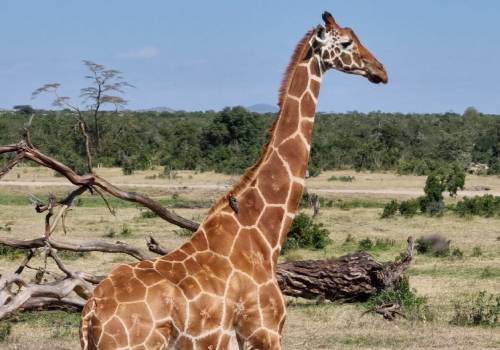 5 days · Kenya5 Days Kenya Wildlife & Cultural SafariFrom
 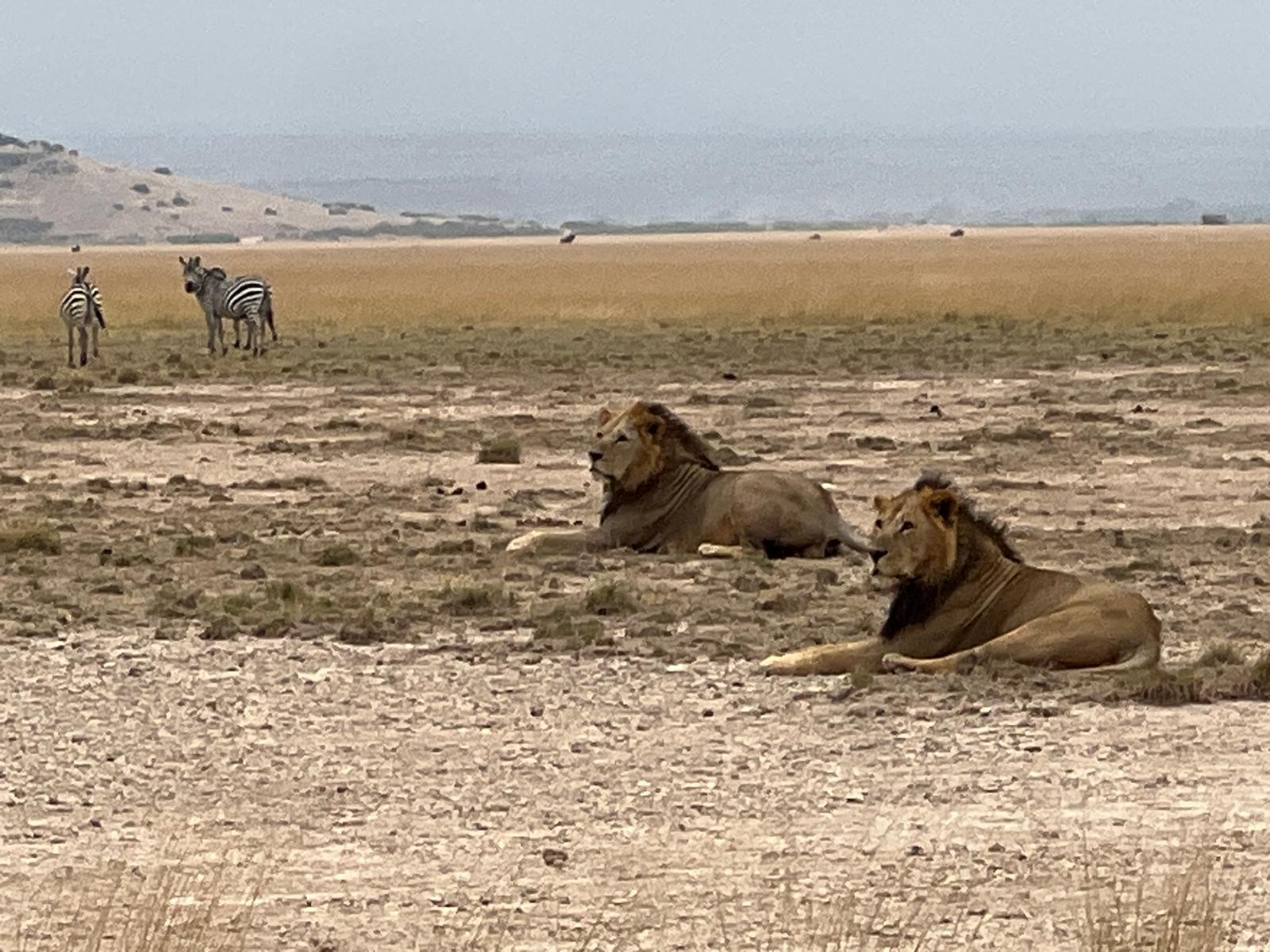 7 days · Kenya7 Day Kenya SafariFrom ,440 pp · View itinerary →
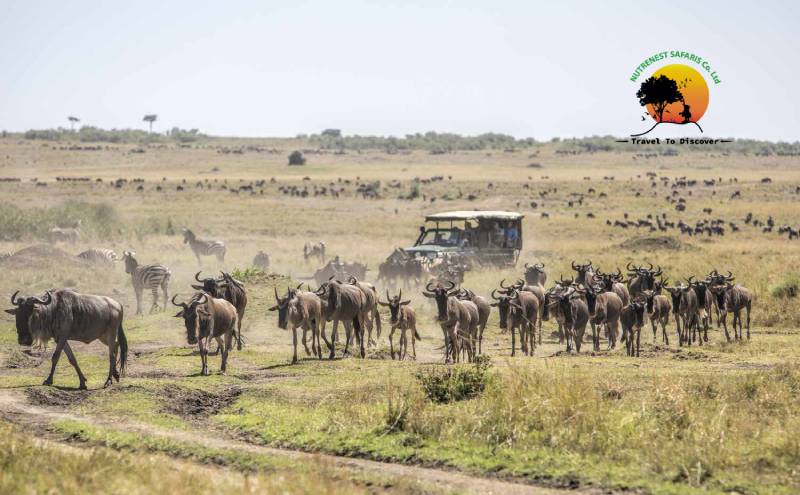 4 days · Kenya4 Days Balloon Safari KenyaFrom ,100 pp · View itinerary →
 Safari PlanningBest Time to Visit East Africa for a Safari: A Month-by-Month Guide for UK & European TravellersRead article →
 TourismKenya Coastal Safari: Malindi, Watamu & Lamu Island Guide for European TravellersRead article →
 TourismBest Time to Visit Bwindi Impenetrable Forest for Gorilla Trekking (2026 Guide)Read article →
Let our expert team craft your perfect safari adventure. Custom itineraries, competitive prices, and unforgettable experiences.
Start Planning Your Safari