 Tourism
It’s the question every first-time safari planner asks: Serengeti or Masai Mara? These two legendary parks share a border, share the Great Migration, and share a reputation as the finest wildlife destinations on Earth. But they offer surprisingly different experiences — and for European travellers weighing up their options, the choice matters more than you might think.
Having guided hundreds of British, Dutch, and German visitors through both parks, we’ve seen what tips the scales. Here’s an honest, side-by-side comparison to help you decide.
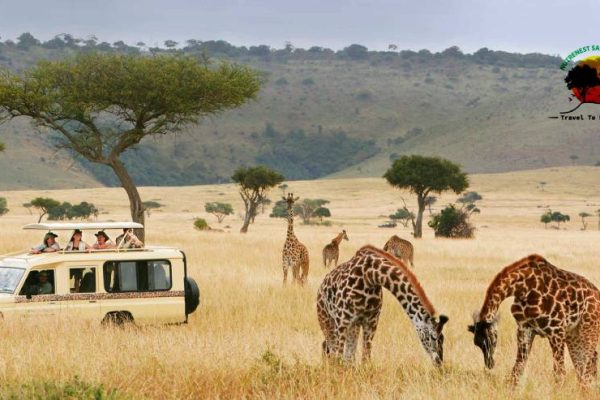
The Serengeti is vast — 14,763 square kilometres of endless plains, kopjes (rocky outcrops), and acacia woodland. It’s roughly the size of Northern Ireland. You can drive for hours and feel like you’re the only people on the continent. The Masai Mara, by contrast, is a compact 1,510 square kilometres — about ten times smaller. What the Mara lacks in size, it makes up for in wildlife density. Animals are concentrated into a smaller area, meaning sightings come thick and fast.
For travellers who want that classic “Out of Africa” sense of infinite space, the Serengeti wins. For those who want guaranteed action on every game drive, the Mara delivers.
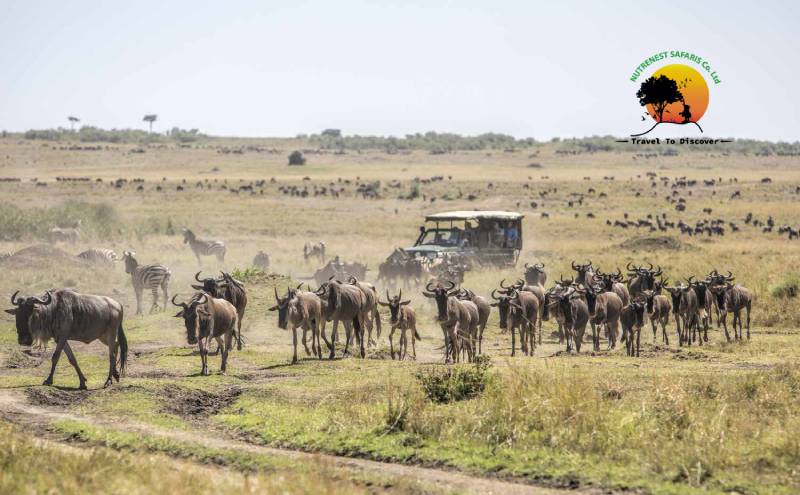
Both parks share the same migration — roughly two million wildebeest, zebra, and gazelle moving in a continuous loop. But timing determines where you should be:
The herds are in the Serengeti from December to July, with calving season on the southern plains (January–March) offering some of the most dramatic wildlife viewing anywhere. The Masai Mara hosts the migration from July to October, including the famous Mara River crossings where thousands of wildebeest plunge into crocodile-infested waters.
European summer holidays (July–August) align perfectly with the Mara crossings, making Kenya the natural choice for families travelling during school breaks.
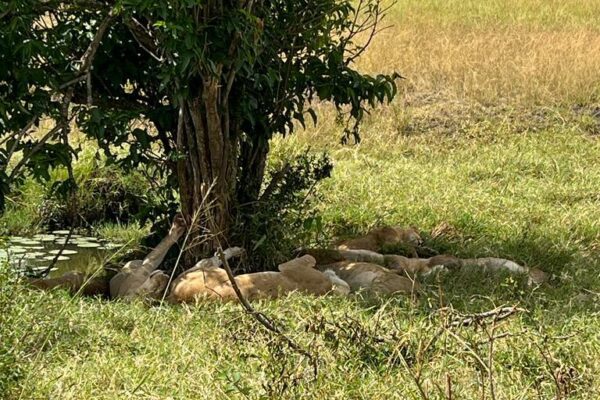
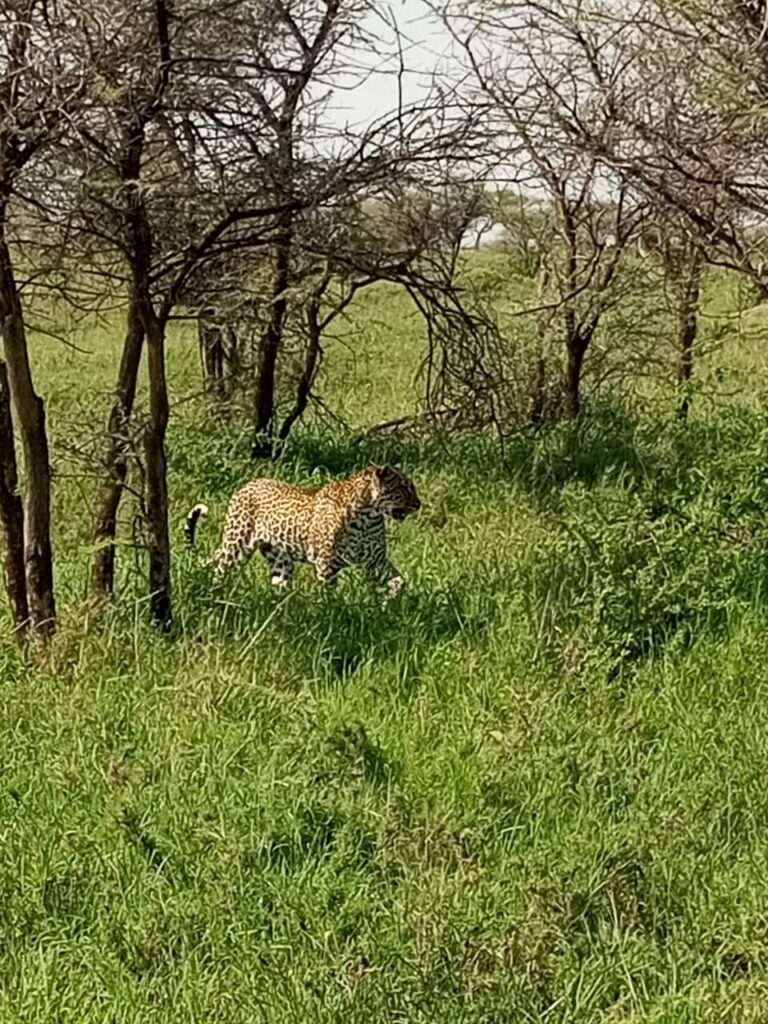
Both parks have the Big Five — lion, leopard, elephant, buffalo, and rhino. The Mara is widely regarded as having the highest lion density in Africa, and leopard sightings are remarkably reliable along the Talek and Mara rivers. The Serengeti counters with massive elephant herds, huge prides in the central Seronera area, and cheetah hunting on the open plains — some of the best cheetah viewing on the continent.
For birders, both parks exceed 500 species. The Mara edges it for raptors; the Serengeti for grassland species.
This is where the two parks diverge significantly:
Serengeti: Park fees are $70 per adult per day (24 hours). A mid-range 4-day safari typically costs £1,800–£2,500 per person from Arusha, depending on accommodation. Budget camping options can bring this down to £1,200.
Masai Mara: Conservancy fees vary from $70–$120 per day, but the main reserve entry is $80. A comparable 4-day Mara safari runs £1,400–£2,200 from Nairobi. Kenya generally offers better value at the mid-range level.
Flights from London are comparable — around £400–£600 return to either Nairobi (Kenya) or Kilimanjaro/Dar es Salaam (Tanzania). Nairobi has slightly more direct flight options from European hubs.
The Masai Mara can get busy, particularly during peak migration season (August–September). Popular crossing points sometimes attract dozens of vehicles. However, the private conservancies bordering the reserve — Olare Motorogi, Naboisho, Mara North — offer exclusive game drives with strict vehicle limits.
The Serengeti, thanks to its enormous size, rarely feels crowded outside of the central Seronera area. The northern Serengeti and western corridor remain wonderfully uncrowded even in peak season. If solitude matters to you, the Serengeti has the edge.
This is where the decision often becomes clear:
Choose Tanzania if you want to combine your safari with Zanzibar’s beaches (a short flight from the Serengeti), Ngorongoro Crater (the world’s largest intact caldera), or a Kilimanjaro trek.
Choose Kenya if you want to add a Mombasa or Diani beach extension, visit Lake Nakuru for flamingos, or combine with Uganda or Rwanda for gorilla trekking — the overland route from Nairobi to Uganda is well-established.
There’s no wrong choice. The Serengeti rewards those who want space, solitude, and variety. The Masai Mara rewards those who want intensity, convenience, and value. Many of our European clients do both across separate trips — and that’s the best answer of all.
At Nature Nest Safaris, we design custom itineraries across both Tanzania and Kenya, tailored to your dates, budget, and interests. Whether you choose the Serengeti’s endless plains or the Mara’s dramatic river crossings, we’ll make sure every moment counts.
Ready to choose your side? Contact Nature Nest Safaris at book@naturenestsafaris.com or call +256 777 131 912 for a personalised quote.
Ready to plan your East African adventure? Browse our curated safari experiences:
Trips that match this guide. Every itinerary can be tailored to your dates and budget, and quotes are free.
 Safari PlanningBest Time to Visit East Africa for a Safari: A Month-by-Month Guide for UK & European TravellersRead article →
 TourismKenya Coastal Safari: Malindi, Watamu & Lamu Island Guide for European TravellersRead article →
 TourismBest Time to Visit Bwindi Impenetrable Forest for Gorilla Trekking (2026 Guide)Read article →
Let our expert team craft your perfect safari adventure. Custom itineraries, competitive prices, and unforgettable experiences.
Start Planning Your Safari