 Uganda Safari
Lake Bunyonyi is where most gorilla-trekking itineraries finally slow down. After days on bumpy roads and muddy forest trails, this calm, hill-ringed lake in south-western Uganda gives you canoes, birdsong and misty mornings instead of schedules. If you are flying in from Frankfurt, Amsterdam, Paris or Brussels and wondering whether a lake stop is worth the time, this guide covers what to do, how long to stay, how to get there and how to fit it around a Bwindi gorilla trek.
Bunyonyi means “place of many little birds”, and the name fits. The lake sits close to Kabale town near the Rwandan border, at roughly 1,900 metres above sea level, and is dotted with around 29 small islands. Steep, terraced hillsides drop straight into the water, so the views look more like a Scandinavian fjord than a classic safari landscape. Locals and lodges describe the water as free of bilharzia, which is why swimming is popular here, but ask your lodge on the day before you jump in. Hippos and crocodiles are not part of the picture, which also makes canoeing relaxed.
For European visitors the climate is a welcome change from the heat of the savannah parks: mornings and evenings are cool, so pack a fleece even in the dry season.
The signature activity. You sit in a traditional dugout canoe with a paddler and glide between the islands, usually for two to three hours. The water is flat in the morning, the light is soft and the bird life is at its busiest. Ask for a morning departure, because afternoon winds can ruffle the surface.
The most talked-about stop on the lake is a tiny, almost bare island where, according to local oral history, unmarried girls who became pregnant were once left. Many were rescued by men who could not afford a bride price. It is a sobering story, and your guide will tell it with context rather than drama. It is also a good moment to talk about how much Bakiga life has changed.
More than 200 bird species have been recorded around the lake. Water birds, kingfishers, herons, cormorants, bee-eaters and sunbirds are common, and keen birders can add forest and papyrus species with a local guide. You do not need to be a specialist, a simple pair of binoculars is enough for a rewarding morning.
Community walks introduce you to Bakiga farming life, banana beer, local healers and school visits, and in some areas to the Batwa people, the forest’s original inhabitants. Choose a visit that is organised with the community and pays them directly, and always ask before photographing people. We can arrange this for you.
Trails climb the ridges around the lake for sweeping views of the terraces and islands. Walks of one to three hours suit most fitness levels, and the sunsets from the ridge are excellent.
Many lodges have jetties, kayaks and hammocks. After a hard gorilla trek this is honestly the best use of an afternoon.
For most travellers, one full day and two nights is the sweet spot: arrive after your gorilla trek, canoe and visit the community the next morning, then depart the following day. If you are a birder, a hiker or you simply need to recover, add a third night. Anything less than a night means you will mostly see the lake from the car.
Most European travellers fly into Entebbe (EBB). As far as we know, KLM flies nonstop from Amsterdam and Brussels Airlines from Brussels, while travellers from Frankfurt or Paris usually connect through a hub such as Addis Ababa, Doha, Istanbul or Amsterdam. Schedules change, so check current options before booking. From Entebbe it is a long road day: Kampala to the Kabale area takes roughly seven to nine hours with stops, including the equator crossing and lunch in Mbarara. Many guests break the journey rather than drive it in one go, or fly a domestic hop to the south-west and finish by road.
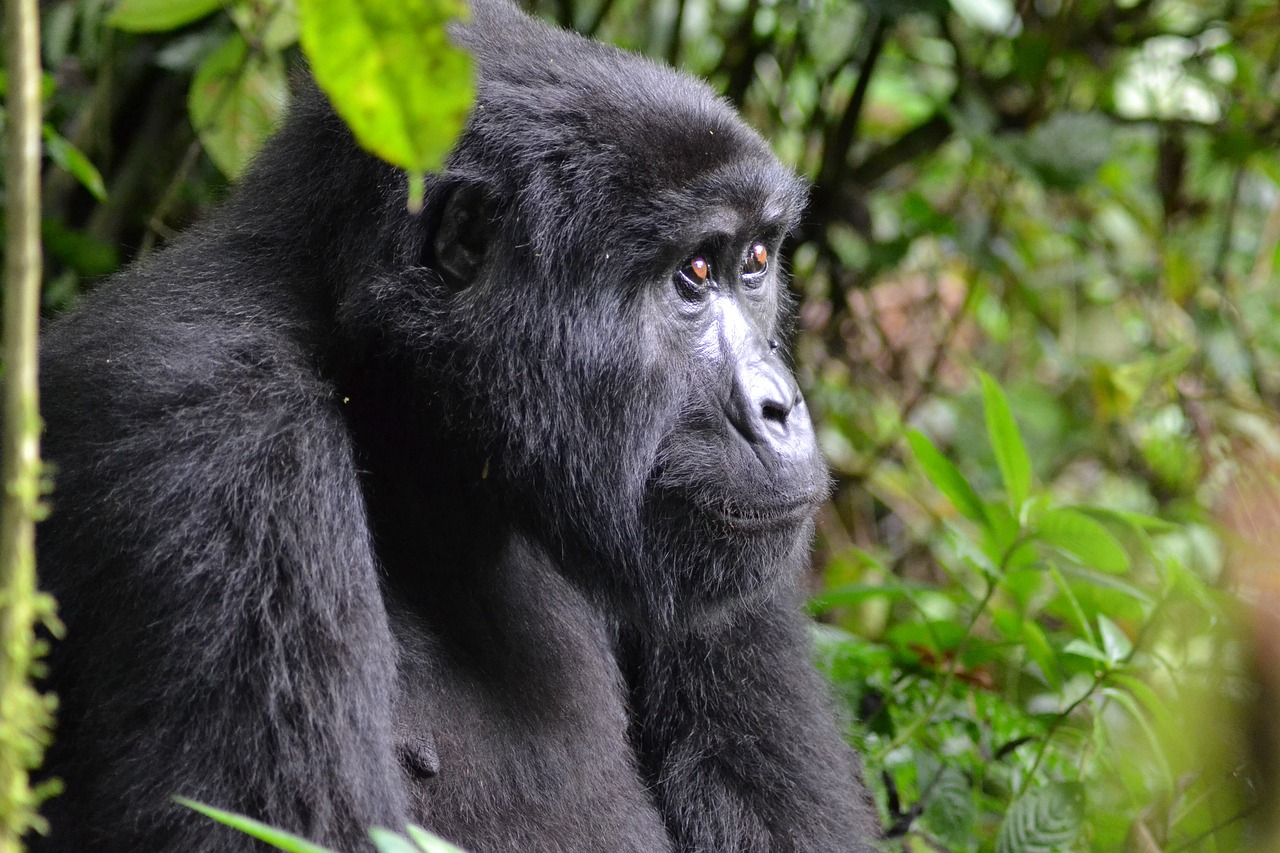
Coming from Bwindi, the lake is a comparatively short drive of about two to three hours depending on the sector you trek in. This is why Bunyonyi is the natural finish for a gorilla trip. Our guide to the Kampala to Bwindi road journey explains the route and stops in detail.
A Uganda gorilla permit costs $800 per person at the time of writing, so the permit is the biggest single cost. The lake itself is one of the cheapest parts of a Uganda trip, which makes it a smart way to add days without adding much to the budget.
The drier months, roughly June to September and December to February, are the easiest for hiking and photography. The rainy seasons, around March to May and October to November, bring green hills, fewer visitors and lower rates, but some trails get slippery. Bunyonyi is pleasant all year because it is a lake stop, not a game drive, so rain rarely ruins more than an afternoon. Our month-by-month Uganda guide has the detail.
Accommodation ranges from simple lakeside bandas and campsites to comfortable lodges on the water and a handful of island retreats with private jetties. Pick a lodge with a jetty, a view across the lake and a dining area you can enjoy in the evening. We choose properties based on guests’ budget, so tell us whether you want rustic, mid-range or comfortable-luxury and we will recommend something suitable and quote in euros.
Pros: cool and calm after the forest; very good value; easy to add to a gorilla trip; excellent for birders, families and older travellers; supports local communities when you book through the right operators.
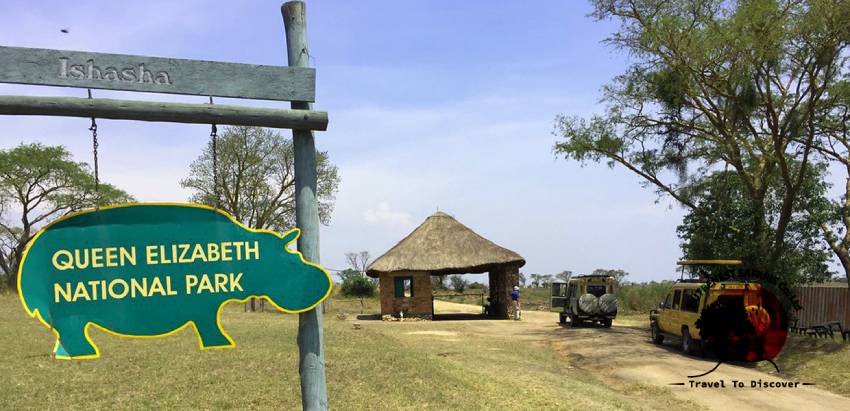
Cons: it is a long way from Entebbe; there are no big-game drives; the evenings can be chilly; and mobile signal and internet can be patchy. If you have only a short week, you may prefer to spend the days on Queen Elizabeth National Park instead.
Bring a warm layer, a light rain jacket, sturdy walking shoes, binoculars, sun protection, insect repellent and a refillable water bottle. A dry bag helps for canoe days. Smaller, soft bags are easier to fit in dugouts and vehicles.
The lake is widely described as free of bilharzia, hippos and crocodiles, and swimming is popular at lodge jetties. Check with your lodge for the best entry point.
Roughly two to three hours by road, depending on which Bwindi sector you trek in and the road conditions.
Yes. A three-day lake trip from Kampala works well for birders, couples and travellers who want a quieter side of Uganda.
Two nights suit most itineraries. Add a third if you want to hike, bird or recover from a trek.
Our Uganda tours already include the lake, so you can see exactly how it fits with gorillas and other parks: compare the 3-day gorilla trekking and Lake Bunyonyi safari with the 4-day double gorilla trekking safari, or browse our gorilla trekking tours and the full range of Uganda safaris. If you are comparing parks, our Bwindi sectors guide will help you decide where to trek.
Ready to plan your safari? Contact Nature Nest Safaris at book@naturenestsafaris.com or call/WhatsApp +256 777 131 912.
Ready to plan your East African adventure? Browse our curated safari experiences:
Trips that match this guide. Every itinerary can be tailored to your dates and budget, and quotes are free.
Tell us when and how many of you are travelling. A real person replies by email or WhatsApp within 24 hours with a line-by-line quote. No deposit until you are happy with the plan.
Let our expert team craft your perfect safari adventure. Custom itineraries, competitive prices, and unforgettable experiences.
Start Planning Your Safari