 Tourism
Mahale Mountains National Park, nestled in western Tanzania, is one of Africa’s most remote and pristine wildlife sanctuaries. As part of exceptional Tanzania safari experiences, this park offers unique wildlife safari opportunities unlike anywhere else in Africa. Established in 1985, the park is renowned for its thriving chimpanzee population and the stunning Mahale Mountains, which line the eastern shore of Lake Tanganyika. This region, rich in history, was once home to the Tongwe people, who maintained vibrant cultural traditions. The park’s unique blend of tropical forests, alpine vegetation, and sandy beaches sets it apart, making it accessible only by foot.
Location and size
Mahale Mountains National Park lies along the eastern shore of Lake Tanganyika, the world’s second-deepest freshwater lake. Covering an area of approximately 1,613 square kilometres (623 square miles), the park’s remote setting means access is limited to boat rides or charter flights. Visitors typically arrive via Kigoma Airport, followed by a scenic boat trip across the lake. This isolation enhances the park’s allure, preserving its unspoiled beauty.
WILDLIFE OF MAHALE MOUNTAINS NATIONAL PARK
Mahale is a biodiversity hotspot, home to a remarkable variety of wildlife due to its diverse ecosystems. While famous for its chimpanzees, the park also hosts a wealth of primates, mammals, birds, and aquatic species.
Chimpanzees
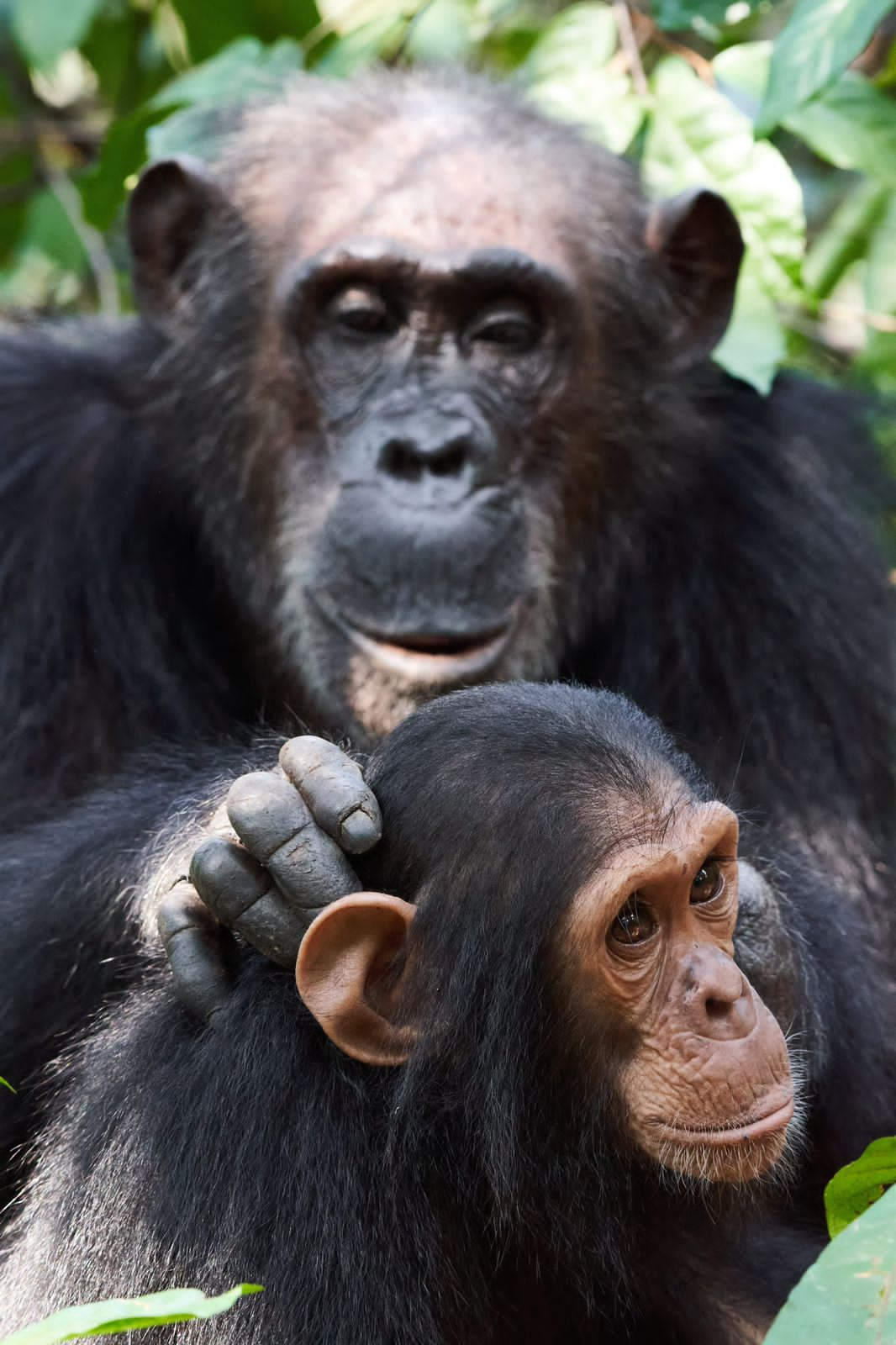
Mahale is best known for its chimpanzees, with an estimated 800 individuals. The habituated “M-group” offers visitors an exceptional opportunity to observe their complex social interactions, including grooming, playing, and communicating.
Experience these remarkable primates through our 10-day Mahale safari packages, specialized kayaking and chimpanzee tracking adventures, or 4-day Mahale wildlife experiences designed for intimate encounters with these fascinating creatures.
Other Primates
The park is home to various other primate species:
Other Mammals
Though not known for large mammals, Mahale supports various species:
Birdlife
A paradise for birdwatchers, Mahale boasts over 350 recorded bird species, making it an excellent destination for specialized birding safaris. Notable birds include:
Aquatic Life
Lake Tanganyika is rich in aquatic life, including:
Insects and Reptiles
The lush environment supports diverse insects and reptiles, including colourful butterflies and lizards.
Diversity of Habitats
The park’s diverse habitats sustain a broad array of wildlife. Each environment offers optimal conditions for various species.
VEGETATION OF MAHALE MOUNTAINS NATIONAL PARK
Mahale’s rich and diverse vegetation reflects its varied topography and climate, supporting its renowned wildlife.
CLIMATE AND WEATHER CONDITIONS
Mahale Mountains National Park experiences a tropical climate, influenced by its proximity to Lake Tanganyika. The two main seasons are:
Mahale’s climate benefits from Lake Tanganyika, maintaining relatively stable temperatures year-round.
BEST TIME TO VISIT MAHALE MOUNTAINS NATIONAL PARK
The best time to visit Mahale Mountains National Park is during the dry season, which runs from June to October. This period offers consistent weather with clear skies, reduced humidity, and cooler temperatures. It is especially advantageous for chimpanzee trekking, as the thinner forest canopy improves visibility, and the dry trails are easier to traverse. Furthermore, wildlife often gathers near water sources, boosting the likelihood of sightings.
Benefits of Visiting During the Dry Season:
Wet Season (November to April)
The wet season, particularly from March to April, brings lush greenery and excellent opportunities for birdwatching. However, the trails can become muddy and challenging to navigate.Those looking for a more tranquil experience with lush vegetation and fewer crowds can enjoy the wet season.
Generally, the period from June to October is highly recommended for visitors eager to explore Mahale’s wildlife, particularly for chimpanzee tracking.
This timing also aligns well with visits to other Tanzania national parks for those planning comprehensive safari adventures.
HOW TO GET TO MAHALE MOUNTAINS NATIONAL PARK
Due to its remote location, Reaching Mahale Mountains National Park, located on the eastern shores of Lake Tanganyika in western Tanzania, can be an adventure. However, the journey offers stunning views of diverse landscapes, lakes, and wildlife.
By Air
Charter Flights: The most convenient option is a charter flight from Dar es Salaam, Arusha, or Kigoma to the Mahale airstrip, which usually takes 3 to 4 hours. Afterwards, a boat transfer across Lake Tanganyika, lasting 1 to 2 hours, will take you to the park.
Key Features Along the Way:
By Road and Boat
For those seeking a more adventurous route, travel by road and then by boat. This option is time-consuming but offers an immersive experience of Tanzania’s remote regions.
Route from Kigoma:
Key Features Along the Way:
By Boat Only
Another option is the MV Liemba ferry, which operates on Lake Tanganyika. Originally built in 1913, this historic vessel travels between Kigoma and several locations along the lake. While slower, it provides a unique view of life along Africa’s Great Lakes. From the drop-off point, a smaller boat can take you to Mahale
Key Features: Historic MV Liemba Ferry: Traveling on one of the world’s oldest operational ferries provides a scenic journey along Lake Tanganyika’s shores.
Summary of the Journey
While the journey to Mahale Mountains National Park may require effort, the combination of lake views, mountain scenery, and unique cultural encounters makes it a rewarding adventure.
KEY ACTIVITIES AND ATTRACTIONS AT MAHALE MOUNTAINS NATIONAL PARK
Mahale Mountains National Park is celebrated for its remote beauty, diverse wildlife, and pristine landscapes along the shores of Lake Tanganyika. The park offers a range of exciting activities, with chimpanzee trekking as its primary attraction. Here are the key activities that make Mahale a must-visit destination:
Chimpanzee Trekking
Home to one of Africa’s largest wild chimpanzee populations, with around 800 individuals, Mahale is a premier location for observing these fascinating primates. Chimpanzee Trekking typically lasts a few hours as you navigate deep into the forest to locate chimpanzee families. For the most comprehensive Mahale experiences, join our extended safari packages that combine chimpanzee trekking with other unique activities. Once found, you can observe their social behaviours for up to an hour, including playing, grooming, and foraging.
The dry season (June to October) is optimal for trekking, as chimpanzees stay at lower altitudes, making them easier to find.
Hiking the Mahale Mountains
The park’s mountainous terrain offers challenging hikes, particularly to Mount Nkungwe, which rises to 2,462 meters (8,077 feet). The ascent takes 2 to 3 days and traverses diverse ecosystems, including dense forests and bamboo groves. The summit provides breathtaking views of Lake Tanganyika and the surrounding area.
Several shorter nature trails allow visitors to explore different habitats within the park.
Mahale is a birdwatcher’s paradise, boasting over 350 species, including forest, savanna, and aquatic birds.Notable species include the African fish eagle, Pel’s fishing owl, and various colourful kingfishers and sunbirds, supported by the park’s diverse habitats.
Kayaking and Canoeing on Lake Tanganyika
The world’s second-deepest lake features crystal-clear waters, perfect for kayaking and canoeing.
Paddling along the shoreline allows for exploration of the scenic coastline and opportunities to spot wildlife, such as hippos and crocodiles. Lake Tanganyika is home to over 250 species of colourful cichlid fish, making it an ideal spot for snorkelling.
Boat Safaris and Fishing on Lake Tanganyika
Experience the lake from a unique perspective with a boat safari while enjoying excellent fishing opportunities.A peaceful boat ride along the shoreline reveals stunning landscapes and wildlife, while fishing enthusiasts can try for Nile perch, catfish, or Tanganyika cichlids.
Cultural Visits to Local Villages
Surrounding communities, including the Tongwe people, offer rich cultural insights.Visitors can learn about traditional fishing methods, farming techniques, and spiritual practices, fostering appreciation for the region’s human history.
Swimming in Lake Tanganyika
The lake’s crystal-clear waters provide a refreshing swimming experience after trekking.Many lodges offer private swimming beaches, ensuring a clean and serene environment.
Sundowner Cruises on Lake Tanganyika
End your day with a relaxing sundowner cruise, featuring spectacular sunsets over the lake and mountains.Evening boat cruises offered by various lodges provide a tranquil experience as the sun sets behind the Mahale Mountains.
Exploring Remote and Pristine Beaches
The shoreline features beautiful, secluded beaches ideal for relaxation and exploration.These remote beaches provide a peaceful atmosphere for leisurely walks, swimming, or simply soaking up the sun.
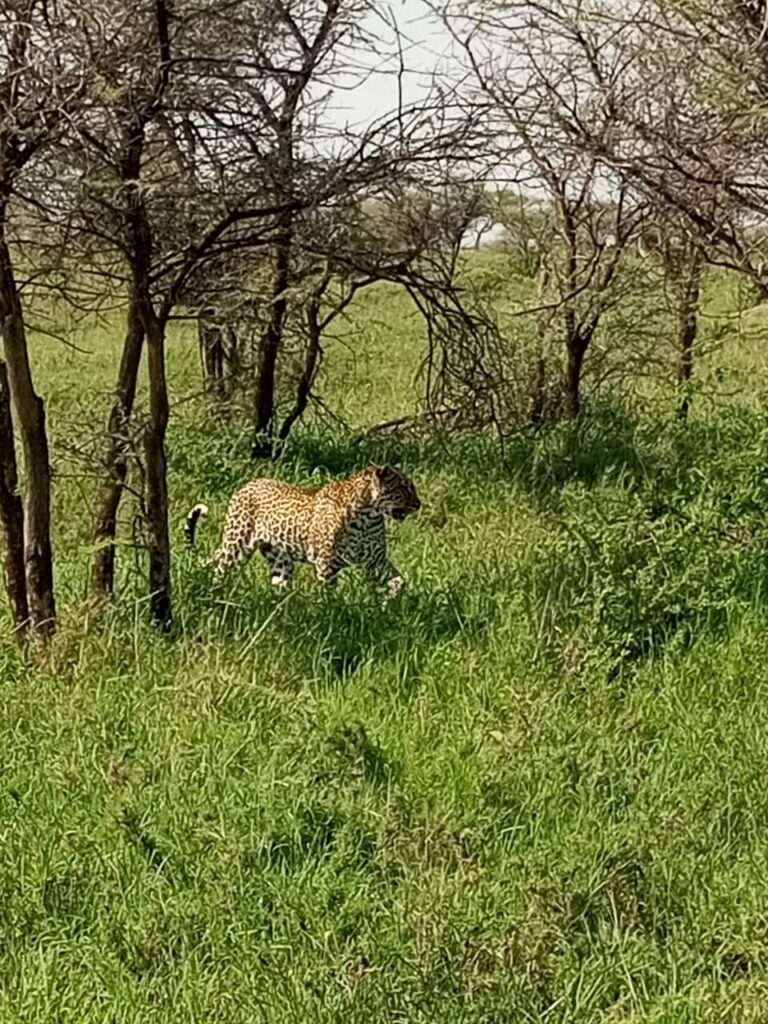
In addition to chimpanzees, the park is home to red colobus monkeys, blue monkeys, and bushpigs. Although sightings of larger animals are uncommon, visitors may occasionally encounter leopards, buffalo, warthogs, and various reptiles and insects.
In conclusion, The Mahale Mountains National Park combines wildlife, adventure, and natural beauty, making it an extraordinary destination for those seeking unique experiences. From chimpanzee trekking to relaxing on the shores of Lake Tanganyika, the park offers diverse activities for nature lovers and cultural enthusiasts alike.
ATTRACTIONS NEAR MAHALE MOUNTAINS NATIONAL PARK
In addition to the park’s offerings, nearby attractions enhance your experience in western Tanzania:
Lake Tanganyika
Lake Tanganyika, the longest freshwater lake and second-deepest, boasts clear waters and stunning beaches that provide opportunities for snorkelling, fishing, and swimming. You can explore the lake by boat, soaking in its scenic beauty and encountering unique fish species, including a wide array of colourful cichlids.
Gombe Stream National Park
Nestled in northern Mahale, Gombe National Park is celebrated for its wild chimpanzees, thanks to the pioneering research of Dr. Jane Goodall. Learn about the best time to visit Gombe for optimal chimpanzee viewing experiences. The area provides opportunities for chimpanzee trekking and offers insights into ongoing behavioural studies. Although smaller than Mahale, Gombe allows for intimate encounters with chimpanzees.
Kigoma Town
Kigoma serves as the gateway to Mahale, offering historical and cultural experiences.This historic town was an important trading post during the German colonial period and is home to the MV Liemba, one of the oldest operational passenger ferries in the world.
Ujiji Town
Just a few kilometres from Kigoma, Ujiji is famous for Dr. Livingstone’s meeting with journalist Henry Morton Stanley in 1871.Visitors can explore a museum dedicated to Livingstone and gain insights into the region’s Swahili culture and colonial history.
Katavi National Park
East of Mahale, Katavi National Park is one of Tanzania’s most remote parks, known for its large populations of elephants, buffalo, and hippos. Combine both destinations with our 5-day Katavi and Mahale safari for the ultimate western Tanzania experience. Ideal for extending your safari experience, Katavi offers large concentrations of wildlife, with the dry season (June to October) being the best time for viewing.
Lukuga River
Flowing from Lake Tanganyika, the Lukuga River is essential in the lake’s drainage system.While not a primary tourist destination, it offers scenic beauty and exploration opportunities within Tanzania’s hydrological systems.
Kalambo Falls (Zambia Border)
One of Africa’s highest waterfalls, Kalambo Falls boasts a drop of about 221 meters (725 feet) and is found on the Zambia-Tanzania border.The falls can be visited as part of an extended trip, providing stunning natural features and significant archaeological value.
Kasanga (Bismarck) Bay
This picturesque bay on the southern shore of Lake Tanganyika offers cultural experiences and exploration opportunities. Historically significant, Kasanga Bay provides quiet beaches and access to nearby fishing villages.
In conclusion, The Mahale Mountains National Park is a prime destination, with nearby attractions like Lake Tanganyika and Gombe Stream National Park enriching your journey through western Tanzania. Visitors can enjoy wildlife safaris, historical explorations, and cultural immersion in this diverse region.
ACCOMMODATION OPTIONS
Mahale Mountains National Park features a variety of accommodation choices set against the stunning backdrop of Lake Tanganyika.
Overall, Mahale Mountains National Park presents a range of accommodation options, from luxurious lodges to budget-friendly camps, all with access to the park’s incredible wildlife and natural beauty.
WHY YOU SHOULD VISIT
Mahale Mountains National Park is a must-visit destination for several compelling reasons:
Firstly, it is known for its unique population of wild chimpanzees, offering visitors rare opportunities for unforgettable trekking experiences in their natural habitat. The park’s stunning landscape, with lush rainforests and panoramic views of Lake Tanganyika, creates a picturesque setting for adventure and relaxation.
In addition to chimpanzee tracking, the park provides excellent birdwatching opportunities, hiking trails, and various water activities, including kayaking and snorkelling. Whether you’re an adventure seeker, nature lover, or cultural enthusiast, Mahale offers a diverse range of activities that promise a memorable experience as part of broader African safari adventures and Tanzania safari experiences.
Ready to plan your East African adventure? Browse our curated safari experiences:
Trips that match this guide. Every itinerary can be tailored to your dates and budget, and quotes are free.
 Safari PlanningBest Time to Visit East Africa for a Safari: A Month-by-Month Guide for UK & European TravellersRead article →
 TourismKenya Coastal Safari: Malindi, Watamu & Lamu Island Guide for European TravellersRead article →
 TourismBest Time to Visit Bwindi Impenetrable Forest for Gorilla Trekking (2026 Guide)Read article →
Let our expert team craft your perfect safari adventure. Custom itineraries, competitive prices, and unforgettable experiences.
Start Planning Your Safari