 Tanzania Safaris
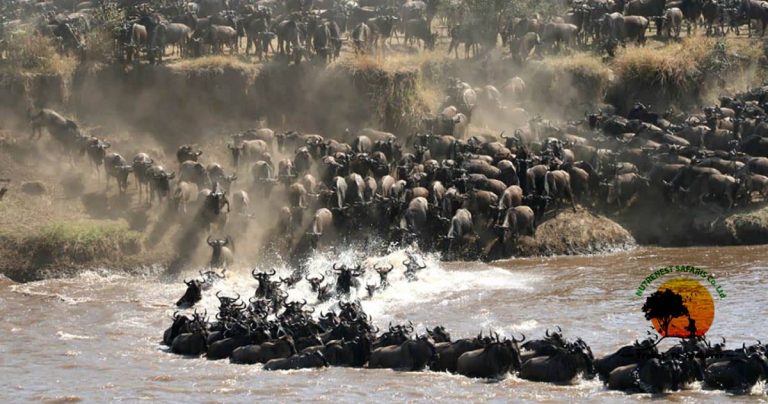
Imagine a vast sea of wildlife sweeping across golden plains, the earth vibrating beneath pounding hooves. This is the magic of a Tanzania Wildebeest Migration Safari — one of the world’s most spectacular wildlife shows.
With the right timing and a well-planned itinerary, your Tanzania Wildlife Safari becomes an unforgettable adventure. Let’s explore when to go and how to make the most of it.
 Best Months for the Tanzania Wildebeest Migration Safari
The migration of wildebeest, zebra and other ungulates across the Serengeti National Park plains unfolds in stages. If you book a Tanzania Safaris Packages that target this phenomenon, choose your months carefully for the best sightings.
• June–July: Rivers crossing in the northern Serengeti — dramatic scenes of herds braving crocodile-filled waters.
• August–October: Plains in northern Serengeti and then the Mara region (for cross-border trips) offer huge herds and predator activity.
• December–March: Calving season in southern Serengeti; thousands of newborns attract predators and make for intense wildlife moments.
Planning your trip with this timing in mind will raise your chances of experiencing “the moment”.
When you sign up for the right Tanzania Safaris Packages, you’ll visit key wilderness areas:
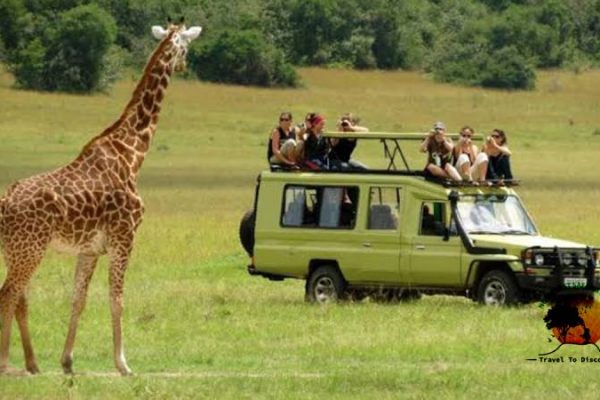
• Game-drives in open vehicles, guided by local experts.
• Morning and afternoon outings to catch the best light and animal behaviour.
• Accommodation in well-placed lodges or tented camps for easy access to the migration zones.
• Transfers and logistics arranged so you follow the movement of the herds.
With a skilled operator like Nature Nest Safaris you can expect a smooth experience: the right parks, the right guides and the right timing.
• Serengeti National Park – the heart of the migration. Vast grasslands, dramatic predator action and high herd density.
• Ngorongoro Crater – a compact wilderness area where wildlife concentrates, great for spotting species that might otherwise hide.
• Tarangire National Park – less crowded, strong elephant presence and excellent birdlife. A good addition to broader safari packages.
• Bring a decent zoom lens (or rental) for capturing distant wildlife and river crossings.
• Choose a package length that gives flexibility. A 7-day trip is good, but a 10-day or longer Tanzania Wildlife Safari gives buffer days for weather or movement of the herds.
• Confirm what your package covers: park fees, internal transfers, accommodation standards. Some packages quote ‘wildlife safari’ but leave key costs out.
• Be ready for early mornings and variable terrain. The best wildlife moments often happen just after dawn or around dusk.
• Respect local guides and wildlife rules. Staying quiet, following instructions and giving animals space will make your experience richer.
At Nature Nest Safaris you’ll find thoughtfully designed Tanzania Safaris Packages geared for the migration and other key wildlife experiences. Their guides understand the region’s rhythms. Partner with them, pick the right season and you’ll be positioned well for the spectacle.
Ready to plan your East African adventure? Browse our curated safari experiences:
Trips that match this guide. Every itinerary can be tailored to your dates and budget, and quotes are free.
 Tanzania SafarisTanzania Public Campsite Safari: 8-Day Route & Park FeesRead article →
 Kenya Safari TourSerengeti vs Masai Mara: Which Great Migration Safari Is Right for UK Travellers in 2026?Read article →
 Safari PlanningNgorongoro Crater Safari 2026: The Complete Guide for UK and European TravellersRead article →
Tell us when and how many of you are travelling. A real person replies by email or WhatsApp within 24 hours with a line-by-line quote. No deposit until you are happy with the plan.
Let our expert team craft your perfect safari adventure. Custom itineraries, competitive prices, and unforgettable experiences.
Start Planning Your Safari