 Rwanda Gorilla Safari
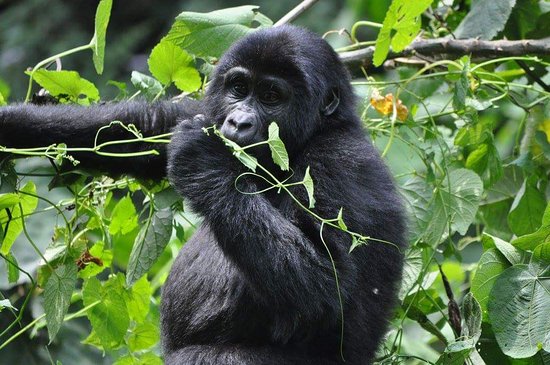
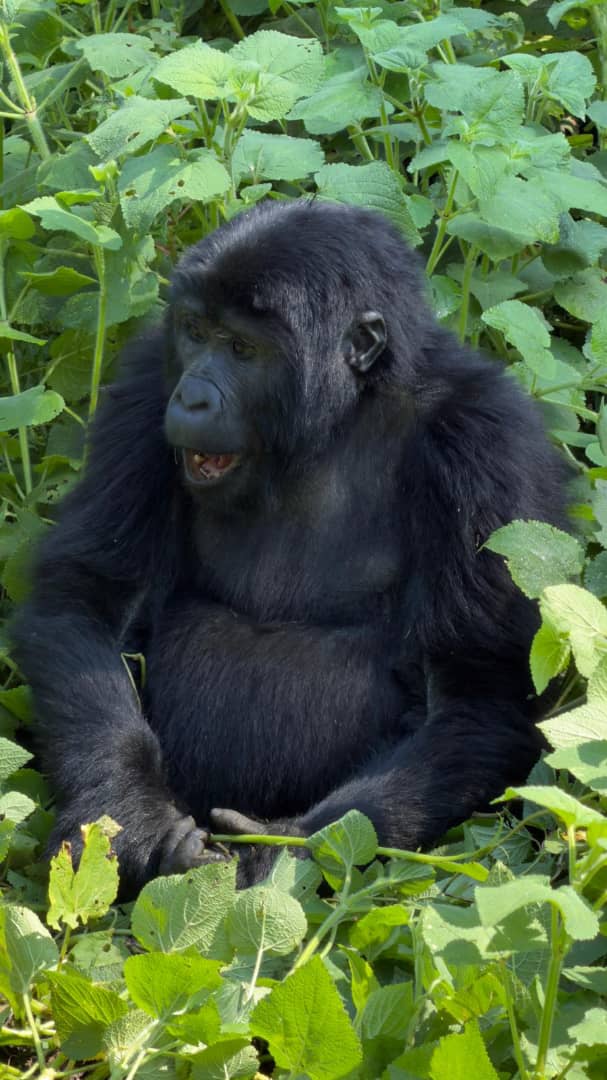
Most European travellers arrive in Rwanda with one thing on the itinerary: gorillas. They fly London to Kigali overnight, drive north to Volcanoes National Park, spend an extraordinary hour with a habituated family, and fly home. It is a wonderful trip. It is also, increasingly, only half of what Rwanda has to offer — because two and a half hours east of Kigali sits Akagera National Park, one of the most remarkable conservation turnarounds in Africa.
Akagera’s recent history is genuinely dramatic. In the years following 1994 the park lost most of its large wildlife and roughly two-thirds of its land to resettlement. Lions disappeared entirely. By the early 2000s it was a park in name only.
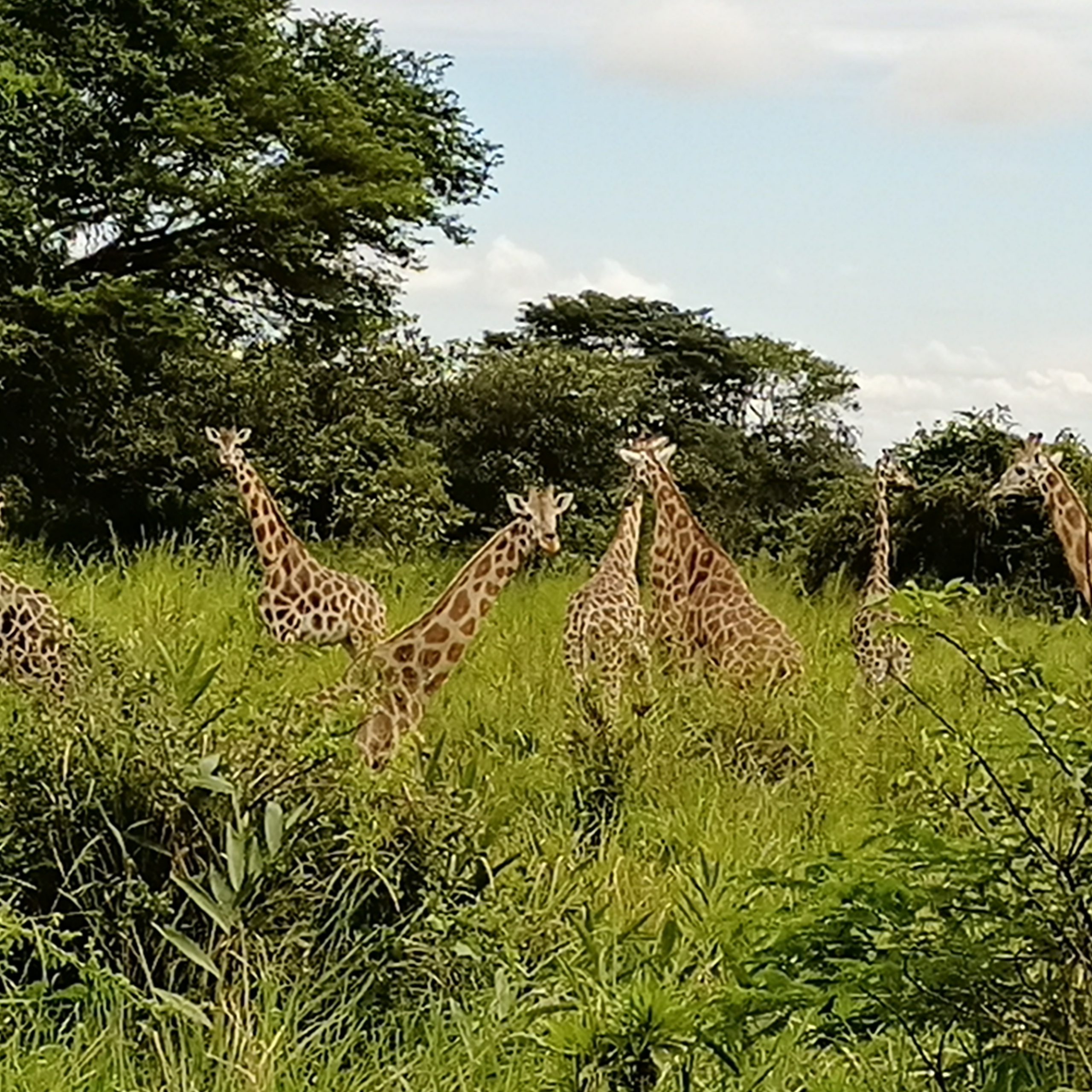
That changed with a management partnership between the Rwanda Development Board and African Parks in 2010. A perimeter fence went up along the western boundary, anti-poaching units were professionalised, and the reintroductions began: lions in 2015, eastern black rhino in 2017, and additional white rhino since. Today Akagera holds all of the Big Five across roughly 1,100 square kilometres of rolling savannah, papyrus swamp and a chain of lakes along the Tanzanian border.
For British and European visitors, that matters practically. It means you no longer need to add a second country to a Rwanda trip to see classic savannah game. Kigali to Akagera is a straightforward tarmac and gravel drive — no internal flight, no border crossing, no extra visa.
Set expectations honestly: Akagera is not the Serengeti or the Masai Mara. Densities are lower and sightings take more patience. What you get instead is space and quiet. On a morning drive in the southern sector you may not pass another vehicle for two hours — an experience that has become rare in the famous parks.
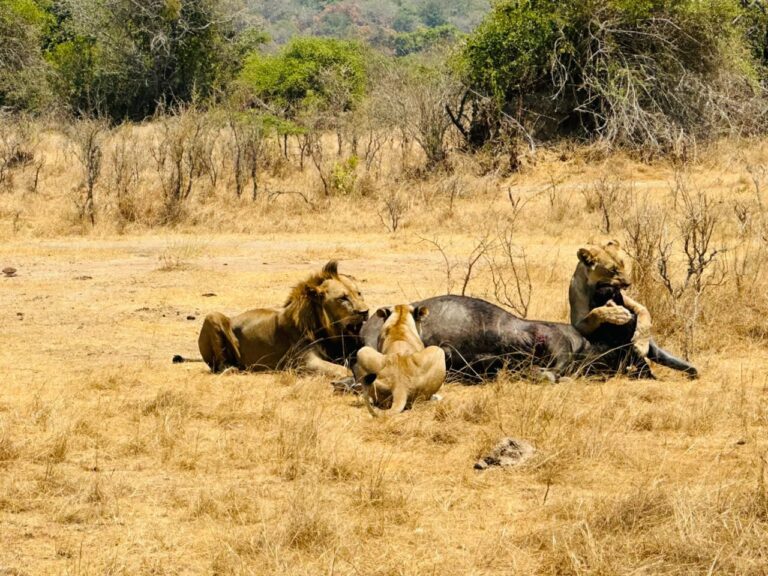
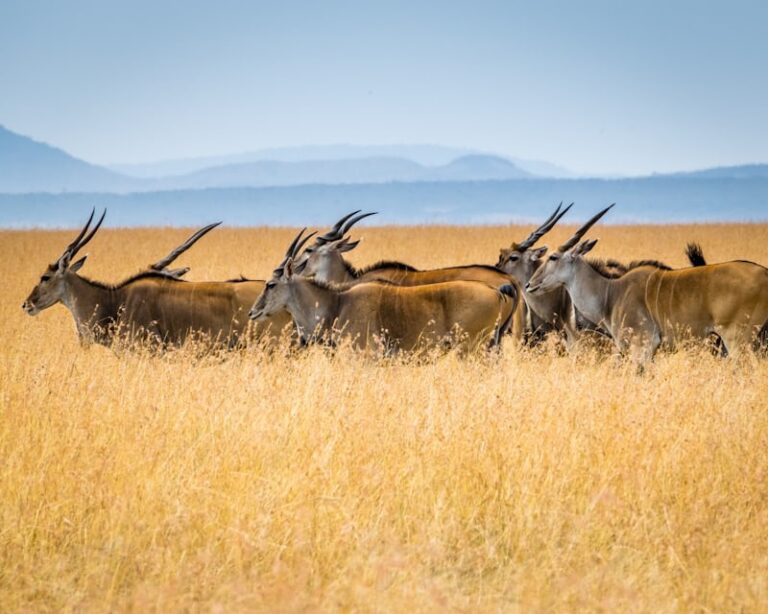
The northern plains around Mutumba Hills are the best area for lion and for large herds of buffalo, topi, zebra and eland. Elephants move through the lake system in the south. Leopards are present but shy. Rhino tracking is possible with the park’s dedicated team, though sightings are never guaranteed.
The real signature experience is the boat safari on Lake Ihema. An hour and a half among hippo pods, enormous Nile crocodiles and shoebill-adjacent birdlife gives you a completely different rhythm from a game drive. Akagera’s bird list runs past 480 species, including papyrus gonolek and the sought-after shoebill in the swamp margins — a strong draw if you have already caught the birding bug elsewhere in East Africa.
Park entry for international visitors sits around US$100 per person per day, with the boat trip roughly US$40 and rhino or lion tracking charged separately. In sterling terms, budget roughly £80–£95 per person per day for park fees alone, plus vehicle and guide.
Accommodation spans a wide range. Camping and the simpler rest camps start well under £50 per person; the mid-range Ruzizi Tented Lodge on the lakeshore is the sweet spot for most European visitors; Magashi Camp at the luxury end runs into four figures per night. Two nights is the practical minimum — one full day of driving plus a boat morning.
Flights from London, Brussels and Amsterdam to Kigali run daily or near-daily, typically overnight, and Rwanda’s visa is straightforward for most European passport holders. Kigali International Airport is modern, efficient and refreshingly quick to clear.
The natural Rwanda itinerary is seven to eight days: arrive Kigali, drive north for two nights and a gorilla trek in Volcanoes National Park, return via Kigali for the genocide memorial, then east to Akagera for two nights of savannah and a lake morning. Some travellers add Nyungwe Forest for chimpanzees and the canopy walkway, which pushes the trip to ten or eleven days.
June to September and December to February — the drier months — give the easiest road conditions and the best concentrations around water. The green season from March to May brings lower rates, dramatic skies and superb photography, at the cost of some muddy tracks.
If you want sheer volume of wildlife, the Mara and Serengeti will always win. But if you want a compact, low-hassle trip that combines the single most moving wildlife encounter on earth with a genuinely uncrowded Big Five park — and a conservation story you can see working in front of you — Akagera earns its place.
Ready to plan your safari? Contact Nature Nest Safaris at book@naturenestsafaris.com or call +256 777 131 912
Ready to plan your East African adventure? Browse our curated safari experiences:
Trips that match this guide. Every itinerary can be tailored to your dates and budget, and quotes are free.
 Rwanda Gorilla SafariNyungwe Forest National Park 2026: Rwanda’s Canopy Walk, Chimps and 13 Primate Species — A Guide for UK and European TravellersRead article →
 Rwanda Gorilla SafariAkagera Safari From the UK 2026: Costs, Flights & Pairing It With Gorilla TrekkingRead article →
 Gorilla TrackingUganda vs Rwanda Gorilla Trekking: Which One Should You Choose?Read article →
Let our expert team craft your perfect safari adventure. Custom itineraries, competitive prices, and unforgettable experiences.
Start Planning Your Safari