 Tourism
Every year, over 1.5 million wildebeest, accompanied by hundreds of thousands of zebras and gazelles, undertake a circular journey across the Serengeti-Mara ecosystem in search of fresh grazing and water. This annual movement — the Great Wildebeest Migration — is widely regarded as the most spectacular wildlife event on the planet, and July through October 2026 is the prime window to witness it.
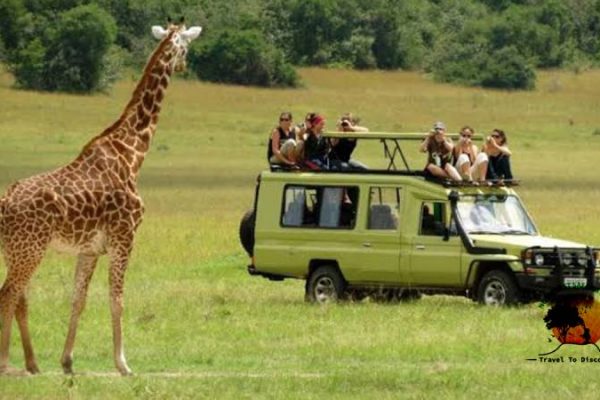
The migration covers roughly 3,000 kilometres through Tanzania’s Serengeti National Park and Kenya’s Masai Mara National Reserve. What makes it extraordinary isn’t just the sheer number of animals — it’s the drama that unfolds along the way: river crossings where crocodiles lie in wait, predator-prey chases across open plains, and the constant rumble of hooves that you can feel through the ground beneath your safari vehicle.
The migration is a year-round event, but different months offer different experiences depending on where the herds are. Here’s a month-by-month breakdown to help you plan your 2026 safari:
January to March — Calving Season in Southern Serengeti: The herds gather on the short-grass plains of the southern Serengeti and Ndutu area. Around 8,000 calves are born daily during February, attracting predators in extraordinary concentrations. This is one of the best times for wildlife photography and seeing raw predator-prey interaction.
April to May — The Long Rains and Northward Movement: As the rains arrive, the herds begin their trek northward through the central Serengeti. This is considered low season, meaning fewer tourists and lower prices — excellent value for budget-conscious travellers.
June to July — Western Corridor and Grumeti River Crossings: The migration reaches the western Serengeti, where the herds must cross the Grumeti River. Massive Nile crocodiles patrol these waters, creating dramatic crossing scenes. By late July, the leading columns reach the northern Serengeti.
August to October — The Mara River Crossings (Peak Season): This is the most famous phase. The herds cross from the northern Serengeti into Kenya’s Masai Mara, fording the treacherous Mara River. These crossings are unpredictable, chaotic, and utterly mesmerising. August and September are considered the absolute peak months for migration viewing.
November to December — Return South: After the short rains begin in East Africa, the herds turn south again, heading back towards the Serengeti’s nutrient-rich plains to complete the cycle.
Both Tanzania’s Serengeti and Kenya’s Masai Mara offer world-class migration experiences, but each has distinct advantages.
Serengeti National Park, Tanzania: The Serengeti covers 14,750 square kilometres and hosts the migration for roughly 9 months of the year. You can witness calving season, the Grumeti crossings, and the beginning of the Mara River crossings from the Tanzanian side. The park’s vast size means fewer vehicles per sighting, and Tanzania’s strict park regulations limit the number of vehicles allowed at any one crossing point.
Masai Mara National Reserve, Kenya: The Mara is smaller (1,510 square kilometres) but incredibly game-dense. From July to October, the concentration of wildlife here is staggering. The Mara also offers hot air balloon safaris over the migration — an experience that regularly features on global travel bucket lists. The Mara’s open grasslands make for excellent visibility and photography.
For the best of both worlds, consider a combined Kenya-Tanzania migration safari that follows the herds across the border.
A migration safari is unlike any other African wildlife experience. Here’s what a typical day looks like:
Early Morning Game Drive (6:00 AM): You’ll set out at dawn when predators are most active. The golden light of sunrise over the savannah, combined with the sounds of waking wildlife, is something that stays with you forever. Your guide will position the vehicle near known crossing points or follow the herds across the plains.
Midday Rest: Most safari lodges and camps offer a relaxed midday period. Some luxury tented camps are positioned directly along migration routes, so you can watch the herds from your veranda while enjoying lunch.
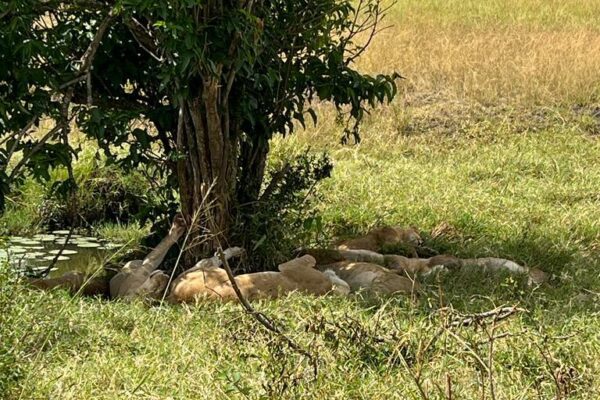
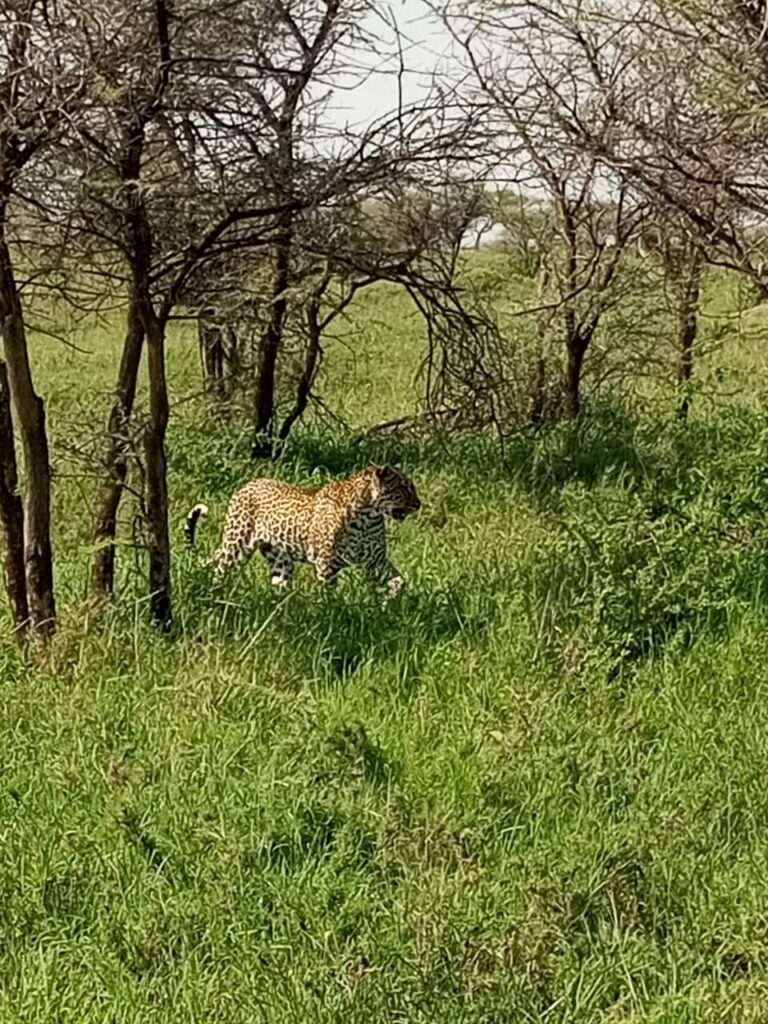
Afternoon Game Drive (3:30 PM): The afternoon drive often focuses on predator activity. Lions, cheetahs, leopards, and hyenas all follow the migration herds, and the late afternoon is when many hunts take place. Sundowner drinks on the plains as the light turns golden is a classic safari tradition.
Night Sounds: In tented camps along the migration route, you’ll fall asleep to the sound of wildebeest grunting and moving past your tent. It’s both thrilling and humbling.
Migration safari costs vary widely depending on accommodation style, duration, and whether you’re visiting during peak or shoulder season:
Budget (from $150–250 per person per day): Basic camping safaris with shared facilities. You’ll still see the migration, but accommodation is simpler. A 4-day budget migration safari starts from around $800 per person.
Mid-Range (from $300–500 per person per day): Comfortable lodges or semi-luxury tented camps with en-suite bathrooms, good food, and experienced guides. A 7-day mid-range safari typically costs $2,500–$4,000 per person.
Luxury (from $600–1,500+ per person per day): Premium mobile camps that follow the migration, private vehicles, gourmet dining, and exclusive locations. A 7-day luxury migration safari can cost $5,000–$12,000+ per person.
All Nature Nest Safaris migration packages include park fees, accommodation, meals, transport, and an experienced English-speaking guide.
Book Early: Peak migration season (July–October) is the busiest time for East African safaris. The best camps and lodges book out 6–12 months in advance, especially in the Masai Mara. If you’re planning a 2026 migration safari, now is the time to secure your spot.
Choose the Right Duration: While a 3-day safari can give you a taste, 5–7 days is ideal for a proper migration experience. This allows time to explore different areas, wait for river crossings, and enjoy the full range of wildlife beyond just wildebeest.
Pack Smart: Bring neutral-coloured clothing (khaki, olive, brown), a good pair of binoculars, sunscreen, and a camera with a zoom lens. Early mornings can be cool, so layer up. A dust-proof bag for your camera is essential during the dry season.
Consider a Balloon Safari: A hot air balloon flight over the migration herds is one of the most unforgettable experiences in African travel. Watching the sunrise from above as thousands of wildebeest stream across the plains below is worth every penny.
Work with a Local Operator: Local safari companies like Nature Nest Safaris have guides who know the migration patterns intimately. They track herd movements daily and can adjust your itinerary in real-time to maximise your chances of witnessing a river crossing.
Nature Nest Safaris offers a range of migration-focused itineraries designed to put you in the right place at the right time:
3 Days Masai Mara Migration Safari: A quick but intense introduction to the migration, perfect for travellers with limited time. Includes game drives focused on crossing points and predator action.
4 Days Tanzania Wildebeest Migration Safari: Explore the Serengeti’s northern sector during peak crossing season, with accommodation in mobile camps that move with the herds.
7 Days Great Migration Tracking Safari: A week-long adventure following the herds through the Serengeti and into the Masai Mara. This is our most popular migration package.
10 Days Kenya Tanzania Migration Safari: The ultimate cross-border migration experience, combining the Serengeti’s vast wilderness with the Mara’s concentrated game viewing.
14 Days Ultimate Migration and Zanzibar: Two weeks of safari magic followed by beach relaxation on Zanzibar’s white sand shores — the perfect combination for a once-in-a-lifetime East African holiday.
With years of experience operating migration safaris across Kenya and Tanzania, Nature Nest Safaris offers the local expertise, flexible itineraries, and personalised service that make the difference between a good safari and an extraordinary one. Our guides track the herds daily, our camp partnerships ensure prime locations, and our pricing is transparent with no hidden costs.
The 2026 migration season is underway. The herds are crossing into the Masai Mara right now. Don’t miss your chance to witness nature’s greatest show — contact us today to start planning your wildebeest migration safari.
Ready to plan your East African adventure? Browse our curated safari experiences:
Trips that match this guide. Every itinerary can be tailored to your dates and budget, and quotes are free.
 Safari PlanningBest Time to Visit East Africa for a Safari: A Month-by-Month Guide for UK & European TravellersRead article →
 TourismKenya Coastal Safari: Malindi, Watamu & Lamu Island Guide for European TravellersRead article →
 TourismBest Time to Visit Bwindi Impenetrable Forest for Gorilla Trekking (2026 Guide)Read article →
Tell us when and how many of you are travelling. A real person replies by email or WhatsApp within 24 hours with a line-by-line quote. No deposit until you are happy with the plan.
Let our expert team craft your perfect safari adventure. Custom itineraries, competitive prices, and unforgettable experiences.
Start Planning Your Safari