 Kenya Safari Tour
The Masai Mara and the Serengeti are the same ecosystem. The wildebeest that thunder across the Mara River in August were calving on the Serengeti’s southern plains in February. Only a line drawn on a colonial map separates them — and if you’re flying eleven hours from London anyway, it makes very little sense to see just one half.
Combining Kenya and Tanzania in a single trip is the most requested itinerary we build for European travellers. It’s also the one people get wrong most often, usually by underestimating how long the border takes or by booking flights into the wrong airport. Here’s how it actually works in 2026.
Beyond the obvious — two of the world’s great wildlife reserves in one holiday — the practical argument is timing. The Great Migration moves in a clockwise loop. Between roughly July and October the herds concentrate in the Masai Mara and northern Serengeti. From December to March they’re on the short-grass plains in the south, calving. A cross-border trip means you’re never at the mercy of one park having a quiet week.
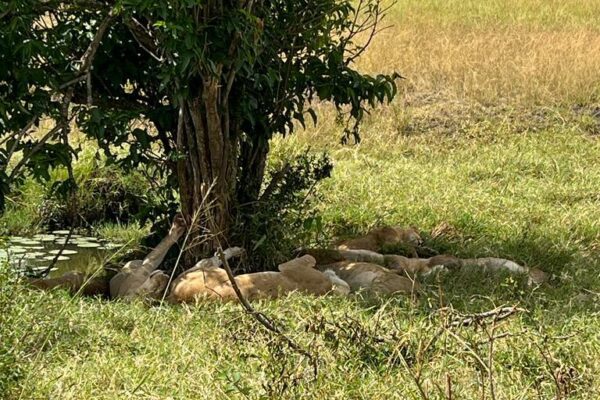
The two reserves also feel genuinely different. The Mara is compact, green, and dense with predators — you can see three lion prides before breakfast. The Serengeti is vast to the point of disorientation, with kopjes, riverine forest, and the Ngorongoro Crater on its doorstep. Doing both gives you range that a single-country trip cannot.
1. Fly via Nairobi and Kilimanjaro. The simplest option. Fly London to Nairobi (British Airways and Kenya Airways both run direct, from around £550–£750 return), do the Kenyan leg, then take a short scheduled flight from Nairobi to Kilimanjaro or Arusha and continue south. Reliable, comfortable, and it costs you the better part of a travel day.
2. Overland via the Isebania–Sirari border post. The main road crossing between the two countries. Your Kenyan vehicle and guide drop you at the border, you clear immigration on foot, and a Tanzanian vehicle collects you on the other side. Budget two to four hours for the crossing itself, plus long drives on either side. It’s the cheapest route and it shows you real country rather than clouds — but it’s a full, tiring day.
3. Light aircraft with border formalities en route. Small planes hop from Mara airstrips to Serengeti airstrips such as Kogatende, clearing immigration at a designated point along the way. It’s the fastest and most expensive option, and it puts you in camp the same afternoon. Availability of the direct Sand River/Bologonja gate crossing has varied year to year, so always confirm the current arrangement when you book rather than assuming.
The East Africa Tourist Visa (US$100) is excellent value — but it covers Kenya, Uganda and Rwanda only. Tanzania is not included. For a Kenya–Tanzania combination you need two separate permissions: Kenya’s electronic travel authorisation (around US$30–35, applied for online before departure) and a Tanzanian visa, ordinarily US$50 for British, Irish and most EU passport holders. Apply for both online in advance; queuing at a land border with a laptop and patchy signal is nobody’s idea of a holiday.
Park fees are the largest variable. Masai Mara conservancy and reserve fees for non-residents run to roughly US$100–200 per person per night depending on season and whether you’re in the reserve or a private conservancy. Serengeti park fees sit around US$70–100 per person per day, with Ngorongoro Crater charged separately. These are passed through at cost — no honest operator marks them up.
As a working figure, a well-run 8 to 10 day Kenya–Tanzania combination in mid-range lodges typically lands between £2,800 and £4,200 per person excluding international flights. Fly-in itineraries and luxury camps push higher; overland travel in the green season pushes lower.
Eight days is the realistic minimum: three nights Mara, one travel day, three nights Serengeti. Ten to twelve days is far more comfortable and lets you add the Ngorongoro Crater or a couple of nights on the Kenyan coast at the end. Anything under a week means you spend a disproportionate share of your holiday in transit.
July to October is peak season for river crossings and peak season for prices. If you have flexibility, late January to early March is superb — calving season in the southern Serengeti, excellent predator activity, thinner crowds, and noticeably cheaper flights out of London, Paris and Amsterdam.
Ready to plan your safari? Contact Nature Nest Safaris at book@naturenestsafaris.com or call +256 777 131 912. We’re a local East African operator and we build these cross-border itineraries every week.
Ready to plan your East African adventure? Browse our curated safari experiences:
Trips that match this guide. Every itinerary can be tailored to your dates and budget, and quotes are free.
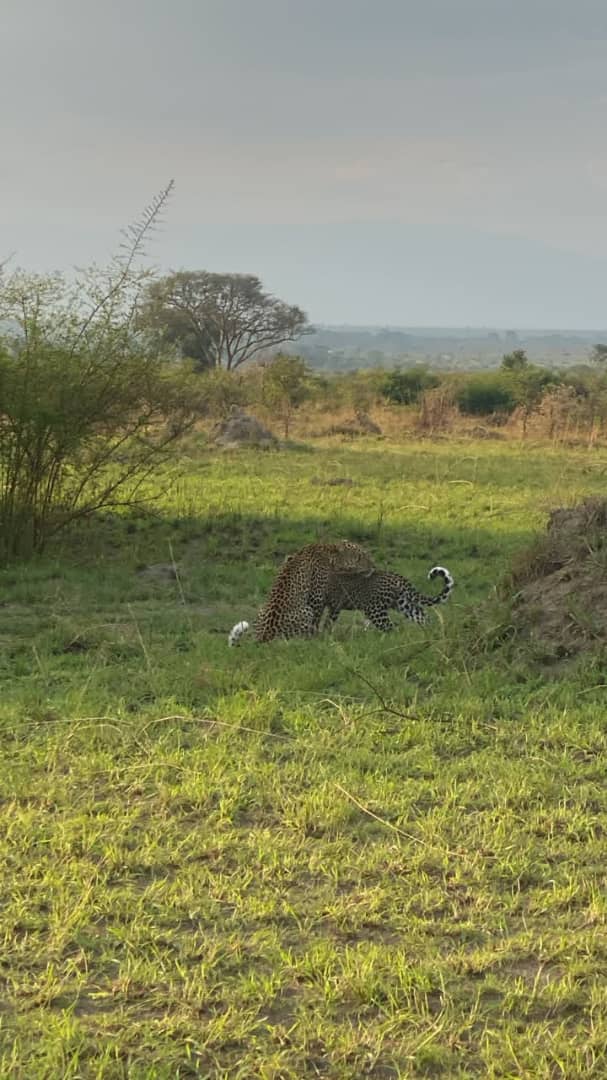
 Safari PlanningSpotting Leopards in Uganda: A Big Cat Safari Guide for UK & European TravellersRead article →
 Cultural ExperiencesMeeting the Maasai: Authentic Cultural Safari Experiences for European TravellersRead article →
 Safari PlanningBest Time to Visit East Africa for a Safari: A Month-by-Month Guide for UK & European TravellersRead article →
Let our expert team craft your perfect safari adventure. Custom itineraries, competitive prices, and unforgettable experiences.
Start Planning Your Safari