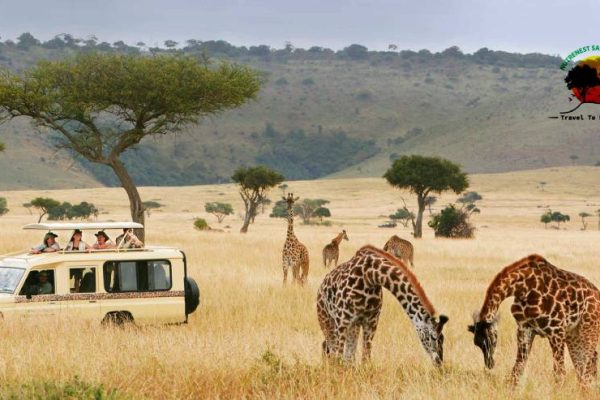
 Masai Mara safaris
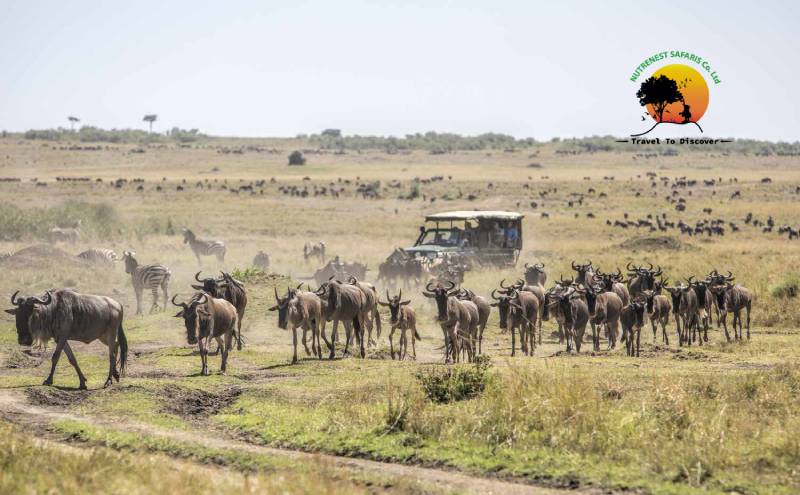
Of all the wildlife spectacles on earth, none draws European travellers to East Africa quite like the Great Migration river crossings. Roughly 1.5 million wildebeest, joined by 200,000 zebra and hundreds of thousands of gazelle, move in a continuous loop between Tanzania’s Serengeti and Kenya’s Masai Mara. The moment everyone comes for is the crossing: a churning mass of animals plunging down a riverbank into crocodile-filled water.
If you are planning this trip from London, Paris or Amsterdam, timing and positioning matter more than almost anything else. Here is what British and European visitors need to know.
The herds are moving year-round, but the dramatic Mara River crossings concentrate between late July and October. August and September are the peak window, when the herds are settled in the northern Serengeti and the Masai Mara and cross back and forth repeatedly as they follow fresh grazing.
An important caveat that many first-timers miss: there is no timetable. Crossings depend on rainfall, grass, and herd behaviour. A group may gather at the bank for six hours and never cross, then pour across at dawn the next morning. This is why we recommend building in at least three nights near the river rather than a single day trip. Travellers who allow three or four days in the Mara during peak season have an excellent chance of witnessing a crossing; those with one day are gambling.
Both work, and they sit on opposite banks of the same system.
Masai Mara (Kenya) is the easier option for most European travellers. Nairobi is served by direct overnight flights from London Heathrow, and a short bush flight from Wilson Airport puts you in the Mara in under an hour. Park entry is currently around $200 per person per day in high season.
Northern Serengeti (Tanzania) is quieter, with fewer vehicles at each crossing point, but takes longer to reach — usually via Kilimanjaro or Arusha and a light aircraft to Kogatende. If crowds bother you and you have the extra travel day, it is the more atmospheric choice.
Realistic 2026 planning figures for a couple travelling from the UK:
Peak-season camps in the Mara sell out early. If you are targeting August or September, book eight to twelve months ahead — European school holidays overlap exactly with the best crossing weeks.
Start before sunrise. Herds often gather at the banks in the cool early hours. A 5:30am departure with a packed breakfast beats a leisurely 8am start.
Bring a long lens. Vehicles keep a respectful distance from crossing points. A 200-400mm lens transforms your photographs; a phone camera will not reach.
Pack layers. Mara mornings in August sit around 12°C and feel genuinely cold in an open vehicle, while midday climbs to the high twenties. Neutral colours, a fleece, and a wind-proof jacket cover it.
Choose a private conservancy if you can. Camps in the Mara North, Olare Motorogi and Naboisho conservancies limit vehicle numbers, permit off-road driving and night drives, and sit within easy reach of the river.
Combine it. Many of our European guests pair four days in the Mara with gorilla trekking in Uganda or Rwanda, or finish on the Zanzibar coast. Regional flights make a two-country trip straightforward.
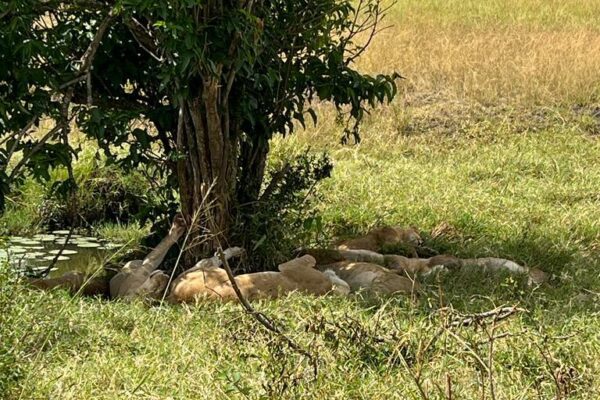
Honestly, yes — but manage the expectation. You are not buying a guaranteed crossing; you are buying several days in the richest concentration of large mammals on the planet, where lion, cheetah and hyena shadow the herds and something remarkable happens on almost every drive. The crossing, when it comes, is the crescendo rather than the whole performance.
Nature Nest Safaris runs small-group and private Great Migration itineraries built around the crossing season, with airport transfers, expert local guides and camps positioned close to the river.
Ready to plan your safari? Contact Nature Nest Safaris at book@naturenestsafaris.com or call +256 777 131 912
Ready to plan your East African adventure? Browse our curated safari experiences:
Trips that match this guide. Every itinerary can be tailored to your dates and budget, and quotes are free.
 Safari PlanningKampala to Bwindi by Road: Drive Time, Stops & CostsRead article →
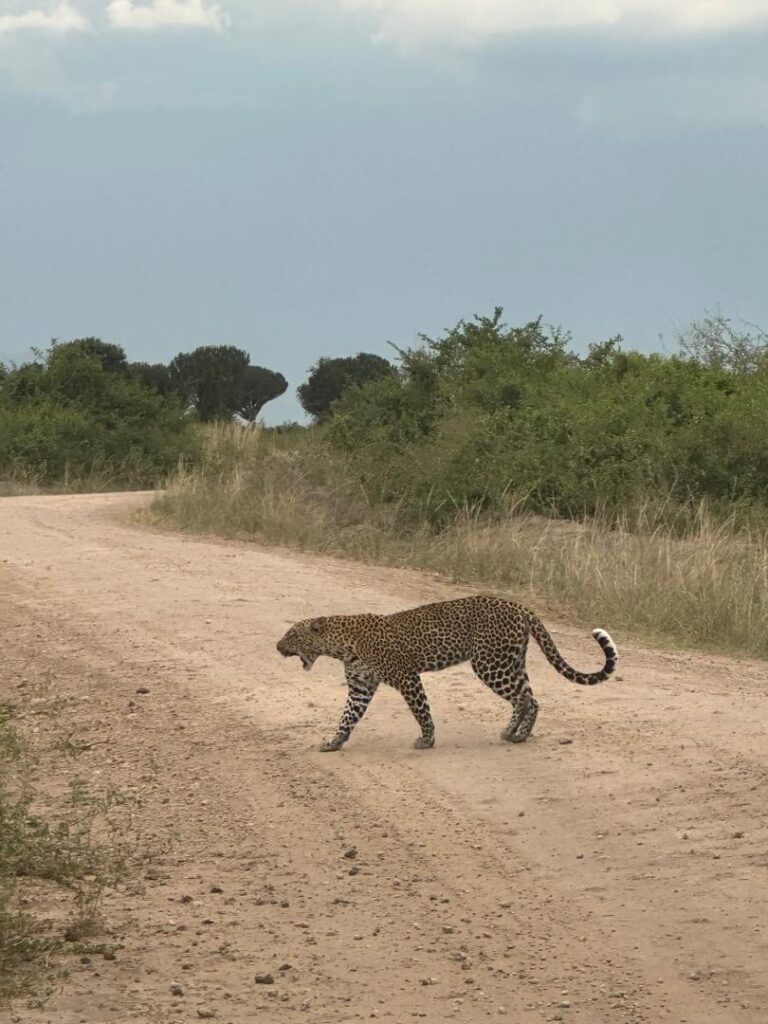 Safari PlanningSpotting Leopards in Uganda: A Big Cat Safari Guide for UK & European TravellersRead article →
 Cultural ExperiencesMeeting the Maasai: Authentic Cultural Safari Experiences for European TravellersRead article →
Tell us when and how many of you are travelling. A real person replies by email or WhatsApp within 24 hours with a line-by-line quote. No deposit until you are happy with the plan.
Let our expert team craft your perfect safari adventure. Custom itineraries, competitive prices, and unforgettable experiences.
Start Planning Your Safari